Travis Knight’s Wildwood arrives with a production story capable of commanding attention on its own: a creative journey spanning 16 years. The Hollywood Reporter’s coverage foregrounds that extraordinary commitment and places the word “masterpiece” in its headline. Together, those elements establish a powerful expectation—a film whose artistic achievement might match the patience invested in making it.
But elapsed time and cinematic experience measure different things. Sixteen years can tell us something about persistence; it cannot tell us how convincingly a character thinks, how a scene builds tension, or whether an ending feels earned. The most interesting question surrounding Knight’s undertaking is how the labor becomes emotion.
This is spoiler-free critical commentary on the film’s reported creative journey, not a screening-based review. It does not assign a rating or claim to verify particular scenes, dialogue, or hidden references.
What the 16-Year Timeline Actually Tells Us
The distinction between a long creative journey and a continuous production schedule matters. A headline describing 16 years spent bringing a movie into existence does not establish that cameras were running throughout that period. Without a verified breakdown, it would be misleading to divide those years among writing, design, fabrication, animation, or revision.
What the reported span does establish is the scale of the commitment attached to Wildwood. Remaining involved with a project across that much time makes persistence a meaningful part of its public identity. For audiences, however, the number is an invitation to investigate the work rather than an explanation of everything visible onscreen.
There is also no dependable equation between duration and quality. A long process might allow refinement; it might involve difficult decisions or changing circumstances. None of those possibilities should become a factual account of this production without evidence. Knight’s timeline deserves attention without being turned into an invented history of obstacles overcome.
The Real Promise of Stop-Motion Is Performance
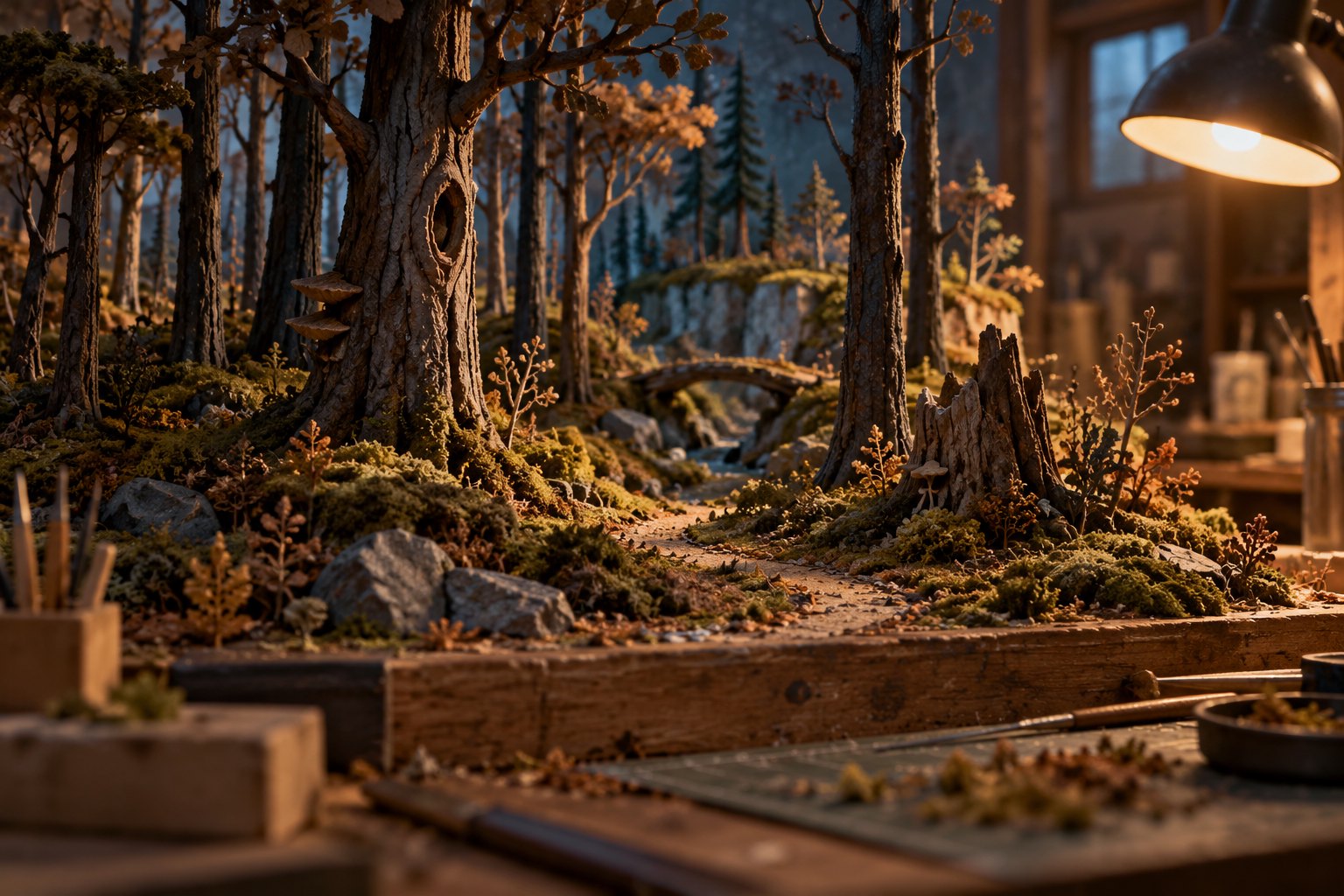
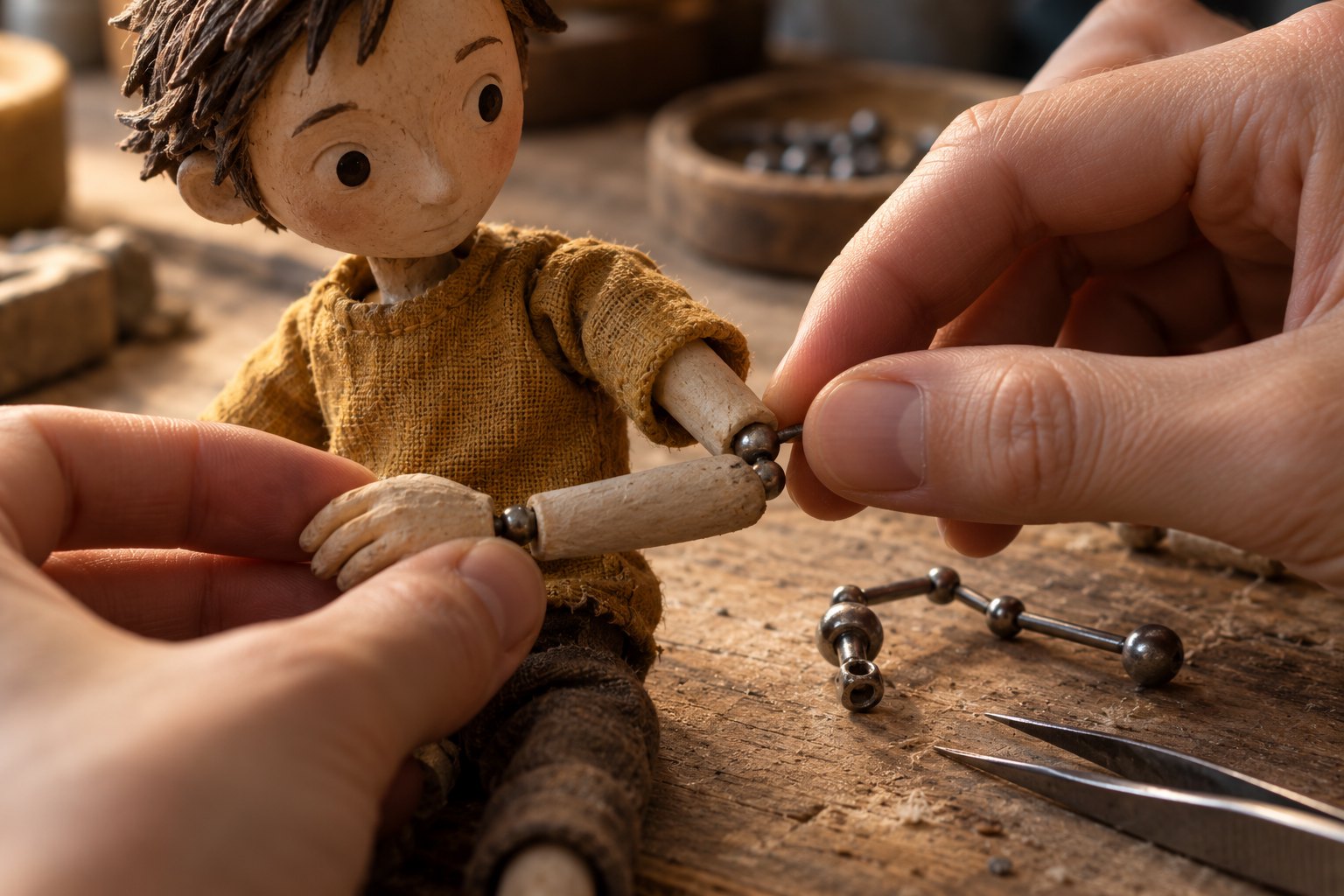
Stop-motion makes craftsmanship unusually tangible. Physical objects are adjusted between exposures so that their successive positions become movement. The viewer can register the texture of a surface while accepting that the object possesses intention. That coexistence—material presence and imagined life—is one of the medium’s great expressive opportunities.
From a character’s perspective, the crucial unit is often a hesitation. A hand beginning to reach and then withdrawing can suggest distrust. A head turning before the body follows can imply divided attention. These are general examples of animation acting, not descriptions of verified Wildwood scenes. They explain why assessing the film’s achievement requires more than admiring elaborate construction.
My critical preference is for animation that lets behavior carry meaning before dialogue explains it. A carefully timed movement can make an audience recognize uncertainty without having a character announce it. For Knight’s film, that is a more revealing standard than the sheer number of details a viewer might spot in a frame.
Looking at a World Through Its Characters
A visually intricate film gives viewers plenty to examine. Character-centered storytelling gives that examination a direction. The important question is whose experience organizes the image: what someone notices, what escapes their attention, and what suddenly becomes impossible to ignore.
Consider how differently the same environment can function depending on framing. A wide view can establish distance and vulnerability. A restricted view can make uncertainty immediate. A lingering detail can become emotionally significant if a character returns to it after a consequential choice. Production design becomes drama when the film changes our relationship to what we see.
This offers a useful way to approach Wildwood without imposing unverified plot details on it. Watch whether the images help you understand a character’s priorities. Does visual information arrive when it matters emotionally? Does a change in perspective alter the meaning of a space? Those questions connect craftsmanship to storytelling instead of treating them as separate achievements.
Why “Masterpiece” Needs a Specific Argument
“Masterpiece” is a judgment, not a production credit. Its appearance in a headline establishes a frame for discussing Wildwood, but it does not, by itself, identify who originated the description or establish universal agreement. It should not be casually recast as Knight declaring his own film flawless.
A useful critical argument would explain what makes the whole work exceptional. Beautiful animation might be one part of that case. So might expressive editing, emotional complexity, or a resolution that changes how earlier moments are understood. The strongest praise connects these qualities rather than allowing one spectacular element to stand in for all the others.
Our character-focused analysis of Metropolis approaches a related critical problem: visual achievement and the implications of a story both deserve sustained attention. Admiration becomes more useful when it can accommodate difficult questions.
The Work Behind a Director’s Name
Knight is the central figure in this account of Wildwood, but a director’s long commitment and the collective nature of filmmaking belong in the same conversation. Stop-motion depends on coordinated decisions about physical construction, movement, lighting, photography, sound, and the arrangement of images over time.
Recognizing that collaboration does not require inventing crew totals or singling out unverified contributions. It requires understanding that the apparent spontaneity of an animated performance emerges from many connected choices. The character seems to react in an instant; the filmmaking makes that instant legible.
That expressive range also belongs to the broader discussion in our commentary on how animation speaks to adult audiences. The medium deserves criticism attentive to performance and ideas as well as technique.
When Years of Work Become a Moment of Feeling
The deeper significance of Knight’s 16-year undertaking lies in a tension familiar to ambitious art: the maker experiences the work as accumulated time, while the audience experiences it as a succession of present moments. Viewers cannot be expected to feel all those years simply because they know about them. The film must give that attention a dramatic form.
For me, the most persuasive achievement would be a moment when the awareness of fabrication recedes and a character’s decision takes over. The texture remains beautiful, but its beauty now belongs to someone’s experience. That is where a painstaking object becomes a moving performance.
Wildwood has a compelling story of creative persistence attached to it. Its claim to greatness ultimately rests on what that persistence allows audiences to feel, notice, and reconsider. Sixteen years gives the conversation its scale. The characters must give it its meaning.
Original content by this site's editorial team. Published: October 23, 2026 at 12:52:41 PDT (Los Angeles time)