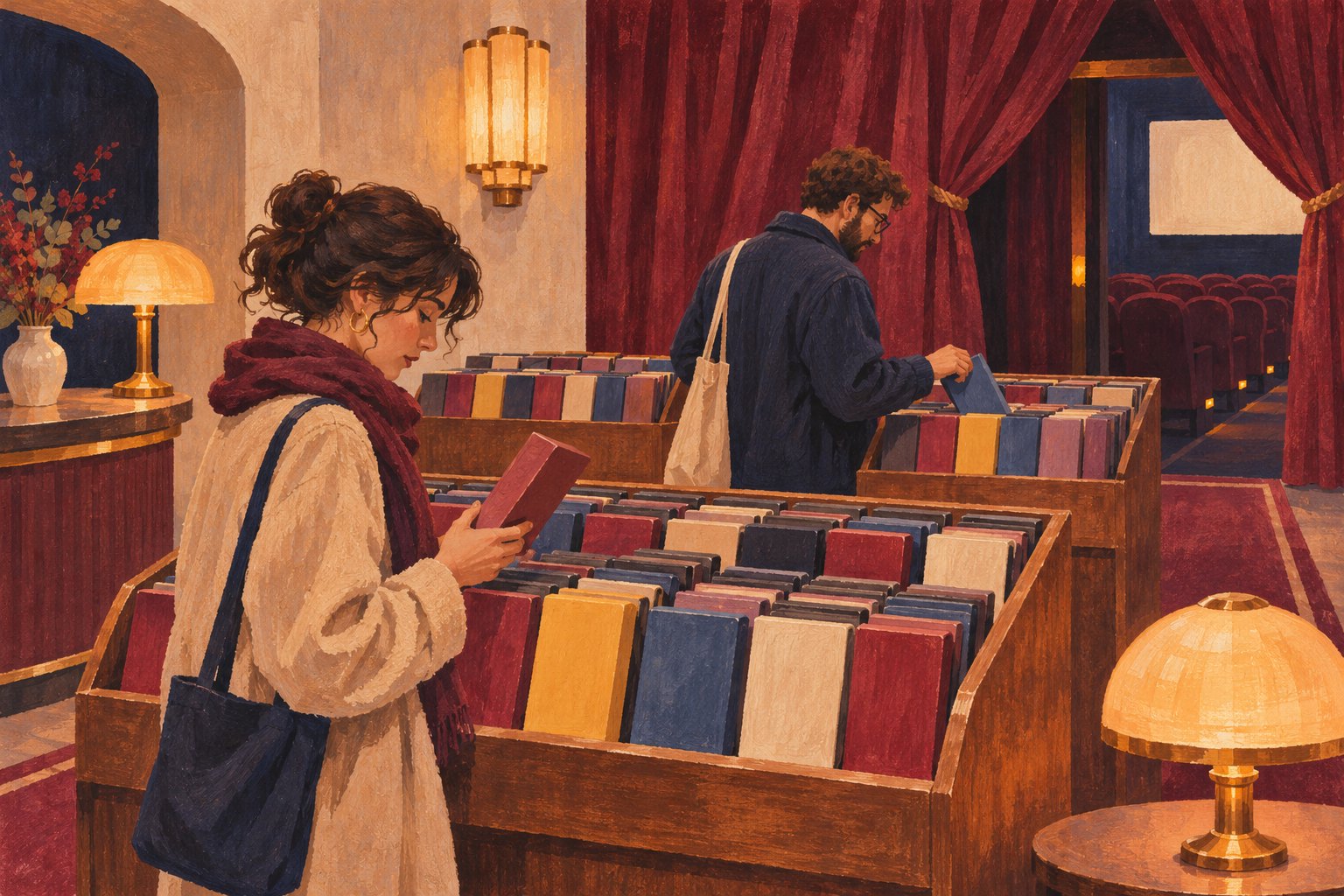
A VHS pop-up store opened at the Little Theatre during Anomaly Film Festival, according to 13WHAM-TV. The attraction puts a familiar object from home viewing into a setting devoted to watching films together. For movie lovers, the appeal is easy to understand: a screening offers one encounter with cinema, while a shelf of tapes offers the possibility of choosing the next one.
The reported opening establishes the event’s central premise. It does not, by itself, establish the store’s inventory, prices, operating hours, or whether individual tapes have been tested. Those details matter to prospective shoppers. The broader editorial question is what a VHS store contributes to a film festival beyond a recognizable nostalgic aesthetic.
My view is that the pairing has real promise because browsing can be an active part of film appreciation. Picking up an unfamiliar movie, considering its packaging, and deciding whether its story deserves your time are small acts of interpretation. A festival provides an especially useful setting for that process: other people are already there to look, listen, and form opinions.
Why a Tape Store Belongs Beside a Movie Screen
A cinema program and a video shelf organize attention differently. A screening gives an audience a shared appointment. Browsing lets each person linger, double back, and follow an unexpected association. Bringing those experiences together can extend the curiosity that a festival screening creates.
Consider the moment after a surprising film ends. You may want another movie with the same uneasy atmosphere, a similarly difficult protagonist, or a completely different approach to the same premise. A physical browsing space gives that impulse somewhere to go. The meaningful connection is between stories and viewers, with the cassette serving as a tangible invitation.
That possibility should not be mistaken for an observed outcome at this particular pop-up. Without accounts from shoppers or organizers, it would be premature to claim the store created new audiences or introduced anyone to a future favorite. It does, however, create a compelling framework for those encounters.
The best version of this experience would make room for uncertainty. A visitor should be able to pick up something unfamiliar without feeling obliged to know its reputation. As our commentary on enjoying movies without waiting for critical permission argues, personal engagement deserves space alongside established judgments.
A VHS Sleeve Starts Telling the Story Early
Before a movie introduces its protagonist, its packaging may already have assigned that character a role. A frightened face suggests vulnerability. An isolated figure suggests danger or alienation. A prominently posed star can make an ensemble story look like one person’s adventure. These visual promises influence the questions a viewer brings into the opening scene.
That makes browsing relevant to character-focused criticism. When you eventually watch the film, ask whether the person advertised on the cover resembles the character who actually emerges. Does someone presented as a fearless hero spend most of the story hesitating? Does an apparent victim make decisions that complicate your sympathy? Does the film give interior life to someone its marketing reduces to a striking image?
None of these examples describes a confirmed title at the Little Theatre’s store. They are useful ways to approach any unfamiliar movie discovered through physical media. The gap between a package’s promise and a character’s behavior can reveal both the limitations of marketing and the ambitions of the film.
A good review follows the character’s actual choices. It asks what they want, what they misunderstand, and what their actions cost other people. Finding a movie in an appealing old sleeve should sharpen that curiosity. It should not predetermine a favorable verdict.
Nostalgia Can Invite Attention—and Distort It
VHS has a distinctive physical presence: a substantial cassette, visible reels, a sleeve that can show its age. Those qualities can make a movie feel like an object with a history. For some viewers, handling a tape may recall the anticipation of choosing a film before knowing much about it.
That emotional association is legitimate, but it belongs partly to the viewing experience rather than to the movie’s artistic achievement. Affection for a format can coexist with an unconvincing performance, weak pacing, or a story that does not earn its ending. Honest criticism needs to keep those judgments available.
The reverse also matters. An unimpressive package does not settle the value of what it contains. A film may offer an unusually perceptive character study without looking prestigious on a shelf. Physical browsing becomes most rewarding when the object prompts investigation rather than replacing it.
There is also a distinction between appreciating a particular edition and understanding the film’s visual construction. If an edition changes the framing, viewers may receive less information about the space around a character. That can affect how they read isolation, proximity, and relationships within a shot. Anyone interested in close analysis should pay attention to the edition as well as the title.
What to Check Before Buying a Secondhand Tape
The Little Theatre news may encourage readers to explore VHS collecting more generally. A sensible purchase starts with a practical question: do you want to watch the tape, display it, or study the release as an object? Each purpose calls for different expectations.
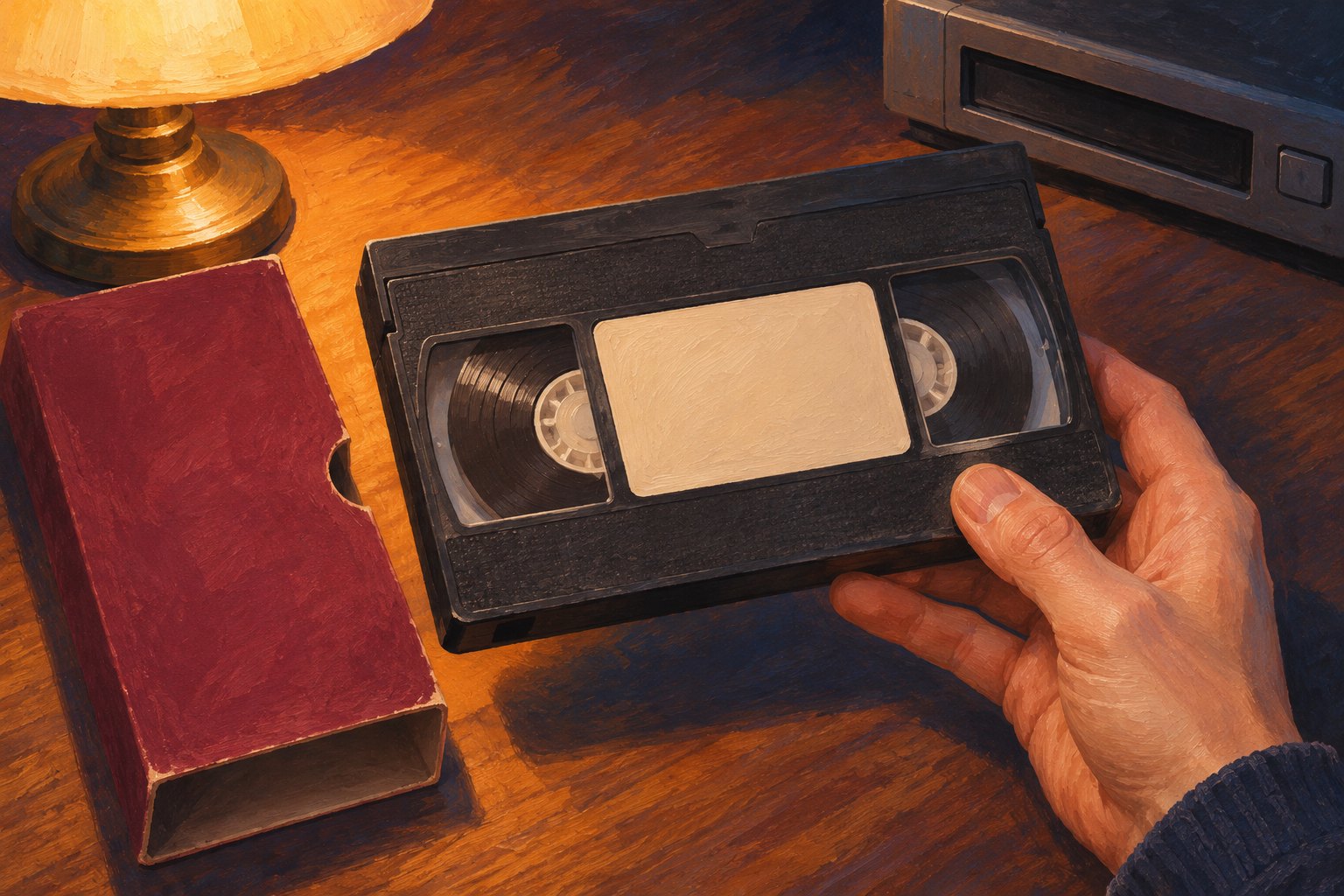
- Ask about playback testing. An attractive case does not establish that the tape plays properly. Find out what the seller has actually checked.
- Match the cassette to the sleeve. Confirm that the object inside is the movie and edition you intend to buy.
- Check compatibility. Make sure your equipment can play the tape’s video format before purchasing it for viewing.
- Look for edition information. Language, subtitles, running time, and framing can affect whether a particular release meets your needs.
- Set a personal spending limit. Decide what the tape is worth to your own viewing or collecting interests before excitement makes the decision for you.
These are general buying considerations, not claims about the condition or policies of the festival pop-up. Readers interested in attending should confirm current availability and access arrangements with the venue; a report that a temporary store opened is not a guarantee that it remains open.
The Real Value Is What Happens After Discovery
A festival pop-up can make choosing a movie feel like an occasion. The lasting value depends on whether that choice leads to attention: watching the film, thinking about its characters, and discussing why its decisions worked or failed.
Discovery and sustained engagement are different stages of movie culture. Our discussion of specialty films finding an audience beyond their initial momentum considers that distinction from another direction. Here, the scale is intimate: one person, one unfamiliar title, and the willingness to give it an evening.
That is the most persuasive interpretation of the Little Theatre’s VHS pop-up. Its appeal reaches beyond fondness for an older format. A tape can make the act of choosing visible and deliberate. At a film festival, where viewers gather to encounter stories together, that small ritual has a fitting home.
Original content by this site's editorial team. Published: November 15, 2026 at 20:48:46 PST (Los Angeles time)