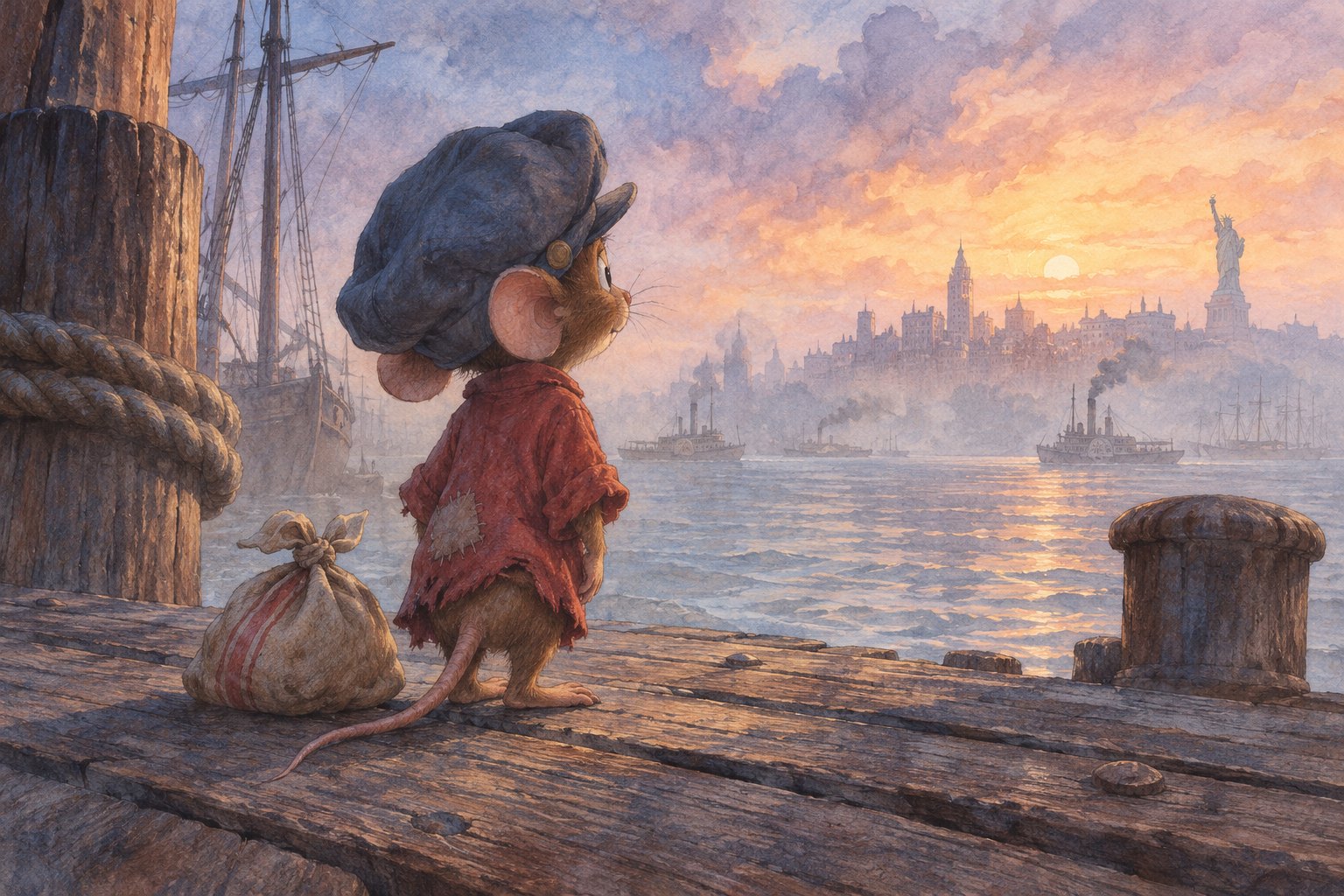
The Eminence in Shadow: Lost Echoes has a May 2027 premiere window, with a new visual, trailer, and cast addition accompanying the announcement, according to Crunchyroll. For viewers waiting for the anime film, the immediate news is straightforward: there is now a month to anticipate. The more interesting question is what will make the finished movie worth that anticipation.
A release announcement cannot answer that question. It can establish a timetable and introduce the next stage of promotion. The film itself must supply the dramatic payoff: characters whose choices matter, action with consequences, and a story that feels shaped for a feature. This is a spoiler-free editorial preview, not a review of the unreleased film.
What the May 2027 announcement establishes
The reported update brings together four concrete elements: the film’s title, its May 2027 premiere window, a new visual and trailer, and an addition to the cast. Those details give audiences a clearer point of reference than an undated promise that the project is coming.
For planning purposes, however, a month is not an exact release date. Viewers should also avoid treating a premiere window as proof that every territory, language version, and viewing format will become available simultaneously. A local theatrical booking or streaming listing requires its own confirmation.
The practical takeaway is to keep May 2027 on the calendar while leaving specific viewing plans open. The announcement is meaningful progress, but it does not, by itself, settle where an individual viewer will be able to watch the film.
A new trailer raises expectations, not a verdict
The arrival of a trailer gives the film a more immediate presence. Marketing can communicate atmosphere in seconds: the timing of a cut, the contrast between quiet and noise, or the way a voice holds a moment. Those qualities can make an upcoming release feel tangible long before its full story is available.
Yet a trailer operates through selection. Its strongest images may come from widely separated scenes, and an apparent exchange can acquire a different meaning in context. Without a verified shot-by-shot examination, assigning particular revelations or plot developments to this trailer would turn anticipation into invention.
For Lost Echoes, the useful critical distinction is between an arresting impression and sustained storytelling. A feature needs to connect its highlights. The pause before a confrontation, the decision that causes it, and the response afterward are often what make the confrontation memorable.
That is also why a new visual deserves attention without becoming a plot diagram. Promotional artwork can invite theories, but placement, scale, and lighting do not automatically establish a character’s allegiance or eventual fate.
The character test: whose experience makes the spectacle matter?
The most productive way to anticipate Lost Echoes is to ask what its events will feel like to the people experiencing them. From a character’s perspective, an impressive display of power might mean reassurance, humiliation, danger, or a sudden loss of control. The same event can carry different emotional meanings for different participants.
That difference is where a film can gain depth. If every supporting character exists only to confirm how extraordinary the central figure is, the audience receives a narrow emotional experience. If those characters have independent priorities, even a familiar confrontation can become difficult to predict.
My standard for the film would therefore be less about the number of major moments than about their consequences. Does an encounter change a relationship? Does someone make a choice that cannot simply be undone? Does a quieter response complicate the excitement of what came before? These are criteria for the eventual review, not claims about scenes already seen.
Our discussion of why a returning character’s vulnerability matters approaches a similar issue from another franchise: recognizable appeal becomes more durable when the story preserves the person beneath it.
Why the cast addition deserves attention
The announced cast addition is another reason to watch the film’s development. In animation, a voice can establish a relationship before the script explicitly explains it. An unhurried delivery can suggest confidence; a strained pause can make the same words sound defensive. Performance helps determine whether a character feels present or merely functional.

The existence of an additional performer does not establish the size or significance of the role. Nor does it demonstrate that the character will become an ally, antagonist, or emotional center. Those distinctions belong to the film and its verified character information.
What matters critically is the interaction the performance enables. A new voice can alter the rhythm of an established ensemble, making familiar characters explain themselves, hesitate, or listen. The strongest addition would contribute a distinct perspective rather than simply increase the number of people on screen.
What would make Lost Echoes work as a movie?
A satisfying feature needs more than enough material to fill its running time. It needs a central dramatic movement: an opening situation that creates pressure, decisions that intensify it, and an ending that changes how the audience understands the journey.
For Lost Echoes, my preference would be for clarity without excessive explanation. Returning viewers should have room to recognize details, but recognition alone cannot carry a scene. The immediate objective should be understandable, and the emotional stakes should remain legible even when the surrounding mythology is complex.
The ending will be especially important. A film can leave larger questions unresolved while still completing its own emotional argument. What feels frustrating is an ending that merely stops, leaving the most consequential decision for another installment. The distinction rests on whether something meaningful has changed for the characters.
The deeper question behind the anticipation
The title Lost Echoes invites associations with absence, repetition, and things that remain after their origin has disappeared. Those are possibilities suggested by the language, not confirmed themes or clues to the plot. A title becomes meaningful through the choices and images a film places around it.
As our commentary on how a film earns its meaning through character choices explores, an appealing interpretation needs evidence from the work itself. Memorable dialogue and hidden references deserve the same care; neither should be manufactured before the finished film can support them.
For now, May 2027 provides the destination. The new promotional material and cast announcement provide reasons to pay attention. What will ultimately distinguish The Eminence in Shadow: Lost Echoes is whether its spectacle leaves an emotional consequence—something its characters must live with after the impressive moment has passed.
Original content by this site's editorial team. Published: November 28, 2026 at 10:03:43 PST (Los Angeles time)