Way of the Warrior Kid has produced a striking disagreement between professional reviews and audience ratings. In its November 27 coverage, Forbes reported a 22% Rotten Tomatoes critics’ score against an 84% audience score. That contrast makes an attention-grabbing headline, but the more interesting question belongs to the film itself: does its story of a bullied boy finding confidence earn its encouragement, or turn complicated pain into an overly tidy lesson? [Forbes’ reception report](https://tollbit.forbes.com/sites/timlammers/2026/11/27/way-of-the-warrior-kid-rotten-tomatoes-critics-crush-chris-pratt-film-but-audiences-feel-differently/)
The distinction matters because an uplifting message and convincing drama are separate achievements. A viewer can cherish what a movie encourages while finding its storytelling clumsy. Another can recognize those weaknesses and still feel that its central relationship makes the experience worthwhile.
Spoilers follow. This critical analysis draws on the confirmed premise and published accounts of the film’s scenes, including its ending.
What the Rotten Tomatoes split actually tells us
By November 29, the film’s Rotten Tomatoes page displayed 22% from 18 critics’ reviews and 81% from more than 100 audience ratings. The audience figure had shifted, but the broad disagreement remained. These are changing snapshots, not permanent verdicts. [Rotten Tomatoes’ film listing](https://www.rottentomatoes.com/m/way_of_the_warrior_kid)
The Tomatometer measures the proportion of favorable reviews; it does not mean critics collectively awarded the movie 22 points out of 100. Likewise, the Popcornmeter records the proportion of positive audience ratings, with 3.5 stars or higher counting as positive. Neither number explains which scenes worked or why. [Rotten Tomatoes’ scoring explanation](https://www.rottentomatoes.com/about)
For this film, that missing explanation is crucial. Its appeal rests on encouragement, belonging, and a recognizable fantasy: someone capable notices your difficulties and decides you are worth helping. Its potential weakness is equally recognizable: the temptation to make every difficulty solvable through a compact program of personal improvement.
Marc needs confidence before he needs victory
Directed by McG and written by Will Staples, the adaptation of Jocko Willink’s novel began streaming on Apple TV on November 25, 2026. Jude Hill plays Marc, whose difficulties encompass bullying, schoolwork, physical education, and friendship. Chris Pratt plays Jake, his injured Navy SEAL uncle, who spends the summer recuperating with Marc and his mother, Sarah, played by Linda Cardellini. Jake devises a training program called Operation Warrior Kid. [Apple’s official film synopsis](https://www.apple.com/tv-pr/originals/way-of-the-warrior-kid/)
Seen from Marc’s perspective, the attraction of that program is understandable. Bullying makes other people seem like the authors of your identity. A measurable task offers a different authority: yesterday you could not do something; today you can do a little more. Progress becomes evidence against the humiliating story other children tell about you.
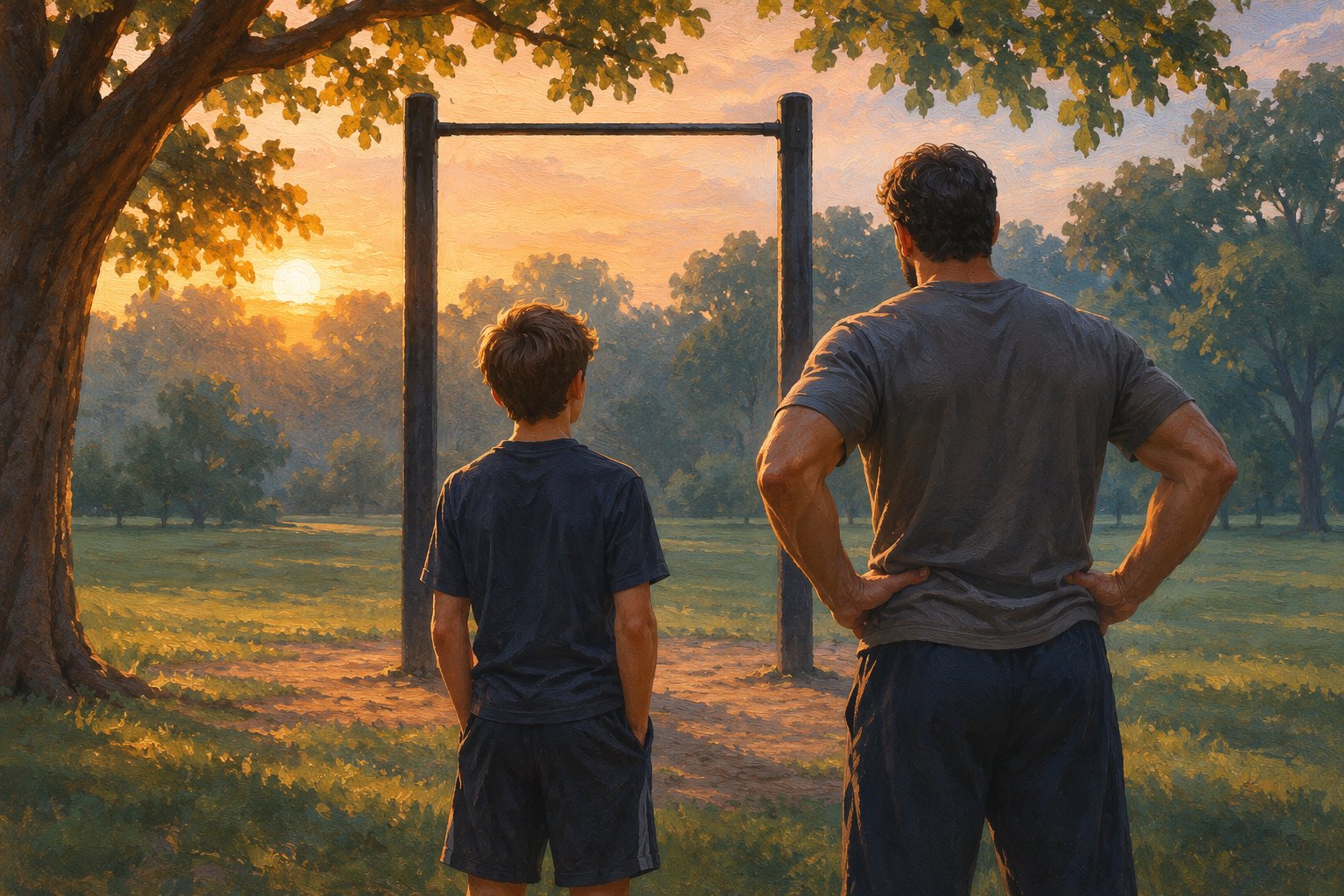
His protest, “Thirteen pull-ups isn’t a goal!” gives that struggle an appropriately youthful scale. An adult sees an achievable training target. Marc sees another opportunity to fail publicly. The line matters because encouragement becomes condescension when a mentor forgets how enormous a small task can feel to a frightened beginner. The exchange is documented in Plugged In’s scene account. [Plugged In’s film review](https://www.pluggedin.com/movie-reviews/way-of-the-warrior-kid-2026/)
That vulnerability should remain central to any assessment of the movie. As our discussion of Kevin McCallister’s vulnerable side in Home Alone explores, a resourceful child becomes more compelling when competence grows alongside recognizable emotional needs. Capability alone is a thinner achievement.
Jake’s most valuable lesson challenges his own authority
“Discipline equals freedom” is the training philosophy’s compact promise. Applied to Marc, it suggests that practicing difficult things can expand his choices. Yet Jake’s position complicates that certainty: the apparently authoritative adult is also recovering from injury and carrying distress from a failed mission.
The richer interpretation of their relationship begins there. Jake can explain how to persist, but persistence cannot undo loss. He can offer Marc routines without having mastered his own emotional life. His usefulness as a mentor does not require perfection; it requires acknowledging that usefulness and invulnerability are different things.
Published scene accounts describe Marc offering to listen to Jake talk about what happened, and Jake accepting. That reversal gives the relationship a meaning beyond instruction. The boy has something to contribute before becoming physically impressive. Listening is already a form of strength.

In my reading, this exchange provides the most persuasive answer to the title. A warrior identity becomes emotionally useful when it allows people to support one another. If it merely creates a new standard of toughness that neither character can safely fail, it reproduces Marc’s original problem in more flattering language.
Learning to fight creates an important contradiction
Jake tells Marc, “You’re gonna learn how to fight so you don’t have to fight.” Marc’s developing empathy for his bully, Kenny, gives that principle an application beyond a slogan. Understanding another person’s suffering can change what you want to do with your own power.
That does not excuse bullying. It changes the goal from reversing the hierarchy to refusing its terms. Marc need not become the person everyone else fears to stop being governed by fear himself.
Here the film invites a demanding critical question: does its spectacle reinforce restraint, or make physical dominance look like the real reward? Zachary Lee’s review identifies a conflict between the film’s peaceful instruction and its attraction to combat. That is a criticism of execution, not an objection to children developing confidence. [Zachary Lee’s review](https://www.rogerebert.com/reviews/way-of-the-warrior-kid-chris-pratt-apple-tv-film-review-2026)
Sarah also deserves consideration within this argument. A mentor can add something valuable to a child’s life without making a mother’s existing care seem inadequate. The strongest version of this story would treat confidence as the product of several relationships, rather than the exclusive gift of one impressive man.
The ending turns personal progress into a rescue test
The climax places Marc in a school-trip emergency involving a bus crash and a forest fire. His training becomes useful in a life-threatening situation. Common Sense Media’s Jennifer Green argues that the late escalation makes his transformation excessive, while also crediting the connection between Pratt and Hill. [Common Sense Media’s review](https://www.commonsensemedia.org/movie-reviews/way-of-the-warrior-kid)
The dramatic logic is clear: lessons become actions, and the frightened child can now help others. But the scale changes the meaning of success. Managing fear in ordinary life is already difficult. Requiring extraordinary heroics risks making that quieter accomplishment look insufficient.
Some viewers may welcome the climax as a generous emotional payoff. Others may feel the movie has replaced a credible achievement with a demonstration designed to settle every doubt. Both reactions can arise from taking Marc seriously.
The deeper question is what makes someone worth helping
The review divide becomes more useful when it leads back to this question. Is Marc valuable because he becomes capable, or does he become capable because someone treats him as valuable?
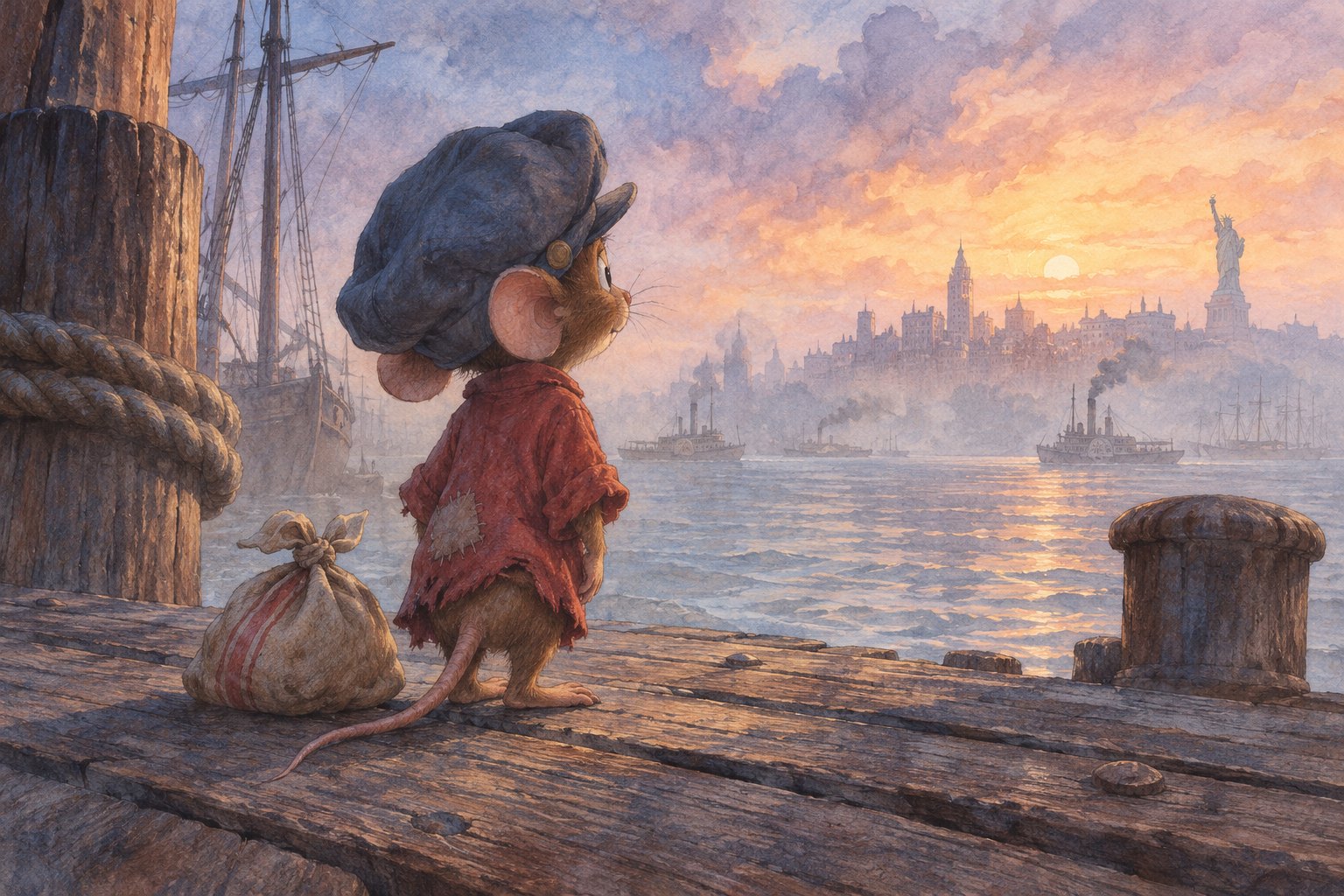
The second reading is the more humane one. It makes Jake’s attention, Sarah’s care, and Marc’s willingness to listen part of the same process. Our analysis of Fievel’s search for safety and belonging in An American Tail approaches a related idea: courage grows more meaningfully when connection supports it.
Way of the Warrior Kid offers an appealing promise of change, but its most worthwhile implication reaches beyond training. Becoming stronger should widen a person’s capacity for empathy. The fairest way to approach this divisive film is to consider how convincingly it makes that connection—and whether its loudest triumphs leave room for its quieter truths.
Original content by this site's editorial team. Published: November 28, 2026 at 09:26:01 PST (Los Angeles time)