
Steps gives Cinderella’s stepsister something more useful than a makeover: a point of view. Netflix’s animated reworking centers Lilith, whose resentment disrupts the familiar royal-ball narrative and makes cooperation with Cinderella necessary. The most interesting question is whether these women can recognize each other beyond the roles their kingdom assigns them.
For readers weighing a watch, the early critical signal is cautiously positive: The Guardian finds the adventure entertaining despite reservations about its storytelling and visual individuality. [The Guardian’s review](https://www.theguardian.com/film/2026/nov/20/steps-netflix-movie-review). The analysis below examines the confirmed premise and character descriptions; it is a critical reading rather than a firsthand assessment of every scene.
Spoiler note: This article discusses the setup and character motivations, while leaving the ending undisclosed.
What Steps changes about Cinderella
Directed by Alyce Tzue and John Ripa, Steps stars Ali Wong as Lilith, Stephanie Hsu as Margot, and Amanda Seyfried as Cinderella. Its US Netflix release is November 20, 2026. The central disruption begins when Lilith takes the Fairy Godmother’s wand and interferes with the royal ball, creating an opening for Priscilla to seize power. Netflix confirms these details in its official materials. [Netflix’s film overview](https://www.netflix.com/tudum/articles/steps-cast-release-date).
That premise changes the moral shape of the adventure. Lilith is both someone seeking recognition and someone whose decisions have consequences. Her frustration does not automatically make her right, which gives the story a more productive starting point than simply announcing that the familiar villain was secretly perfect.
From her perspective, magic offers a shortcut out of an intolerable social position. From everyone else’s perspective, her intervention creates a crisis. Holding those perspectives together is essential: understanding a person’s motives should deepen our judgment, not switch it off.
Lilith’s hostility is a defense with a cost
Netflix’s character guide describes Lilith as initially hopeful about her blended family. Rejection helps turn that hope into a defensive identity: she adopts the reputation others give her and pushes people away before they can hurt her. Cinderella, meanwhile, is lonely beneath her polished appearance, convinced that being helpful and perfect is necessary to remain lovable. [Netflix’s character guide](https://www.netflix.com/tudum/articles/steps-cast-guide-ali-wong-amanda-seyfried-cinderella).
My reading is that Lilith’s most revealing contradiction lies between her manner and her desire. Someone who truly wanted no connection would have little reason to care so much about exclusion. Her hostility can therefore be understood as an attempt to control the terms of disappointment. Being disliked on purpose may feel safer than trying to belong and failing.
That makes her a potentially compelling protagonist, but it also creates a demanding standard for her development. Vindication alone cannot resolve this conflict. If everyone simply agrees that Lilith was misunderstood, her protective habits remain intact. Meaningful change requires the risk of approaching another person without the certainty of being welcomed.
The distinction matters to character analysis more broadly. As our discussion of how character choices give a story its meaning explores, a premise becomes drama through decisions. Lilith’s outsider status explains her starting position; what she does with that pain determines the value of her story.
Cinderella’s perfection has its own emotional logic
Cinderella’s need for approval creates a useful counterpart. Where Lilith anticipates rejection and becomes difficult to approach, Cinderella tries to make rejection impossible by being indispensable. One strategy advertises indifference. The other offers constant usefulness. Both can leave a person profoundly uncertain about whether anyone likes them without the performance.
This is where the reworking has its strongest interpretive potential. Cinderella need not become secretly cruel for Lilith to deserve sympathy. Equally, her kindness need not be fraudulent simply because anxiety helps motivate it. A person can sincerely care for others while also fearing what happens when she stops meeting their expectations.
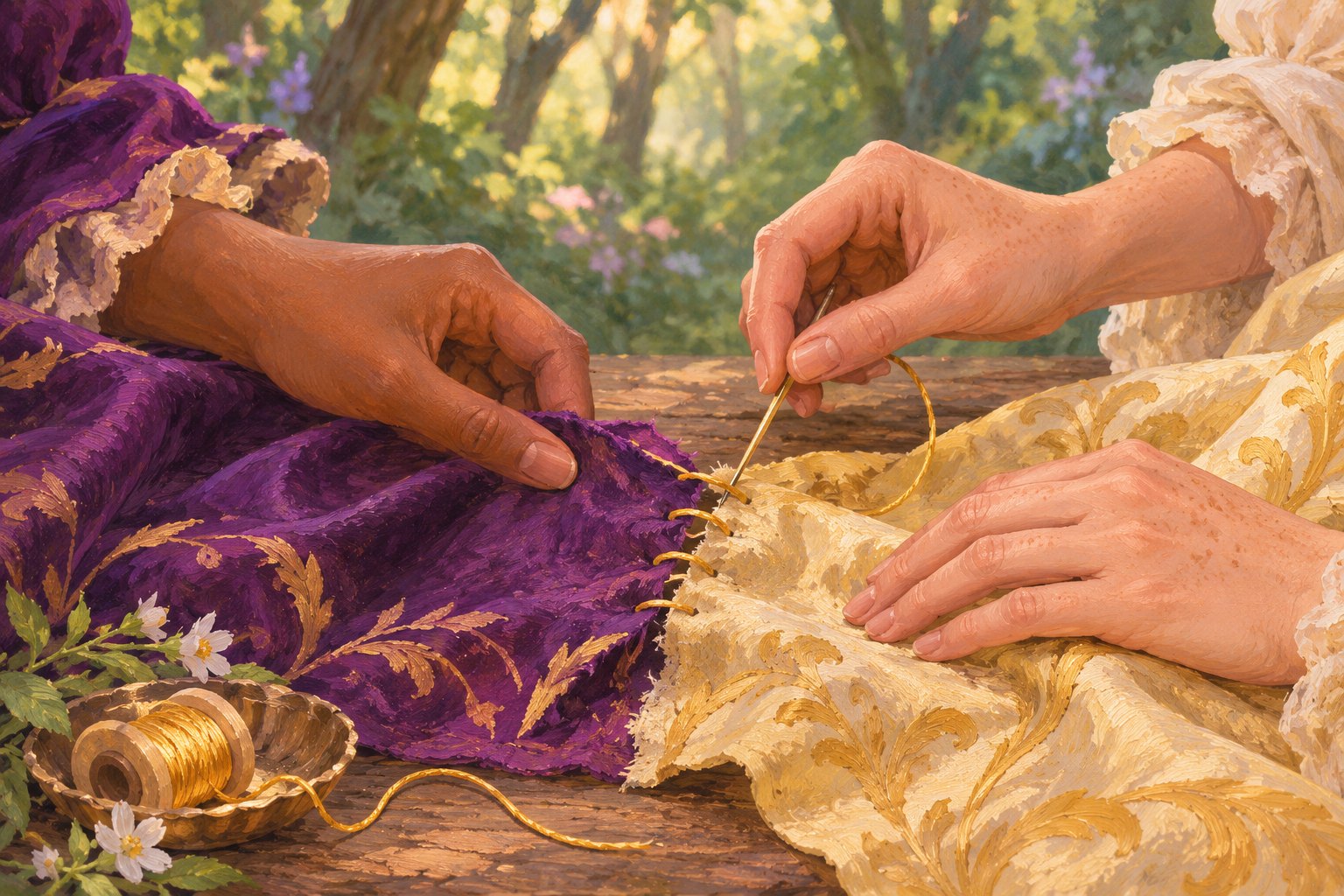
The relationship invites a closer distinction between being admired and being known. Admiration rewards a recognizable image: the agreeable girl, the rebellious girl, the effortless heroine. Knowing someone requires tolerating qualities that complicate that image. For these sisters, reconciliation would mean finding room for the unpolished person behind each familiar role.
The adventure makes private resentment a shared problem
The official synopsis sends Lilith and Cinderella into an adventure involving biker trolls, dangerous pursuers, and the Screaming Woods. Saving the kingdom and repairing their relationship become connected objectives. [Netflix’s official synopsis](https://media.netflix.com/en/only-on-netflix/81212809?countryCode=US).
Structurally, a shared journey is well suited to this conflict. At home, relatives can repeat arguments while remaining fixed in their assumptions. A crisis makes those assumptions expensive. Cooperation demands attention to what another person can actually do, rather than what family history says she must be like.
Still, physical teamwork and emotional repair are different achievements. Two characters can escape danger together without addressing why they distrust each other. The most useful question for viewers is therefore whether the adventure changes how the sisters listen, make decisions, and accept responsibility. Spectacle supplies pressure; altered behavior supplies evidence of growth.
Our analysis of the difference between protection and trust in Guarding Stars raises a related distinction. Helping someone through a dangerous situation does not necessarily mean understanding what that person needs. In Steps, the emotional stakes depend on closing that distance.
Belonging should mean more than winning approval
Tzue has described the project as an opportunity to move attention toward the Asian sisters who do not receive the fairy tale’s privileged treatment. Her concise question, “Why didn’t they get the magic?”, identifies the imbalance behind the revision. That is a filmmaker’s statement, not character dialogue. [Netflix’s interview with the filmmakers](https://www.netflix.com/tudum/articles/steps-trailer-ali-wong-amanda-seyfried-stephanie-hsu).
The question reaches beyond who holds a wand. Fairy-tale magic often confirms that someone was special all along. Giving attention to the people left outside that confirmation asks whether worth must be recognized by an authority before it becomes real.
For Lilith, the deeper challenge is separating dignity from victory over Cinderella. If her happiness requires Cinderella to lose admiration, both remain trapped in the same competition. For Cinderella, the corresponding challenge is allowing affection to survive imperfection. Neither can build a secure relationship while treating love as a prize awarded for the correct performance.
The strongest reading of Steps is about responsibility
My central judgment is that Steps has a more substantial idea in its fractured family than in the novelty of revising Cinderella. Reassigning the spotlight is easy. Making sympathy coexist with accountability is harder and more rewarding.
Read through its confirmed character setup, the film’s richest possibility is a story in which being misunderstood does not erase responsibility, and being admired does not eliminate loneliness. Lilith needs room to become more than the kingdom’s verdict on her. Cinderella needs room to become more than its ideal. Their relationship matters because each may be able to offer the other something public approval cannot: recognition that survives a mistake.
Original content by this site's editorial team. Published: November 20, 2026 at 04:25:21 PST (Los Angeles time)