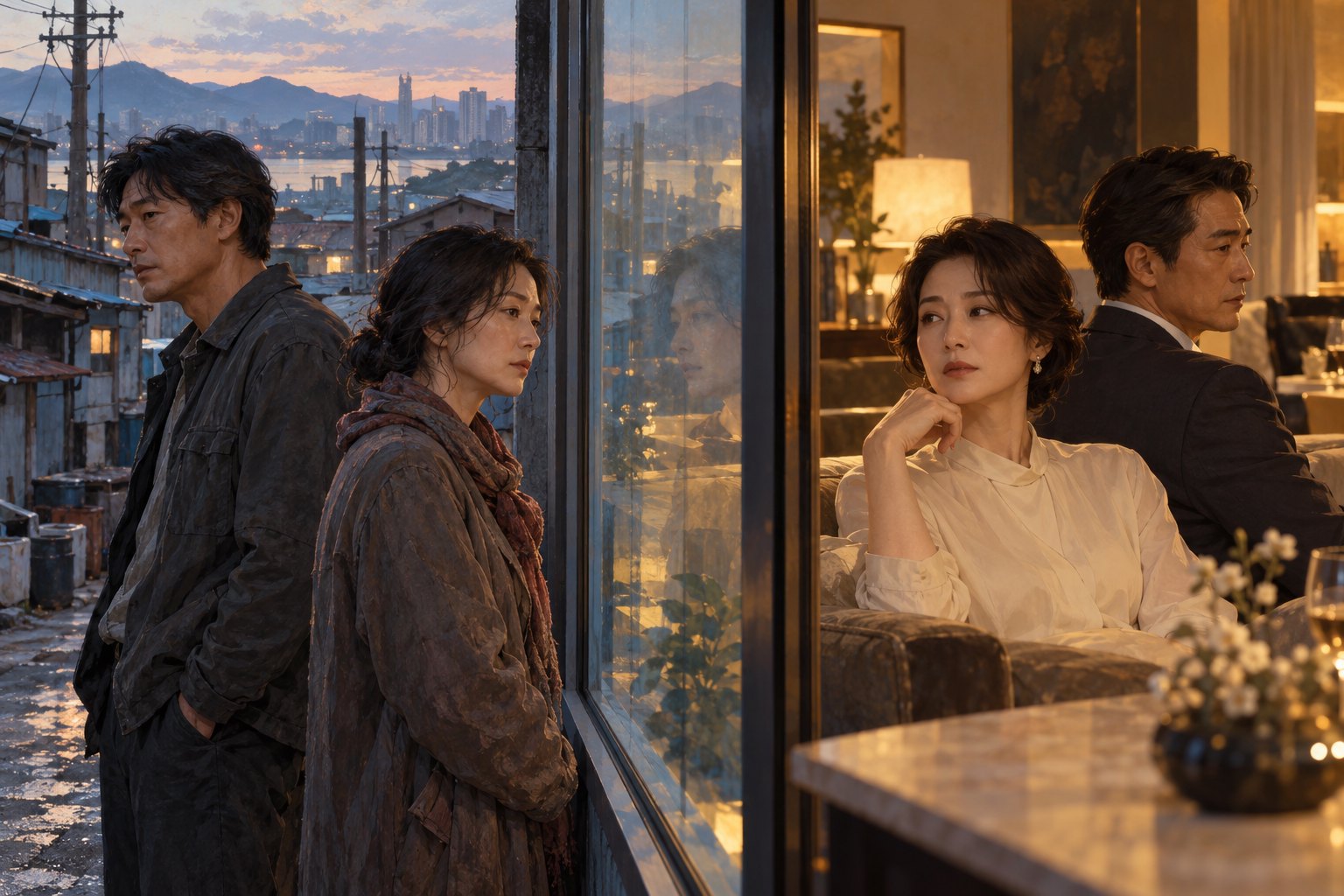
The San Quentin Film Festival is celebrating its third year, with storytelling, creativity, and second chances at the center of coverage from the California Department of Corrections and Rehabilitation. For movie lovers, the occasion invites a question that reaches beyond the celebration: how should we approach films whose surrounding circumstances may shape our response before the opening image?
My view is that taking this festival seriously means bringing curiosity about both people and filmmaking. A meaningful mission deserves attention. The work also deserves close examination of perspective, pacing, performance, and the choices that turn experience into cinema.
This is commentary on the festival’s milestone and its stated themes, rather than a review of its individual selections. No assessment of particular scenes, dialogue, or performances is implied. That distinction matters when the promise of an event is easier to describe than the films themselves.
What a Third Year Means—and What It Cannot Prove
A third year establishes continuity. It gives the San Quentin Film Festival a developing history rather than the identity of a single occasion. That is meaningful for a cultural event organized around creative expression: repetition creates the possibility of returning to the same central questions with different stories and different artistic approaches.
Continuity alone, however, does not establish the size of an audience, the quality of a program, or the lasting effect of participation. Those require their own evidence. The anniversary is a reason to pay attention, not a substitute for evaluating what the festival presents.
There is a useful connection here to the value of a recurring community film series. Returning events can make filmgoing a sustained conversation. San Quentin’s emphasis on second chances adds a particular challenge to that conversation: allowing hope to guide our attention without letting it predetermine our conclusions.
Second Chances Should Leave Room for Complicated Characters
Second chances offer an appealing narrative structure. A person confronts the past, reaches a turning point, and begins again. In a film, that progression can supply clarity and emotional momentum. It can also become too neat, especially when an audience expects a story to deliver reassurance.
A character-centered approach starts with smaller questions. What does this person want right now? What can they understand about their situation? What are they avoiding? Who else must live with the consequences of their choices? These questions make room for contradictions that a broad message about transformation might smooth away.
Consider a hypothetical scene of reconciliation. A speech expressing regret may explain the speaker’s intention, but the other person’s hesitation could carry the scene’s deeper meaning. Does the camera stay with the apology or turn toward the listener? Does the editing allow discomfort to linger? Each choice affects whether reconciliation feels negotiated, assumed, or incomplete.
That example is not a description of a San Quentin selection. It illustrates the kind of attention the festival’s themes invite. A story about change becomes more persuasive when people around its central figure retain their own desires, boundaries, and unresolved feelings.
Understanding a character’s perspective need not settle our judgment of their behavior. The strongest interpretation can hold both attention and accountability together. It can recognize a person’s capacity for change while acknowledging that other people are not obligated to provide a satisfying ending.
Creativity Lives in Decisions, Not Just in Subject Matter
The word creativity can sound abstract in coverage of a meaningful event. In filmmaking, it becomes concrete through decisions: where to place the camera, when to interrupt a shot, whose voice to hear, and which detail to withhold until later.
For that reason, a thoughtful response to the San Quentin Film Festival should leave space for discussion of craft. Describing a work only as moving or inspirational tells readers little about how it communicates. Was its force created by an unbroken observation, a carefully structured contrast, a restrained performance, or an unexpected use of sound?

Editing is especially important to questions of character perspective. Placing two images together can suggest a connection that neither image establishes alone. Holding on a face can give a person time to think; cutting away can redirect our attention toward someone else’s interpretation. Critical discussion should notice these choices instead of assuming that an important subject explains its own impact.
The distinction between an artist’s circumstances and the finished work also informs our discussion of how a filmmaker’s influences become an individual creative voice. Background offers context. Specific formal decisions reveal what the filmmaker does with it.
Respect Includes the Freedom to Make Unexpected Work
One risk in approaching San Quentin’s celebration is expecting every story to explain the festival’s social meaning. That expectation can narrow the creative freedom we claim to value. An audience may become so interested in evidence of transformation that it overlooks humor, imagination, ambiguity, or an artist’s interest in an entirely different subject.
A filmmaker should not have to make every image function as personal testimony. Fiction can explore unfamiliar lives. A quiet observation can remain unresolved. A joke can exist because its timing is good. These possibilities belong within any serious understanding of creativity.
Nor should respectful criticism require automatic praise. A reviewer can identify unclear storytelling or an ineffective structural choice without dismissing the filmmaker’s experience. Equally, technical polish should not be the only measure of achievement. The useful question is whether a choice serves the work’s particular purpose, and the answer needs evidence from the film.
How to Read Coverage of the Festival More Carefully
For readers following the San Quentin Film Festival, several distinctions can make coverage more useful:
- Separate the event’s purpose from a film’s achievement. A festival’s commitment to second chances does not tell us how an individual story develops.
- Look for specific artistic observations. Descriptions of framing, sound, structure, and performance explain more than generalized admiration.
- Notice whose perspective is missing. A central figure’s emotional resolution may leave other people’s experiences unsettled.
- Distinguish an immediate response from a lasting outcome. Feeling moved by a screening and demonstrating broader change are different claims.
These habits do not diminish the celebration. They make it possible to discuss the festival with the precision ordinarily extended to other film events.
The Deeper Stakes: Being Heard Without Being Simplified
The San Quentin Film Festival’s third-year milestone brings a tension into focus: stories can help us recognize another person while also tempting us to reduce that person to a familiar narrative. Redemption is one such narrative. So are tragedy, resilience, and triumph. Each can illuminate experience; each can become a shortcut.
My strongest hope for the conversation surrounding this festival is that it makes room for work that resists those shortcuts. The most revealing film may complicate its opening promise, leave a relationship unfinished, or ask the audience to reconsider an easy first impression.
Second chances have artistic meaning when they include the opportunity to surprise us. Taking San Quentin’s celebration seriously means listening for individual voices—and allowing what those voices create to be more complicated than the occasion’s hopeful message.
Original content by this site's editorial team. Published: October 23, 2026 at 17:42:43 PDT (Los Angeles time)