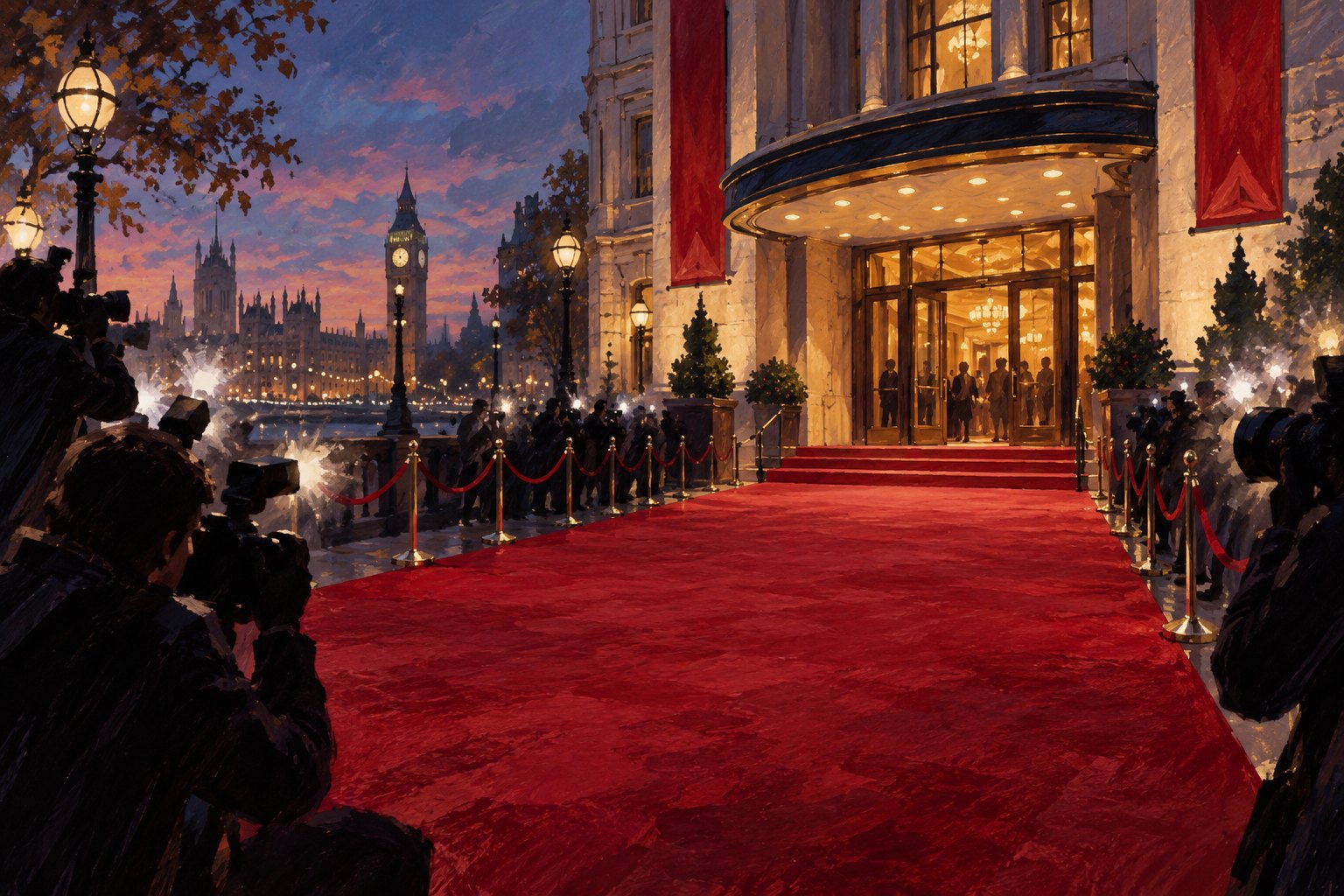
Penélope Cruz and Olivia Colman are among the names featured in WWD’s coverage of celebrity style at the London Film Festival 2026. For readers drawn to the red-carpet photographs, the attraction is immediate: familiar faces, occasion dressing, and the pleasure of watching cinema become a public event. For a movie audience, those images also raise an interesting question. How much of what we expect from a performance begins before the film starts?
The answer deserves more care than a best-dressed verdict. A festival portrait presents an actor in a particular setting, under particular lighting, at a carefully selected instant. It can reward close attention to clothes and composition. It cannot establish what a film means, how a character behaves, or whether a performance succeeds. This is a look at that relationship between red-carpet style and screen storytelling, rather than a review of an individual festival title.
What the Cruz and Colman coverage establishes
WWD’s London Film Festival style coverage identifies Cruz and Colman among its featured celebrities. That gives readers a clear starting point, but it does not by itself establish designer credits, fabrics, jewelry provenance, or the intentions behind an outfit. Those details require specific captions or attributable reporting. A recognizable silhouette is not enough to identify a fashion house, and a photograph alone cannot tell us why someone chose a garment.
There is a useful distinction here between describing and interpreting. Saying that a visible garment creates a broad shoulder line is an observation. Calling that line commanding is a judgment. Saying the actor intended to communicate authority goes further still: it makes a claim about motivation. Good style commentary can be lively without collapsing those three statements into one.
The same restraint applies to the phrase “and more.” A headline naming two actors is not a complete attendance list. Nor should photographs collected under one festival heading automatically be read as showing a single shared appearance. For readers looking for particular stars, the individual image caption matters more than the gallery’s umbrella title.
Why a red-carpet photograph feels like a character introduction
A movie often introduces a character through appearance before dialogue. Clothing, posture, distance from the camera, and the surrounding space help us form an impression. Red-carpet photography activates some of those same habits. We notice a face, read a stance, and begin attaching adjectives: relaxed, imposing, playful, guarded.
That response is understandable, but the photograph supplies very little narrative evidence. An expression caught between poses can look solemn without recording sadness. A turned shoulder may organize the clothes beautifully without revealing reluctance. When looking at images of Cruz or Colman, the most interesting critical move is to notice our interpretation without treating it as access to the person.
My view is that red-carpet coverage becomes more rewarding when it describes the image’s effect precisely. Does the composition emphasize the face or the outfit? Does the background make the silhouette legible? Does the framing suggest movement or stillness? These questions produce richer observations than assigning a personality to someone on the basis of one frame.
How to look closely at festival style
You do not need to recognize a collection to enjoy fashion photography. A few concrete visual questions can help readers move beyond an instant thumbs-up or thumbs-down:
- Start with proportion. Look at the relationship between shoulders, waist, hem, and the space around the figure. Describe the garment’s shape without evaluating the wearer’s body.
- Separate color from lighting. Flash, shadow, and reflected surroundings can change how a shade appears. A photograph records a lighting situation as well as an outfit.
- Notice texture cautiously. A surface may appear glossy, matte, soft, or structured. Identifying its exact material requires more than resemblance.
- Consider the whole frame. Cropping can remove shoes, a train, or the surroundings that explain a gesture. A close portrait and a full-length image answer different questions.
- Keep preference personal. “I find this balance effective” is a defensible judgment. Presenting taste as an objective verdict makes the discussion less useful.
Applied to the London coverage, this approach allows Cruz and Colman to remain individual subjects rather than contestants in an invented rivalry. Two looks can work through different visual choices. There is no editorial necessity to manufacture a winner.
The actor’s clothes and the character’s clothes do different jobs
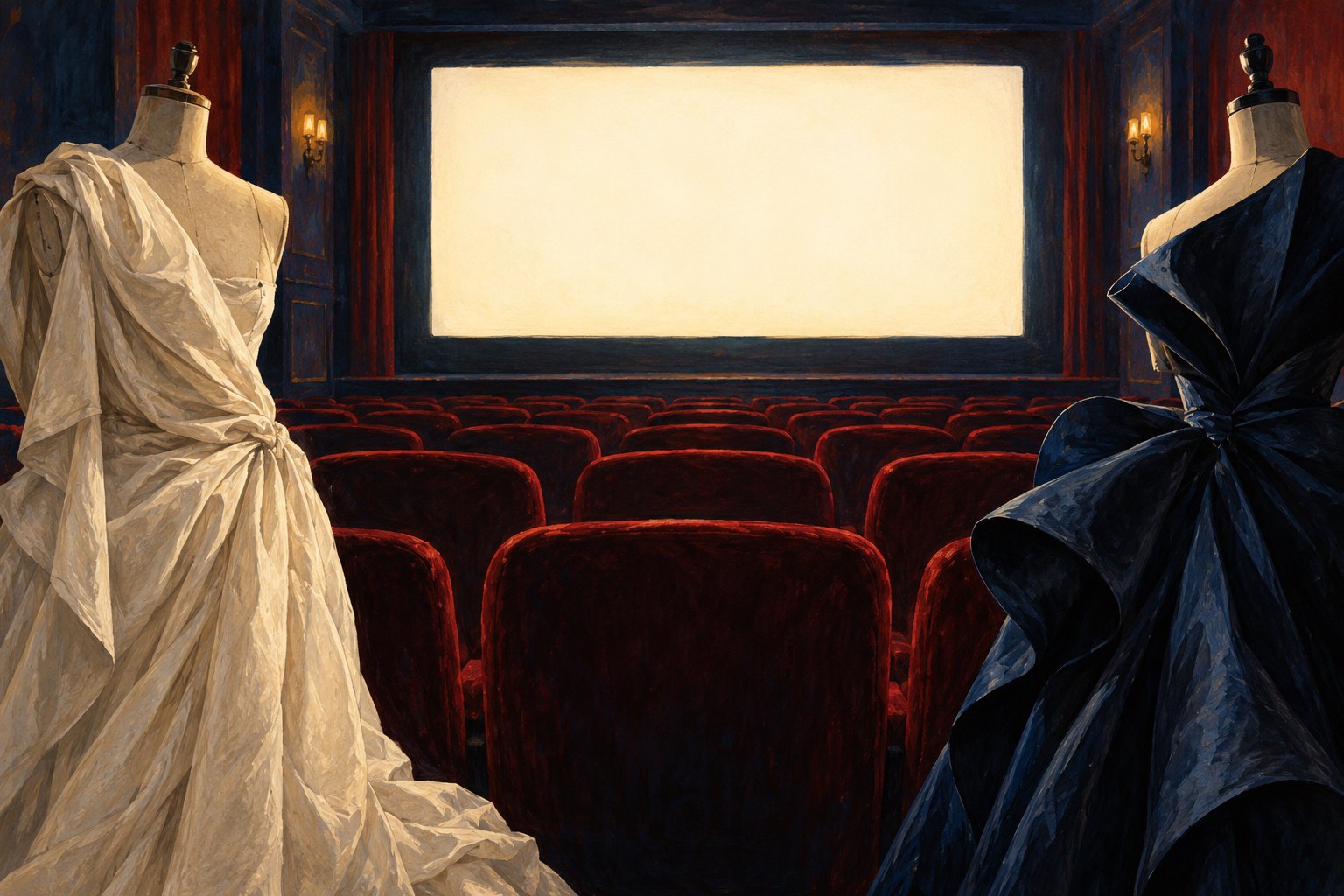
Festival dressing exists around a film. Costume exists within its dramatic world. Both deserve thoughtful attention, but their meanings develop differently. A red-carpet outfit can be appreciated as a complete visual arrangement. A character’s clothing may gain significance only after we understand what that person wants, fears, or cannot afford to reveal.
From a character’s perspective, clothing can be practical, aspirational, protective, or imposed. The useful questions are specific: Who chose it within the story? What does wearing it permit? What does it make uncomfortable? Does the character dress for belonging, escape, work, or someone else’s approval? Those answers must come from the film’s actual scenes.
That concern with belonging also informs our discussion of outsider perspective in The Guest. Appearance becomes dramatically meaningful when a story shows its consequences. A premiere photograph cannot supply those consequences for a character played by Cruz, Colman, or anyone else.
It is therefore premature to call a festival outfit an extension of a role without a documented connection. Visual resemblance can be an interesting possibility to investigate. It is not, on its own, evidence of deliberate costume references or hidden messages.
When celebrity attention helps viewers discover a film
There is nothing inherently superficial about first noticing a movie through an actor’s photograph. Curiosity has to begin somewhere. A striking portrait can prompt a reader to learn a title, investigate its premise, and eventually buy a ticket. The valuable transition happens when attention moves from recognition to interest in the work.
For a film publication, that means making the next question more useful than “Who looked best?” What project brought this person into the conversation? Whose experience does it explore? What can a verified synopsis establish, and what remains for a screening to reveal? These questions turn celebrity coverage into an entry point for movie discovery.
The importance of guiding that discovery also runs through our commentary on film curation and audience access. Selection and presentation influence which movies reach our attention. A red-carpet gallery performs a smaller version of that function whenever a familiar face makes an unfamiliar title worth investigating.
What remains after the photographs
The deeper interest in the London Film Festival’s Cruz and Colman coverage lies in the space between visibility and understanding. Publicity makes an actor instantly recognizable. A performance asks us to spend time with someone whose motives may remain difficult to read. One offers an immediate impression; the other can complicate it scene by scene.
My preference is for festival commentary that preserves both pleasures: looking closely at style and remaining open to surprise on screen. Enjoy the construction of a photograph, question the assumptions it invites, and let a film earn its interpretation through character, action, and consequence. The red carpet can begin the conversation. The performance should have room to change it.
Original content by this site's editorial team. Published: October 9, 2026 at 17:45:04 PDT (Los Angeles time)