Paramount’s next Star Trek movie is drawing attention for a reported major genre shift. The immediate question is what kind of movie that means. The information established here does not identify the new genre or explain how it will shape the story. Comic Book Resources describes a significant change in direction, but that alone cannot establish the film’s tone, characters, or dramatic ambitions.
What it does invite is a worthwhile discussion about the franchise’s future. A different genre could change how audiences experience discovery, danger, and cooperation. My hope is that the change reaches the characters’ decisions, rather than stopping at the lighting, pacing, or promotional language.
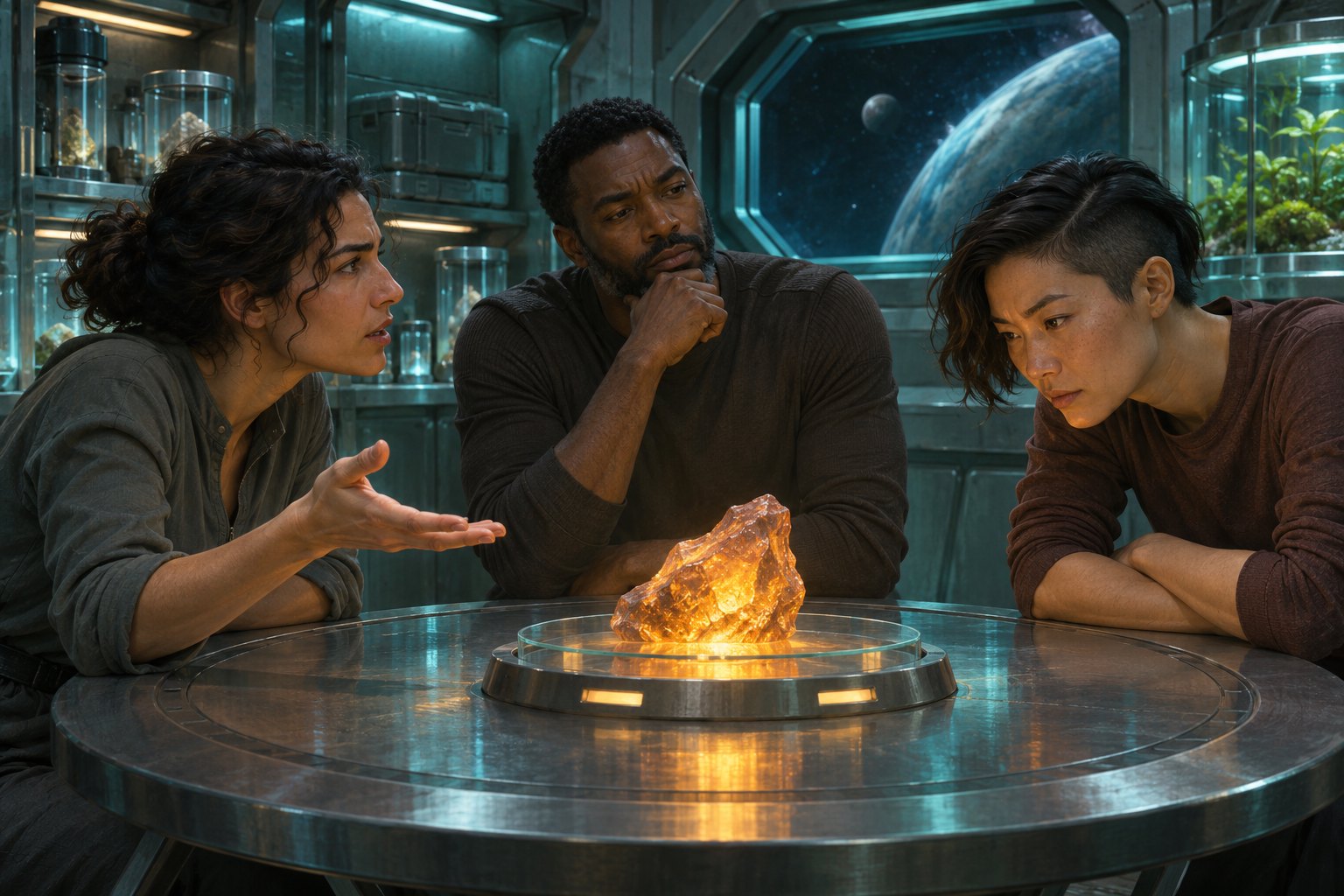
This is spoiler-free critical commentary on the reported direction, not a review of a completed film. The accompanying images are conceptual illustrations, not official production images.
What the Genre-Shift Report Actually Establishes
The central distinction is between a report about creative direction and evidence of how a movie executes it. A genre description can suggest the experience filmmakers intend to deliver. It cannot demonstrate whether the screenplay sustains that experience, whether performances make it convincing, or whether the ending earns its emotional payoff.
There is not enough verified information here to assign the next Star Trek movie a specific genre, describe its plot, quote its dialogue, or assess individual performances. Comedy, horror, and thriller scenarios discussed below are possibilities used to explain the stakes of changing genres; they are not claims about Paramount’s plans.
That boundary matters because an announcement can become a different story through repetition. A promise of change becomes an assumed premise, and an assumed premise becomes a verdict on a movie audiences have not evaluated. The useful response is to identify what a change would need to accomplish.
A New Genre Should Change the Characters’ Problems
Genre is more than atmosphere. It organizes what characters know, what they fear, and which choices remain available. A mystery makes incomplete knowledge central. A thriller places decisions under pressure. Comedy can expose the distance between someone’s confidence and their understanding. Horror can make familiar skills suddenly inadequate.
For Star Trek, the richest version of such a shift would challenge competence without making competence meaningless. Watching capable people encounter something beyond their experience can be compelling. Watching them overlook obvious solutions merely to prolong suspense is usually frustrating.
Consider a hypothetical first-contact problem. A suspense-driven treatment might withhold another civilization’s intentions. A comic treatment might reveal that the explorers misunderstand a social convention. Both could test the same underlying quality: whether someone can recognize a mistaken assumption and change course. The genre alters the pressure; characterization determines whether the response matters.
This is also why the ensemble deserves as much attention as the central premise. Our discussion of the challenge of building a convincing screen team raises a related issue: a group becomes dramatically interesting when its members contribute different judgments, rather than simply different abilities.
Let the Crew Disagree for Understandable Reasons
From a character-centered perspective, the most promising conflict would give competing positions genuine weight. One person might prioritize the safety of the crew; another might see withdrawal as abandoning people who need help. Neither position needs to be foolish for the disagreement to become urgent.
A screenplay weakens that tension when it secretly loads the argument in one character’s favor. If the cautious officer is always cowardly or the compassionate officer always correct, debate becomes a delay before the predetermined answer. More persuasive drama lets a good principle produce an uncomfortable consequence.
For the next Star Trek movie, that would make a genre change meaningful at the human level. Fear could test openness. Embarrassment could test authority. Urgency could test a commitment to listening. These are possibilities for characterization, not predictions about particular scenes.
Humor and Suspense Both Depend on Respect
If the new approach emphasizes humor, the crucial question would be who becomes the joke. Comedy can humanize experts by revealing vanity, awkwardness, or misplaced certainty. It becomes less engaging when it suggests that caring about the mission is itself embarrassing. Characters can be funny while taking their responsibilities seriously.
Timing also matters. A joke following a frightening experience might reveal how someone manages stress. The same joke interrupting another character’s grief might erase an emotion the film has asked viewers to invest in. A lighter tone does not remove the need for consequences.
If the approach instead emphasizes fear or suspense, the corresponding question would be whether uncertainty leads anywhere. Withholding information can generate tension, but eventually discovery should change the crew’s understanding. Endless ominous corridors would offer diminishing returns if each revelation merely confirms that something dangerous is nearby.
In either case, the audience needs reasons to respect the people navigating the story. Their mistakes should emerge from recognizable limitations. Their achievements should follow from observation, effort, or an earned change of mind.
The Visual Style Must Make Decisions Legible
A genre shift would also create opportunities in staging and editing. A room can feel collaborative when the camera holds several people in the same frame. Isolating those people in separate shots can emphasize mistrust or uncertainty. Neither approach is inherently better; its value depends on the relationship the scene is developing.
Action offers a similar test. Viewers should understand what a character is trying to achieve, what blocks the attempt, and what success might cost. Without that clarity, scale can conceal the absence of meaningful choices.
Our analysis of what makes a major visual-effects sequence matter explores the connection between spectacle and dramatic purpose. The relevant standard here is equally concrete: an impressive image should help us understand the predicament, not simply decorate it.
What Would Make the Change Worthwhile?
When there is enough material to judge the film, three questions will be more useful than whether it feels sufficiently different:
- Does the genre expose something specific about the characters? Pressure should reveal more than a generic capacity for bravery.
- Does new knowledge change their behavior? Discovery becomes dramatic when it forces a revised decision.
- Does the resolution follow from the relationships the film has developed? Cooperation needs preparation if it is going to provide emotional satisfaction.
These standards leave room for considerable reinvention. A story does not need a familiar rhythm to offer recognizable values. It does need to make those values visible through action, especially when following them becomes inconvenient.
The Deeper Opportunity: Make Curiosity a Difficult Choice
My strongest interest in this reported shift is the possibility of making curiosity feel demanding. Wanting to explore is easy when the unknown promises wonder. Continuing to listen when it produces fear, confusion, or wounded pride is a more revealing test of character.
That is where a new genre could give the next Star Trek movie real purpose. It could make the desire to understand another perspective compete with the desire for immediate safety or certainty. The dramatic payoff would come when a character recognizes that understanding requires surrendering an assumption they would rather keep.
Paramount’s next Star Trek movie will ultimately have to justify its direction through scenes, performances, and consequences. For now, the reported change is an opening for discussion. The most exciting outcome would be a film whose unfamiliar shape lets us see its people more clearly.
Original content by this site's editorial team. Published: November 8, 2026 at 15:37:47 PST (Los Angeles time)