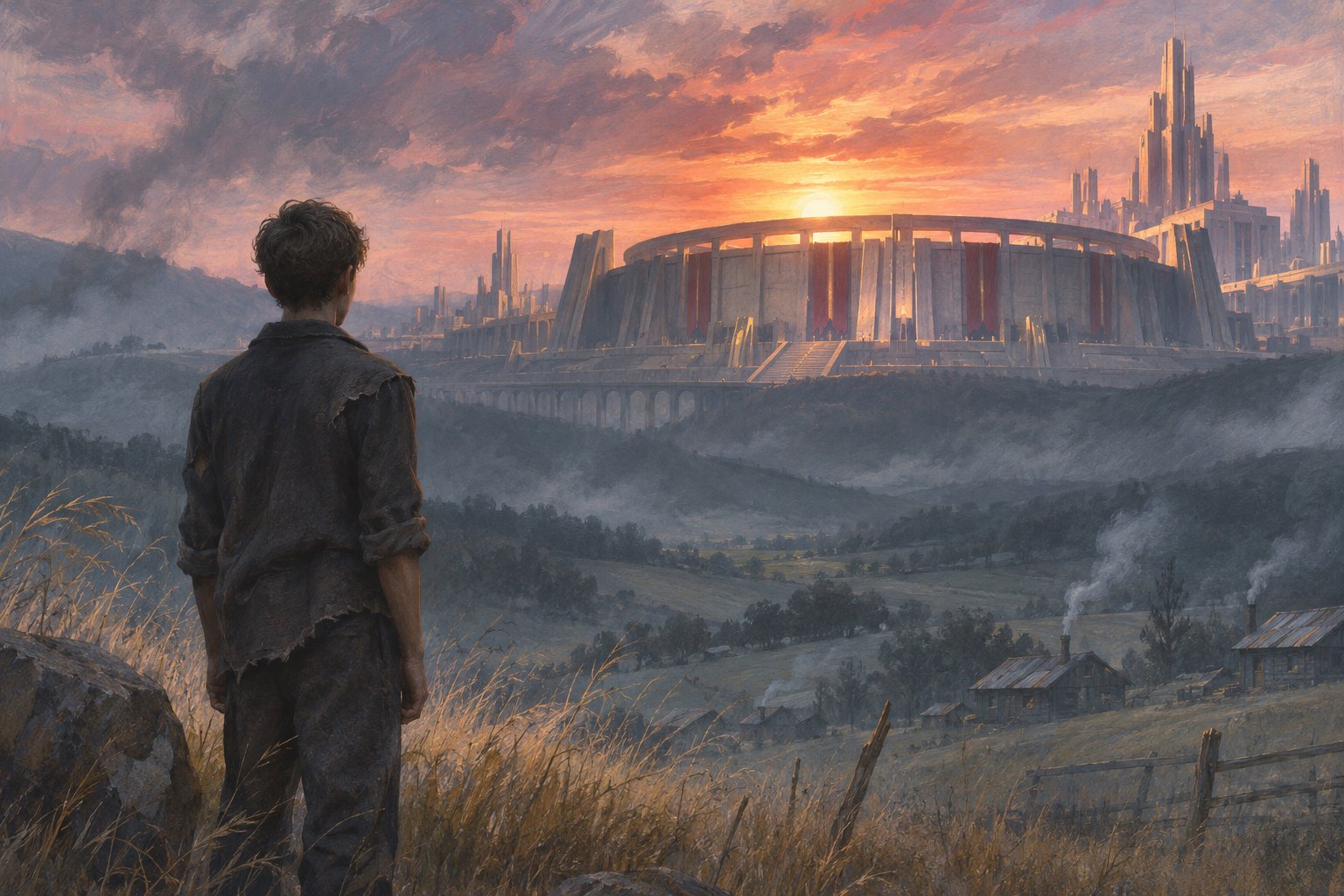
Morehead State University is highlighting student filmmakers through Mountain Frame, a film event that brings attention to their creative work. For viewers interested in discovering developing voices, the appeal is straightforward: an opportunity to think about filmmaking at the point where individual choices begin to become an artistic identity.
The university’s announcement establishes the event’s name and student-filmmaker focus. It does not, on that basis alone, establish the quality of any particular film. This is a critical commentary on the significance of that spotlight and how to approach the work it celebrates, rather than a review of films screened at Mountain Frame. Individual titles, plots, dialogue, and performances cannot responsibly be evaluated without access to them.
Our view is that student filmmaking deserves the same attentive curiosity that makes any movie worth discussing. That means looking past the reassuring label of emerging talent and asking a more substantial question: what does a filmmaker help us notice about another person?
What Mountain Frame’s Student Focus Makes Possible
A university highlighting its filmmakers gives audiences a reason to encounter work they might otherwise overlook. That attention has value even before anyone starts predicting careers or identifying future stars. A film can matter because of the experience it creates now, without needing to serve as an audition for something bigger.
Mountain Frame’s student focus also provides a useful starting point for criticism. The work should be approached with an awareness that its makers are developing their craft, but development is not an aesthetic category. Some choices may be confident; others may feel unresolved. Neither result should be assumed from the filmmakers’ educational status.
The most useful response is specific. Admiring a film’s ambition means more when we can identify the difficult perspective it attempts, the uncomfortable emotion it sustains, or the relationship it makes believable. Similarly, identifying a weakness becomes constructive when we can explain where our understanding broke down.
Start With the Character’s Experience
For narrative work, a productive first question is what the central character wants in a particular scene. The answer need not involve a dramatic objective. Someone might want to avoid embarrassment, conceal disappointment, or prolong a conversation that is almost over. Small intentions can give an apparently ordinary encounter its shape.
Then consider what the film allows us to know. Do we understand the situation before the character does? Are we confined to their uncertainty? Does another person remain difficult to read? These decisions determine whether a scene produces suspense, sympathy, discomfort, or distance.
Consider a hypothetical exchange in which one person asks another to stay. A close-up of the speaker might emphasize vulnerability. Holding on the listener could turn the same words into a study of hesitation or obligation. This is an illustrative example, not a description of a Mountain Frame film. It shows why character analysis depends on images and timing as much as on the screenplay.
That emphasis on emotional specificity also informs our discussion of how a familiar premise can become a convincing character story. Recognition may attract attention, but behavior gives an audience something to interpret.
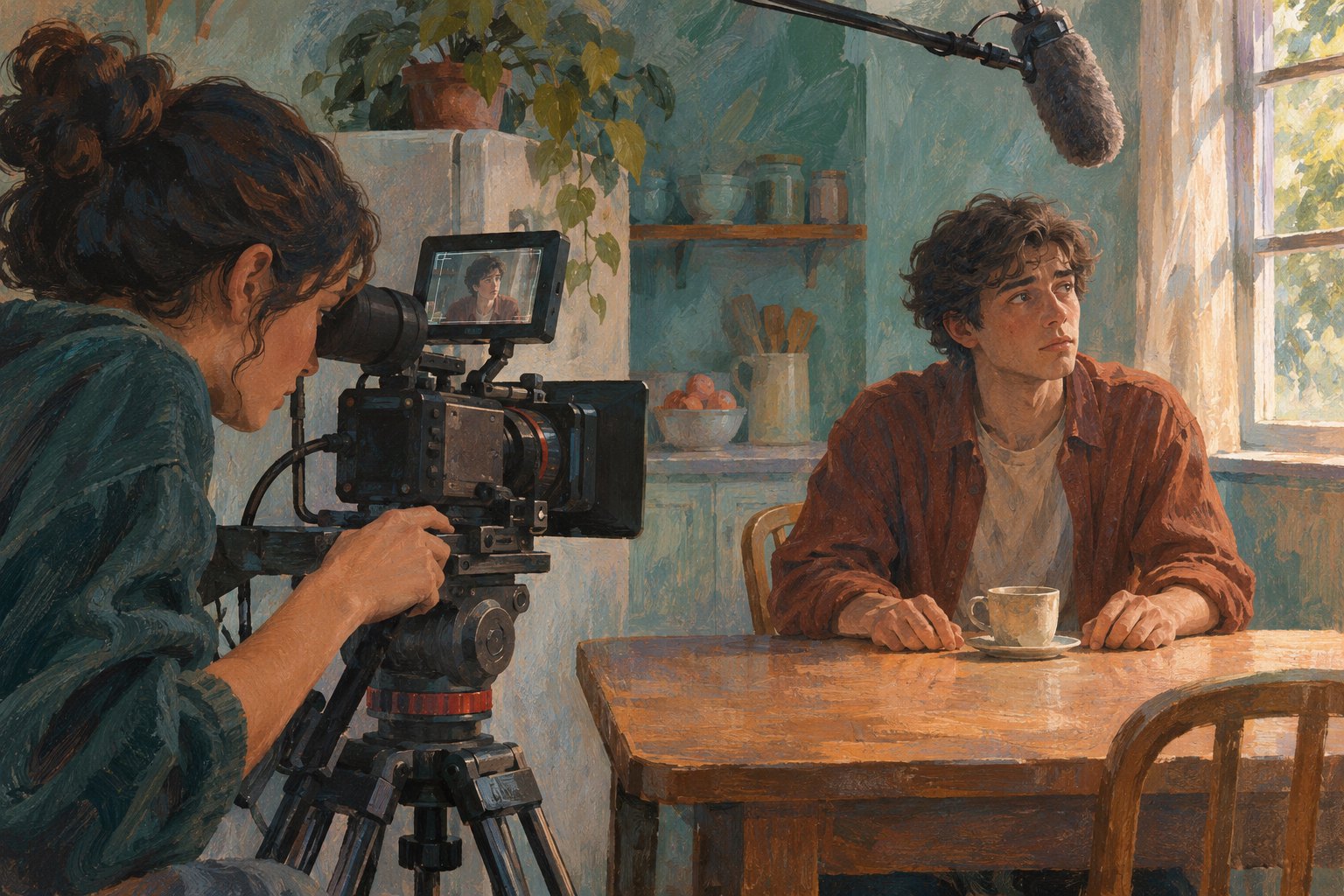
Watch What Happens Around the Dialogue
A memorable line earns its force through context. Who says it, what they risk by saying it, and how another person responds can matter more than the sentence’s apparent wisdom. Because no dialogue from Mountain Frame’s films is established here, attributing quotations to them would manufacture the very evidence a review needs.
Instead, viewers can listen for the relationship between words and behavior. Does a character answer the question they were asked? Does a joke interrupt a difficult admission? Does someone repeat information because they are frightened, or because the screenplay does not trust the audience to understand?
Silence deserves equally careful attention. A pause can reveal thought, but duration alone does not create depth. Look for a change within it: a shift in posture, a withheld glance, an adjustment in physical distance. The question is whether the moment develops our understanding of the person.
Judge Craft by Its Effect on the Story
It is tempting to evaluate student work through visible production polish. A smooth camera move or elaborate lighting setup can announce technical confidence. Yet the more revealing test is whether the technique makes the scene more precise.
Framing and performance
Notice how much freedom a shot gives the performer. A wider composition can let a relationship unfold through movement and distance. A tight frame can make a fleeting expression decisive. Neither is inherently more cinematic; the useful question is what becomes legible through the choice.
Editing and attention
A cut directs attention and controls when information arrives. Ask whether it interrupts a developing reaction or reveals something at exactly the moment it becomes necessary. Fast cutting does not automatically create urgency, just as a long take does not automatically create intimacy.
Sound and emotional space
Listen beyond the score. Background noise can establish a space, suggest activity outside the frame, or make a private exchange feel exposed. Music may deepen an emotion, but it can also prescribe a response that the performances have not yet earned. These are standards to bring to a screening, not findings about Mountain Frame’s selections.
Give Emerging Filmmakers Useful Attention
For anyone watching work associated with Mountain Frame, a few concrete questions can keep the response grounded:
- Which moment most clearly revealed what a character wanted?
- Where did an image or sound change your interpretation?
- Was uncertainty productive, or was essential information missing?
- Did the ending develop an earlier choice, image, or relationship?
- What stayed with you after the immediate reaction faded?
These questions leave room for unfamiliar forms. If a film does not organize itself around a conventional protagonist, consider what structures the experience instead: repetition, observation, a visual motif, or changes in rhythm. A viewer can ask for coherence without demanding that every film tell the same kind of story.
They also make discussion more generous and more exact. Explaining that a reaction shot changed your understanding gives a filmmaker something concrete to consider. The distinction between appreciating one element and judging the whole is explored further in our commentary on performance and a film’s overall achievement.
The Larger Value of Mountain Frame
The strongest case for Morehead State’s spotlight is that student filmmakers deserve to have their choices noticed. Public recognition can invite that attention; thoughtful viewing supplies its substance. Neither automatic praise nor premature career predictions can substitute for engagement with the work.
Our interpretation of Mountain Frame’s significance begins there. Highlighting filmmakers makes room for a conversation about whose experiences become visible and how images give those experiences form. The films themselves must determine the eventual verdict. The worthwhile first step is to watch closely enough that the verdict has reasons.
Original content by this site's editorial team. Published: November 24, 2026 at 11:50:12 PST (Los Angeles time)