Miles & Juliette has its first photo, according to Deadline’s announcement. For readers looking for the immediate news, that is the essential development: an image has been unveiled for the Miles Davis film. It offers a new point of interest in a project whose title already makes an intriguing editorial choice. Miles shares the billing with Juliette.
That choice invites a question more useful than whether a performer can reproduce a famous face: how much room will this story make for two individual perspectives? A film named for two people creates an expectation that both will matter beyond the impression they leave on each other. For a movie involving an artist as recognizable as Davis, fulfilling that expectation could be its most consequential dramatic challenge.
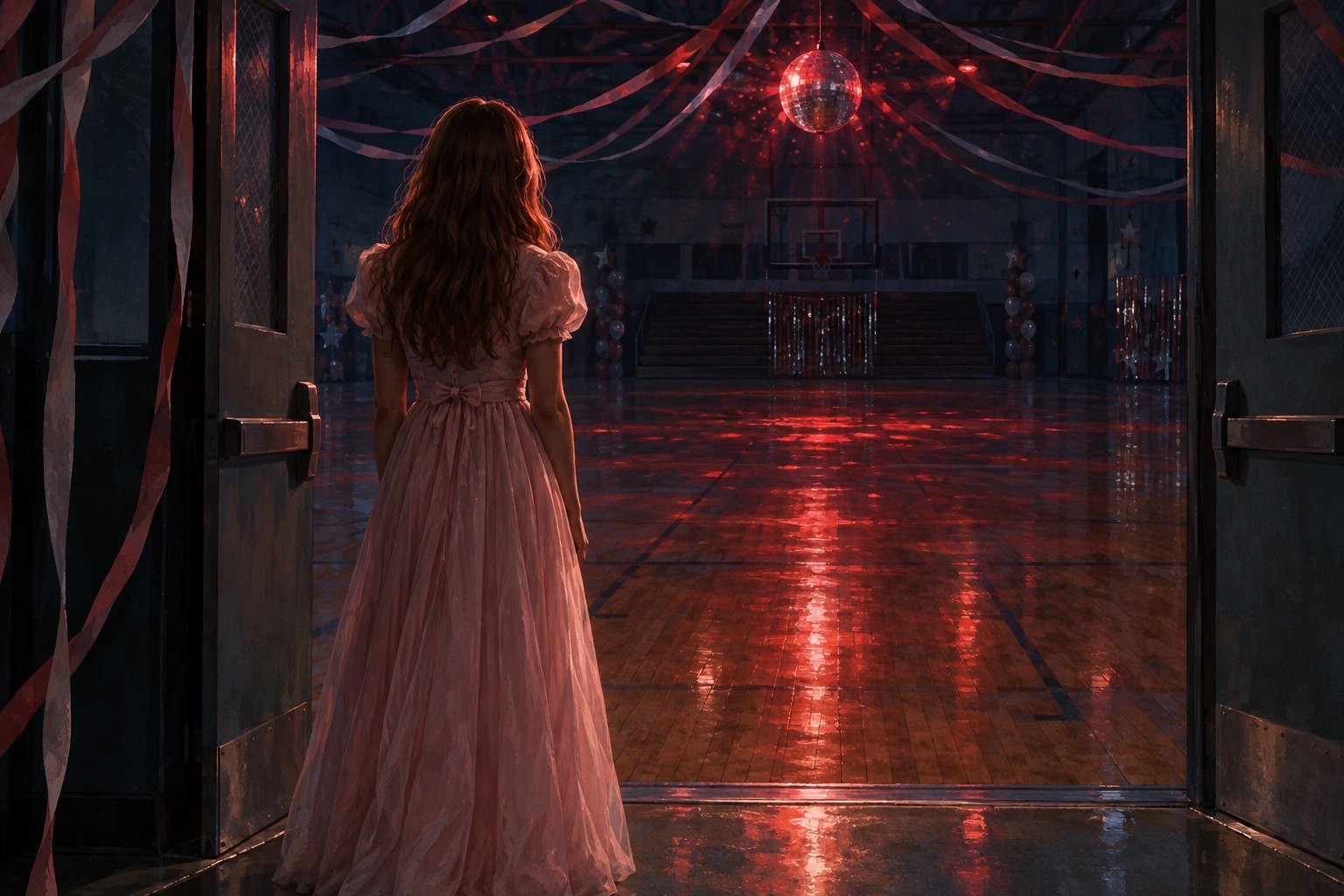
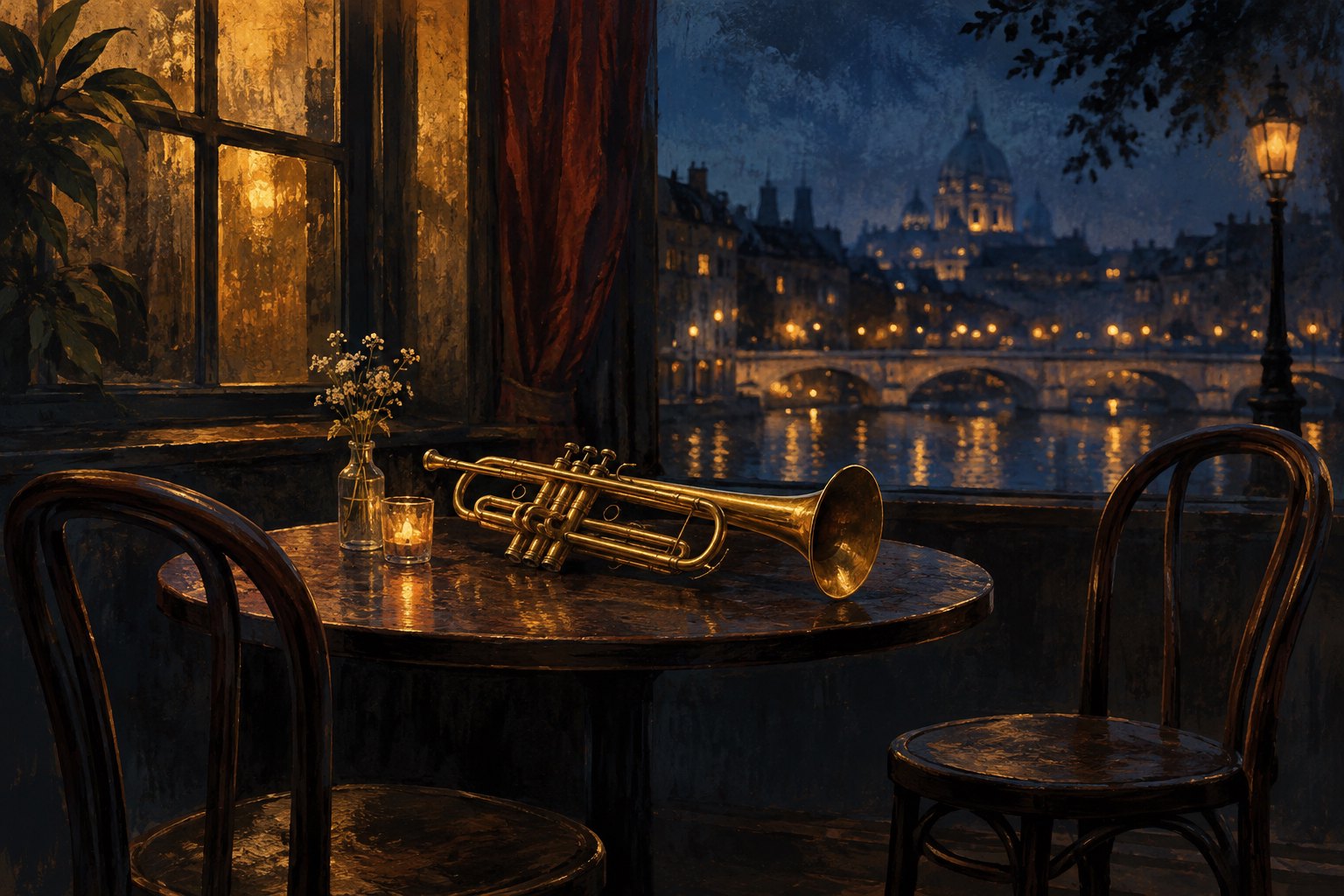
This is spoiler-free preview commentary, not a review of the finished film. The photo announcement does not establish the movie’s scene-by-scene content, dialogue, or ending. The discussion below concerns the possibilities suggested by the project’s title and subject; it does not attribute unverified events or conversations to the screenplay. The accompanying illustrations are thematic editorial artwork, not official production stills.
What the first-photo announcement actually tells us
A first image gives a film a visual foothold in the public imagination. Before audiences can judge movement, speech, rhythm, or performance, they encounter a selected instant. That instant can generate curiosity, but it cannot carry the evidentiary weight of a trailer, much less a complete film.
The distinction matters particularly for a biographical movie. Viewers may respond immediately to a silhouette, an instrument, or a familiar expression. Recognition is a powerful opening gesture. It remains separate from the harder achievement of creating someone whose decisions feel specific and whose inner life becomes legible over time.
Here, the announcement supports the existence of a first photo. It does not support a verdict about the actors’ chemistry, the film’s historical accuracy, or the quality of its music sequences. Nor should the unveiling itself be treated as confirmation of a release date or viewing availability.
That is also the useful distinction in our discussion of what early production news can tell viewers about Jonah: the beginning of a film’s public life provides reasons to follow it, while a judgment about its success requires the work itself.
Why the two-name title is worth taking seriously
Miles & Juliette sounds more intimate than a title built around a surname, a famous recording, or a declaration of greatness. That is an interpretation of its wording, not a confirmed account of its narrative structure. Still, titles establish expectations, and this one puts a conjunction at the center of its promise.
For me, the most interesting possibility is a film in which neither person exists merely to explain the other. A supporting character can receive substantial screen time and still have little independence if every conversation returns to the central artist’s talent, suffering, or future. Equal importance is measured through meaningful choices, not simply minutes on screen.
A convincing shared portrait would allow each person to misunderstand something, want something, and protect something. Their interaction would then produce drama because those desires do not automatically align. Affection becomes more interesting when it encounters a distinct personality rather than an endlessly accommodating witness.
Whether this film achieves that remains an open question. But the title gives audiences a reasonable standard to bring to it: Juliette should matter as a person within the story, with a perspective that can change how we understand Miles without being exhausted by that function.
Looking at Miles without letting fame write every scene
Biographical storytelling carries an unusual imbalance. The audience may know a subject’s eventual significance, while the person depicted in a particular moment cannot know how that moment will be remembered. If a screenplay lets hindsight dominate, ordinary actions start to resemble announcements of future greatness.
For a Davis portrait, the richer approach would be to preserve uncertainty. A character can be talented without understanding every consequence of his choices. He can command attention in one setting and struggle to communicate in another. Those contradictions give an actor something to play beyond the outward signs of importance.
The question is therefore less whether the movie explains a legend than whether it lets us spend time with a person. Does a pause arise from thought, resistance, distraction, or discomfort? Does the character listen differently depending on who is speaking? Such distinctions emerge through duration and context, which is precisely why a still photograph cannot settle them.
Our analysis of how screen portraits construct a public figure considers a related problem: making a subject recognizable and making that subject understandable are separate achievements. A dramatic portrait needs its own persuasive account of the distance between them.
Music should reveal how people relate
A film about a musician has an expressive resource that can also become a shortcut. Music can immediately supply excitement, melancholy, or prestige. Yet a beautiful passage on the soundtrack does not necessarily tell us anything new about the person hearing or performing it.
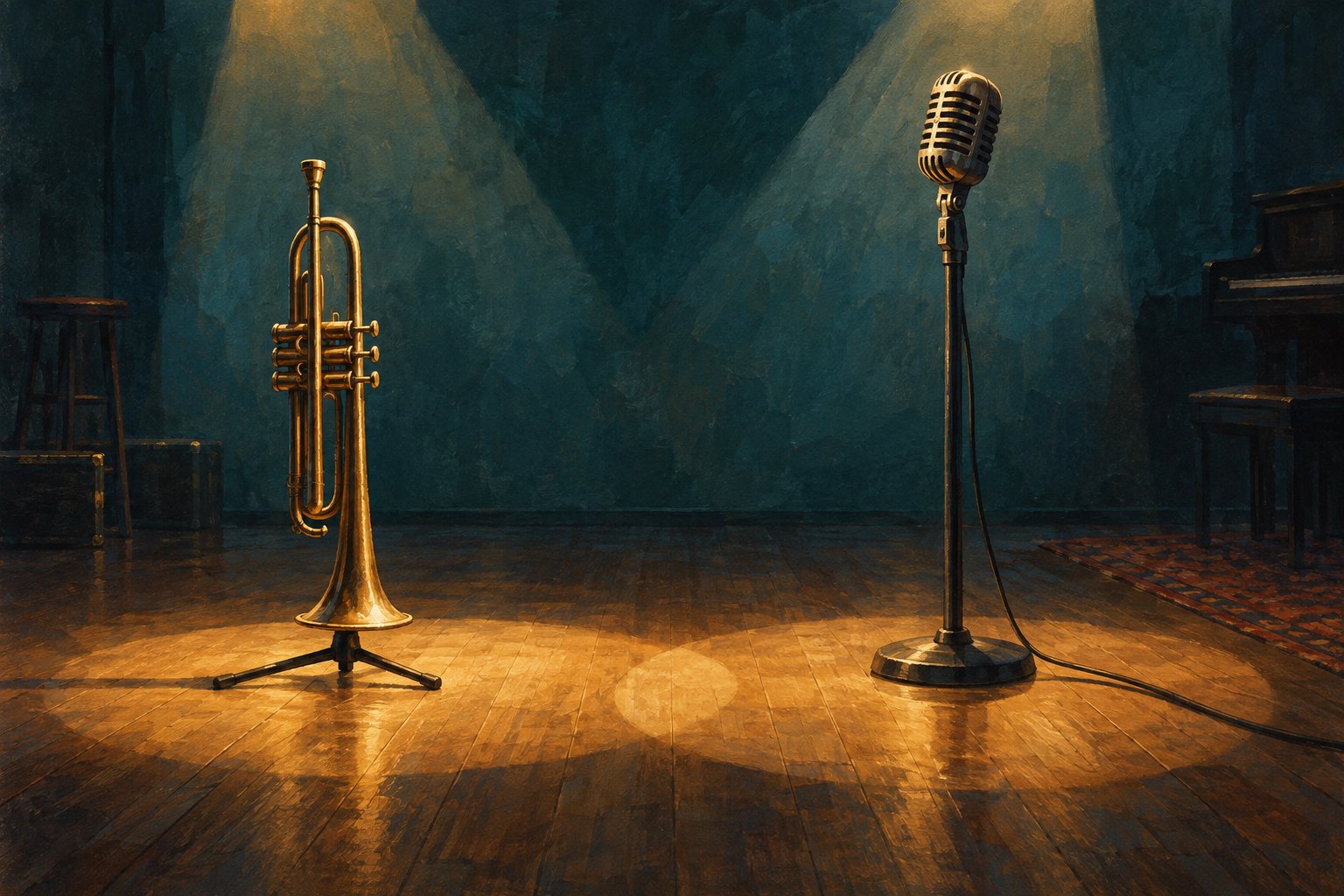
One useful test for future footage is whether music changes an interaction. A performance might draw two people closer, interrupt a conversation, or expose a difference in what they value. Those are examples of dramatic possibilities, not descriptions of scenes confirmed to appear in Miles & Juliette.
Listening deserves equal attention. A camera that stays with a listener can suggest pleasure, concentration, impatience, or an interpretation the performer never intended. That creates a second center of experience. In a story whose title pairs two people, the listener’s response could be as revealing as the performer’s command of the room.
Dialogue requires the same care. Memorable lines become meaningful through who says them, what they risk, and how someone else responds. Without verified film dialogue, attaching a celebrated quotation to this project would confuse familiarity with evidence. Its eventual words deserve to be heard in their actual dramatic setting.
The deeper promise: being known by another person
The most compelling possibility suggested by Miles & Juliette is a distinction between public recognition and private understanding. An audience can recognize an artist’s stature without knowing how that person behaves when admiration is insufficient, disagreement persists, or another person needs attention.
A shared portrait can explore that territory by allowing intimacy to complicate the familiar image. Someone close to a celebrated figure may see qualities the public overlooks, but that person also brings limitations and desires of their own. Neither perspective has to become the final explanation.
That is the standard I would bring to the finished film: whether Miles and Juliette become more particular, more surprising people through their encounters. The first-photo announcement gives viewers a reason to watch for what comes next. The title offers the more interesting promise—two lives whose meeting deserves attention on both sides.
Original content by this site's editorial team. Published: October 10, 2026 at 16:10:32 PDT (Los Angeles time)