
The best way to watch every James Bond movie from Sean Connery through Daniel Craig is theatrical release order: begin with Dr. No and finish with No Time to Die. That means 25 films in the main Eon-produced series. For a complete theatrical tour, add the independent Casino Royale from 1967 and Never Say Never Again from 1983.
Release order also offers something a rearranged timeline cannot: the pleasure of watching different actors reinterpret the same seemingly indestructible man. The gadgets change, but the more revealing question is what happens when someone gets close enough to hurt him.
The 25 main-series James Bond movies in release order
Use this checklist for the central series. Keep George Lazenby’s film between Connery’s fifth and sixth outings; grouping everything strictly by actor would disrupt the release sequence. The titles, years, and lead actors follow [Amazon’s release-order film list](https://www.aboutamazon.co.uk/news/entertainment/watch-james-bond-movies-in-order-prime-video).
- Dr. No (1962) — Sean Connery
- From Russia with Love (1963) — Sean Connery
- Goldfinger (1964) — Sean Connery
- Thunderball (1965) — Sean Connery
- You Only Live Twice (1967) — Sean Connery
- On Her Majesty’s Secret Service (1969) — George Lazenby
- Diamonds Are Forever (1971) — Sean Connery
- Live and Let Die (1973) — Roger Moore
- The Man with the Golden Gun (1974) — Roger Moore
- The Spy Who Loved Me (1977) — Roger Moore
- Moonraker (1979) — Roger Moore
- For Your Eyes Only (1981) — Roger Moore
- Octopussy (1983) — Roger Moore
- A View to a Kill (1985) — Roger Moore
- The Living Daylights (1987) — Timothy Dalton
- Licence to Kill (1989) — Timothy Dalton
- GoldenEye (1995) — Pierce Brosnan
- Tomorrow Never Dies (1997) — Pierce Brosnan
- The World Is Not Enough (1999) — Pierce Brosnan
- Die Another Day (2002) — Pierce Brosnan
- Casino Royale (2006) — Daniel Craig
- Quantum of Solace (2008) — Daniel Craig
- Skyfall (2012) — Daniel Craig
- Spectre (2015) — Daniel Craig
- No Time to Die (2021) — Daniel Craig
Where the two independent Bond movies belong
Casino Royale (1967) is a spy spoof featuring David Niven as Sir James Bond, with other performers also adopting the Bond identity. It is neither an earlier chapter of Craig’s story nor required preparation for his 2006 film. For strict theatrical ordering, place it between Thunderball and You Only Live Twice.
Never Say Never Again (1983) brings Connery back in a separate adaptation of the Thunderball material. Watch it after Octopussy and before A View to a Kill if you want all 27 theatrical releases. Treat both independent films as side trips rather than missing chapters in the main continuity. [Rotten Tomatoes’ complete theatrical guide](https://editorial.rottentomatoes.com/guide/james-bond-movies-in-order/) includes these two additional entries.
Does Bond have a single chronological timeline?
Not one that rewards forensic rearrangement. The Connery-to-Brosnan films preserve recurring relationships and occasional personal history while allowing the world, technology, and lead actor to change. Think of them as adventures with flexible continuity, rather than a biography whose dates must reconcile.
Craig’s Casino Royale starts a new continuity with Bond becoming a double-0 agent. Its earlier position in his personal career does not make it a prequel to Connery’s films. For a shorter introduction, watch Craig’s five movies in the order listed above. Quantum of Solace particularly benefits from following Casino Royale without a long break, since its emotional business remains unfinished.
When finding a copy, check the title and year together, especially for Casino Royale. Subscription inclusion, rental options, and regional availability should be checked separately from viewing order.
What each Bond era reveals about the character
Spoiler warning: The following criticism discusses major relationship developments, including the endings of On Her Majesty’s Secret Service and Casino Royale.
Connery: confidence as a working method
Connery makes Bond’s composure feel practical. The pause before an answer, the watchful expression beneath the flirtation, and the sudden shift into violence suggest someone constantly assessing an advantage. “Bond, James Bond” works because the introduction sounds less like self-promotion than a statement he expects the room to accept.
My preference is to watch these films with an eye on how often apparent leisure becomes work. A casino, hotel, or dinner table gives Bond somewhere to observe people while pretending he has nothing urgent to do. The glamour is entertaining, but it also disguises the concentration.
Lazenby: the future Bond cannot keep
On Her Majesty’s Secret Service becomes essential when Bond’s relationship with Tracy moves toward marriage. Her death immediately afterward destroys a future the film has allowed him to imagine. His words, “We have all the time in the world,” become an expression of denial rather than reassurance. The marriage and its abrupt ending are central to the film’s story. [Film synopsis](https://en.wikipedia.org/wiki/On_Her_Majesty%27s_Secret_Service_(film)).
For me, Lazenby’s relative softness is an asset here. Bond needs to look like someone who might live differently. Tracy matters because the relationship offers a life beyond another assignment; the ending hurts because that possibility briefly feels tangible.
Moore and Dalton: ease versus urgency
Moore’s greatest strength is his ability to make extraordinary situations feel socially manageable. His raised eyebrow invites us to enjoy the absurdity without abandoning the adventure. Watch the distance between the danger around him and the conversational ease he maintains.
Dalton changes that balance. His attention seems more tightly fixed on the person opposite him, and his anger feels harder to dismiss once a scene ends. Neither approach is automatically more truthful. They make different bargains with the audience: Moore offers the pleasure of control, while Dalton makes control look costly.
That is a useful exercise in watching performance, similar to the approach discussed in our guide to looking closely at screen acting: notice timing, posture, and reaction before deciding which interpretation you prefer.
Brosnan: the polished agent confronted by a former equal
In GoldenEye, Alec Trevelyan gives Bond an opponent who knows the profession from inside. Their climactic fight draws force from their former connection, something the [official Bond retrospective clip](https://www.youtube.com/watch?v=PMn9W67QiD0) also emphasizes.
Brosnan’s elegance works particularly well against that hostility. His Bond can appear perfectly assembled while the story attacks the loyalties holding him together. The most interesting tension is between his professional surface and the personal resentment another agent brings to their confrontation.
Craig: learning what the armor conceals
Casino Royale gives Bond a mission built around reading an opponent at a poker table, then exposes his limitations when reading someone he loves. Vesper Lynd challenges his confidence, becomes his partner, and leaves behind a betrayal whose circumstances complicate his grief. Her death makes the film’s closing return to professional certainty feel painfully defensive. [Plot reference](https://en.wikipedia.org/wiki/Casino_Royale_(2006_film)).
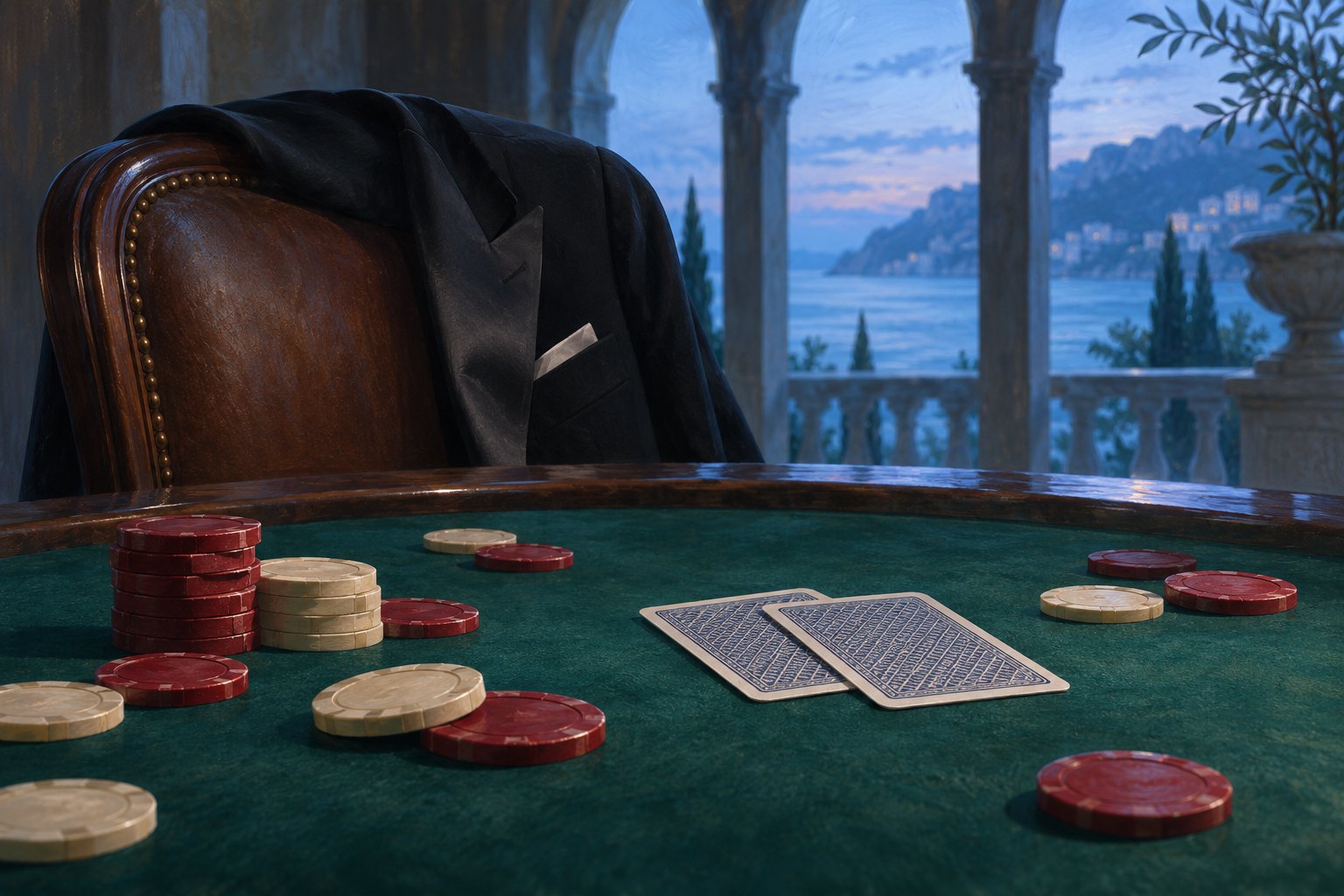
My reading is that Craig’s physical force becomes most interesting when it cannot solve the problem. Winning a confrontation does not guarantee understanding another person. His performance gives the familiar suit and controlled voice a defensive purpose: they help Bond resume functioning without proving that he has recovered.
That distinction between recognizable mannerisms and an inhabited character also informs our discussion of how a performance moves beyond a familiar public image. With Bond, recognition gets an actor through the door; emotional specificity makes the interpretation last.
The callback that makes the full journey worthwhile
No Time to Die brings back the phrase about having all the time in the world, a connection audible in the [official film excerpt](https://www.youtube.com/watch?v=QCRU7iNOEM4). After Lazenby’s film, those words carry an uneasiness a newcomer may not immediately hear. This is the reward of release order: a later movie can draw on an earlier audience memory without belonging to the same literal timeline.
The deeper pleasure of a Bond marathon is watching a fantasy negotiate its limits. Across these performances, invulnerability can look effortless, amusing, angry, or deliberately constructed. The strongest emotional moments arrive when another character makes that construction visible. Follow the release order, and the tuxedo gradually becomes more than a signature outfit: it becomes something each Bond must decide how tightly to wear.
Original content by this site's editorial team. Published: November 19, 2026 at 03:51:51 PST (Los Angeles time)