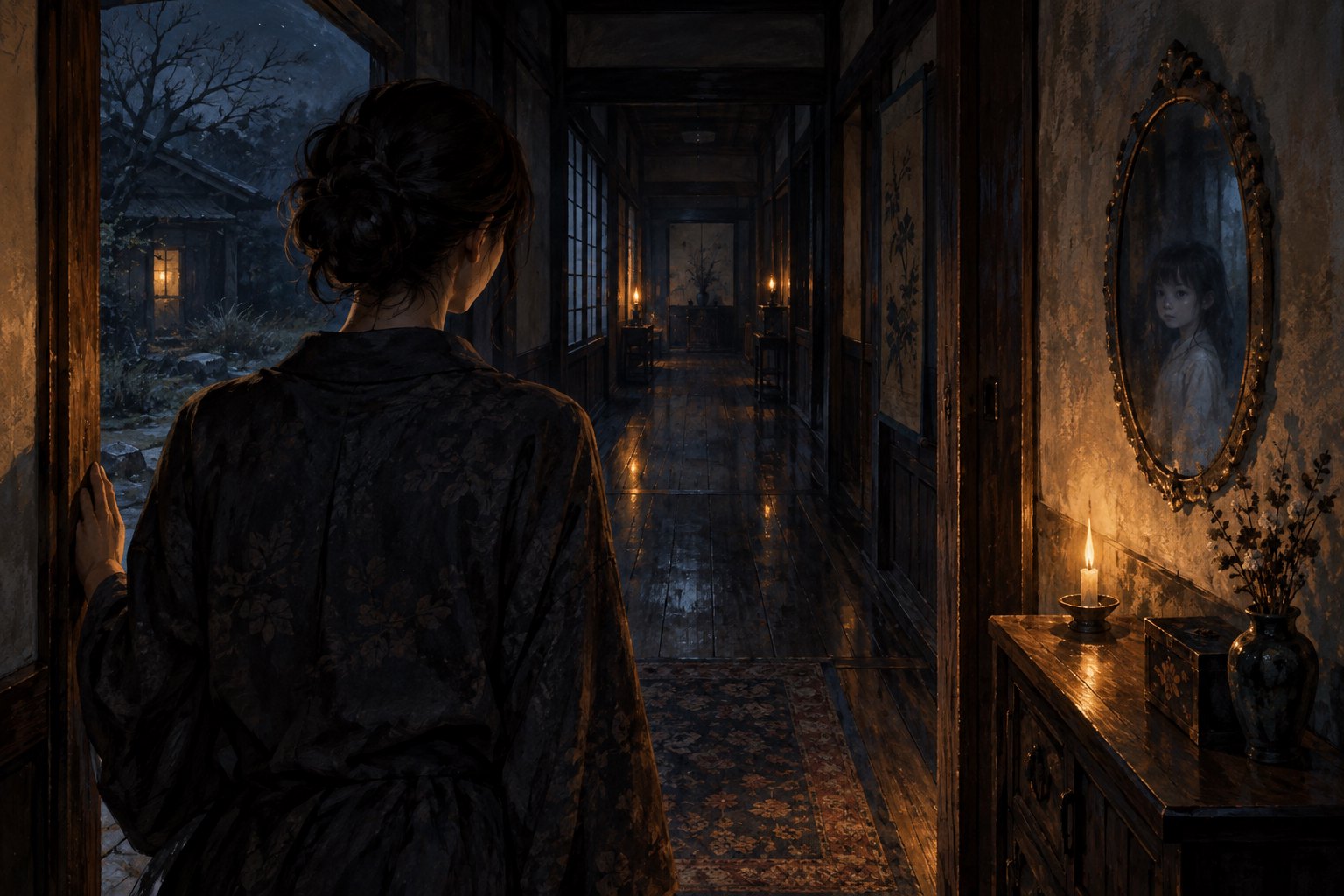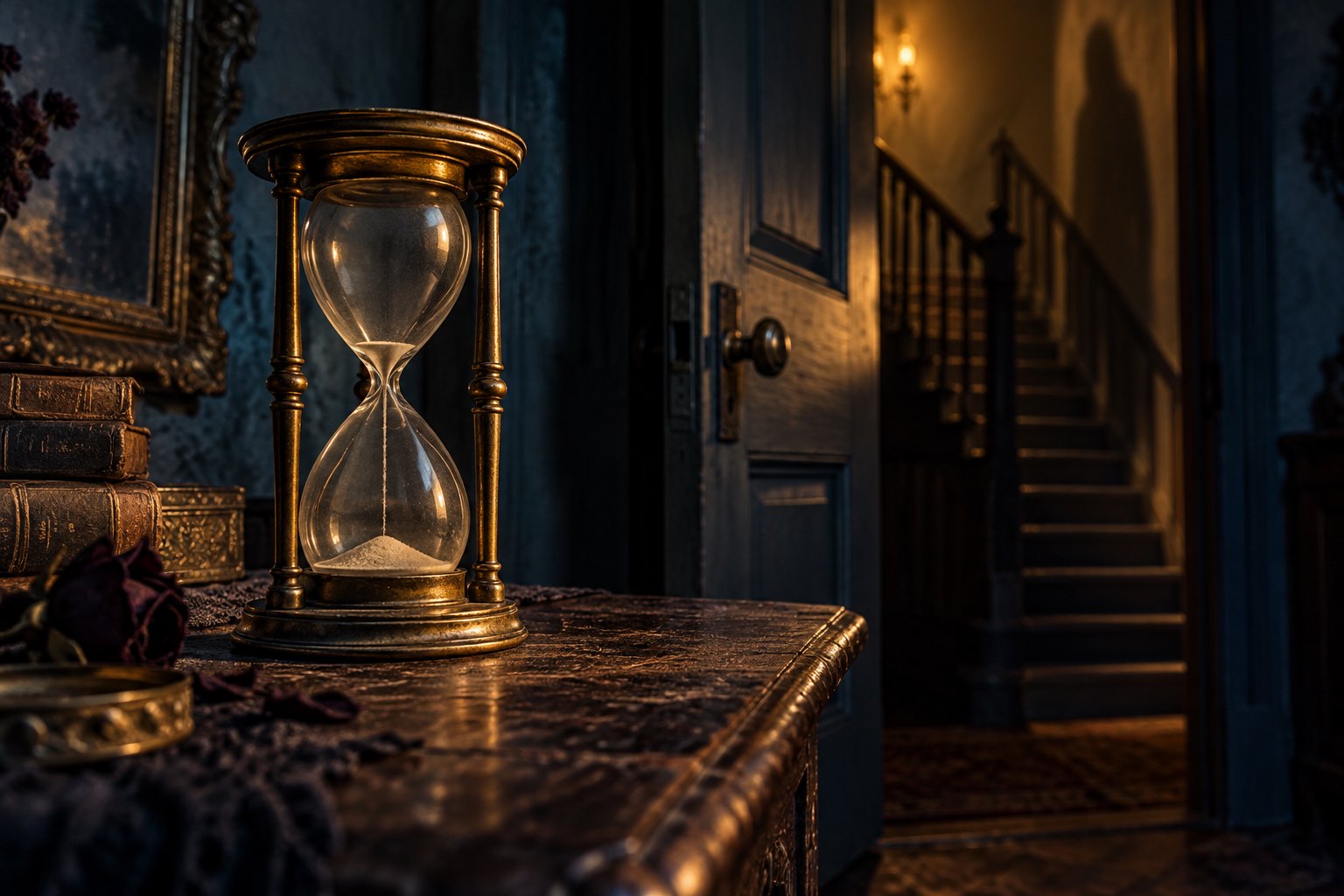
You recognize the situation immediately: a suspicious noise, a conveniently empty hallway, somebody deciding to investigate alone. But can you name the horror movie cliché before the next clue steals your attention? This original ten-question quiz gives you 90 seconds to find out.
The challenge is recognizing the storytelling device, not remembering a particular movie. Afterward, the answer key considers each scene from the character’s perspective—because an obvious danger to the audience can still be a believable decision for the person onscreen.
How to Play
Set your own timer for 90 seconds and read the ten clues below. Write one answer per clue, then stop when the alarm sounds. The page does not run a countdown. Award yourself one point for each correct idea; equivalent wording counts.
All scenarios are original, fictional examples, not descriptions of specific films. There are no movie-specific spoilers. Some devices overlap, so choose the most specific answer supported by each clue. Keep the answer key out of view until you finish.
The Quiz: Ten Familiar Ways Things Go Wrong
- The search plan. Four friends hear movement somewhere in a large house. To cover more ground, each takes a different hallway. What familiar decision have they made?
- The useless screen. A stranded traveler has a charged phone and knows exactly whom to call. Unfortunately, the remote location makes connecting impossible. Name the obstacle.
- The sudden movement. Something bursts from a cupboard with a startling crash. The terrified investigator discovers an ordinary pet, while the actual threat remains elsewhere. What kind of scare is this?
- The bathroom reveal. Someone opens a mirrored medicine cabinet. When the door closes, a figure appears in the reflection behind them. Name this particular scare setup.
- The final ignition. A driver reaches the vehicle, locks the doors, and turns the key. The engine refuses to catch precisely when escape matters most. What cliché blocks the getaway?
- The terrible reading choice. A visitor discovers an old volume beside an unmistakable warning. Curiosity wins, and speaking its contents awakens something dangerous. Name the device.
- The ignored account. A frightened witness describes something impossible. The person with the authority to help dismisses the account without investigating. What familiar response leaves the witness exposed?
- The almost-ending. The attacker lies motionless. A survivor lowers their guard and moves closer, only for the apparently defeated threat to spring back into action. Name the reversal.
- The narrow escape that disappears. A character reaches safety after a terrifying chase, then abruptly wakes in bed. The entire sequence has happened during sleep. What is the reveal?
- The survivor at the center. After her companions have been killed, a young woman becomes the central figure in the closing confrontation with the killer. Which character archetype does this describe?
Time’s Up: Answers and Why They Work
1. Splitting Up
Also accept separating the group. The practical consequence is immediate: fewer witnesses, less help, and several spaces the audience cannot monitor simultaneously. My test for the scene is whether separation serves a credible goal. Searching urgently for a missing friend can justify risk; casually wandering off after discovering danger demands stronger explanation.
2. No Cell Service
Accept no signal or loss of reception. The clue specifies a charged phone, so a dead battery is a different answer. This device cuts the character off from assistance. It feels more convincing when isolation shapes the setting from the beginning, rather than appearing as a convenient surprise at the exact moment a call would solve everything.
3. The False Scare
Accept fake-out scare or cat scare. Jump scare earns credit if that is your wording, although it describes the broader technique rather than the harmless reveal. The device releases tension without resolving danger. Used well, that relief makes the next quiet moment uncomfortable. Repeated without consequence, it starts to feel like an editor demanding a reaction.
4. The Mirror Scare
The cabinet door temporarily hides information, then reveals a changed space. Its effectiveness depends on framing and timing: we inspect the reflection while the character attends to something ordinary. A convincing performance matters as much as the figure behind them. The moment needs a person whose interrupted routine we believe.
5. The Car Won’t Start
Accept failed getaway or engine failure. Unlike the phone clue, this obstruction stops physical escape. Watch what the character does next. Trying the ignition again might express understandable panic; trying indefinitely while ignoring an obvious alternative can expose the machinery of the scene.
6. Reading the Forbidden Text Aloud
Accept cursed book or forbidden incantation. The mechanism is curiosity activating a threat. Character motivation gives it weight: scholarly pride, desperation, or refusal to accept a warning can make the choice revealing. Without that motivation, the person holding the book risks becoming little more than a switch that turns the monster on.
7. Nobody Believes the Witness
Accept dismissive authority or the disbelieved warning. The obstacle is social: the witness needs someone else to act. This can produce richer conflict than a broken gadget because trust has a history. The writing should establish why help is withheld and let that refusal carry consequences.
8. The Killer Isn’t Dead Yet
Accept one last scare or the apparent death fake-out. The reversal punishes premature relief. For me, it works best when exhaustion explains the survivor’s mistake. A character desperate to believe the ordeal has ended is more compelling than one who abruptly forgets everything they have learned.
9. It Was a Nightmare
Accept dream fake-out. The awakening cancels the immediate physical danger, but it need not cancel the scene’s meaning. A nightmare can reveal guilt or dread. If its only purpose is to advertise stakes the story immediately withdraws, the sequence leaves less behind than its intensity promises.
10. The Final Girl
This is an archetype, not automatically a criticism. Recognizing the pattern does not tell us whether the character is thoughtfully written. The useful questions concern her choices: what she notices, whom she trusts, how she adapts, and what surviving costs her.
Your Score
- 0–3: Plenty of surprises remain. Try again without the timer and look for the mechanism behind each scene.
- 4–7: You recognize much of horror’s familiar vocabulary, even under pressure.
- 8–10: You can spot the setup quickly. The harder challenge is explaining why one version frightens you and another makes you laugh.
These are playful scoring bands, not a measure of film knowledge. Naming a device and responding to a scene are different skills.
When Does a Familiar Trope Become a Tired Cliché?
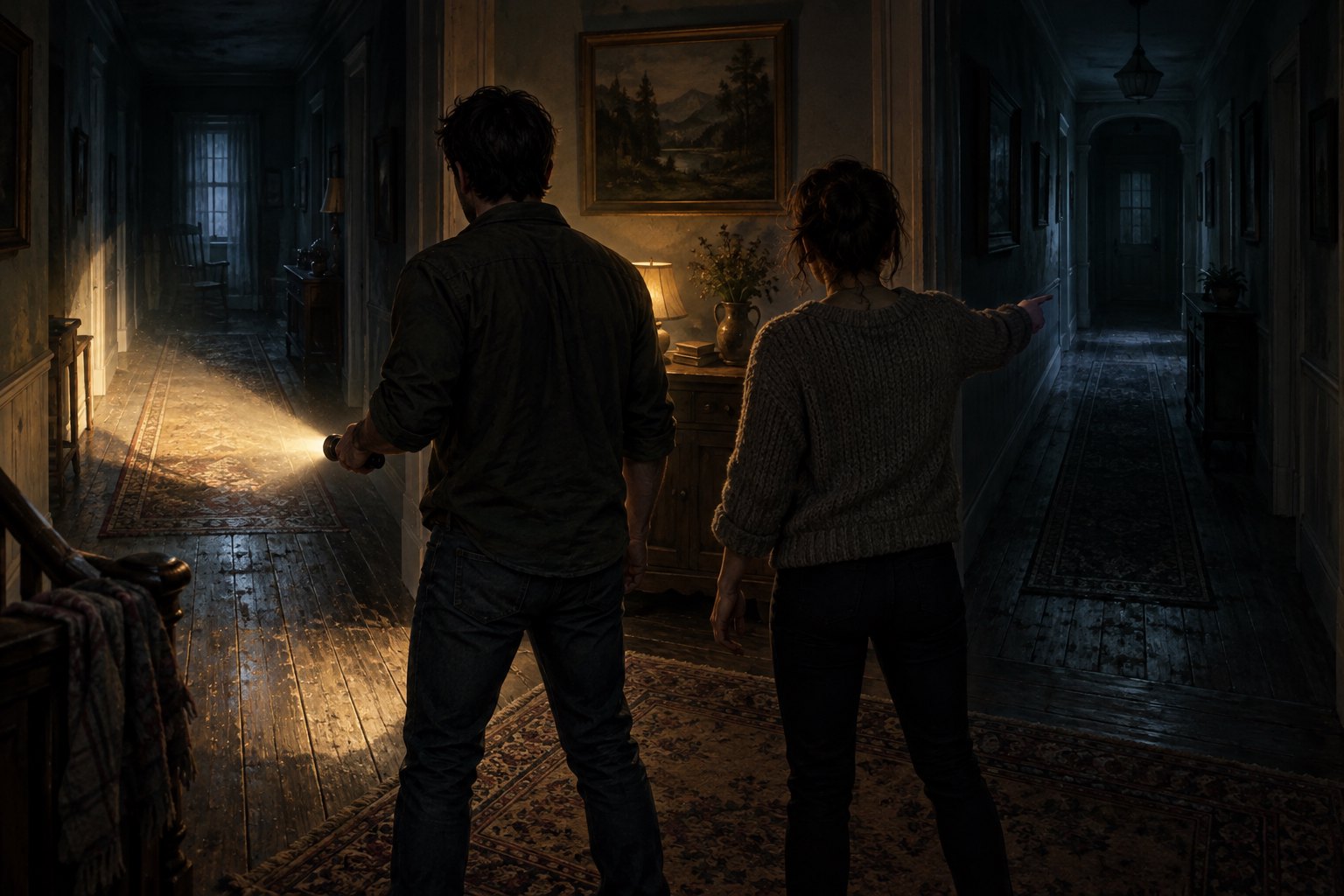
My dividing line is character. A familiar device becomes tiresome when the screenplay needs a result so badly that it stops respecting the people involved. Splitting up is a useful example: separation can express loyalty if someone hears a loved one calling, arrogance if someone rejects help, or conflict if the group no longer trusts itself.
Performance can preserve those distinctions even when the destination looks predictable. A hesitation, a forced smile, or a glance toward another person can explain a choice without a speech. That attention to behavior also drives our examination of performances in which confidence gives way to character.
Explanation has limits, however. Understanding why a person enters a dark room can deepen suspense; explaining every detail of whatever waits inside can diminish it. Our discussion of backstory and fear in the Friday the 13th world explores that related tension.
The Deeper Fear: Knowing the Pattern Cannot Protect You
A timed horror quiz rewards certainty. A compelling horror scene can take that certainty away. You know a car might fail, but you still want this driver to escape. You anticipate the mirror reveal, yet find yourself examining the empty background.
That is where familiar storytelling earns its place. Recognition gives us a prediction; character gives us a reason to care whether it comes true. The most revealing question after the timer ends is which imagined person you wanted to warn—and why you believed they might not listen.
Original content by this site's editorial team. Published: October 13, 2026 at 17:19:16 PDT (Los Angeles time)