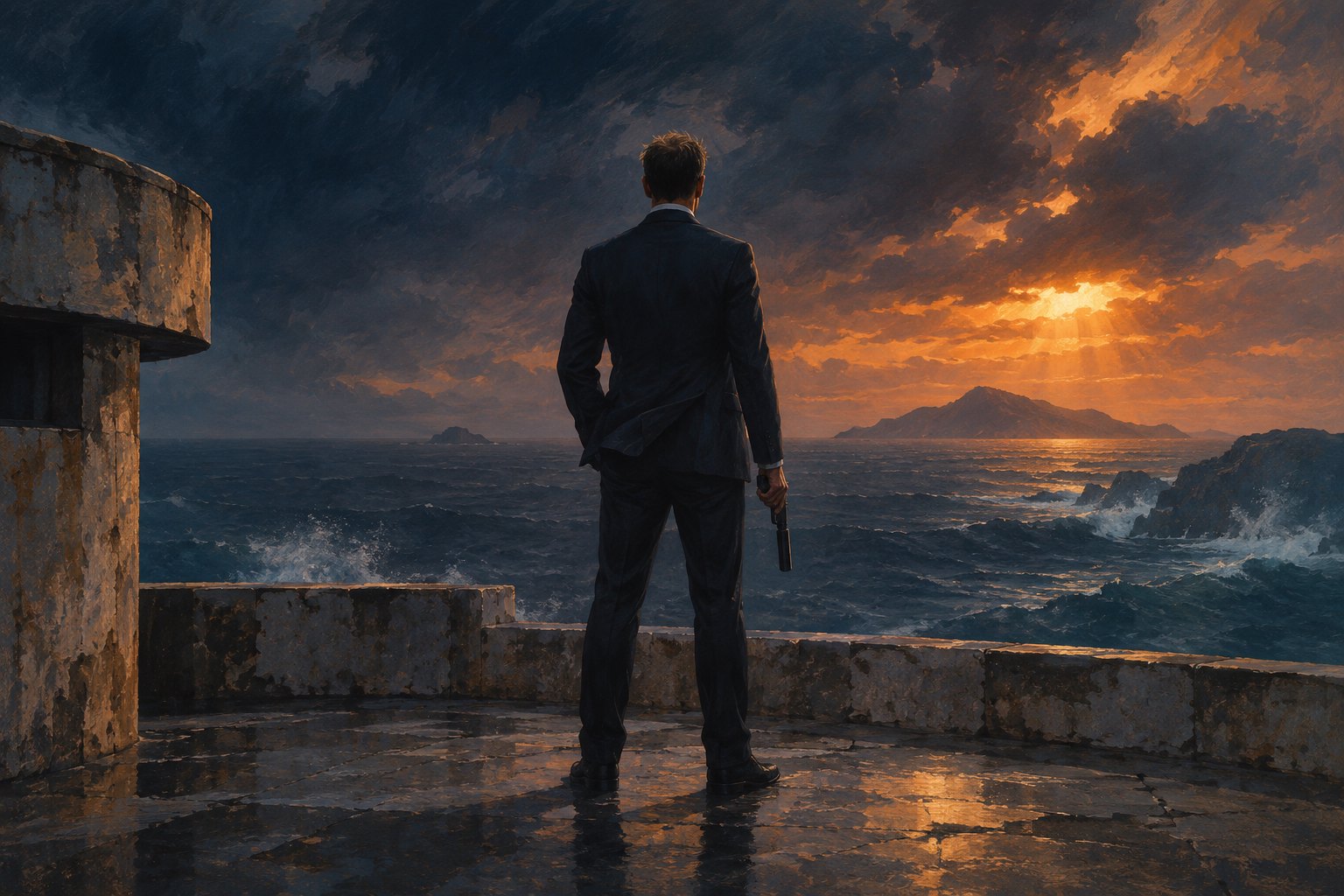
Holiday Light Spectacular brings an appealing combination to Marin County: seasonal lights and an opportunity to sit down together for a movie. The county’s event listing includes Hook, Steven Spielberg’s 1991 return to Neverland, among its scheduled screenings. For a family outing, that choice has more emotional bite than its pirates, flying children, and lavish scenery initially suggest. This is a movie about a father who needs to learn that arranging a good life for his children is different from participating in it.
The festival provides the occasion; Hook supplies a surprisingly pointed question to carry home. When everyone is gathered for something special, who is actually paying attention?
What to know about the Holiday Light Spectacular screening
According to Marin County’s event listing, Holiday Light Spectacular runs November 27, 2026, through January 3, 2027, at Marin Center Fairgrounds, with free admission and nightly hours of 5 to 9 p.m. The listed Hook screening is Saturday, November 28, at 6 p.m. in the Showcase Theater. The lights are outdoors; movie screenings are indoors.
Plan a walk before the film if seeing both is your priority. Check the county’s current schedule before traveling, particularly if weather looks uncertain: lightning or high winds can affect the event. The discussion below reviews the movie, rather than evaluating the festival’s installations or screening presentation.
Spoiler warning: The following sections discuss the film’s family conflict, Rufio’s fate, and its ending. Although Hook is rated PG, its child abduction, sword fighting, and death scene deserve consideration when choosing it for younger viewers.
Peter Banning’s real problem is how he measures love
Robin Williams plays Peter Banning, a successful lawyer who has forgotten that he was Peter Pan. When Captain Hook abducts his children, Jack and Maggie, Peter must return to Neverland and recover abilities he no longer believes he possesses.
Before that fantasy begins, the film establishes a painfully ordinary failure. Peter allows work to interrupt family life and misses Jack’s baseball game. His instruction, “Film what I miss,” captures his mistake with brutal economy. He treats an experience as something that can be stored and consumed later. Jack needs his father in the stands while the game is happening.
Williams makes Peter’s early rigidity uncomfortable. The performance works because the warmth audiences associate with him feels temporarily inaccessible. Peter is not incapable of affection; he has built habits that keep affection from reaching its intended recipients. That distinction gives the character somewhere meaningful to go.
My strongest response to Hook comes from this opening tension. Its diagnosis is sharper than its eventual cure. Being busy has become Peter’s explanation for everything, including the disappointments that make his children increasingly unwilling to believe his promises.
Jack makes the villain’s temptation believable
Hook’s most effective weapon is his ability to exploit Jack’s resentment. Played by Dustin Hoffman, the captain offers the boy the attention Peter has withheld. His interest is manipulative, but the need he identifies is real.
From Jack’s perspective, this creates a more troubling conflict than simply choosing between a good father and a bad pirate. The person who should show up has repeatedly disappointed him. The dangerous stranger appears to celebrate him. Jack’s susceptibility follows from that emotional imbalance.
Hoffman gives the performance a wonderfully theatrical vanity. Hook wants admiration as urgently as he wants victory. His gestures of affection therefore resemble auditions: he is playing the father Jack wishes he had, while expecting devotion in return.
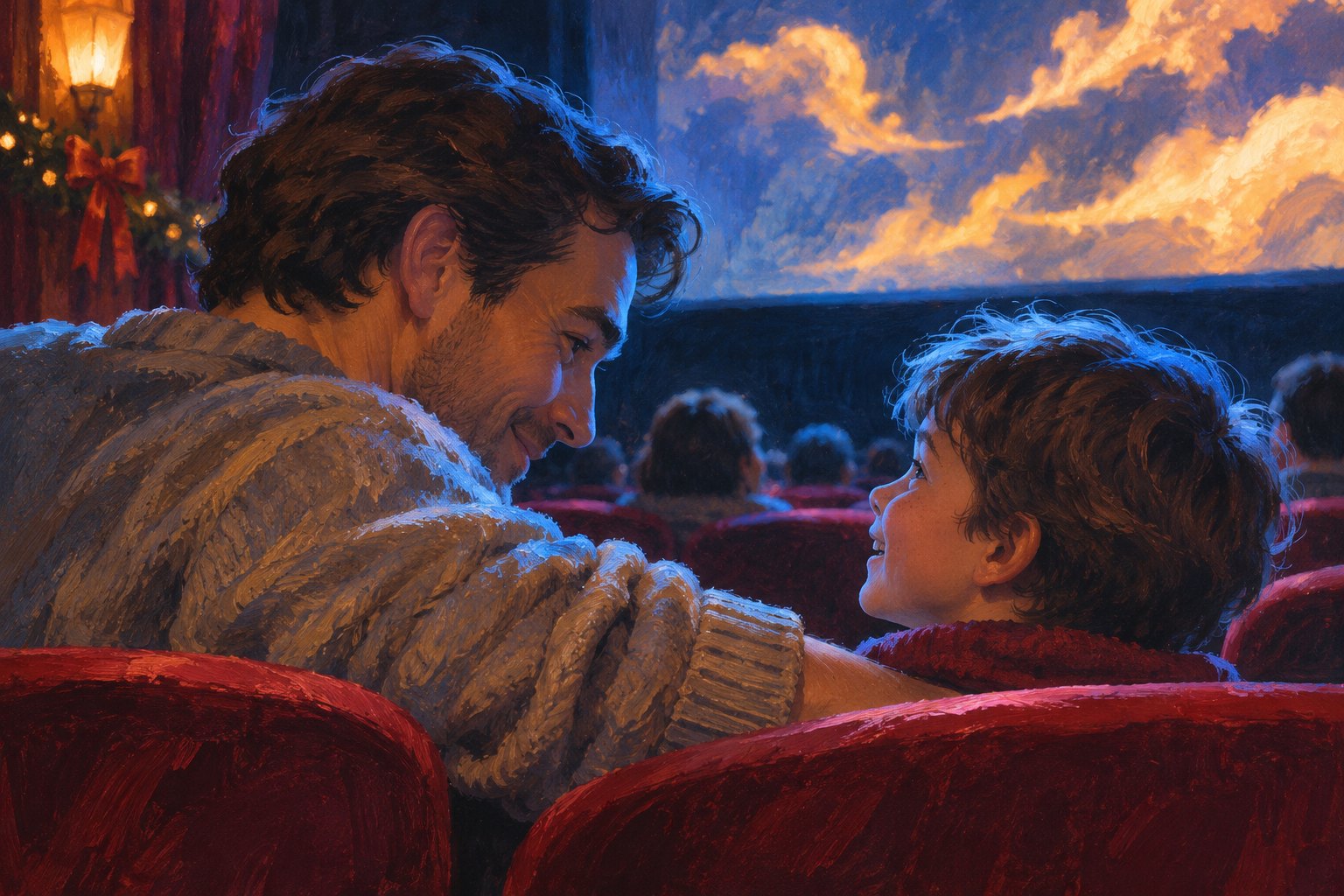
This is where the film becomes useful family viewing. Afterward, a better conversation starter than asking children whether Hook is evil is asking what makes his attention feel convincing. The distinction between being noticed and being cared for is central to the story.
The Lost Boys reveal what Peter has stopped seeing
Peter’s encounters with the Lost Boys reverse his accustomed authority. His professional status means nothing to them. He must accept embarrassment, participate in play, and let children judge whether he deserves their confidence.
The imaginary feast is especially effective because its emotional logic and visual payoff coincide. Peter cannot participate while insisting that his understanding of reality is the only valid one. The scene rewards a change in perception with an eruption of color and physical comedy.
For me, these passages justify much of the film’s excess. The crowded designs express a child’s refusal to leave any interesting possibility unexplored. Yet the same abundance sometimes weakens the pacing. Repeated demonstrations of Peter’s inadequacy delay developments the audience has already anticipated.
Rufio gives that playful world an edge. His resistance to Peter reflects the position he occupies among the Lost Boys. Later, his death interrupts the adventure’s promise that childhood games can absorb every danger. The abruptness remains unsettling, and the film moves toward triumph faster than that loss warrants.
A generous fantasy with uneven priorities
Hook is most persuasive when its spectacle grows from a relationship. Peter’s recovered capacity for wonder matters because it lets him reconnect with his children. The film becomes less focused when its competing emotional threads crowd one another, especially around Tinkerbell’s attachment to Peter.
There is also an imbalance in whose growth receives attention. Moira understands the family’s problem before Peter does, but his transformation dominates the adventure. Maggie’s resistance to Hook provides an important contrast with Jack’s vulnerability, though the father-son conflict receives the stronger dramatic emphasis.
Those limitations do not erase the film’s generosity. They make it an uneven, affectionate fantasy whose best scenes understand something specific about childhood: a child can recognize love and still be wounded by how poorly an adult expresses it.
That concern connects with our discussion of how repeated acts of welcome give a holiday story its emotional substance. Seasonal warmth becomes convincing through behavior. A beautiful setting can invite feeling, but the relationships must sustain it.
What the ending adds to a night beneath the lights
Peter ultimately returns to his family. The closing thought, “To live would be an awfully big adventure,” redirects the meaning of Neverland. His achievement is not finding a permanent escape from adulthood. It is recognizing possibilities within the life he already has.
I read that ending as the film’s strongest idea. Peter does not need his children to remain young forever. He needs to stop treating their childhood as an indefinitely renewable opportunity. Their willingness to play, confide, and ask for his company has a time limit.
That makes Hook a meaningful companion to Holiday Light Spectacular. The connection is not that decorative lights automatically create the magic of cinema. It is that both experiences offer a reason to share attention. As our examination of how a real town gives holiday storytelling a sense of place considers, atmosphere provides a setting for human connection; it cannot perform the connection itself.
The most lasting image from an evening like this may be something smaller than the brightest display: a child explaining a favorite scene, or an adult listening without checking the time. Hook earns its place on the program by making that modest act feel consequential.
Original content by this site's editorial team. Published: November 23, 2026 at 00:44:36 PST (Los Angeles time)