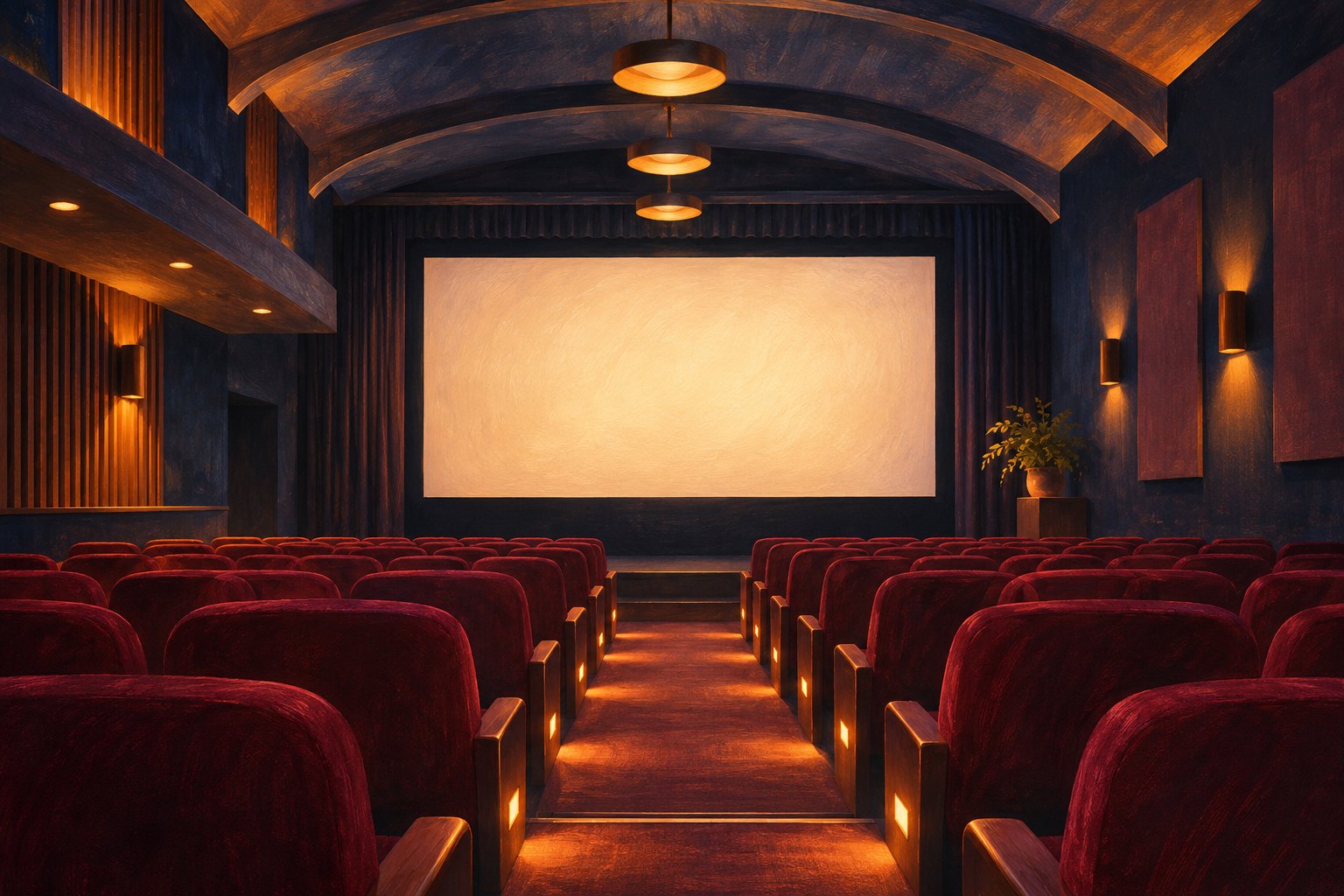
Film Streams is upgrading its Omaha theaters as it approaches a 20th anniversary celebration in 2027, according to WOWT. For local moviegoers, that puts the places where they watch films at the center of the story. The announcement also invites a larger question: what should a theater upgrade accomplish for the person sitting down to watch?
Our view is that the most valuable improvements help an audience pay closer attention. A cinema earns affection through memorable evenings, but it earns repeat visits through the experience it delivers every time the lights go down. An anniversary can celebrate that history while creating an opportunity to assess what audiences need next.
What the Film Streams announcement establishes
The central news is straightforward: Film Streams’ Omaha theaters are being upgraded, with the organization’s 20th anniversary celebration coming next year. That connection gives the work a forward-looking purpose alongside the milestone.
The announcement alone should not be treated as a detailed construction schedule or a promise about individual amenities. Specific equipment, seating changes, accessibility measures, reopening dates, and effects on screenings require their own confirmation. The considerations below are editorial criteria for judging cinema improvements, not a description of Film Streams’ construction plans.
For anyone planning a visit, the practical approach is to check current information for the specific venue and screening before making arrangements. A broad upgrade announcement cannot establish whether a particular showtime, entrance, or service will be affected.
The best improvements make a film easier to read
Movie criticism usually begins with what appears on screen: a performance, an image, an exchange of dialogue. Yet the room influences how readily those choices reach us. A viewer should be able to distinguish an intentionally obscure moment from a detail lost through poor presentation.
Consider the small movements that carry character development. Someone looks toward a doorway before answering a question. Another person smiles a beat too late. A third remains still while everyone else reacts. Such gestures can suggest hesitation, calculation, or emotional distance without a line of explanation. When a screening lets those details register clearly, the audience has more evidence on which to base an interpretation.
That is why projection quality matters beyond spectacle. Facial expressions, the relationship between figures within a frame, and information held in shadow can all contribute to storytelling. This is a general argument for careful exhibition, not an assessment of the current presentation at Film Streams.
For the Omaha project, the meaningful audience question will be whether the completed work makes watching feel more effortless. Technical specifications can help explain a change, but the experience of following a scene is the stronger test.
Sound carries the parts of a character we cannot see
A memorable line depends on more than its wording. The breath before it, the hesitation inside it, and the silence afterward can alter its meaning. A confession delivered quickly may sound rehearsed; the same words spoken with difficulty may suggest a person discovering what they believe.
Music adds another layer. A score can invite sympathy for someone whose actions remain troubling, or create unease around an apparently ordinary conversation. Our discussion of how film composition shapes musical storytelling explores why those relationships deserve the same attention as dialogue.
From an editorial standpoint, effective cinema sound should preserve distinctions among speech, music, atmosphere, and silence. Volume alone offers little guidance. The useful question is whether viewers can hear the choices that give a scene its emotional shape without struggling to follow it.
As Film Streams approaches its anniversary, that provides one way to think about the value of investment in exhibition: protecting the expressive details that audiences came to encounter.
Comfort and access belong in the artistic conversation
Comfort can sound secondary when discussing cinema as an art form. In practice, persistent physical distraction competes with a performance. A difficult sightline or an uncomfortable position may interrupt the concentration a patient, quietly unfolding scene requires.
Accessibility deserves equally concrete attention. Useful information explains what an individual visitor can expect, rather than relying on a general assurance that a venue is welcoming. Depending on a person’s needs, relevant questions may concern step-free routes, seating arrangements, captioning, assistive listening, or whom to contact before arriving.
These are questions to ask as project information becomes available, not claims that Film Streams has announced particular changes. The broader judgment is simple: a theater’s audience experience begins before the opening image. Buying a ticket, entering the building, finding a seat, and understanding available services all affect how someone settles into a film.
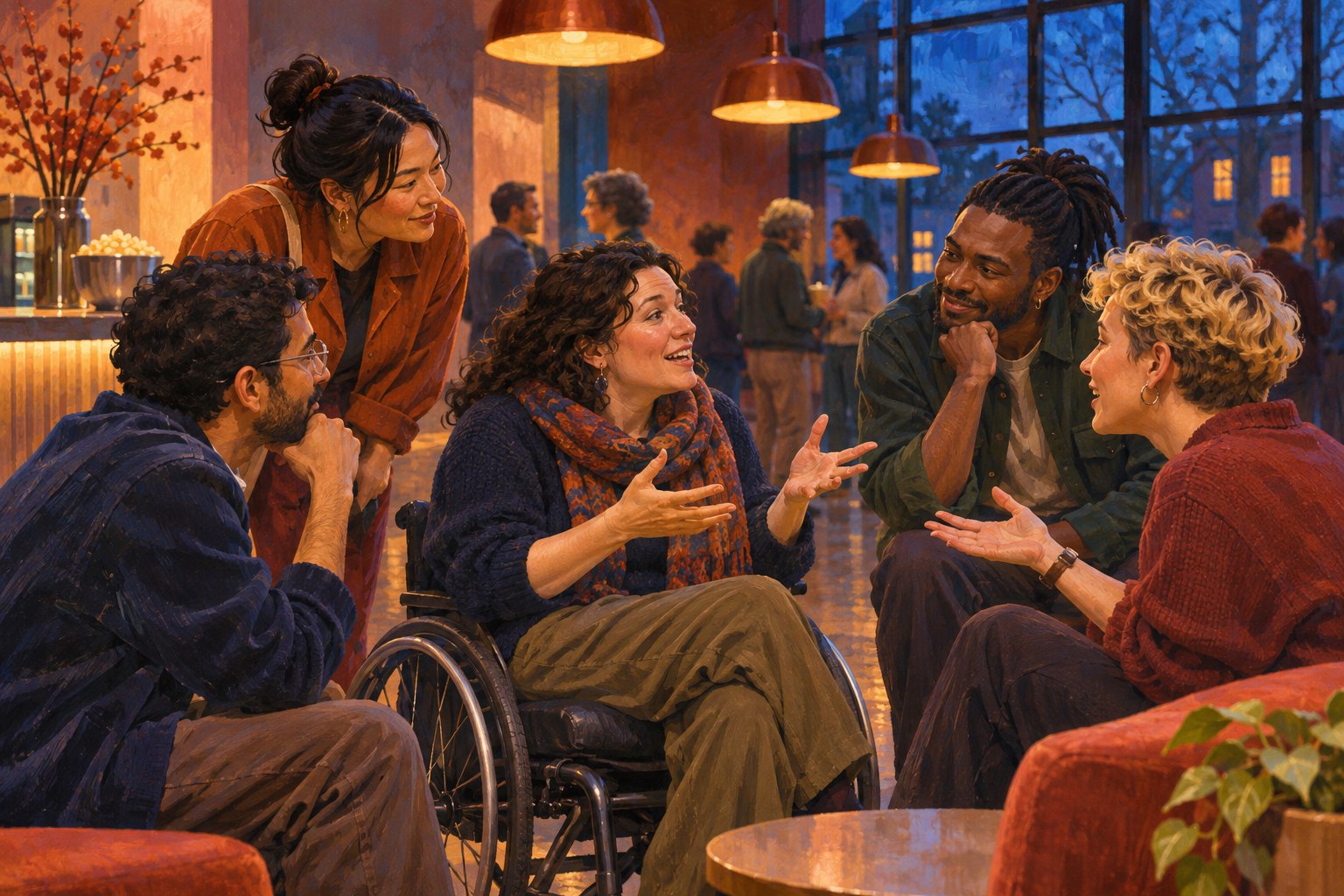
An anniversary can make room for new conversations
The strongest anniversary celebrations give longtime viewers a reason to remember and newcomers a reason to participate. For Film Streams, the milestone presents an opportunity to connect affection for its theaters with curiosity about what audiences might discover there next.
A cinema’s social value often becomes apparent after a screening. Two people can watch the same performance and disagree about whether a character was generous, evasive, or frightened. Explaining that disagreement sends them back to the film’s actual evidence: an action, a pause, a choice of framing.
That kind of discussion is especially useful with work that resists a quick verdict. Our examination of performance and artistic identity in Patrick Wang’s A. Rimbaud considers the interpretive questions an unconventional approach can open. A theater can give viewers both the sustained attention such work asks for and a place to begin talking about it afterward.
No particular anniversary lineup needs to be assumed to recognize that possibility. The opportunity lies in making a milestone approachable to people who do not already consider themselves regulars.
What Omaha moviegoers should watch for next
As further details become available, a few practical questions will help turn the upgrade announcement into useful information:
- Scheduling: Which screenings or operating hours, if any, will change during the work?
- Audience experience: What will visitors notice when they return?
- Access: What services and routes will be available, and how will temporary changes be communicated?
- Anniversary participation: When will event details and ticket information be confirmed?
Clear answers will matter more to a planned evening out than broad promises about transformation. They will also give audiences a fair basis for assessing the completed work.
The deeper value of investing in a cinema
Film Streams’ approaching anniversary is a reminder that film culture needs places where attention can become a habit. A theater creates the conditions for viewers to stay with an uncomfortable conversation, reconsider an unsympathetic character, or notice an image whose significance emerges only later.
Our measure of a successful upgrade would be the ordinary screening that follows the celebration: visitors arrive with clear expectations, settle in comfortably, and become absorbed in the movie. The building has done its job when the audience can give the film its full attention—and leave with something worth discussing.
Original content by this site's editorial team. Published: November 16, 2026 at 21:34:14 PST (Los Angeles time)