Ebenezer has a new trailer and an immediately recognizable story behind it: Johnny Depp’s return to a Hollywood studio movie after eight years, in a reimagining of Charles Dickens’s A Christmas Carol. That is the central news in [Variety’s trailer report](https://au.variety.com/2026/film/global/ebenezer-new-trailer-johnny-depp-first-hollywood-movie-8-years-40910/). The more interesting dramatic question concerns another return: whether a man who has withdrawn from human fellowship can convincingly find his way back.
Scrooge makes that question unusually demanding. His story needs an actor who can attract our attention while revealing why other people dread his presence. A memorable performance must eventually make room for those people, because their lives provide the measure of his change.
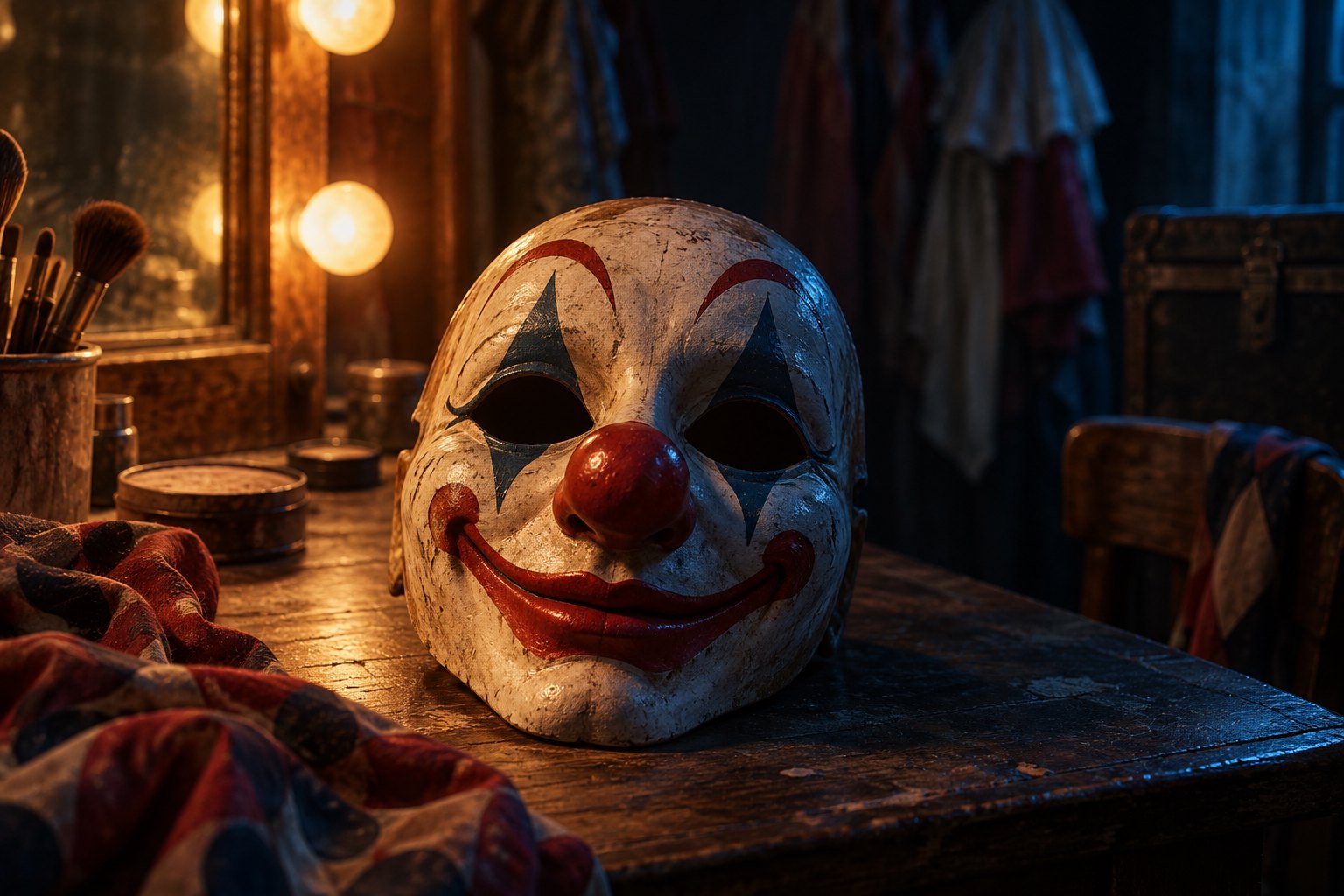
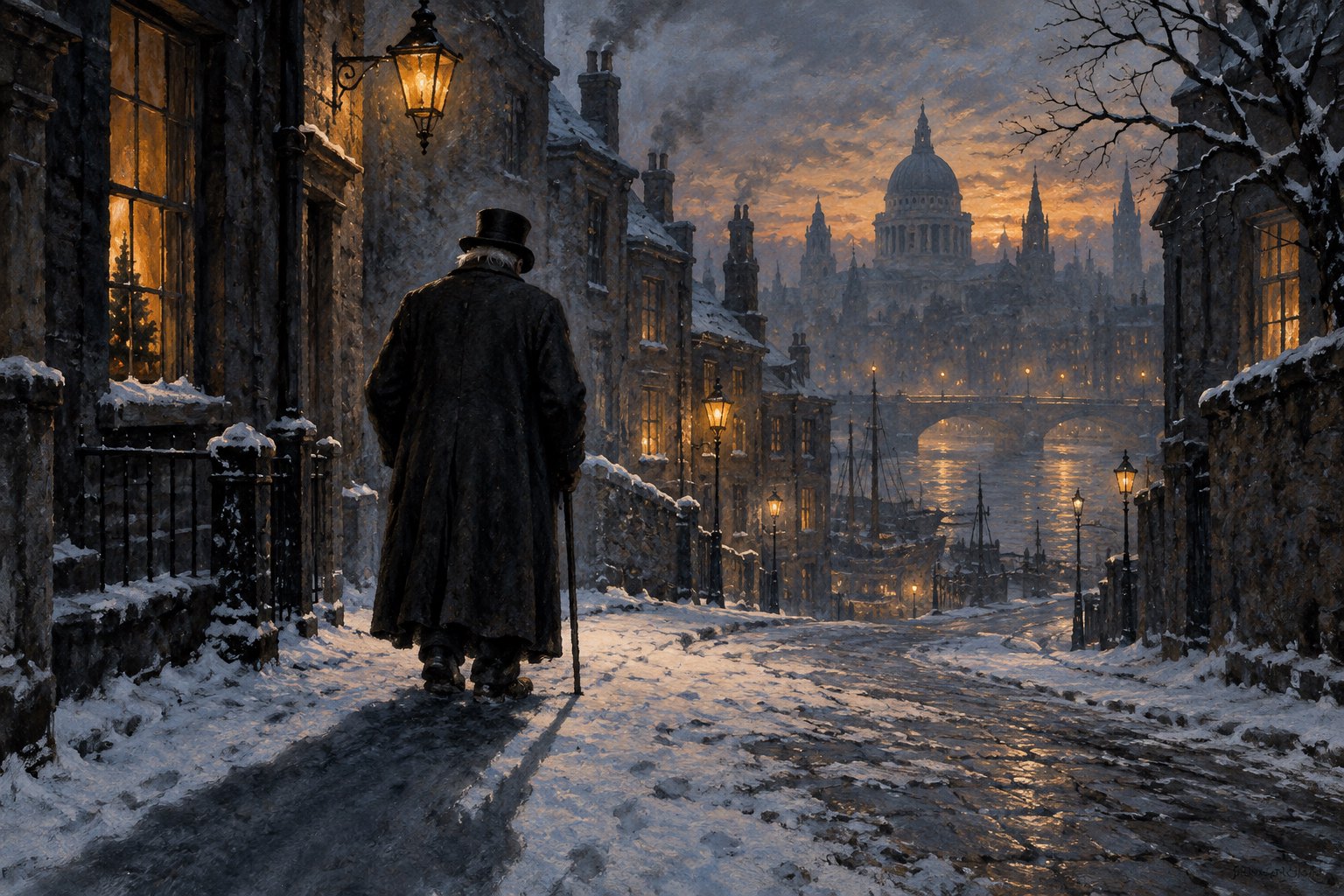
This is a critical preview, not a review of the completed film. The discussion below contains spoilers for Dickens’s original story. Its character relationships and quotations belong to the novella; they are not presented as confirmed scenes or dialogue from Ebenezer. The accompanying images are literary illustrations.
What the studio-return headline tells us
The eight-year description concerns Hollywood studio filmmaking. It should not be expanded into a claim that Depp has spent eight years without acting. It also tells us nothing by itself about the quality of this particular performance, the adaptation’s pacing, or how persuasively its ending works.
Nevertheless, that framing affects how viewers approach the project. A star’s return can turn a familiar role into a public event before the character has spoken. With Scrooge, the danger is especially clear: audiences may arrive thinking about a performer’s career when the story asks them to consider an employer’s behavior.
That tension recalls our discussion of how star casting creates an entry point into familiar material. Recognition can bring viewers through the door. The relationships inside the movie must give them a reason to stay. For Ebenezer, the useful critical question is what Depp’s presence contributes to Scrooge’s psychology, beyond the attention his name brings.
Scrooge’s strongest defense is his certainty
In Dickens’s [original novella](https://www.gutenberg.org/files/46/46-h/46-h.htm), Scrooge dismisses Christmas, resists generosity, and treats other people’s needs as unwelcome demands. His famous “Bah!” and “Humbug!” compress that position into a verbal reflex. Later, encounters with his past expose loneliness and relationships damaged by his attachment to money.
For an actor, those dismissals offer more than an opportunity to be entertainingly disagreeable. They suggest someone who wants to end a conversation before it creates an obligation. A clipped response can become a locked door. The performance challenge lies in making that habit feel protective to Scrooge and punishing to everyone around him.
A revealing interpretation would allow his certainty to feel comfortable at first. People rarely experience their own cruelty as a villainous flourish. Scrooge can understand himself as practical, disciplined, and resistant to foolishness. That self-image gives an adaptation something substantial to dismantle.
His earlier pain complicates the task. Understanding how isolation develops can deepen sympathy, but explanation should preserve responsibility. A childhood wound does not settle what an adult owes an employee. If Ebenezer explores that history, the distinction will matter more than how moving the memories look.
Marley makes success look frightening
Dickens gives Scrooge a warning through his dead business partner, Jacob Marley. His chain links punishment to the habits of his former life, while “Mankind was my business” overturns the narrow definition of duty the two men shared.
That is potent material for a screen adaptation because the threat is personal and ideological at once. Scrooge encounters someone whose experience challenges his understanding of a successful life. The frightening possibility is that the rules he trusts are leading him toward a disastrous result.
My preference would be for any supernatural spectacle to sharpen that recognition. A startling apparition can produce an immediate reaction; a familiar belief becoming untenable can sustain a scene. The strongest horror here would leave Scrooge struggling to explain away something he already understands.
This also gives humor a precise function. His attempts to preserve ordinary explanations can be funny because his confidence is visibly failing. Comedy can expose his defenses without making the consequences of his conduct feel weightless.
The Cratchits must have lives beyond his lesson
In the novella, Bob Cratchit works for Scrooge, and his family’s circumstances expose the human cost of his employer’s values. Tiny Tim’s vulnerability makes the future urgent. Mrs. Cratchit’s anger gives the household another response to the man who holds power over its livelihood.
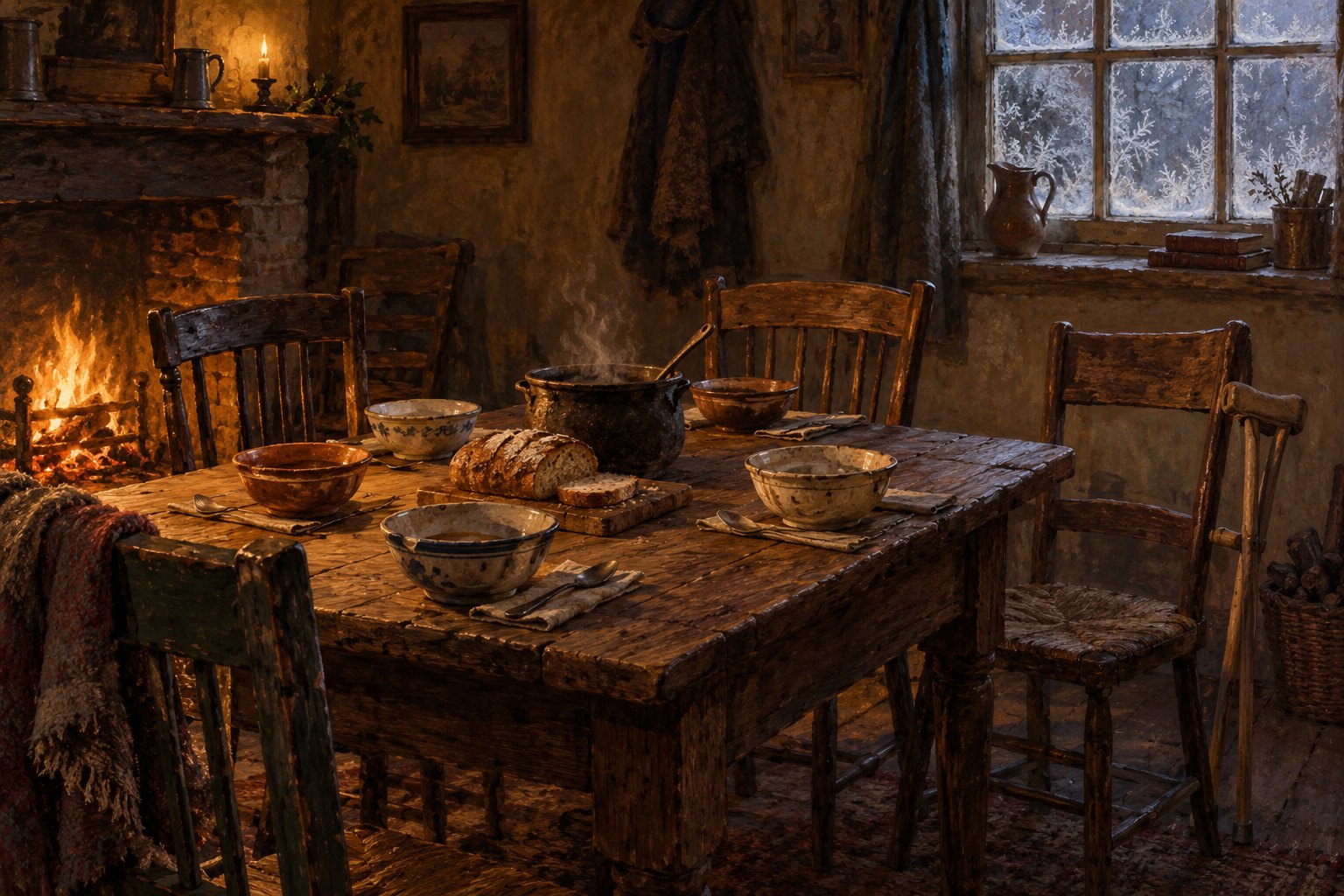
From the family’s perspective, Scrooge’s internal awakening has limited value until it affects how he treats them. They have daily needs and emotional lives that exist independently of his developing conscience. An adaptation gains depth when it lets those concerns occupy the foreground, even briefly.
Mrs. Cratchit is particularly valuable to that balance. Anger can preserve a story’s moral memory. If everyone injured by a protagonist becomes endlessly understanding, the film risks making forgiveness seem like another service they owe him. Her perspective can keep the audience alert to what warmth and festive pleasure cannot erase.
This is related to the concern in our commentary on character sympathy and adult responsibility: a protagonist’s desire to connect needs to be assessed alongside its effects on others. In Ebenezer, generosity will carry greater dramatic weight if the recipients remain people rather than evidence that Scrooge has improved.
What would make the transformation convincing?
Dickens concludes with changed conduct: Scrooge helps the Cratchits and becomes a different presence in their lives. That practical dimension provides a useful standard for any reimagining. Emotion begins the resolution; sustained behavior gives it substance.
On screen, the transition requires careful control of performance and rhythm. If the early Scrooge is merely a collection of amusing mannerisms, his remorse may feel like a switch being flipped. If he is relentlessly monstrous, sudden delight may become difficult to accept. The intervening encounters must alter how he listens, watches, and responds.
Viewers can look for that progression in small choices. Does he stop interrupting? Can another person’s suffering hold his attention without immediately becoming a statement about himself? Does embarrassment develop into concern? Those changes would make the final generosity feel connected to the man we have watched.
The deeper test: who benefits from redemption?
The enduring force of A Christmas Carol, in my reading, comes from its insistence that a private revelation has public consequences. Scrooge’s money already affects other people. His transformation changes the purposes to which he puts that power.
That is the richest possibility facing Ebenezer. A fresh interpretation can alter tone, imagery, and emphasis while preserving the uncomfortable question at the story’s center: what happens when someone finally recognizes the obligations he has spent his life avoiding?
Depp’s studio return supplies the headline. The adaptation’s lasting impact will depend on whether Scrooge’s return to human fellowship feels earned—and whether the people around him experience a meaningful difference when morning comes.
Original content by this site's editorial team. Published: October 1, 2026 at 18:30:56 PDT (Los Angeles time)