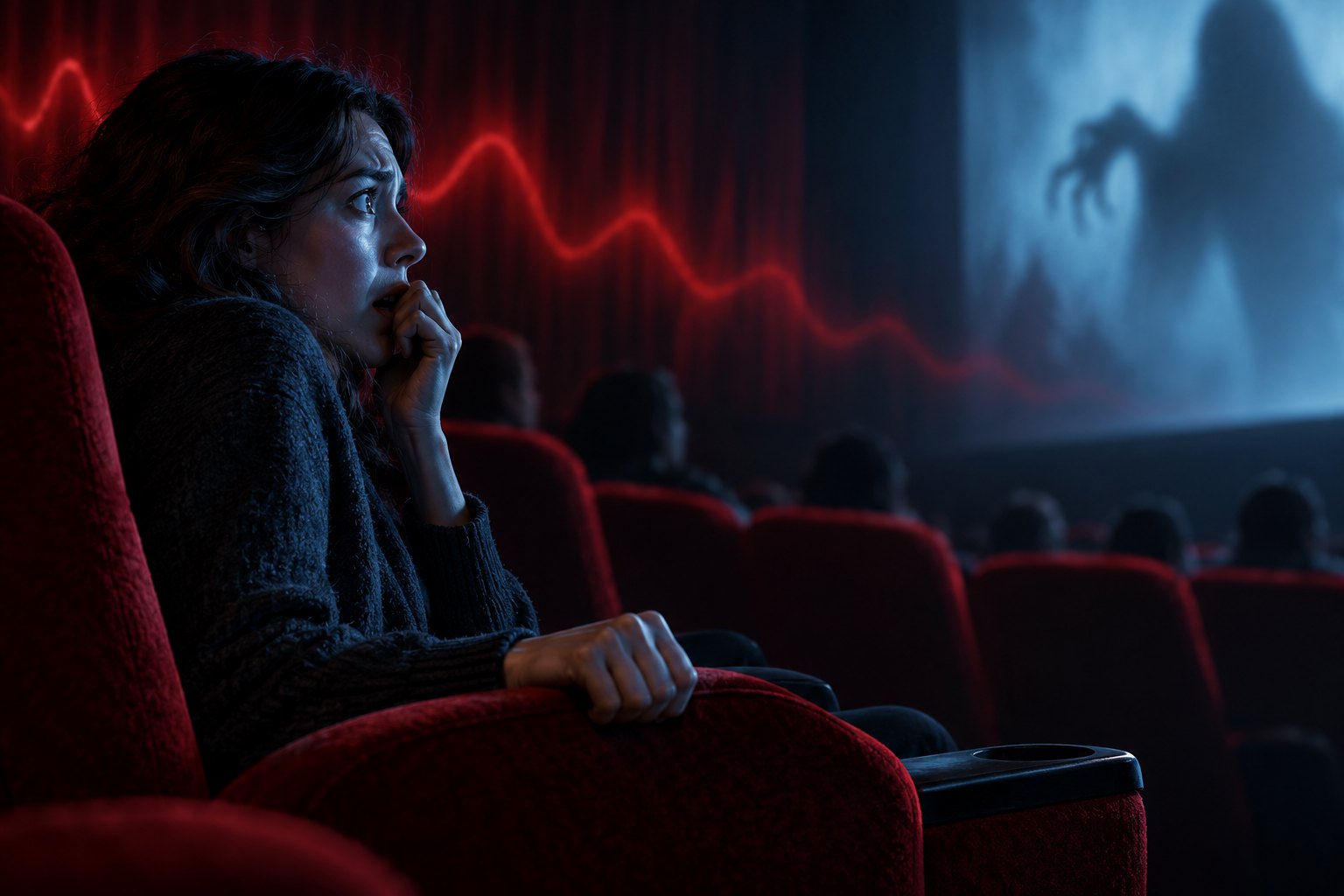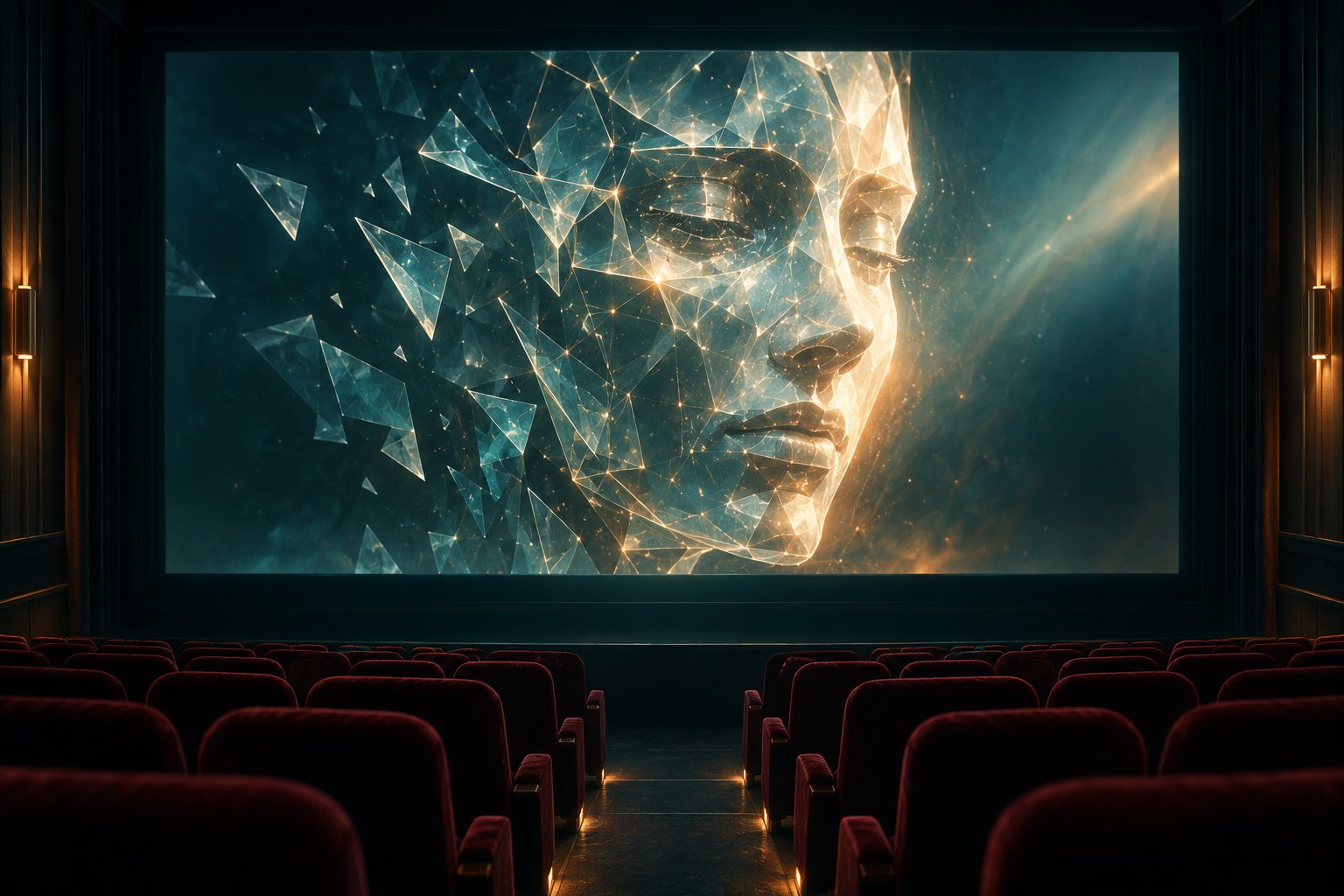
A Cyberpunk 2077 live-action movie has been announced, according to Polygon. The immediate appeal is easy to understand: the prospect of translating a futuristic game world into physical spaces, human performances, and cinematic spectacle. The more consequential question is how the adaptation will give viewers a person to care about inside that spectacle.
The announcement alone does not establish the movie’s plot, cast, release date, or artistic approach. It also offers no basis for reviewing performances, quoting movie dialogue, or identifying Easter eggs. What follows is a spoiler-free assessment of the adaptation’s creative possibilities, rather than a review of a completed film.
What the announcement means for viewers
The central news is the move toward a live-action film. Readers looking for a release guide should keep that separate from the information needed to plan a screening: a confirmed date, distribution details, and an actual account of the story. Those details cannot be inferred from an announcement headline.
The same distinction applies to character expectations. A familiar name in the title does not establish which characters will appear, which events will be adapted, or whether the screenplay will follow an existing narrative. Predicting those decisions can be entertaining, but predictions should remain predictions.
For now, the useful critical question is what a film can accomplish through its own medium. A camera can hold on a face after a character makes a decision. An actor can expose doubt beneath a confident answer. Editing can make the distance between two people feel more threatening than the city surrounding them. These are substantial opportunities for an adaptation built around an intimate point of view.
A protagonist needs a desire we can understand
My strongest preference would be for a story that establishes its protagonist’s immediate desire before asking viewers to absorb an elaborate future. That desire could involve security, recognition, independence, or belonging. These are possible dramatic approaches, not announced plot elements.
The distinction between desire and objective matters. An objective gives a character something to accomplish; desire explains why accomplishing it feels necessary. A dangerous assignment can create movement, but the fear of remaining powerless can give that movement emotional meaning. Without that second layer, even impressive action risks feeling interchangeable.
A strong screenplay should also allow a character to misunderstand what they need. Someone pursuing independence might become increasingly dependent on the people financing their escape. Someone seeking recognition might discover that being noticed makes privacy impossible. Such contradictions would provide a film with dramatic structure without requiring constant explanation of its world.
From a character-centered perspective, the key test is whether we understand the choice before we witness its consequences. Surprise carries more weight when it disrupts an intention we have already come to recognize.
The hardest translation is from participation to observation
Games and films ask audiences to engage differently. Playing can make a decision feel personal because the player participates in it. Watching requires a screenplay and performance to make another person’s decision emotionally legible. The adaptation cannot assume that attachment will transfer automatically.
One practical solution is to give important decisions room to breathe. Establish what the protagonist knows, what they fear, and which alternative they reject. Then let the result alter a relationship or close off an opportunity. That creates a chain of responsibility the audience can follow.
This approach also helps avoid a common structural problem: treating an adaptation as a procession of recognizable attractions. A location, confrontation, or piece of technology earns its place when it changes the story. Recognition can enrich that experience, but it cannot supply the missing cause and effect.
The movie should therefore be understandable to someone who arrives with curiosity and no prior attachment. Experienced players may bring additional associations; newcomers still need a complete emotional argument on the screen.
Technology should register through behavior
A live-action treatment offers a particularly interesting opportunity to explore the relationship between a person and their altered or technologically mediated body. This is an interpretive possibility, not a description of a confirmed scene. Its value would depend on how specifically the film connects technology to ordinary behavior.

An imagined gesture illustrates the difference: a person hesitates before allowing someone else to examine a mechanical hand. The hardware might be visually striking, but the hesitation creates the drama. It suggests a boundary between assistance and intrusion, between something a person uses and something they experience as themselves.
Performance could make that boundary visible through posture, timing, and touch. Sound could distinguish effortless movement from uncomfortable strain. A close-up could reveal whether an apparently desirable capability feels reassuring or alienating to its owner.
The editorial illustrations here explore those possibilities; they do not depict announced characters, official production designs, or scenes from the movie. The useful standard for the eventual film is equally concrete: does a technological detail deepen our understanding of a person, or merely decorate the frame?
The city needs to affect the choices
A futuristic setting becomes dramatically persuasive when its organization shapes behavior. Who can move freely? Who must wait? Which spaces allow privacy, and which make everyone visible? A film can communicate these differences through blocking, framing, and access rather than lengthy explanations.
That is why production design deserves attention beyond visual resemblance. A beautiful interior can express protection for one character and confinement for another. Our analysis of how the house in Verity creates psychological pressure explores the broader connection between physical space and a character’s sense of control.
For the Cyberpunk adaptation, I would look for environments that change meaning as the protagonist’s circumstances change. The same entrance might initially promise opportunity and later demand compromise. Repetition with a changed emotional context can make a place memorable more effectively than introducing another elaborate skyline.
What would make the finished film worth discussing
When substantial footage and story information become available, three questions should guide expectations: whose perspective organizes the film, what meaningful choice drives the narrative, and what lasting consequence follows that choice? Those questions offer more insight than counting recognizable details.
The separation between anticipation and criticism also matters. As our Wildwood preview’s discussion of storytelling expectations emphasizes, an occasion for excitement is not yet an artistic verdict. Memorable dialogue, effective performances, and meaningful references must be assessed in their actual context.
The deeper opportunity for a Cyberpunk 2077 movie is to examine what personal freedom feels like when every attractive possibility carries a condition. That is the interpretation I would hope a character-driven adaptation explores. A compelling ending would make us reconsider what its protagonist wanted at the beginning—and understand precisely what pursuing it has cost. The announcement opens that possibility. The film will have to give it a human face.
Original content by this site's editorial team. Published: October 9, 2026 at 04:30:05 PDT (Los Angeles time)