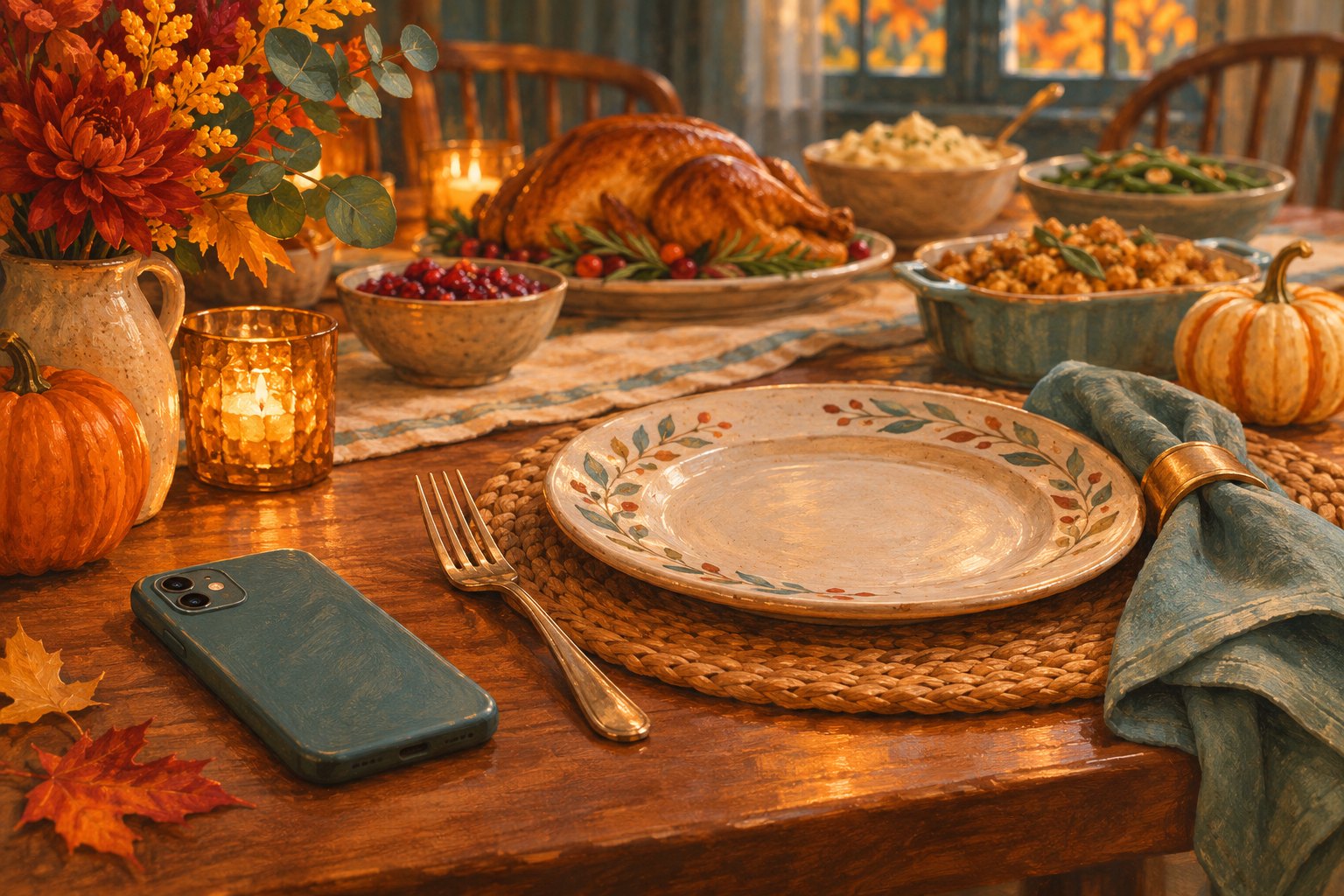
Wanda Dench and Jamal Hinton’s Thanksgiving friendship has the kind of opening a screenwriter would love: a message reaches the wrong person, an invitation survives the misunderstanding, and strangers find a place in each other’s lives. Their decade-long connection is now the subject of a planned Lifetime movie. The most promising part of that adaptation is everything that happens after the mistake.
This is an adaptation preview, not a review of a completed film. The reported production schedule places the movie ahead of audiences, so its performances, dialogue, scenes, and ending cannot yet be assessed. What can be examined is the dramatic potential of its documented premise—and the choices that could give both people room to become fully realized screen characters.
What Is Known About the Lifetime Movie?
The project’s working title is The Thanksgiving Grandma. According to producer Jack Leslie’s comments to The Arizona Republic, filming is anticipated in 2027, with a November 2027 release being targeted. Glen Dolman is working on the screenplay. Those are development plans, rather than a guaranteed premiere date. Dench described the intended focus as the support she and Hinton have given each other over the years. These details come from [The Arizona Republic’s reporting](https://www.aol.com/articles/arizona-thanksgiving-grandma-story-lifetime-141229000.html).
That distinction matters for anyone looking for the movie this Thanksgiving. The announcement concerns a forthcoming dramatization; it does not establish that a finished film is available to watch. It also leaves the central artistic questions open: whose perspective will guide the story, how much time it will cover, and how its characters will change.
The Invitation Is Already a Character Moment
The real encounter began in 2016 when Dench mistakenly sent Hinton a Thanksgiving invitation intended for her grandson. Once the misunderstanding became clear, Hinton asked whether he could still attend. Dench’s response included the now-famous words, “Of course you can.” Contemporary [TIME coverage of their first Thanksgiving](https://time.com/4582411/grandma-thanksgiving-invite/) documents the exchange and his eventual visit. These are words from the real story, not verified movie dialogue.
As a dramatic moment, that answer works because it makes generosity concrete. An invitation has a practical meaning: another person will arrive, need a seat, and share the meal. Dench’s decision can therefore reveal character without requiring a speech about kindness. The action carries the idea.
My reading is that an adaptation should preserve the modest scale of that choice. Making it excessively solemn could weaken its charm. The humor of discovering a stranger on the other end of a family message belongs beside the warmth. A believable character can be amused, surprised, and welcoming at once.
There is also an important boundary between interpreting an action and inventing a motive. Nothing about the invitation alone establishes that Dench was searching for a substitute grandson or trying to fill an emotional void. A screenplay would need a sound basis for such claims. The documented gesture is compelling without them.
Jamal Needs a Perspective Beyond Being Welcomed
The working title places the grandmother at the center, but a lasting friendship requires two people. Hinton’s role presents an equally significant dramatic opportunity: he responds, participates, and helps turn an accidental contact into a relationship.
A weak version could make him chiefly the grateful recipient of someone else’s goodness. That would reduce the story to a single direction of generosity. A stronger characterization would give him an independent point of view, including humor, judgment, and the freedom to decide what this connection means to him.
This does not require inventing resistance or a confrontation. Character development can emerge through changing levels of familiarity. In a hypothetical adaptation, the difference between asking permission to participate and feeling comfortable enough to contribute could communicate a great deal. That is a storytelling possibility, not a description of a confirmed scene.
The useful question for viewers will be whether both leads influence the relationship. Does each have opportunities to listen as well as speak? Can each offer something the other values? Those questions provide a better measure of emotional depth than the number of tearful moments.
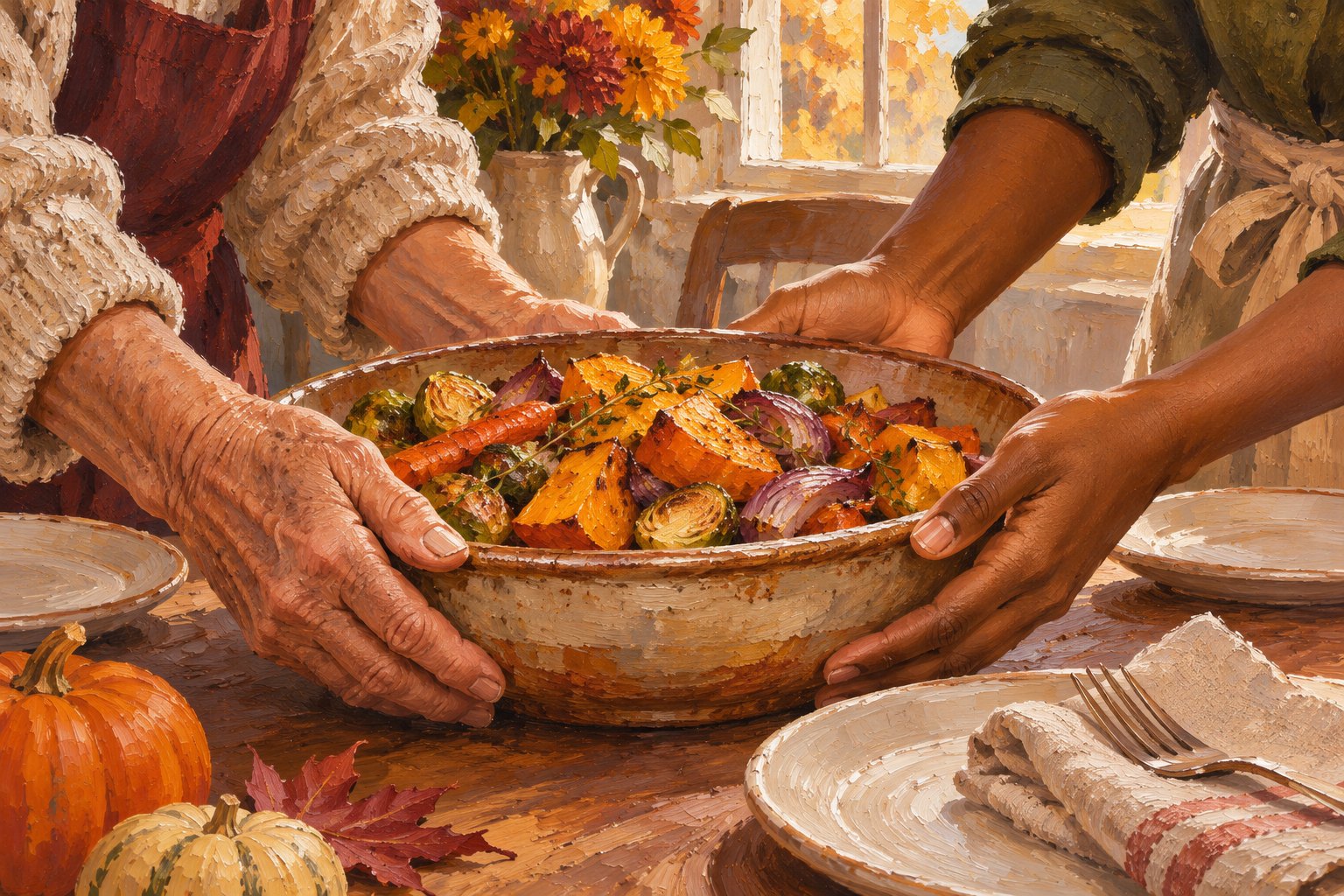
How Do You Turn a Tradition Into a Story?
The mistaken message supplies an immediate hook. A decade of friendship poses a more interesting structural challenge. Repeated gatherings can feel redundant onscreen unless the audience understands what has changed between them.
One possible approach would use the holiday as a recurring point of comparison. A familiar setting could acquire new meaning through altered relationships, different responsibilities, or a change in who offers reassurance. The dramatic movement would come from the people, even when the occasion remains recognizable.
Another approach would give more attention to the space between celebrations. An annual dinner can symbolize a bond, but the screenplay still has to establish why that bond matters. Otherwise, a succession of happy reunions risks becoming an illustrated timeline.
For me, the strongest measure would be specificity. A scene should reveal something about these two individuals that could not simply be transferred to any sentimental holiday movie. Their distinct ways of joking, listening, or navigating awkwardness would matter more than a polished statement about friendship.
That emphasis on behavior also informs our character-focused reading of listening and care in Heartland. Emotional importance becomes convincing when a story shows what people actually do for one another.
Warmth Should Leave Room for Individuality
A comforting movie does not need to make its central characters endlessly agreeable. Affection becomes more persuasive when people retain their personalities. Differences in temperament, preferences, and communication can create texture without demanding a manufactured villain.
The same principle applies to the film’s visual choices. A beautifully dressed table can establish a seasonal atmosphere, but decoration cannot substitute for attention between characters. The audience needs to notice who is being heard, who is comfortable, and how a shared space becomes familiar.
Our discussion of family connection in Hook approaches belonging through fantasy. Here, the attraction is the ordinary scale: a meal and a decision to include someone. The adaptation’s opportunity lies in trusting that scale enough to let it carry emotion.
The Deeper Meaning Is in Keeping the Invitation Open
The wrong number explains how the story starts. It cannot, by itself, explain why the story lasts. That is where the Lifetime project has its richest material.
I see the central idea as belonging created through repeated choices. Chance can introduce people, but it cannot perform the ongoing work of friendship. A meaningful adaptation would make that work visible while preserving the pleasure of being together.
The film will ultimately need to earn its emotional response through writing, performance, and observation. Its true-story premise gives it a compelling beginning. Its greater promise is the possibility of showing how an unexpected guest becomes someone whose presence matters—and how welcoming that person changes the table for everyone.
Original content by this site's editorial team. Published: November 23, 2026 at 06:03:33 PST (Los Angeles time)