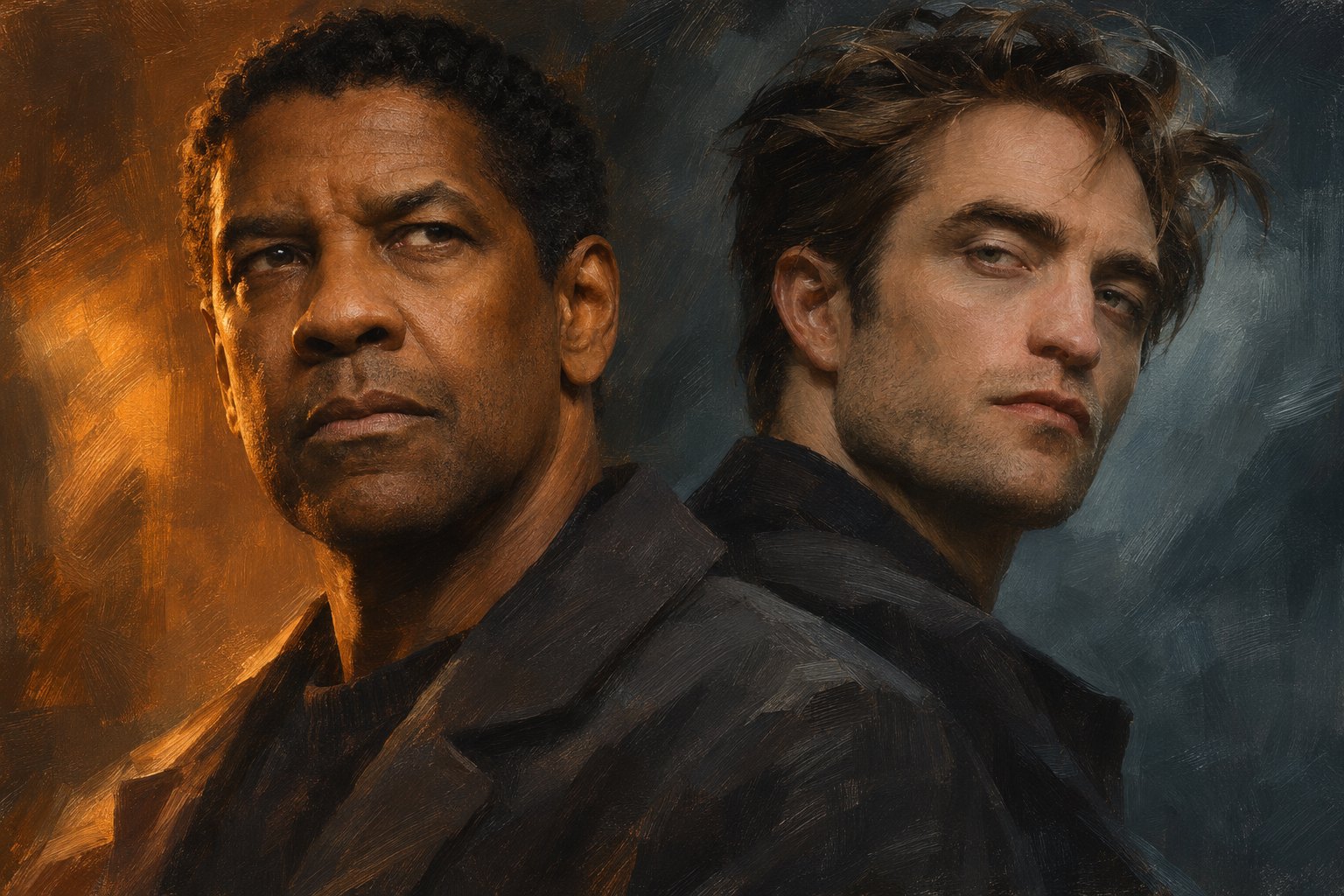
Collision Course ends with Pedro, Raúl, Carla, and Tomás surviving the crash, but it does not confirm that they escape punishment. The deaths and arrests shown earlier belong to alternative versions of the getaway. The final sequence gives the group another possibility without resolving its future. Their immediate survival is clear; their lasting freedom is not. [Ending account](https://www.iforher.com/life-culture/movies-tv/collision-course-ending-explained-who-survives-and-who-gets-the-real-diamonds/)
That distinction makes the ending easier to follow—and more interesting to debate. The characters begin again with limited knowledge, while viewers retain what the preceding branches have revealed. We can recognize dangers that the people in the car still cannot see.
Spoilers follow for the alternate timelines, the diamond scheme, and the final scene.
Why the movie keeps returning to the crash
Daniel Sánchez Arévalo’s Spanish thriller begins with a Madrid bank robbery during an economic crisis. Its central structural choice arrives during the getaway: an accident becomes the starting point for several different outcomes. Each principal branch removes a different member of the crew. These are alternatives, rather than successive events in one continuous chain. [Plot and structure overview](https://moviedelic.com/collision-course-ending-explained/)
The most useful way to follow the film is to separate two kinds of information. A death belongs to a particular branch. A relationship or deception established before the crash helps explain the group across those branches. Confusing those categories makes the ending seem contradictory when it is actually withholding a final outcome.
As a storytelling device, this has a clear strength: a character’s absence becomes a way of examining that character’s importance. The potential weakness is emotional. Once another reset becomes possible, viewers may begin treating suffering as temporary information. My reading is that the structure works best when it reveals a specific attachment, rather than merely producing another reversal.
What each death exposes about the survivors
Pedro and Raúl: family loyalty disrupts the plan
In the Pedro branch, Raúl loses his father and eventually shoots Tomás during the struggle over the stolen money. In the Raúl branch, Pedro refuses to let the others burn the vehicle with his son inside. His refusal leaves evidence available to investigators. The two outcomes make their relationship central to the crew’s collapse. [Timeline breakdown](https://moviedelic.com/collision-course-ending-explained/)
Pedro’s refusal is especially revealing. Concealing a crime may sound like a practical agreement until carrying it out requires destroying someone you love. The father’s attachment puts a limit on what the criminal partnership can demand. His decision is disastrous for the plan, yet emotionally understandable.
Raúl’s accusation against Ernesto gives the financial background its sharpest personal expression: “You killed him way before that accident.” In the English transcript, the line connects his father’s death with the damage inflicted before the robbery. [Dialogue transcript](https://www.springfieldspringfield.co.uk/movie_script.php?movie=collision-course-2026)
The accusation matters because it makes Raúl’s anger larger than the immediate emergency. To him, responsibility began accumulating long before the collision. That does not excuse his violence. It explains why an apparently practical discussion about money can become unbearable.
Carla and Tomás: intimate knowledge becomes a weapon
Carla’s death exposes her pregnancy and her relationship with Raúl. Tomás subsequently kills Raúl and Pedro. The branch shifts the danger from concealing the robbery to the destructive consequences of discovery within a marriage. [Character and plot account](https://www.highonfilms.com/collision-course-2026-movie-ending-explained/)
Tomás’s reaction should remain his responsibility. Learning that a partner has concealed something does not make murder inevitable or justified. The distinction is essential to reading this branch without accepting his wounded perspective as the film’s moral verdict.
Carla also risks becoming most legible through the men reacting to her. A character-centered reading should resist that reduction: her private desires matter, even when the plot presents them through someone else’s discovery. The question of who possesses information—and who gets to act on it—also informs our discussion of competing perspectives in a heist story.
The counterfeit diamonds explain the larger betrayal
The branch in which Tomás dies allows the remaining group to maintain its cover long enough for another discovery. Pedro has secretly taken the stones from the deposit box, but they are imitations. The robbery is connected to an insurance scheme involving Ernesto and the box’s owner. Later, Lola attempts her own escape with supposed diamonds, while Ernesto retains the genuine stones. These revelations belong to that developed branch; they should not be mistaken for events shown after the final getaway. [Diamond-scheme explanation](https://www.highonfilms.com/collision-course-2026-movie-ending-explained/)

The fake stones give the story a particularly bitter joke. Pedro can deceive his accomplices and still misunderstand the object he has stolen. Being better informed than the person beside him does not mean he understands the operation.
My interpretation is that the diamonds turn the film into a study of misplaced confidence. Every apparent advantage invites its holder to stop asking questions. Possession feels like proof of success, even though the valuable thing is knowledge of the arrangement behind the possession.
What the last exchange tells us
The final return to the getaway includes a complaint about the smell from Pedro’s shoe. His reply in the English transcript is blunt: “Well, you better get used to it, kid.” The everyday unpleasantness punctures the relief of survival. [Closing dialogue](https://transcripts.foreverdreaming.org/viewtopic.php?t=267844)
As a closing line, it suggests accommodation rather than transformation. These people have survived together, but survival has not made their company comfortable or their relationships honest. The joke leaves them sharing a confined space with something objectionable that nobody can simply wish away.
That is an interpretation of the line, not proof of a future arrest. Likewise, the earlier branches establish reasons to distrust a happy ending without authorizing us to invent another fatal confrontation.
A second chance without a clean slate
For me, the ending’s strongest idea is the unequal distribution of a second chance. The audience receives knowledge through repetition. The characters receive continued life without the benefit of watching their alternatives. We are better equipped to judge their situation precisely when the film stops letting us intervene in it.
The result can feel frustrating if the desired payoff is a definitive answer about who keeps the money. But an unresolved future can still deliver a precise dramatic conclusion. Our analysis of Whiplash’s final performance explores a related distinction between immediate achievement and what that achievement means.
Collision Course leaves that distinction inside the getaway car. Everyone is alive. Nobody has demonstrated that the underlying bargains have become fair, that private loyalties now align, or that mistrust has disappeared. The crash offers an obvious danger to survive. The harder problem is how these people will live with one another afterward.
Original content by this site's editorial team. Published: November 3, 2026 at 20:22:22 PST (Los Angeles time)