Chris Pratt would love to make another Guardians of the Galaxy movie with James Gunn. That prospect has an obvious emotional appeal: their collaboration gave Peter Quill a swaggering exterior and an increasingly exposed heart. But Pratt’s enthusiasm is an expression of interest, not confirmation that Guardians of the Galaxy 4 is happening. His conditional answer leaves the creative question open. [Pratt’s interview](https://www.moviezine.se/nyheter/chris-pratt-wants-guardians-of-the-galaxy-4-with-james-gunn-exclusive)
The most useful way to consider a reunion is to revisit the film that made saying goodbye feel necessary. Guardians of the Galaxy Vol. 3 gives these characters something superhero franchises often struggle to allow: permission to want different lives. A fourth film could be worthwhile, but its strongest foundation would be the consequences of that ending.
Major spoilers follow for Guardians of the Galaxy Vol. 3, including its ending and credits scenes.
Peter Quill’s real challenge is accepting change
Peter begins Vol. 3 emotionally stranded. The Gamora traveling through this story does not share the relationship he remembers. His grief is understandable; his expectation that she might somehow become the woman he lost is the problem. Pratt makes that contradiction central to Peter’s appeal. The jokes and impatience belong to someone whose confidence has become difficult to sustain.
Rocket’s medical crisis gives Peter a task he understands: gather the team, improvise a plan, keep moving. Saving a friend lets him express love through action. Accepting Gamora’s independence requires a different skill, because effort cannot produce the outcome he wants.
That distinction is where the film becomes more affecting than its rescue machinery. Peter can risk himself for someone. He cannot make another person inherit a romance. Watching him gradually recognize that limit gives his familiar impulsiveness a meaningful destination.
Gamora’s farewell is the scene a sequel should remember
“I bet we were fun,” Gamora tells Peter. The line is tender precisely because it does not restore their relationship. She can recognize that something valuable existed without pretending it happened to her. [Dialogue reference](https://www.imdb.com/title/tt6791350/quotes/?item=qt6870878)
For Peter, that acknowledgment is both a gift and a boundary. For Gamora, it preserves the right to understand herself through her own experiences. The scene lets them share warmth without making her responsible for resolving his grief.
My reading is that this is the film’s most mature treatment of love. Peter’s memories remain meaningful, but they stop functioning as instructions for someone else. The emotional resolution depends on his willingness to listen.
That is also the danger facing a hypothetical fourth film. An effortless romantic reset would weaken a scene whose power comes from restraint. A future relationship would need its own development, including the possibility that friendship remains the right outcome. The broader issue of whose perspective gets to define another person also runs through our discussion of performance, intimacy, and competing claims to a person’s story.
Rocket changes what victory means
Although Pratt’s comments put Star-Lord at the center of the sequel conversation, Vol. 3 builds its emotional weight around Rocket. The flashbacks to his captivity turn his defensiveness into something more legible. His intelligence exists alongside a history of being treated as material for someone else’s ambitions.
The High Evolutionary’s obsession with improvement provides the film’s ugliest contrast to friendship. He evaluates living beings according to what they demonstrate about his abilities. Rocket’s relationships allow value to exist before achievement. His friends do not need him to justify the trouble of saving him.
By the climax, the rescue expands beyond Rocket to the children and animals aboard the High Evolutionary’s ship. That expansion matters: the Guardians apply the care they feel for one friend to lives outside their immediate circle. [Ending details](https://www.syfy.com/syfy-wire/the-ending-of-guardians-of-the-galaxy-vol-3-explained)
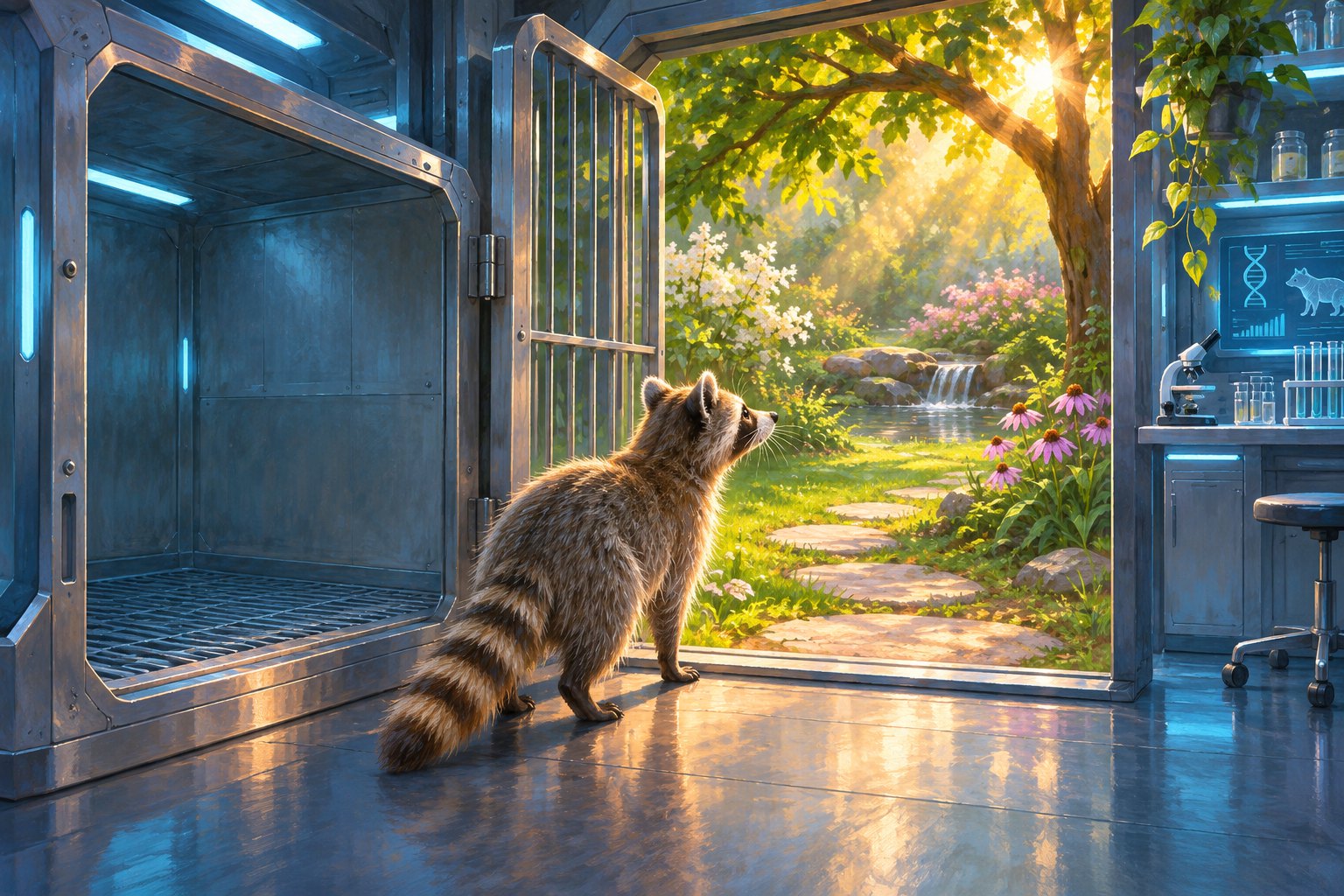
For me, this is the film’s strongest moral progression. Rocket’s suffering does not simply license retaliation. It sharpens the importance of preventing other creatures from remaining disposable. The action becomes emotionally satisfying because escape and protection matter as much as defeating the antagonist.
A continuation would need to carry that expanded compassion forward. Rocket has earned a perspective larger than the defensive sarcasm that once helped him survive. Repeating only the sarcasm would preserve his surface while losing his development.
A forceful film with an occasionally crowded rhythm
Vol. 3 is moving, but its emotional intensity sometimes strains against its crowded construction. Rocket’s painful history, the urgent rescue, Peter’s romantic grief, and the ensemble’s comedy all compete for space. Some transitions give a devastating moment little time to settle before another argument or plot complication arrives.
The animal suffering is particularly difficult material. It establishes the stakes of Rocket’s story, yet viewers may reasonably find the repeated distress exhausting. Admiring the film’s compassion does not require enjoying every method it uses to summon that feeling.
Gunn’s great strength here is making the ensemble’s abrasive behavior coexist with loyalty. These people can irritate one another and still respond when someone needs help. Their affection feels lived-in because agreement is never its prerequisite. That is a more durable source of humor than simply assigning everyone another punch line.
As we explore in why enjoyment and critical judgment can coexist, recognizing unevenness need not diminish an emotional connection. In this case, the ending gives the film’s competing tones a convincing purpose.
The ending lets the family change shape
Peter returns to his grandfather, Gamora rejoins the Ravagers, and Mantis chooses an independent path. Drax and Nebula stay on Knowhere to help care for the rescued children, while Rocket takes leadership of the Guardians. Their separation follows a successful rescue, rather than a collapse of affection. [Character destinations](https://www.syfy.com/syfy-wire/the-ending-of-guardians-of-the-galaxy-vol-3-explained)
Those choices make the farewell unusually generous. Belonging has given the characters enough security to imagine lives beyond the group. Staying together forever would not necessarily be evidence that the family succeeded.
Groot’s “I love you guys” gives that idea a beautifully direct expression. The words make affection explicit at the moment when everyone no longer needs to express it through the same shared routine. [Groot’s farewell](https://time.com/6277241/guardians-of-the-galaxy-vol-3-post-credits-explained/)
The credits callback points toward renewal
The credits introduce Rocket’s new team and return to Redbone’s “Come and Get Your Love,” a musical callback to the first film. The familiar song accompanies a changed lineup, suggesting that continuity can survive transformation. [Credits-scene breakdown](https://www.gamespot.com/articles/guardians-of-the-galaxy-vol-3-ending-and-post-credits-scenes-explained/1100-6513842/)
That is the most promising principle for any future collaboration between Pratt and Gunn. Another adventure could explore how people reconnect after growing separately. It could allow Peter to participate without automatically reclaiming every role he once occupied.
Pratt’s wish is easy to share. The deeper achievement of Vol. 3, however, is its belief that love can survive departure. A fourth film would earn its place by trusting that belief—and discovering who these people become after goodbye.
Original content by this site's editorial team. Published: November 15, 2026 at 19:37:57 PST (Los Angeles time)