The 2026 Telluride Film Festival makes an appealing starting point for fall fashion because it invites a practical question: what would you actually enjoy wearing to the movies? The most useful inspiration is an outfit that works while walking, waiting, sitting through a screening, and talking afterward. For a film lover, that is a more interesting challenge than assembling clothes that only look convincing in a photograph.
Vogue’s September 8 fashion coverage presents the festival through an autumn wardrobe lens, emphasizing casual clothing and layers. That is the reporting behind this discussion; the outfit suggestions and interpretations below are our own editorial take. See [Vogue’s Telluride fashion report](https://www.vogue.com/slideshow/2026-telluride-film-festival-fall-fashion-inspiration).
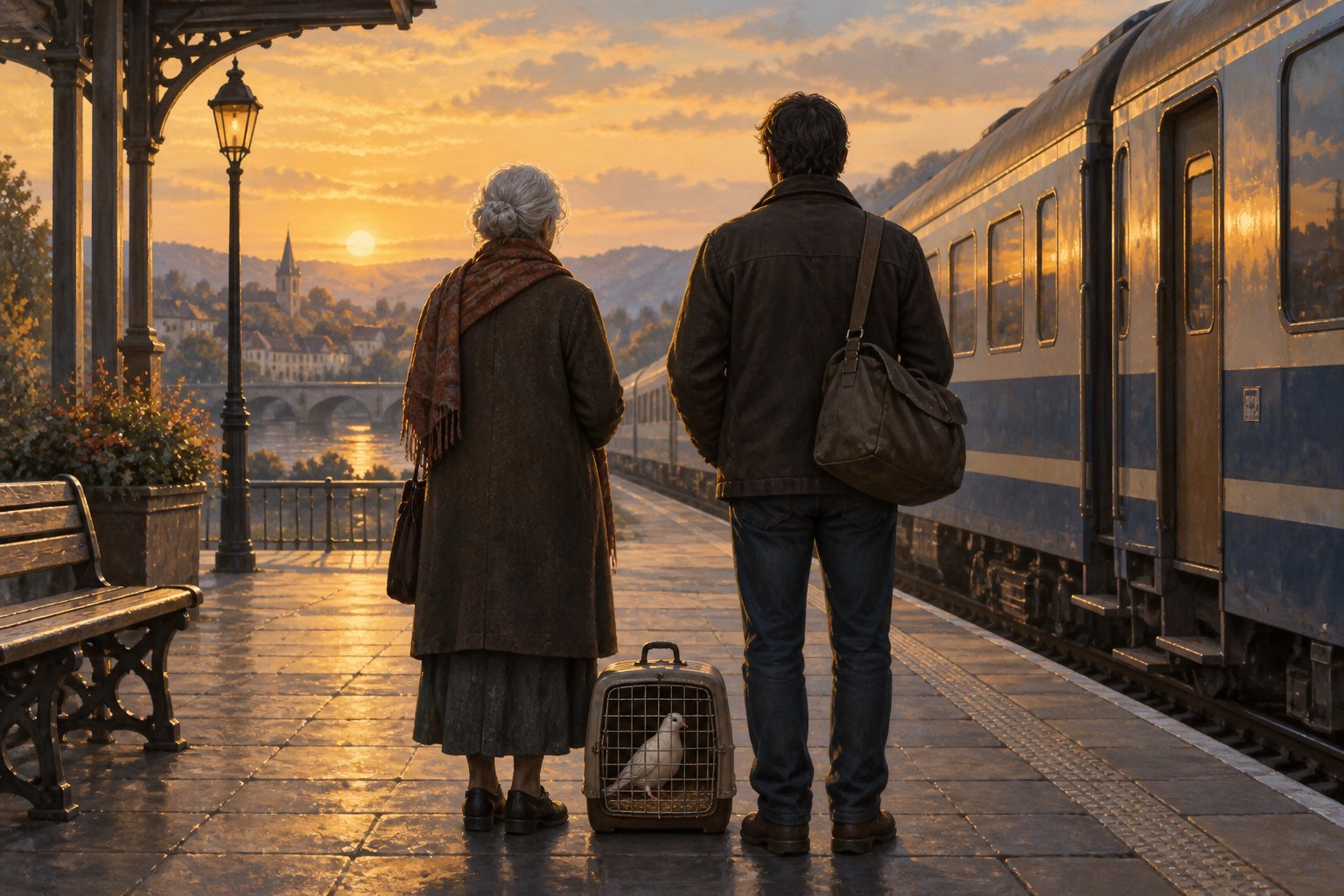
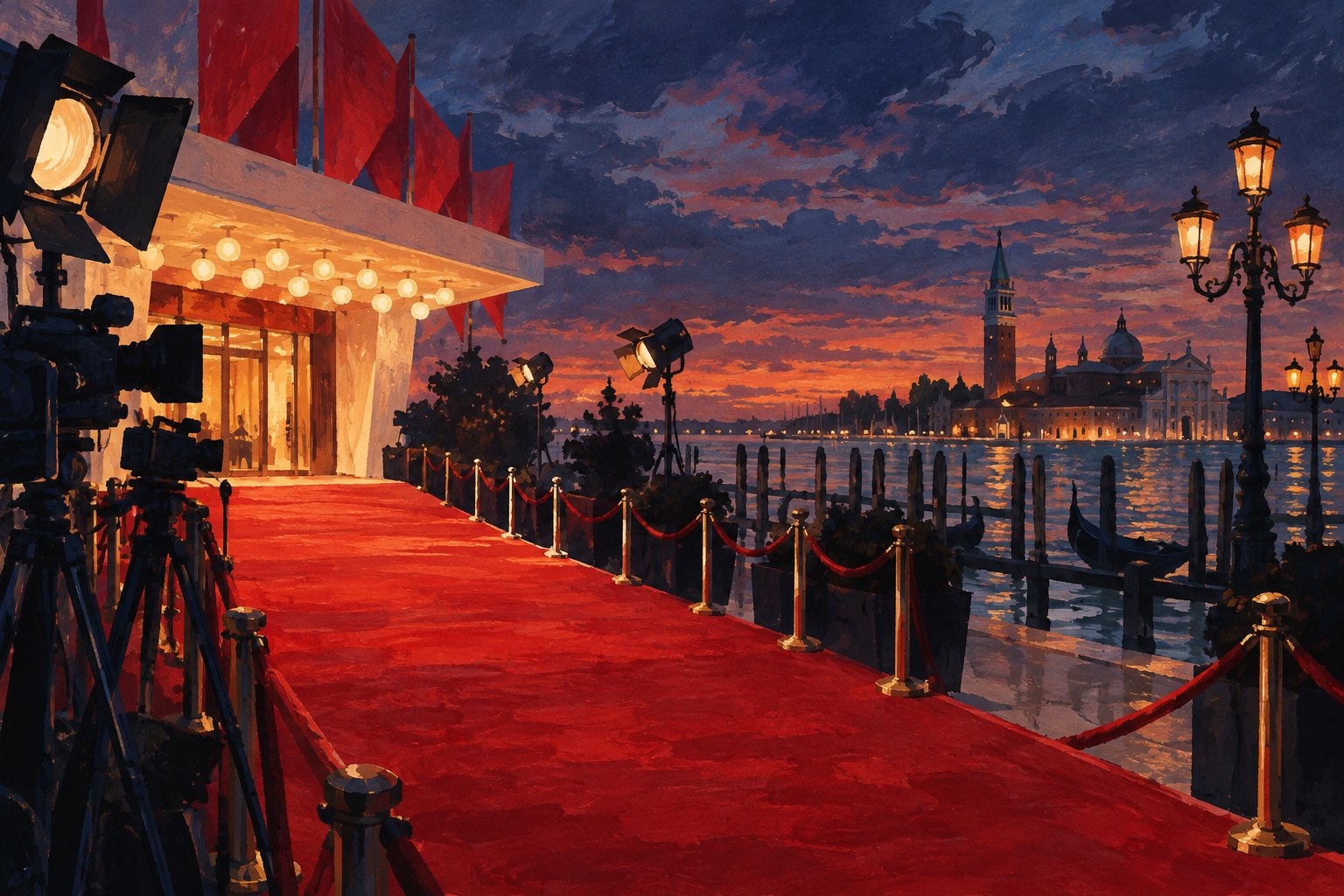
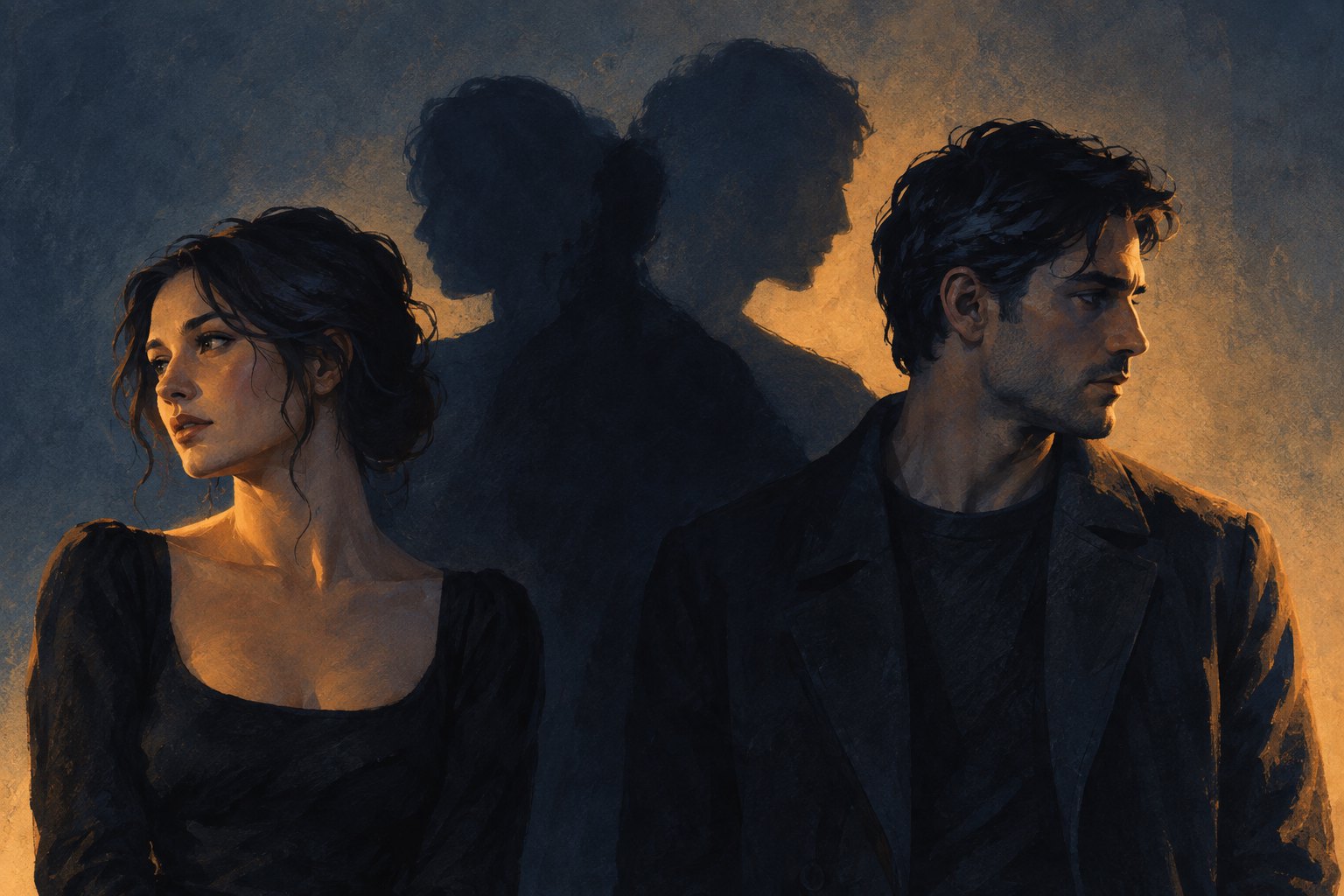
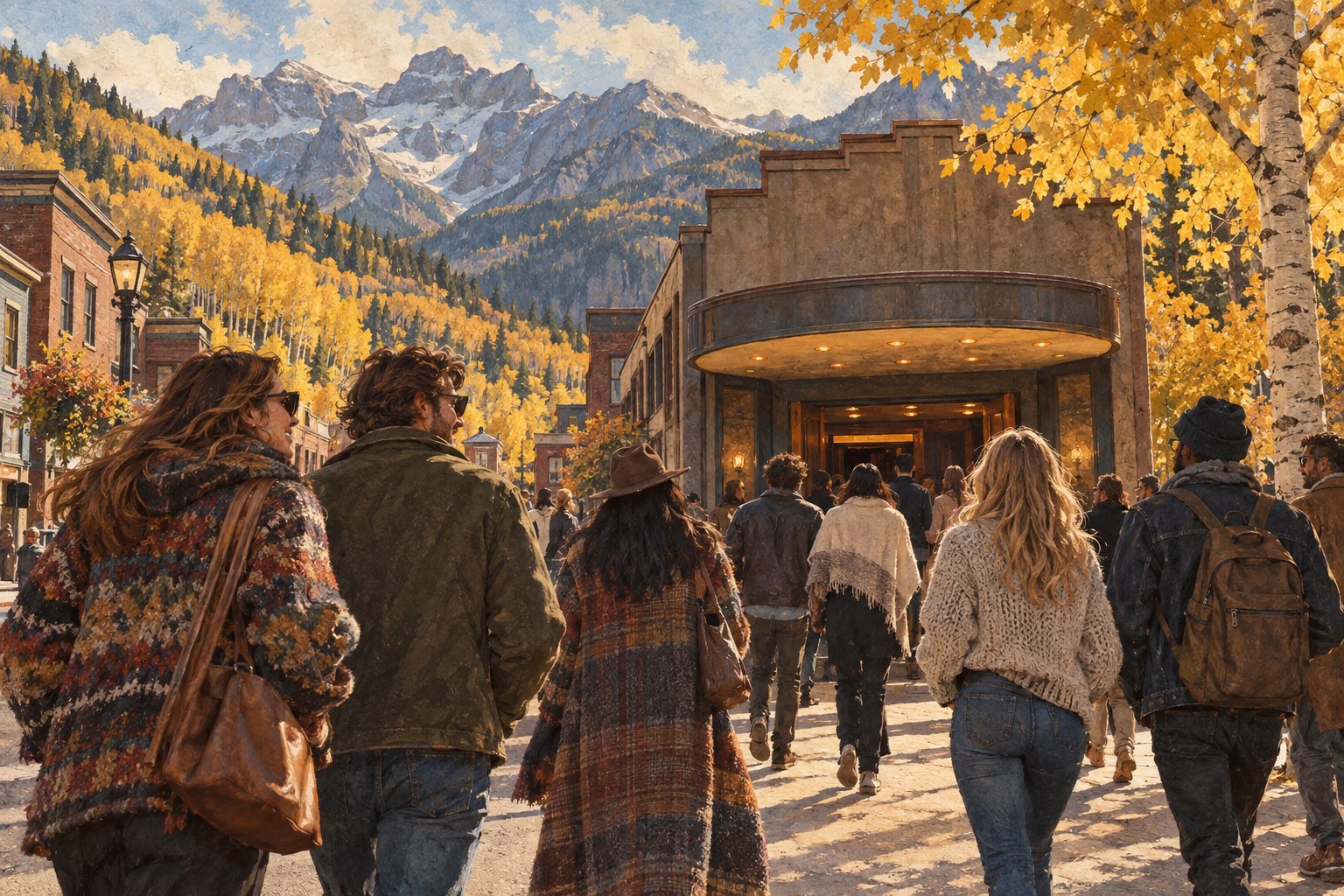
This is spoiler-free commentary on festival style and movie culture. The illustrations are conceptual scenes, rather than records of particular appearances.
Why this festival-fashion idea feels usable
My view is that the strongest seasonal inspiration gives familiar clothes a clearer purpose. A favorite jacket can become the organizing piece of an outfit. A sweater can provide warmth and soften the outline of a sharper shirt. The appeal comes from seeing how separate items work together, then translating that relationship into your own wardrobe.
For readers drawn to Telluride as a film event, there is an additional attraction: dressing for a day with a destination. A screening gives clothes a job. You need to move comfortably, keep your belongings close, and settle into a seat without spending the opening scene adjusting a collar or wrestling with a coat.
That practical framework also creates room for personality. Someone who likes precise tailoring can choose soft trousers and an unstructured jacket. Someone who prefers denim can build around jeans already worn into a comfortable shape. Neither needs to imitate a celebrity’s whole appearance to participate in the mood.
Build the outfit around the seated experience
Start with how the clothes feel when you sit down. This sounds obvious, but many outfits are assessed almost entirely in front of a standing mirror. A waistband that feels fine for a minute can become distracting during a feature. A bulky layer can bunch behind your shoulders. An oversized bag can consume the space your feet need.
A useful test is to wear the proposed outfit in a chair for several minutes, with the jacket on and then off. Reach for your bag. Cross and uncross your legs. Check whether cuffs fall over your hands or fabric pulls across your back. These small observations provide more useful information than whether the outfit resembles a festival photograph.
Give each layer a distinct purpose
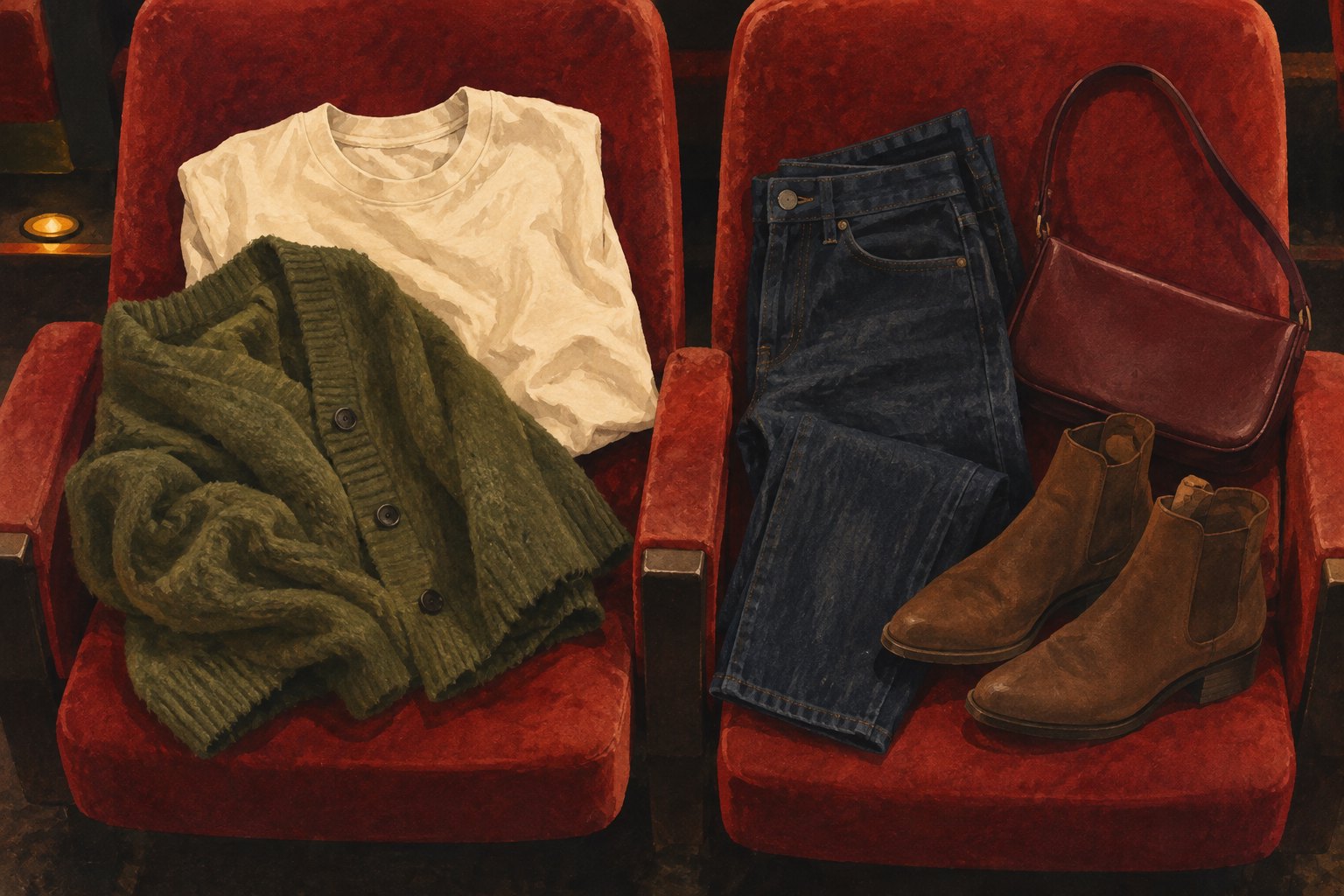
Begin with a comfortable base, add a removable middle layer, and choose an outer layer with enough room for both. A cotton T-shirt, cardigan, and relaxed jacket offer one possible combination. A shirt beneath a light sweater offers another. These are suggested formulas, not descriptions of specific Telluride appearances.
The key is avoiding several garments that compete for the same space. If the sweater is substantial, the jacket needs a forgiving cut through the upper arms. If the shirt has a prominent collar, consider whether a second neckline adds interest or simply makes the arrangement feel crowded.
Use one detail to establish the mood
A small color accent can make an otherwise quiet outfit feel intentional. Try a burgundy bag against green knitwear, or a warm brown shoe beneath dark denim. Equally, a monochrome outfit can gain definition through texture: smooth cotton beside a visibly knitted surface gives the eye something to follow.
My preference is to let one element lead. When every accessory demands attention, the outfit becomes harder to read. For an evening organized around watching someone else’s story, a little visual restraint can feel especially appropriate.
The cinematic appeal of looking approachable
Festival fashion also offers a lesson in how viewers construct stories about people. Give an audience a face, an outfit, and a setting, and interpretation begins almost immediately. A relaxed jacket may suggest ease. A carefully fastened shirt may suggest precision. Familiar clothes can make a famous person seem closer to everyday life.
Those impressions belong to the viewer. They do not establish the wearer’s temperament, intentions, or private circumstances. An apparently effortless appearance might involve considerable planning; a formal outfit might be personally comfortable. We can describe the visual effect without pretending to know the person behind it.
This distinction matters for a movie-review site because actors arrive carrying public images. Festival photographs can strengthen those images before audiences encounter a new performance. Our discussion of Ever Anderson’s premiere style and the role behind the appearance offers a related point of entry into that relationship between presentation and acting.
Offscreen clothes cannot explain an onscreen character
Costume analysis becomes meaningful when it follows the film’s actual dramatic circumstances. What can the character afford? What are they trying to communicate? Does an outfit help them fit into a room, protect them from scrutiny, or expose a mismatch between their ambitions and their situation?
Those questions require scenes, actions, and context. A performer’s festival wardrobe cannot answer them. Nor can a publicity photograph establish whether a performance is emotionally precise, whether a relationship develops convincingly, or whether a film earns its ending.
A stronger critical approach begins with what the character does and how the film lets us observe it. Clothing can then become supporting evidence. A change in dress might matter because it accompanies a change in behavior, but that connection has to exist in the work. For more on evaluating festival commentary, our guide to finding the story behind Telluride review verdicts keeps attention on the substance of criticism.
Take the inspiration into your own movie night
Before buying anything, assemble one screening outfit from clothes you already reach for. Choose the piece that feels most like you, then solve the practical questions around it: warmth, movement, footwear, and somewhere to put the outer layer. Photograph the result if that helps you assess proportion, but give comfort the final vote.
The deeper appeal of Telluride as fall-fashion inspiration, to my eye, is the possibility of bringing personal style into a life organized around curiosity. Clothes can make the trip to a theater feel like an occasion while still allowing you to forget about them once the film begins. That is a worthwhile standard: an outfit with enough character to enjoy wearing, and enough ease to leave your attention available for the screen.
Original content by this site's editorial team. Published: September 9, 2026 at 20:46:05 PDT (Los Angeles time)