The Hunger Games: Sunrise on the Reaping loses something consequential when it trims the machinery surrounding Haymitch’s ordeal. Training scores, a surveillance device, and moments of uneasy solidarity might sound expendable beside the arena’s violence. Yet those details help explain how the Capitol controls behavior—and why resistance can be harder than recognizing an enemy.
Among the omissions identified in People’s seven-part book-to-film comparison, five deserve particular attention for their effect on characterization. The discussion below examines those reported differences and offers an interpretation of their dramatic significance. It is an adaptation analysis, rather than a verdict on every aspect of the film.
Spoilers follow for the novel and film, including character deaths.
Haymitch’s missing score changes the meaning of defiance
The movie retains Haymitch’s defiant evaluation but omits the novel’s resulting training score of one.
A number can do dramatic work that a confrontation alone cannot. Defiance tells us what Haymitch thinks of authority. An official assessment shows authority answering back, translating an unruly person into a supposedly objective judgment. The difference is between watching someone refuse to cooperate and watching an institution establish the terms on which everyone else will understand him.
For Haymitch, that distinction matters. We tend to recognize a rebellious protagonist through visible gestures: insolence, refusal, an unexpected challenge. Bureaucratic retaliation is quieter. It allows power to present its response as ordinary procedure.
My reading is that preserving the confrontation while dropping the score makes the rebellion easier to grasp immediately, but less revealing about its consequences. The useful question for viewers is whether the remaining scene communicates a cost. Without one, defiance risks becoming an appealing personality trait instead of a dangerous choice.
Snow’s milk makes an ordinary object threatening
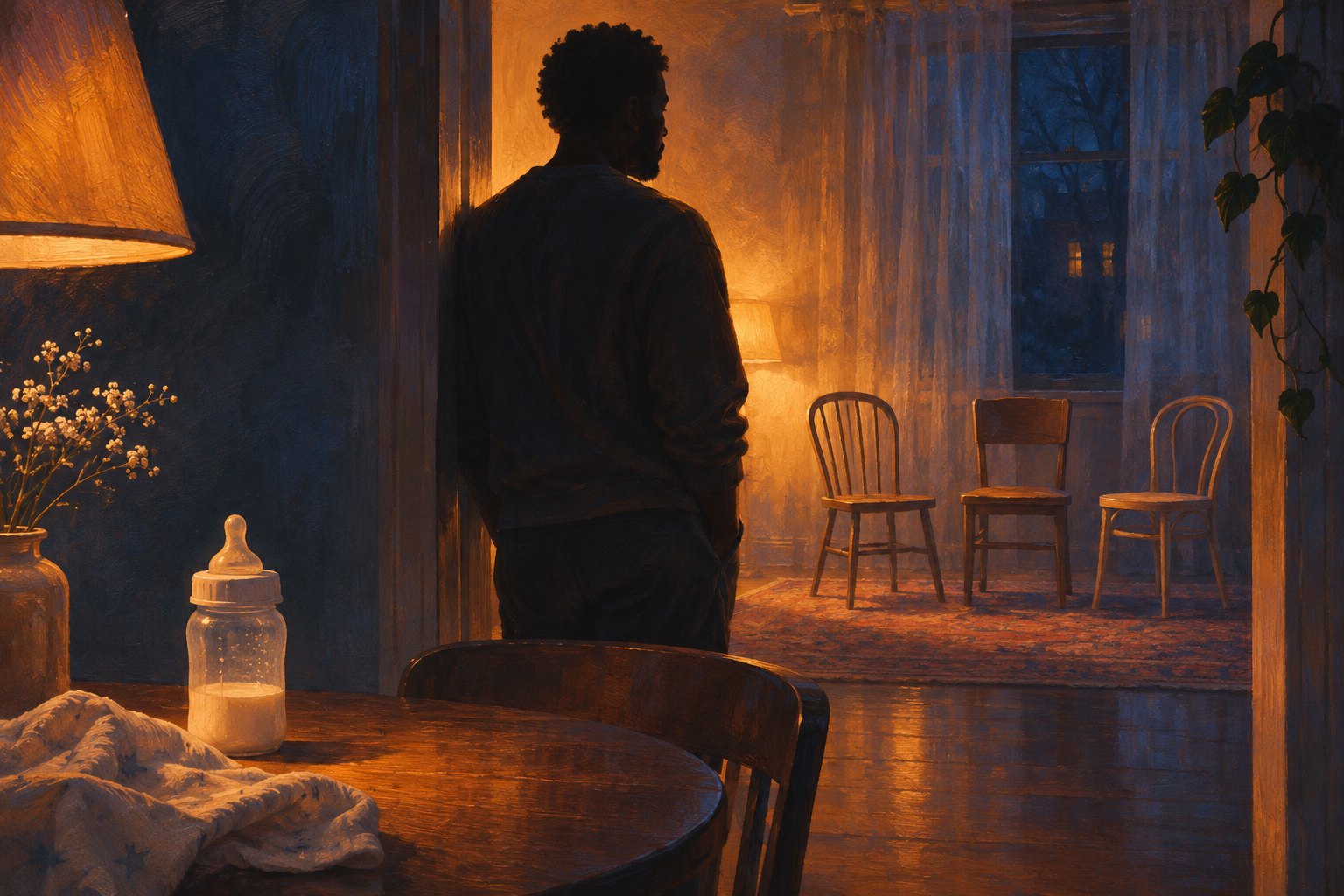
The novel connects Haymitch’s consumption of Snow’s milk with a later, suspicious arena gift. The film omits that connection.
What interests me here is the way a mundane object can become psychologically contaminated. Milk ordinarily suggests nourishment. Once it carries the possibility of retaliation, accepting care becomes an exercise in interpreting someone else’s intentions.
This is a particularly intimate form of power. A threat does not have to announce itself if its recipient has learned to anticipate punishment. The uncertainty does the work: perhaps this is harmless; perhaps treating it as harmless is exactly the mistake someone wants.
On screen, such a motif needs preparation and payoff. Removing it can simplify the narrative, but it also removes an opportunity to make the audience share Haymitch’s suspicion. We would have to examine something ordinary through his experience, rather than merely recognize Snow as dangerous. That is the distinctive value of a recurring object: it can turn interpretation itself into suspense.
Lou Lou’s earpiece makes coercion visible
Lou Lou’s implanted earpiece is absent from the adaptation, while the novel’s drug-based control is less explicitly explained on screen.
Of these reported changes, this strikes me as the most consequential for how an audience assigns responsibility. A controlled person’s behavior can look bewildering when the means of control remain obscure. Showing the mechanism helps spectators distinguish compliance from consent.
From Haymitch’s perspective, understanding another person requires looking beyond the performance imposed on her. That is an ethical challenge as much as a practical one. The visible behavior belongs to the victim, but its authorship may belong elsewhere.

The novel’s accusation, “murderers,” directs responsibility toward the people operating the system. This is a book quotation, not a claim about dialogue retained in the film. Its force lies in refusing the distance that machinery creates between an action and its author.
An adaptation does not need prolonged suffering to establish that relationship. A brief, intelligible indication of coercion can be enough. The critical distinction is between reducing graphic detail and reducing our understanding of who is doing what to whom.
Maysilee needs room to become more than an ally
The film compresses Maysilee’s background and her developing friendship with Haymitch, including the novel’s richer account of their initial class friction.
Friendship becomes persuasive through accumulated revisions. Someone irritates you, surprises you, understands something you miss, and gradually becomes necessary. These changes rarely look essential when considered one scene at a time. Together, they create the feeling that a relationship exists beyond its usefulness to the plot.
For Haymitch, such a friendship also challenges the limits of his judgment. Recognizing courage in a person he initially misreads gives his perspective room to grow. A protagonist becomes more interesting when other characters can expose his mistakes.
The novel’s phrase “fight with and fight for” captures the productive contradiction: affection does not require the disappearance of conflict. Again, that wording belongs to the book discussion, rather than a verified movie exchange.
Our separate analysis of how the adaptation reshapes love and loss considers other relationships. Here, the crucial issue is duration. Can the film make us feel that Haymitch and Maysilee have learned one another, rather than simply established an alliance?
The missing Gamemaker confrontation complicates courage
The novel includes Maysilee and Maritte killing Gamemakers while Haymitch freezes. That encounter does not appear in the film.
This omission raises a sharper character question than the amount of violence an adaptation should retain. What happens when the central rebel cannot act, while someone beside him can?
That reversal interrupts the assumption that a protagonist must always be the person who understands oppression most clearly or resists it most effectively. It gives other characters moral and dramatic independence. Their purpose extends beyond helping the hero become himself.
Fear of authority can survive the intellectual rejection of authority. A person may know that a command is illegitimate and still experience obedience as a reflex. In my view, dramatizing that gap makes resistance more credible. Courage becomes something unstable, learned, and unevenly available.
Removing the encounter may produce a smoother progression through the arena. The tradeoff is a lost opportunity to let Haymitch’s self-image collide with his behavior. That kind of contradiction often reveals more than another successful act of defiance.
What these cuts reveal about the story’s deeper stakes
The strongest argument for retaining these details is that each makes power specific. A score defines someone publicly. A familiar object becomes a threat. A device overrides autonomy. A friendship revises prejudice. A moment of paralysis exposes the persistence of learned obedience.
This is a different question from the commercial story explored in our commentary on the darker meaning beneath Sunrise on the Reaping’s comeback. An adaptation’s emotional precision depends on whether viewers understand the pressures behind a character’s choices.
My judgment is that Lou Lou’s coercion and Haymitch’s hesitation carry the greatest interpretive weight among these omissions. Both resist easy judgments about how people should behave under domination. They ask us to recognize that having a conscience does not guarantee freedom of action.
That is the deeper value of returning to the book after the movie: seeing how much of a person’s struggle can remain invisible. Haymitch becomes most compelling when rebellion includes uncertainty, mistaken judgments, and limits he cannot simply will away.
Original content by this site's editorial team. Published: November 21, 2026 at 15:50:16 PST (Los Angeles time)