Vinegar Syndrome is setting up shop in Dinkytown, bringing a movie label’s identity into a neighborhood retail space. For readers wondering which company is behind the news, it is the physical-media label discussed in Racket’s interview with co-founder Ryan Emerson. The arrival offers an occasion to consider something easily overlooked in conversations about cinema: the places where people decide what deserves their attention. [Racket’s interview with Ryan Emerson](https://racketmn.com/your-favorite-movie-nerds-favorite-movie-label-sets-up-shop-in-dinkytown)
A movie store can make an unfamiliar film feel approachable. You can pick up a case, compare editions, ask a question, and leave with a choice you would not have made before entering. My view is that this possibility gives the Dinkytown news its cultural interest. The meaningful measure of a shop is what happens between encountering a movie and actually watching it.
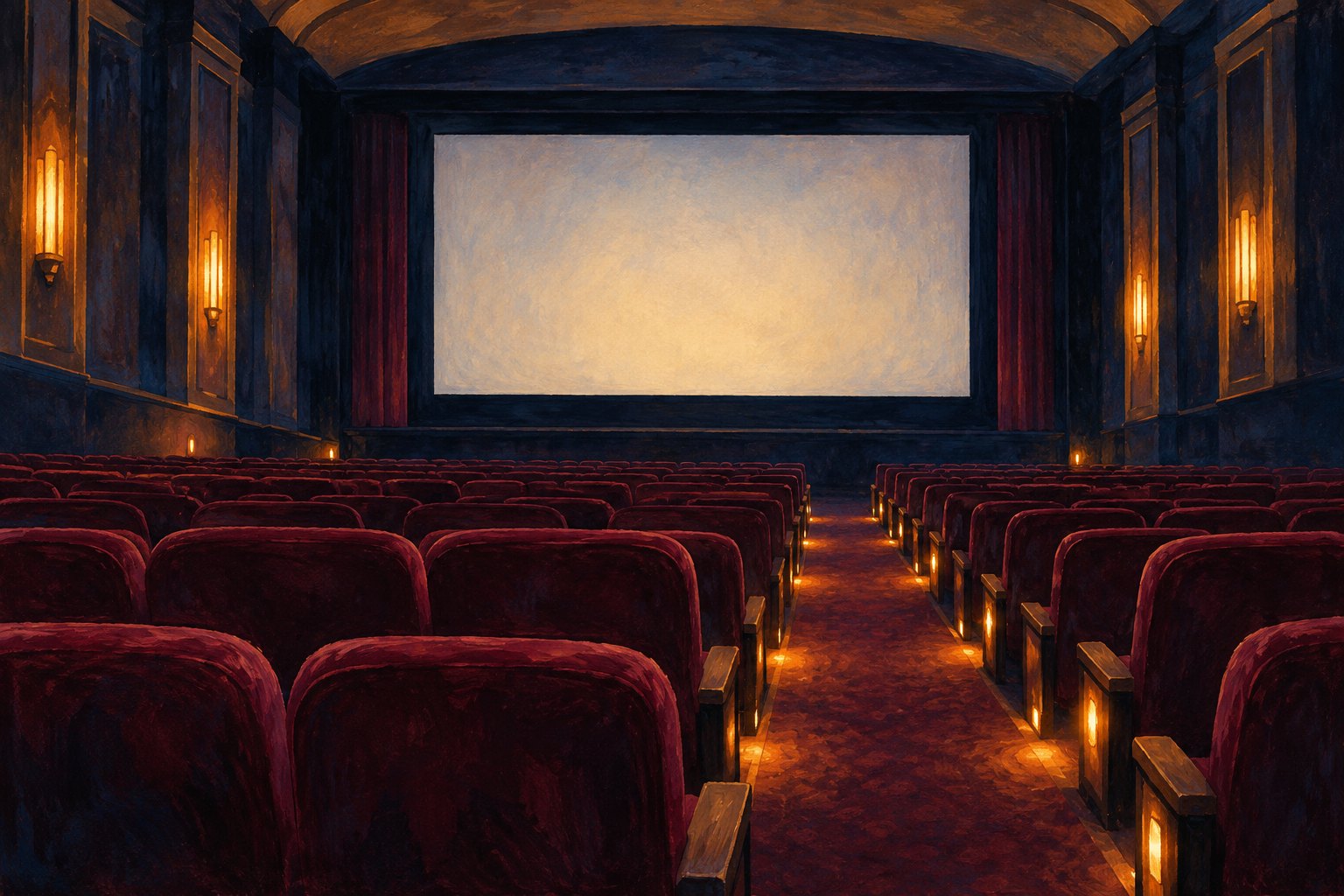
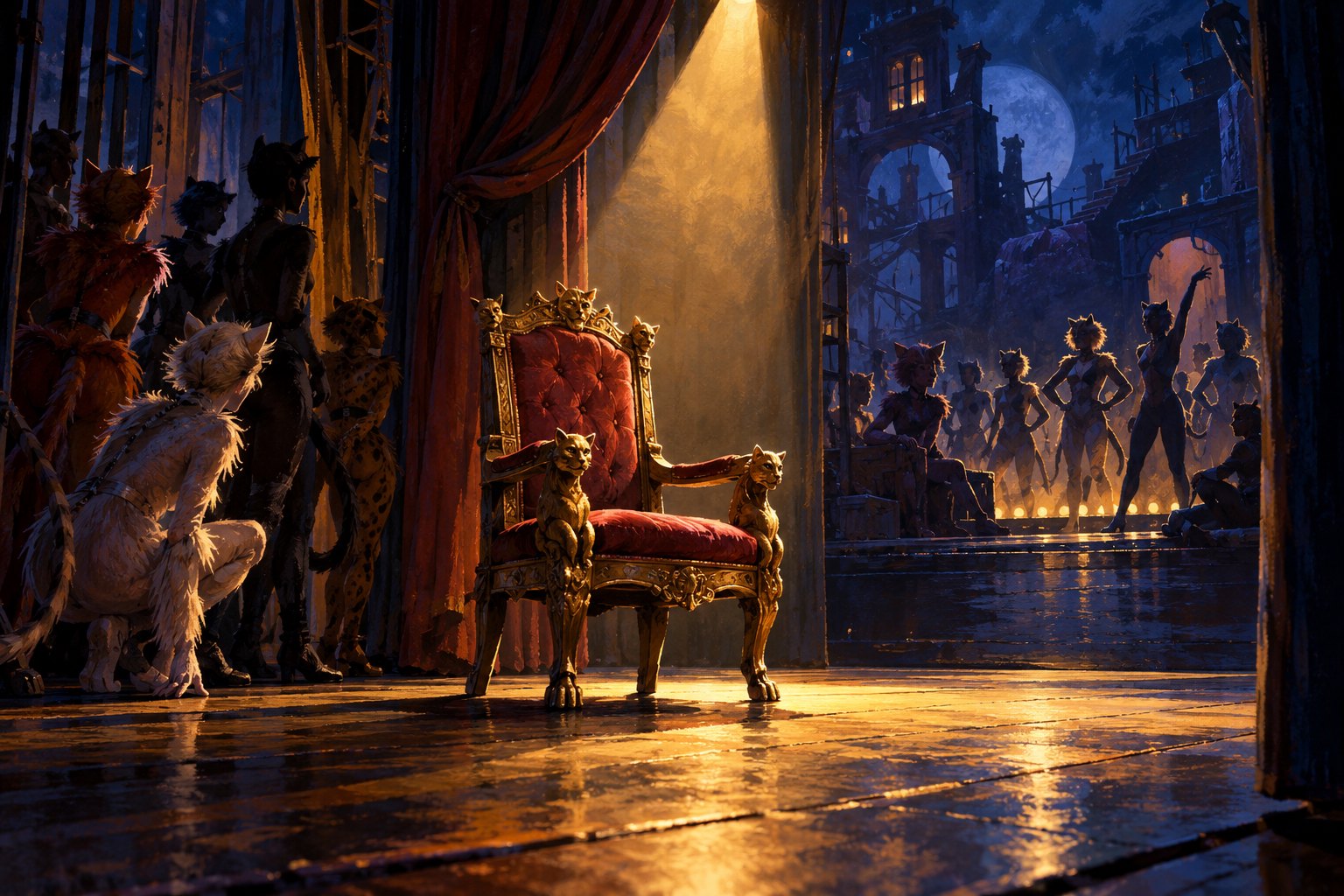
This is spoiler-free film-culture commentary. The illustrations are conceptual scenes, not photographs of the Dinkytown location.
A Movie Label Becomes a Place to Browse
A label gives a collection of releases an organizing identity. For a viewer who has enjoyed several of its editions, that identity can become a useful starting point: perhaps another unfamiliar title deserves a look. But trust should open a conversation, not settle a verdict. A beautifully presented release can contain a movie you dislike, and an awkward or uneven film can still reward close attention.
A physical shop gives that process a different rhythm. Browsing allows hesitation. Two movies can sit beside each other without either needing to win an immediate contest for your attention. A customer might arrive with one title in mind and become interested in a different filmmaker, genre, or period through an ordinary conversation.
That is a possibility rather than a claim about the experience at this particular store. Its value will depend on practical things: how clearly editions are explained, how comfortable newcomers feel asking questions, and whether browsing leads to useful discoveries. Atmosphere matters, but welcome matters more.
Discovery Should Not Require an Entrance Exam
The language surrounding specialist movie culture often assumes an audience that already knows the references. For an experienced collector, shorthand can be efficient. For someone beginning to explore beyond familiar releases, the same shorthand can make an enjoyable hobby feel like an examination.
A good recommendation starts with the person asking. Do they want a tightly constructed thriller, an abrasive comedy, an unusual visual style, or a performance that carries the whole movie? Those questions offer more useful guidance than simply identifying the most obscure title on a shelf.
The strongest version of a neighborhood film shop would make expertise generous. Someone should be able to explain why a movie interests them while acknowledging its limitations. Enthusiasm becomes persuasive when it is specific: an unsettling use of silence, a character whose motives remain difficult to read, or a final scene that changes the meaning of an earlier exchange.
That openness also matters beyond retail. Our discussion of how regional cinema earns attention through character and craft considers a related problem: giving work a meaningful hearing without deciding its value in advance.
Buy an Edition for the Viewing Experience
Physical collecting becomes more satisfying when the purchase serves a clear purpose. Sometimes that purpose is simple: you love a movie and expect to revisit it. Sometimes you want to investigate a filmmaker’s work or compare versions. Sometimes the edition contains supplementary material that addresses a question the film left behind.
Those are different reasons, and they need different checks. An attractive package cannot answer all of them. Before buying an unfamiliar edition, consider the following:
- Compatibility: Check the disc format and any region restrictions against your equipment.
- The version included: Read the edition details carefully if you are seeking a particular cut.
- Accessibility: Confirm the subtitle, caption, and audio options you need.
- Supplementary material: Look for features relevant to your interests rather than judging by the number of extras.
- Your reason to watch: Identify what draws you to the film beyond the object’s appearance or scarcity.
These are general buying considerations, not statements about the Dinkytown shop’s inventory or policies. For a visit, confirm current hours and availability directly before making a special trip.

Let the Movie Speak Before the Supplements
For viewers interested in film analysis, an edition can become a small study resource. But the most productive sequence usually begins with watching the movie itself. Give the characters, images, and sounds time to establish their own relationships before a commentary track supplies an interpretation.
On a first viewing, follow what the central character wants and what stands in the way. Notice the gap between what someone says and what they do. A declaration of loyalty means something different when the speaker repeatedly abandons other people; an apparently selfish decision may become more complicated when the film reveals who bears its cost.
On a second viewing, examine how the filmmaking shapes that judgment. Does the camera remain with the person speaking or turn toward the listener? Does a cut conceal a response? Does music encourage sympathy before the character has earned it? These questions help move a review beyond a plot summary.
Supplementary interviews and essays can then deepen the inquiry. A filmmaker’s explanation provides context, but it does not erase what appears on screen. The most interesting criticism can recognize intention and still explain why a scene produces a different effect.
A Local Film Culture Needs Everyday Encounters
The Dinkytown arrival also invites a broader judgment about how movie culture takes root. A theater offers the shared experience of watching. A shop can provide a place to talk before or afterward. Neither guarantees community simply by existing; repeated, welcoming encounters are what make a place matter.
Our commentary on what audiences lose when a neighborhood theater closes examines the importance of fitting cinema into everyday life. A retail space serves a different purpose, but convenience and familiarity can matter there too. A brief browsing stop can become the beginning of a sustained interest.
My hope for a movie shop in Dinkytown is therefore modest and demanding: that it helps people find films they will actually watch, discuss, and reconsider. Collecting has room for beautiful objects, but cinema needs attention after the purchase. The lasting discovery is the movie that stays in your thoughts—and changes when you return to it.
Original content by this site's editorial team. Published: October 20, 2026 at 10:16:35 PDT (Los Angeles time)