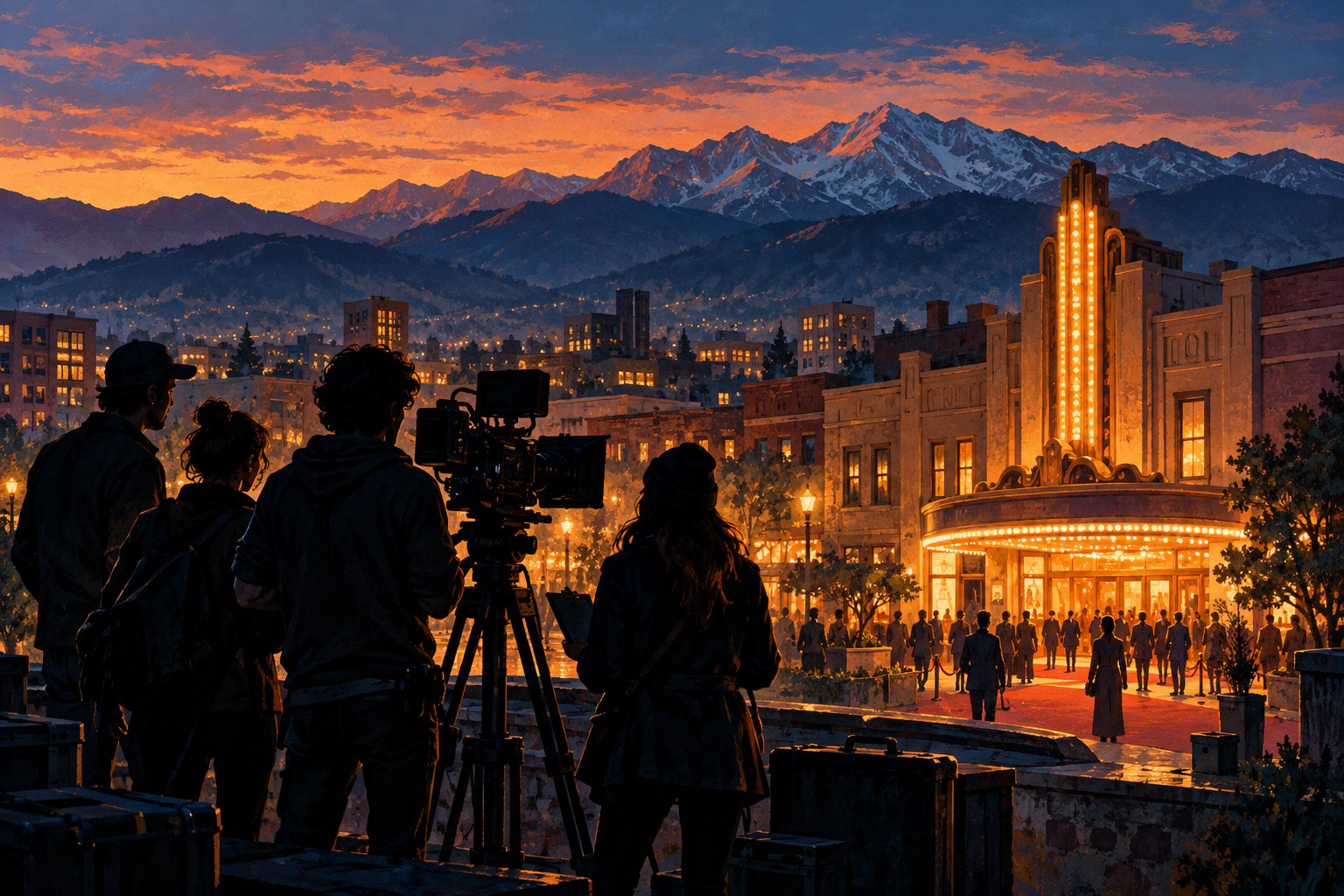
The 49th Denver Film Festival is putting Colorado filmmakers in the spotlight, an emphasis highlighted by The Colorado Sun. For moviegoers, the appeal goes beyond recognizing a place on screen. It is an opportunity to discover how filmmakers connected to the state see people, build stories, and decide which experiences deserve sustained attention.
That distinction matters. A regional connection can make a film worth investigating; it cannot tell us whether the performances convince, the storytelling holds together, or the ending earns its emotional weight. Our view is that the most meaningful response to Denver’s emphasis is curiosity followed by serious criticism. Colorado filmmakers deserve audiences willing to discover their work—and willing to discuss it with precision.
This is spoiler-free festival commentary, rather than a review of an individual selection. It makes no claims about specific films’ scenes, dialogue, or artistic success.
What Colorado’s Spotlight Can Mean for Moviegoers
A festival’s emphasis helps direct attention. When viewers face unfamiliar titles, a connection to their own state can provide a useful starting point. Someone who would otherwise choose only a recognizable actor or director might take a chance on a less familiar storyteller.
The interesting part begins after that initial choice. Recognition might bring someone into a theater, but discovery asks more of them. A film can complicate a familiar place, introduce an experience outside the viewer’s own, or make an ordinary interaction suddenly difficult to dismiss. Those possibilities give regional programming its critical interest.
There is also an important limit to the label. Colorado filmmakers need not share a subject, aesthetic, or attitude toward their home state. They should be free to make intimate dramas, expansive fantasies, unsettling experiments, or stories set elsewhere. Treating geography as an invitation leaves room for that variety. Treating it as an artistic identity risks prescribing what the work ought to be.
Look for a Point of View, Not Just a Recognizable Landscape
For audiences approaching this spotlight, a useful distinction is the difference between setting and perspective. Setting tells us where events happen. Perspective shapes what the film notices, what it withholds, and whose experience organizes our understanding.
A beautiful exterior can establish atmosphere without revealing much about the people inhabiting it. Conversely, an ordinary interior can become intensely specific through behavior: who feels entitled to interrupt, who waits for permission to speak, or who quietly performs the work everyone else takes for granted. These are ways cinema makes a social world legible.
Consider a general viewing test, rather than a description of any festival selection: if a location were replaced, would a character’s choices change? If distance, belonging, work, or community expectations affect those choices, place is doing dramatic work. If the story remains identical, the location may primarily provide visual pleasure. Neither function automatically makes a film better, but understanding the difference produces a more useful review.
The same attention to the relationship between storytelling and spectacle informs our analysis of the character relationships beneath Cats’ visual spectacle. In any kind of cinema, the images become more meaningful when we can explain how they shape our access to a character.
Let the Characters Set the Terms of the Review
The strongest way to move beyond a broad regional label is to follow an individual character carefully. What do they want? What prevents them from pursuing it openly? Which relationship exposes a contradiction between their self-image and their behavior?
These questions help distinguish a developed person from a figure assigned to represent a theme. A character becomes interesting when their decisions have a particular logic, even when we dislike those decisions. A film loses complexity when everyone exists chiefly to confirm what its central figure already believes.
For narrative films encountered through Denver’s spotlight, viewers can watch how that complexity emerges through performance and form. A pause may reveal hesitation, concealment, or nothing especially significant; its meaning depends on the surrounding scene. A close-up can encourage sympathy, but the next cut may challenge it. Good criticism explains the relationship between those choices instead of treating an isolated image as proof of depth.

Dialogue deserves the same care. A memorable line matters because of who says it, what they risk by saying it, and how another person responds. When reviewing a film, quoting accurately is only the beginning; the real task is explaining what those words accomplish. A festival announcement alone cannot support that kind of close reading.
Give Documentary Subjects Room to Complicate the Story
When approaching documentary work by regional filmmakers, familiarity can be both an advantage and a question worth examining. Access may allow a filmmaker to observe details that a visitor would miss. It does not, by itself, establish that the resulting portrait is complete or fair.
A useful critical question is whether the people on screen can complicate the film’s apparent argument. Do they express competing desires? Are their uncertainties allowed to remain unresolved? Does the editing preserve a meaningful distinction between what someone says and what the film establishes?
These questions are especially valuable when viewers feel invested in the community being depicted. Recognition can make an image emotionally persuasive before its implications have been examined. The task is to hold both responses together: acknowledge the connection, then consider how the film has constructed it.
How to Turn Festival Curiosity Into a Useful Judgment
Moviegoers do not need specialist vocabulary to respond thoughtfully to unfamiliar filmmakers. A few concrete habits can make the experience more rewarding:
- Choose for more than the local connection. Look for a premise, formal approach, or central relationship that interests you personally.
- Identify one consequential scene. Afterward, recall a moment that changed your understanding of someone, and explain how it did so.
- Separate intention from achievement. An admirable subject or ambitious idea still needs effective storytelling.
- Make recommendations specific. Describe the experience a viewer can expect rather than relying on hometown pride or a vague declaration of importance.
This approach also makes disagreement productive. Two viewers may agree about what happens in a scene while disagreeing about whether the film earns its effect. That is a stronger conversation than competing verdicts without evidence. Our reflection on reading a critic’s work beyond the verdict explores the value of following an argument back to the filmmaking itself.
The Deeper Value of Giving Local Filmmakers Attention
The most promising interpretation of the 49th Denver Film Festival’s Colorado emphasis is that a filmmaking community deserves to be encountered in detail. That means allowing individual works to surprise, disappoint, challenge, or delight without making each one stand for an entire state.
Support becomes meaningful when it produces that level of engagement. A thoughtful response names the performance that held attention, the edit that altered a relationship, or the narrative shortcut that weakened an otherwise compelling idea. Such attention respects the work as cinema.
Colorado’s connection gives audiences a reason to look. What should keep them watching is the particular intelligence of a film: its understanding of a person, its command of an image, its willingness to follow a difficult choice. The festival’s spotlight is an opening. The discovery happens when viewers look closely enough to see what distinguishes one filmmaker from the next.
Original content by this site's editorial team. Published: October 20, 2026 at 07:15:41 PDT (Los Angeles time)