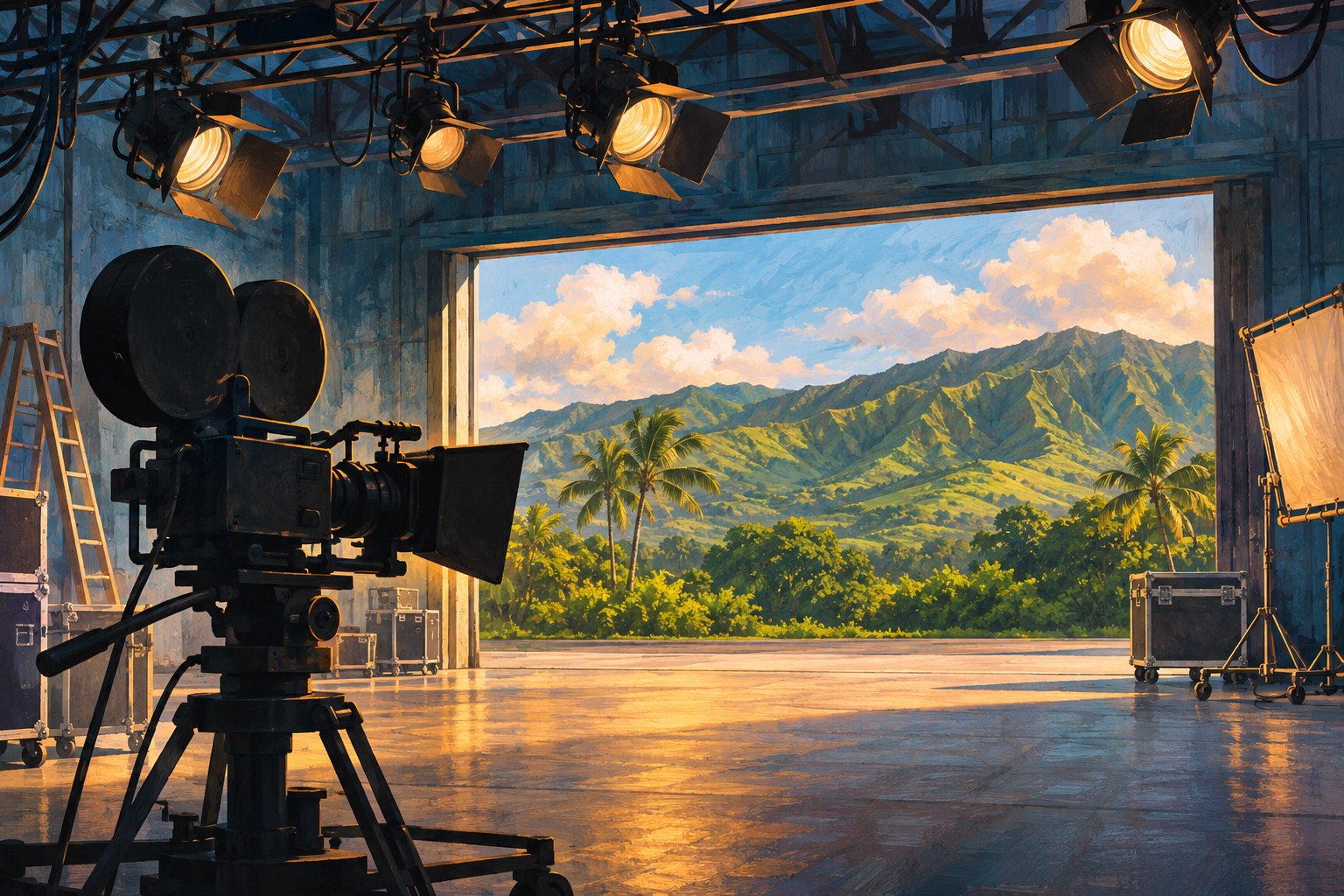
Regents have greenlit a private film studio at UH West Oʻahu, according to the University of Hawaii System. For movie audiences, the interesting question extends beyond the approval itself: what could a dedicated production space make possible on screen? The answer involves more than bigger sets. It includes the way actors occupy a room, how a quiet exchange is recorded, and whether a fictional world feels inhabited.
The announcement establishes the approval. It does not, on that basis alone, establish an opening date, a production slate, specific technical capabilities, or the terms under which filmmakers would use the facility. The discussion below concerns the creative possibilities of studio filmmaking, not confirmed specifications for the UH West Oʻahu project.
Our earlier examination of who could benefit from the UH West Oʻahu studio milestone considered access and opportunity. A complementary question deserves attention now: how might the circumstances of production influence the films audiences eventually judge?
A Studio Approval Is Not a Movie Greenlight
Two different decisions can disappear inside the word greenlight. Approving a studio project concerns a place where screen work could happen. Greenlighting a movie concerns a particular production. One does not establish the other.
That distinction matters when reading this news. There is no finished film here to review, no performance to assess, and no screenplay from which to quote memorable dialogue. Attaching an imagined blockbuster or a guaranteed creative renaissance to the approval would get ahead of the evidence.
Still, production infrastructure belongs in film commentary because criticism often examines its consequences. When a reviewer praises the tension of a confined room or the delicate rhythm of a conversation, that achievement involves practical decisions as well as writing and acting. Where a scene is made can influence how it is staged.
The Character’s World Begins With Physical Space
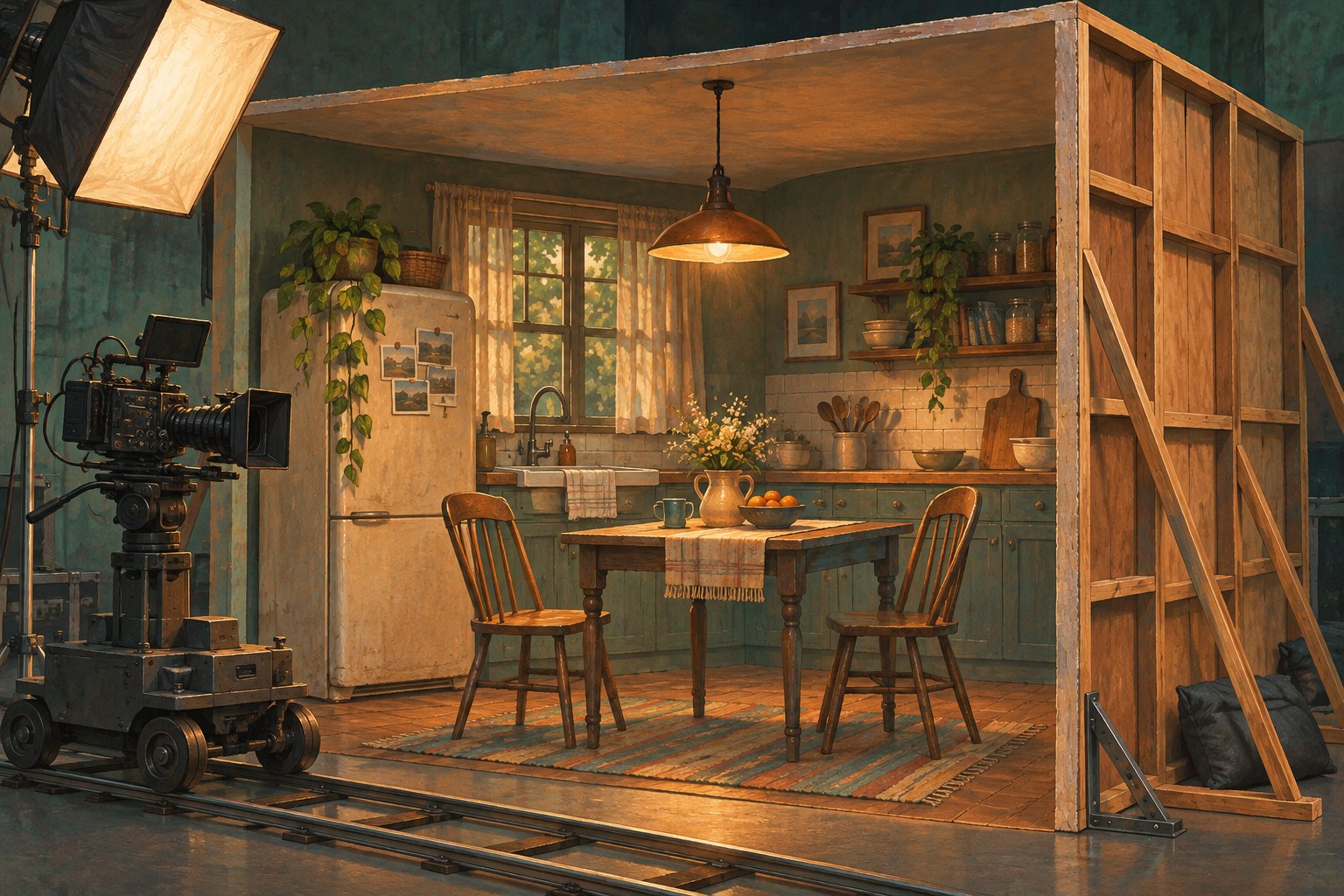
Consider a hypothetical scene in which two siblings argue in a kitchen. One wants to leave; the other wants an answer. Before either speaks, the room can establish their conflict. A narrow passage makes escape awkward. A table becomes a barrier. A doorway allows one person to remain halfway outside the conversation.
These are storytelling choices expressed through space. On a purpose-built set, movable walls can allow the camera to observe the exchange from positions that would be difficult inside an existing home. Designers can arrange the room around the dramatic action, while the director decides whether viewers should feel trapped with a character or held at a distance.
The benefit is flexibility, not automatic emotional truth. A spacious set can still produce inert filmmaking. A cramped real kitchen can produce a remarkable scene. The critical question is whether the arrangement reveals something about the people in it.
For the UH West Oʻahu project, this offers one useful way to understand the potential of a studio without assuming its eventual design. The creative value of production space lies partly in the choices it permits. Those choices become meaningful only when filmmakers connect them to character.
What Control Can Give a Performance
Audiences often describe good acting through visible details: a glance, a hesitation, a hand that almost reaches for another person. Filming those details requires attention to continuity. An exchange assembled from different camera angles needs to feel like one unfolding encounter.
Controlled lighting can help maintain that illusion. If the emotional movement of a scene depends on a long pause, a production can benefit from being able to preserve the appearance of a particular time of day across multiple takes. The actor’s changing choices need not compete with rapidly changing daylight.
That does not mean more takes always improve a performance. Repetition can sharpen an exchange or drain its spontaneity. My view is that the strongest use of technical control is selective: preserve the conditions that support an actor, then leave room for behavior that feels unplanned.
This is a possibility associated with studio production generally. It is not evidence that the approved facility will contain any particular lighting system, nor that productions there will adopt a particular working method.
Sound Can Make a Scene Feel Close
A film’s intimacy is also something we hear. A person who lowers their voice can change the balance of a scene. A small breath before an answer may suggest fear, calculation, or exhaustion. These details help an audience interpret character without explanatory dialogue.
A suitably equipped soundstage can offer greater control over unwanted noise than an exposed location. That control can support the recording of subtle speech and give filmmakers more options in shaping the final soundtrack. The precise acoustic performance of the UH West Oʻahu facility, however, cannot be inferred from the approval announcement.
Nor should silence become an aesthetic goal by itself. Rooms have a sonic identity. A refrigerator, distant traffic, or movement outside a window can make a setting feel connected to a larger world. A polished soundtrack that removes every trace of that world may weaken the scene.
The worthwhile ambition is deliberate sound: hearing what matters to the character, while retaining enough surrounding life to make the moment believable.
A Sense of Place Takes More Than a Backdrop
The location of the proposed studio also raises a question about cinematic place. A production can operate in Hawaiʻi without telling a story about Hawaiʻi. Equally, a story rooted in a community may include interiors built on a stage. Shooting location, fictional setting, and cultural perspective are related, but they are not interchangeable.
A constructed room can feel specific through its arrangement, wear, objects, and the way characters use it. Those details become convincing when they belong to the people in the story. They become decorative when they merely announce a setting.
Our analysis of how place gives a homecoming story its stakes approaches this relationship from the finished narrative. The same critical standard applies here: a setting matters most when it changes what characters want, remember, or stand to lose.
For any future film associated with the UH West Oʻahu studio, the useful question would therefore be how its spaces serve its story. Neither a recognizable landscape nor a carefully built interior can answer that question alone.
Judge the Approval and the Art Separately
The regents’ decision is a development in the studio project. Its eventual creative significance will require different evidence: completed work, observable craft, and stories that make effective use of the resources available to them.
As further details emerge, readers can keep three questions separate. What has been approved? What production capabilities are actually being delivered? What do filmmakers accomplish with them? Treating those as distinct stages makes it easier to recognize progress without turning possibility into a promise.
From a critic’s perspective, the most compelling prospect is not simply greater visual scale. It is greater expressive choice: the ability to hold on a face, shape a room around a conflict, or let a quiet response carry a scene. The UH West Oʻahu approval creates a reason to watch what develops. The films themselves, if and when they arrive, will supply the artistic verdict.
Original content by this site's editorial team. Published: November 19, 2026 at 23:43:33 PST (Los Angeles time)