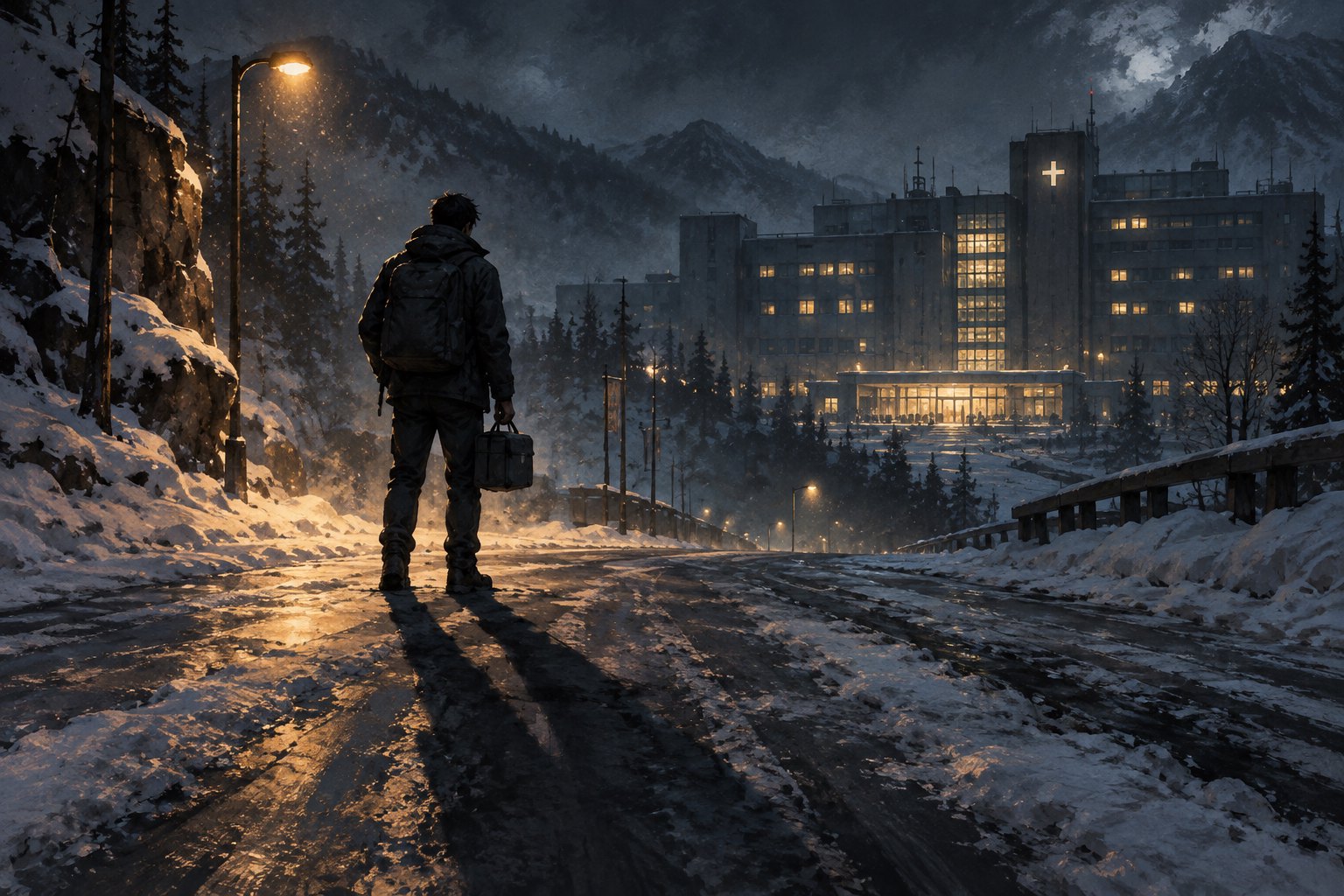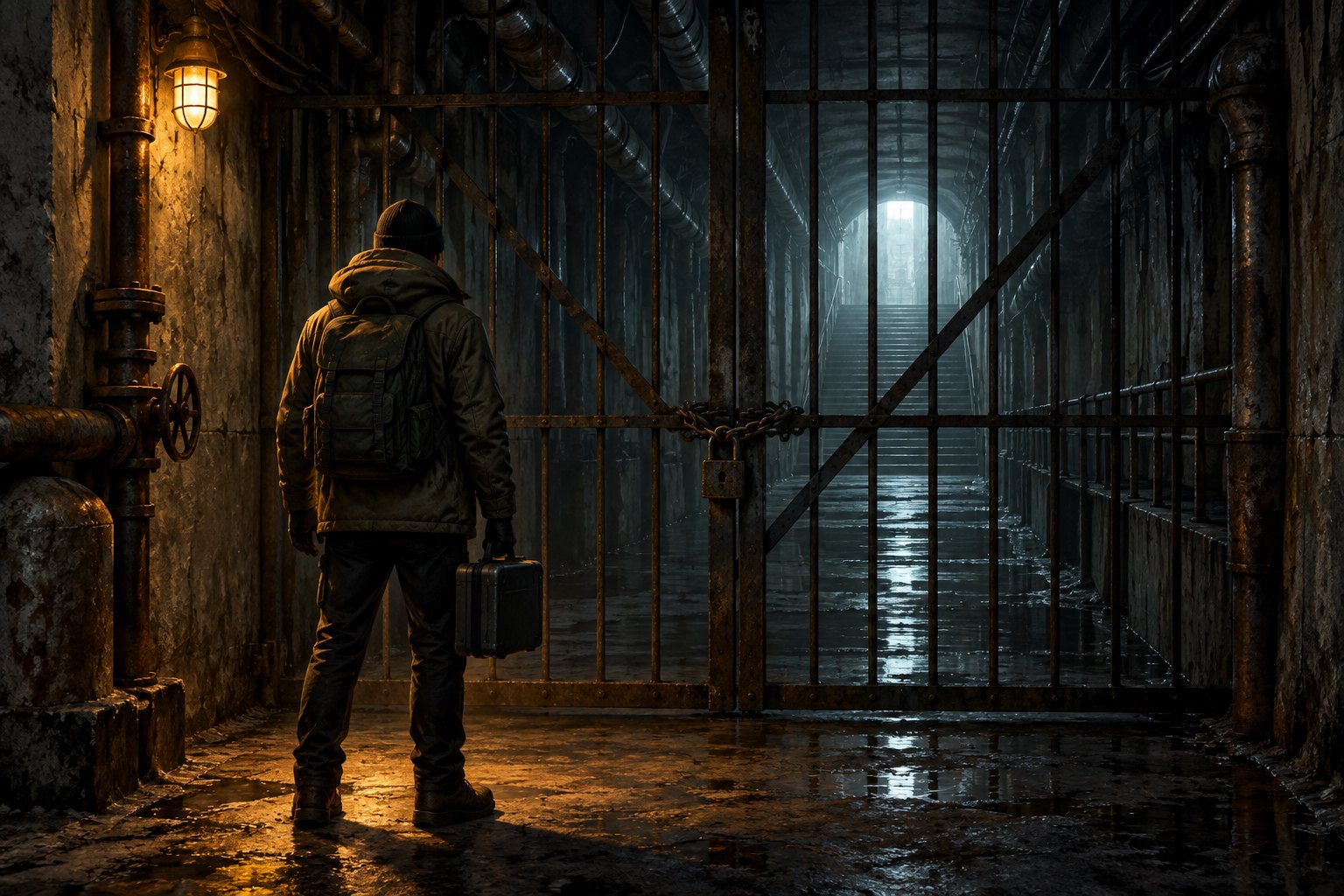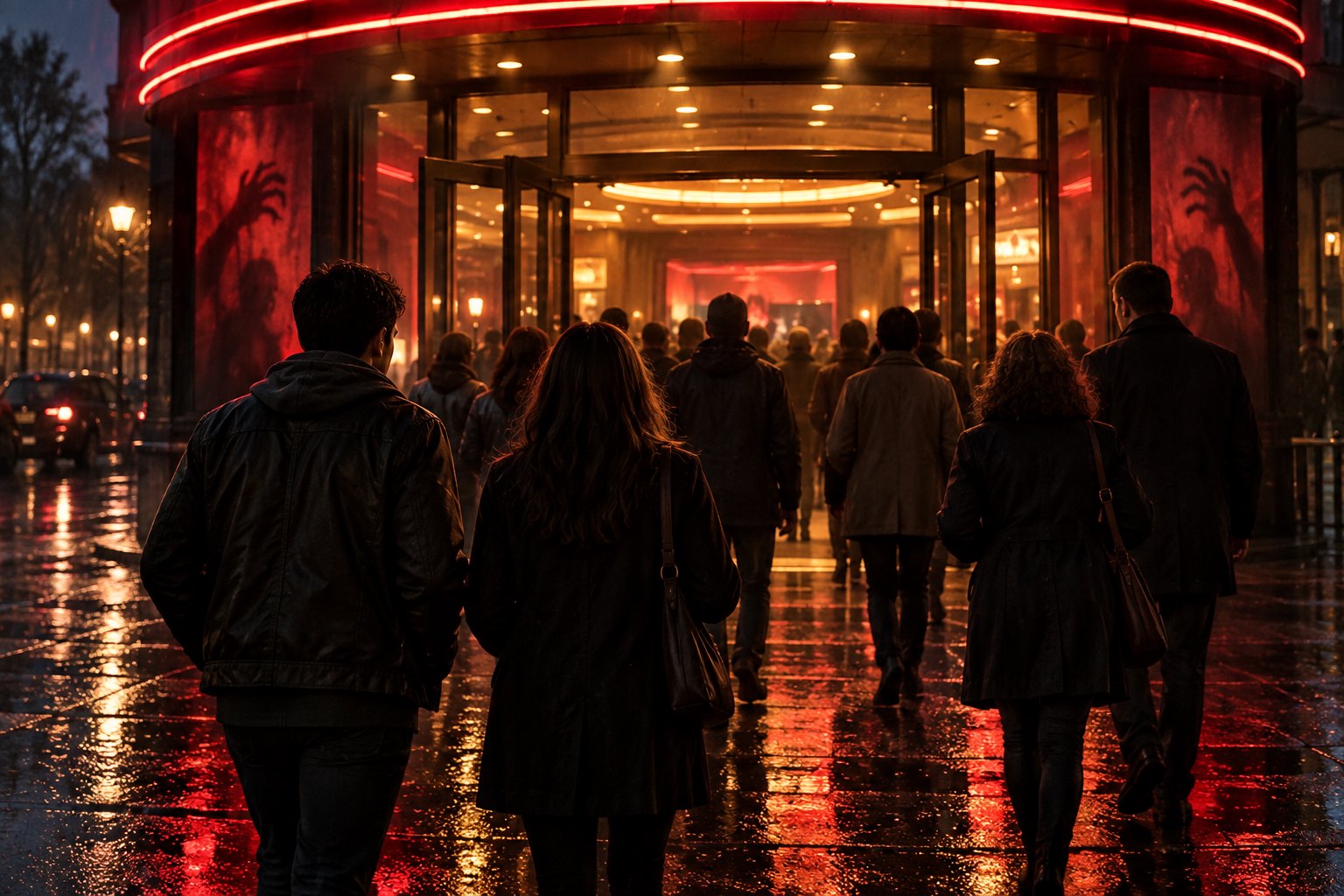
Trees Are Watching puts Eva Green at the center of an unsettling proposition: what if the wood surrounding us retained something of a human life? Bahman Ghobadi’s horror film connects that idea with childhood memory and a mother’s return home. Its early reception, however, points to a struggle between committed performances and images that undermine their emotional force.
One distinction matters immediately: the A.I. controversy concerns how the movie’s images were made. It should not be mistaken for a premise about Green battling an artificial-intelligence villain. Variety critic Siddhant Adlakha praises the performers while criticizing what he identifies as extensive generated imagery. [Variety’s review](https://malaysia.news.yahoo.com/trees-watching-review-eva-green-140804178.html)
Selected plot spoilers follow. This is a critical reading of the film’s premise and published scene descriptions, rather than a firsthand screening review. The central question is how effectively its supernatural ideas express the experiences of its characters.
Darya’s homecoming turns research into responsibility
Green plays Darya, a novelist returning to Mardin, Turkey, with her deaf daughter. Her work brings her back into contact with memories of childhood sisters Nihal and Spin. Nadia Dalimonte’s account describes a woman whose interest in the relationship between people and trees becomes entangled with unresolved personal history. [Next Best Picture’s review](https://nextbestpicture.com/trees-are-watching/)
That premise gives Darya two potentially conflicting roles. A writer can investigate a story, choose its emphasis, and eventually put it aside. Someone implicated in that story has fewer comfortable options. Through this lens, the homecoming becomes compelling when research stops offering distance and begins demanding accountability.
Her role as a parent adds another pressure. Returning to a place associated with childhood means bringing her daughter into a world she may understand geographically without understanding emotionally. Familiarity can encourage confidence precisely where caution is needed.
The useful question for a character-focused reading is therefore specific: does Darya’s growing understanding change how she responds to the people around her? Discovering what happened years earlier supplies information. Recognizing how those events shape a present relationship supplies drama. A horror mystery needs both, especially when a child’s safety makes delay consequential.
The children give the folklore its emotional stakes
Dalimonte identifies Nihal’s frightened perspective as a particularly effective part of the film, while finding the adult characterization less developed. Her description suggests a childhood in which frightening beliefs become difficult to separate from the pressures of family life.
That distinction deserves attention. An adult hearing a supernatural story may debate whether it is plausible. A child may have to organize an entire day around its possibility. The distance between those responses can make an apparently strange fear emotionally recognizable.
For this interpretation, the sisters matter because belief has consequences before anyone establishes whether it is true. Fear can determine where a child goes, whom she trusts, and whether she asks for help. A supernatural explanation does not have to arrive before the damage begins.
Connie’s position offers a related test of the adult world. A parent’s responsibility includes listening carefully when a child describes something difficult to accept. A film can build tension from that disagreement without reducing the child to a warning system for the protagonist.
This connects with our discussion of the human cost of horror performance: fear becomes meaningful through the person experiencing it. A startling image gains emotional weight when we understand what its witness needs and what being disbelieved might cost.
Why a wooden chair can carry a frightening idea
Joe Lipsett reports that the film opens with the epigraph, “Trees are not silent. They perceive, remember, and bear witness.” His account also describes Connie noticing a chair’s shadow moving beneath a door. Those details establish a connection between the film’s language of witnessing and its domestic threat. [Bloody Disgusting’s review](https://bloody-disgusting.com/reviews/3968126/trees-are-watching-review-eva-green-cant-save-imbalanced-supernatural-thriller-tiff-2026/)
The chair is an appealing horror object because its ordinary purpose is reassuring. It supports the body. It belongs to the background of conversation, rest, and family routine. Giving it an independent will changes the relationship between a person and the room that contains them.

A partial glimpse also lets the viewer participate. A shadow can indicate movement while withholding motive, shape, and destination. The audience has time to imagine what might cross the threshold.
My reading is that this object becomes most disturbing when its material history remains present. Wood was once alive. Within the film’s supernatural premise, turning it into something useful may not end its capacity to remember. The household object then carries an uncomfortable possibility: everyday comfort might depend on a past its owner has never considered.
The A.I. criticism is also a question of character
Adlakha’s objection concerns the relationship between the film’s performances and its generated images. That is a consequential distinction. A viewer can admire an actor’s commitment while finding that the surrounding visual world makes that commitment difficult to share.
For character-driven horror, consistency does not require photographic realism. A deliberately theatrical set, a puppet, or an impossible painted landscape can establish persuasive rules. What matters is whether movement, space, and reactions allow viewers to understand the danger.
When a threatening object appears near someone, the audience instinctively asks practical questions. Can the character reach the door? How quickly can the object move? What stands between them? Those small calculations turn observation into anticipation.
If the imagery makes those relationships difficult to follow, the emotional burden shifts toward the performer. An expression must then communicate both the character’s fear and the physical credibility of whatever caused it. That helps explain why praise for Green can coexist with criticism of the film around her.
Our analysis of why horror needs more than accurate mythology considers a related principle: an interesting supernatural framework must remain connected to a vulnerable person. Here, the relevant measure is what the images let us understand about Darya and Connie’s experience.
A deeper reading: remembering is an obligation
The opening epigraph’s emphasis on witnessing offers the most productive way to interpret Trees Are Watching. A witness preserves something that other people may prefer to forget. Reading the trees in those terms makes the haunting a challenge to selective memory.
Darya’s position as a writer sharpens that challenge. Turning the past into a narrative requires choices about whose experience receives attention. The ethical tension, in this reading, lies in whether uncovering a story also creates a responsibility toward the people within it.
That is the film’s most compelling possibility: a homecoming in which the landscape refuses to remain scenery and childhood refuses to remain safely finished. The published criticism suggests that its execution does not consistently sustain that possibility. Even so, the premise leaves a worthwhile question behind: when the past becomes impossible to ignore, does its witness merely explain it—or finally respond?
Original content by this site's editorial team. Published: September 20, 2026 at 02:21:54 PDT (Los Angeles time)