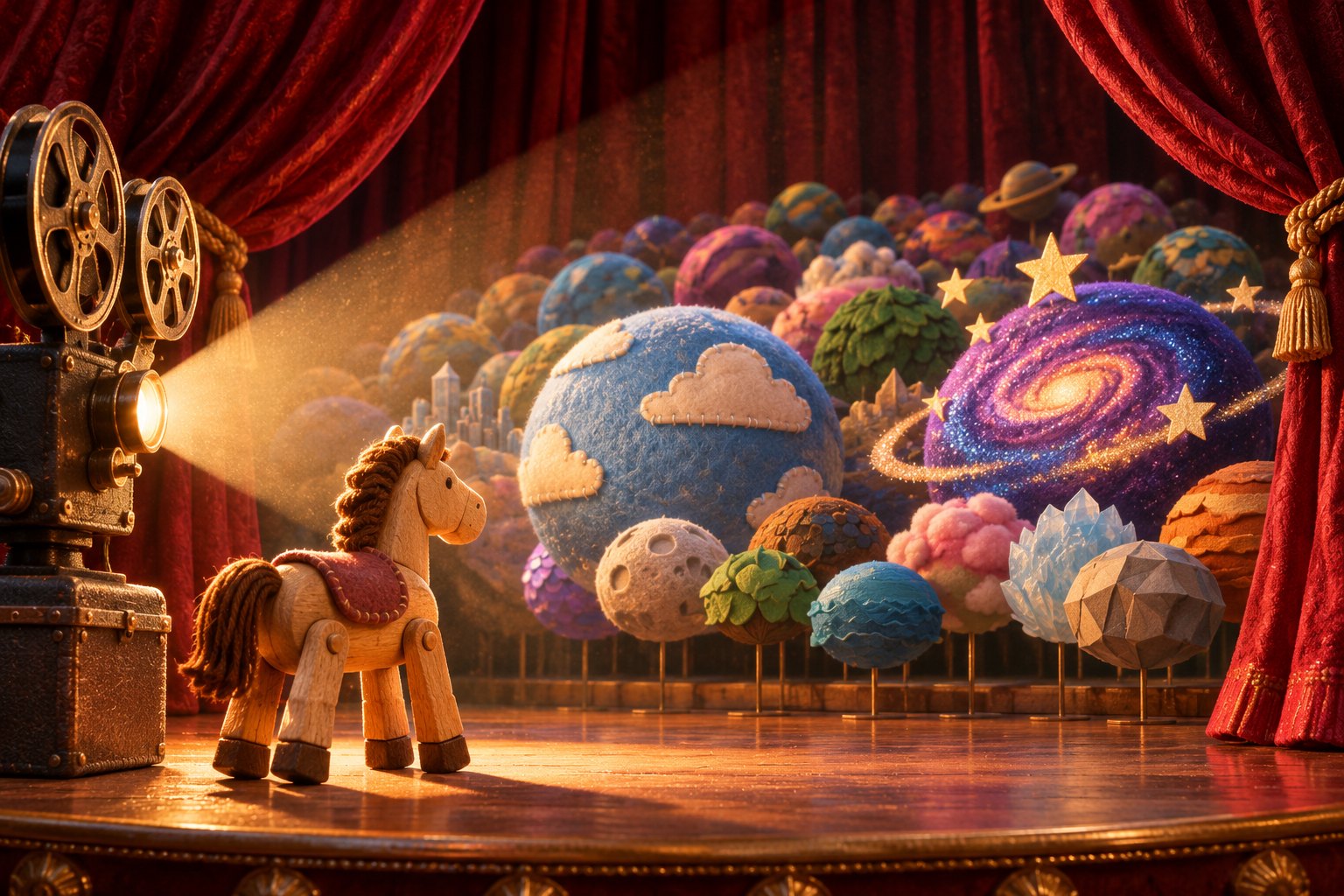
Toy Story 5 and The Super Mario Galaxy Movie are among a record 38 films eligible for the 2027 Oscar for animated feature film, according to Billboard’s reporting. The immediate distinction matters: this is an eligibility field, not a nomination announcement, and inclusion does not establish either film as a favorite.
For movie lovers, the more interesting question is what to do with that information. A crowded field can become an excuse to concentrate on the most recognizable names. It can also encourage a broader conversation about what makes animated filmmaking worth celebrating: expressive movement, purposeful visual invention, and characters whose choices give the spectacle emotional weight.
This is spoiler-free awards commentary, not a scene-by-scene review of either film. Eligibility reporting alone cannot substantiate judgments about their plots, dialogue, endings, or hidden references.
What the Reported Field Establishes
The central news is specific: Billboard identifies 38 eligible films, describes that total as a record, and names Toy Story 5 and The Super Mario Galaxy Movie among them. Those details establish the scale of the reported field and the participation of two recognizable titles. They do not establish a critical consensus, a voting preference, or the eventual outcome.
Three different ideas often get blurred in awards conversation:
- Eligibility: a film can be considered for an award.
- Nomination: a film has been selected for the award’s final competitive lineup.
- Winning: a film ultimately receives the award.
Moving from the first stage to the second is not automatic. Nor does appearing prominently in a headline indicate a stronger position than another eligible film. Familiar names help readers recognize the subject; they are not evidence of voters’ intentions.
This article focuses on the two named films and the implications of the reported total. It does not attempt to reconstruct the remaining entries or present an unverified complete list.
A Record Total Is an Invitation, Not a Quality Verdict
Thirty-eight is a substantial number of films to consider. But a record participation figure cannot, by itself, tell us whether this is an exceptional artistic year. Counting eligible works and evaluating their achievements are different tasks.
A useful critical response therefore begins with curiosity. Which films make their visual approach essential to the story? Which create an emotional experience that could not be reproduced simply by summarizing the plot? Which use comedy, silence, or physical movement to reveal something that dialogue leaves unsaid?
Those questions give viewers a more productive starting point than treating the field as a contest between familiar brands. They also leave room for pleasure. An animated comedy does not need to imitate a solemn drama to deserve serious attention. Making a joke land through precise timing and expressive staging is itself a filmmaking achievement.
Toy Story 5: Familiarity Should Raise the Critical Standard
The number in Toy Story 5 makes continuity part of its appeal. A returning audience brings memories, expectations, and affection before the new film has established its own dramatic argument. That familiarity is a resource, but it also creates a demanding critical question: what does this installment contribute?
My standard for a continuing character story is consequence. A new situation should expose a conflict that matters to the people—or animated beings—experiencing it. The important distinction is between recognizing a beloved personality and discovering something meaningful about that personality under pressure.
That is a criterion for evaluating the film, not a claim about a particular scene. An eligibility announcement cannot demonstrate whether the screenplay meets it. A substantive review would need to connect its judgment to the characters’ actual decisions and to the way those decisions alter relationships.
The same care applies to memorable dialogue. A familiar catchphrase can produce an immediate reaction, but a review should ask what a line accomplishes in its specific scene. Does it conceal fear, express loyalty, interrupt an argument, or reveal a changed understanding? Quoting dialogue without verified context would substitute recognition for analysis.
The Super Mario Galaxy Movie: When Spectacle Becomes Story
The Super Mario Galaxy Movie raises a related critical issue: how should a recognizable entertainment world be assessed as cinema? Familiar imagery can be enjoyable on its own. A strong film also gives viewers a reason to care about what happens within that imagery.
My preference is for spectacle that makes a character’s problem clearer. A large environment can communicate isolation. A difficult route can reveal impatience, ingenuity, or trust. A sudden change in scale can become funny because it disrupts someone’s confidence. In each case, visual invention performs dramatic work.
These are examples of how animation can function, not descriptions of verified sequences in this film. The distinction protects the usefulness of criticism: readers should be able to tell whether they are encountering an observed achievement or a proposed standard.
Recognition deserves similar scrutiny. As our commentary on the emotional appeal of movie memory explores, an association can arrive carrying feelings from elsewhere. The critical question is what the new work builds with that borrowed attention.
Look at the Performance Inside the Animation
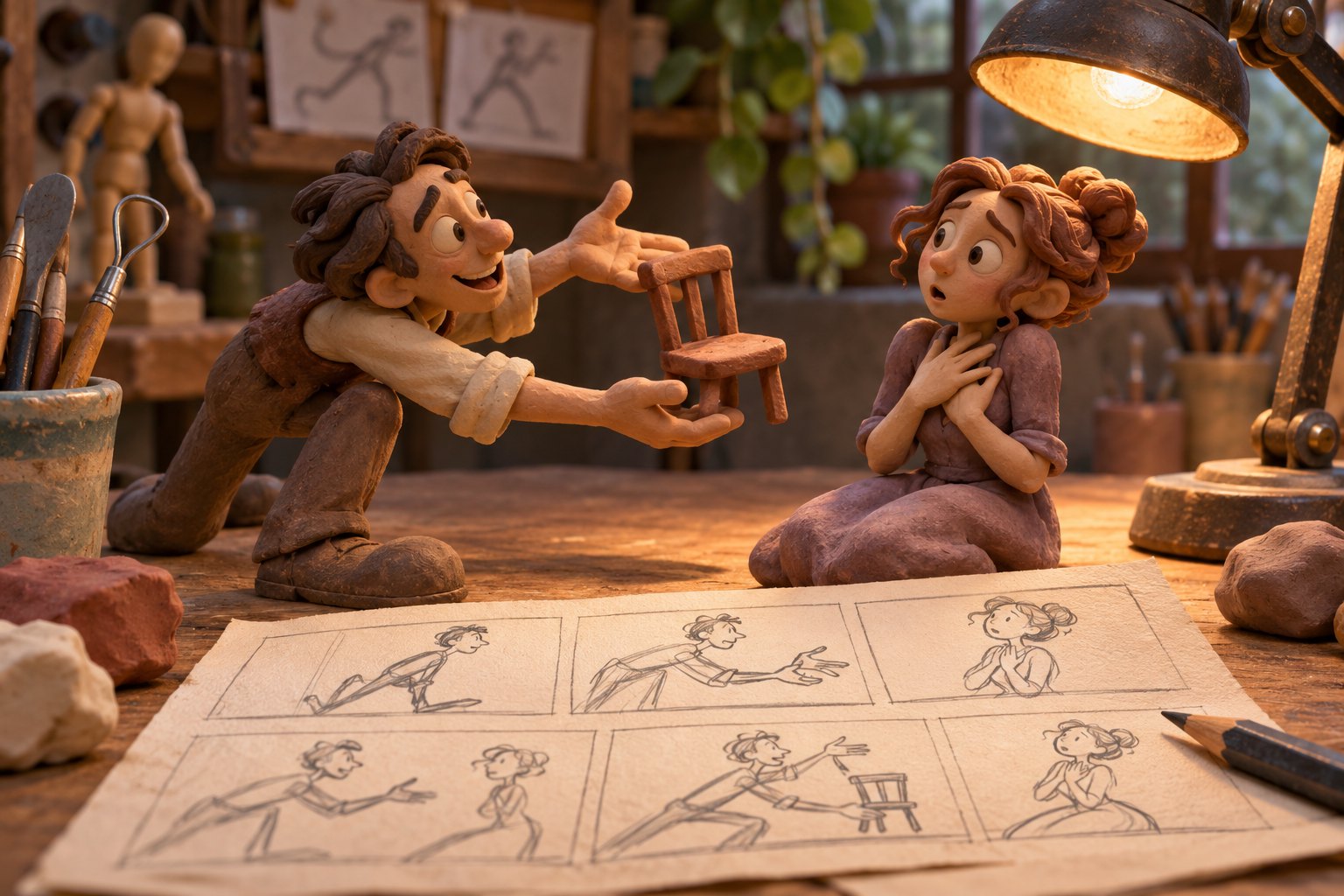
One useful way to compare animated films is to watch a character who is listening. Dialogue directs attention toward the speaker, but a listener’s posture, hesitation, or shifting gaze can carry the scene’s emotional development. The performance may tell us that a relationship has changed before anyone acknowledges it.
Look, too, at how characters occupy shared space. Who moves closer? Who turns away? Does a gesture invite another person into the scene or push them out? These choices can make an animated relationship legible without explanatory speeches.
Our discussion of why supporting players matter to an ensemble offers a useful companion perspective. A central character becomes more interesting when surrounding characters have distinct reactions and purposes. An awards conversation that only names the lead can miss the relationships making that lead compelling.
How to Turn Awards News Into Better Movie Watching
Instead of treating eligibility as a recommendation, use it as a prompt to investigate. Start with a film that interests you, then choose another whose visual style or premise feels less familiar. Compare specific decisions rather than assuming that budget, franchise recognition, or seriousness determines merit.
After each viewing, write down one moment that changed your understanding of a character. Identify how the film achieved it: dialogue, editing, movement, composition, sound, or some combination. If you cannot name such a moment, consider whether the film’s pleasures lie elsewhere—and whether those pleasures sustain its running time.
The deeper promise of this reported 38-film field is the opportunity to pay attention across a substantial range of work. Toy Story 5 and The Super Mario Galaxy Movie provide recognizable entry points. Their titles alone cannot settle the artistic argument. That argument belongs to the films themselves: what their characters want, what their choices cost, and how animation makes those experiences felt.
Original content by this site's editorial team. Published: November 26, 2026 at 12:25:12 PST (Los Angeles time)