Todd McFarlane has shared an update on the Spawn movie in an exclusive interview with Dread Central. For readers looking for evidence of an imminent release, the distinction matters: an update is an opportunity to understand a project's direction, while a finished film must still earn its own judgment. The most interesting question surrounding another Spawn adaptation is what kind of relationship it will build between the audience and its central character.
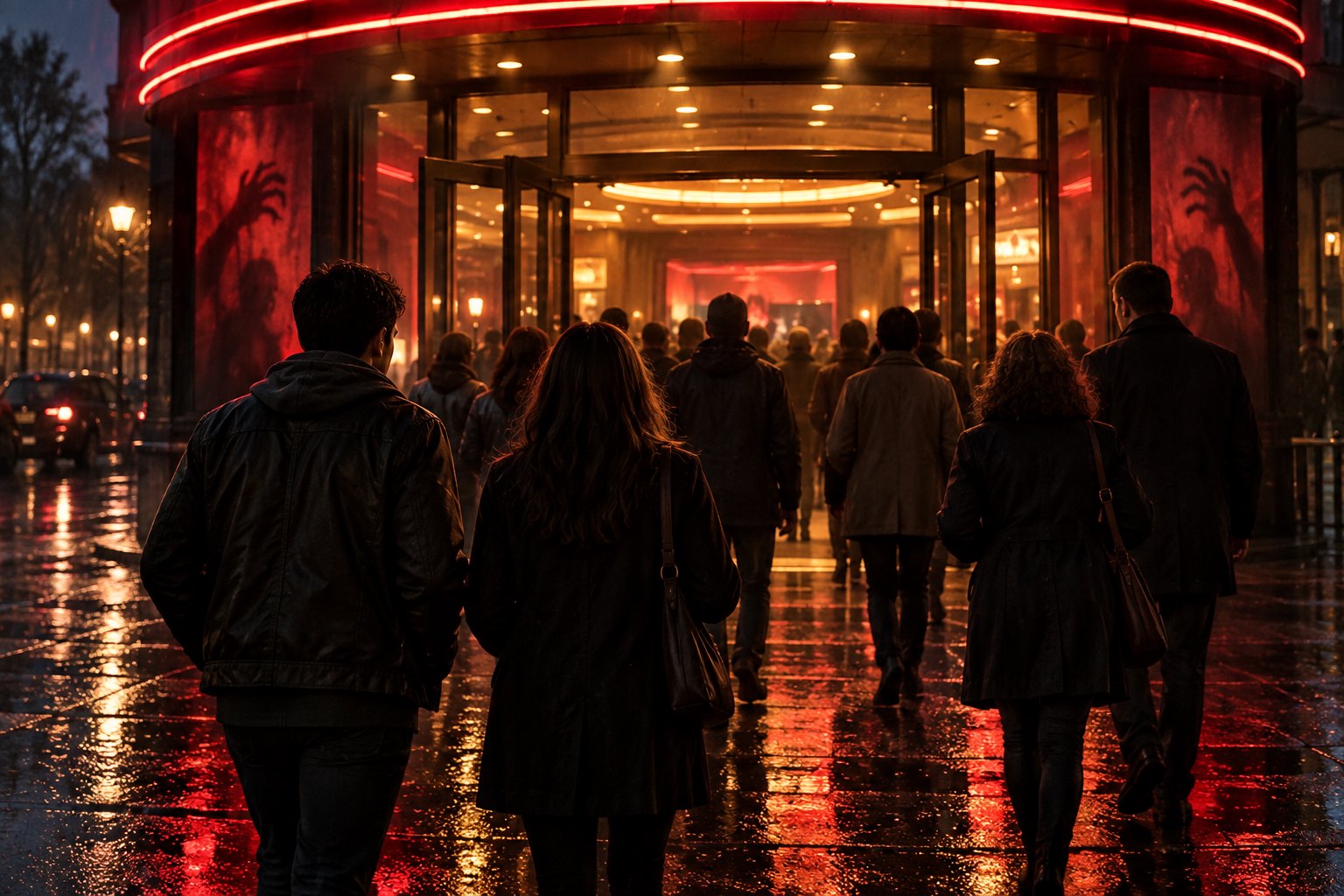
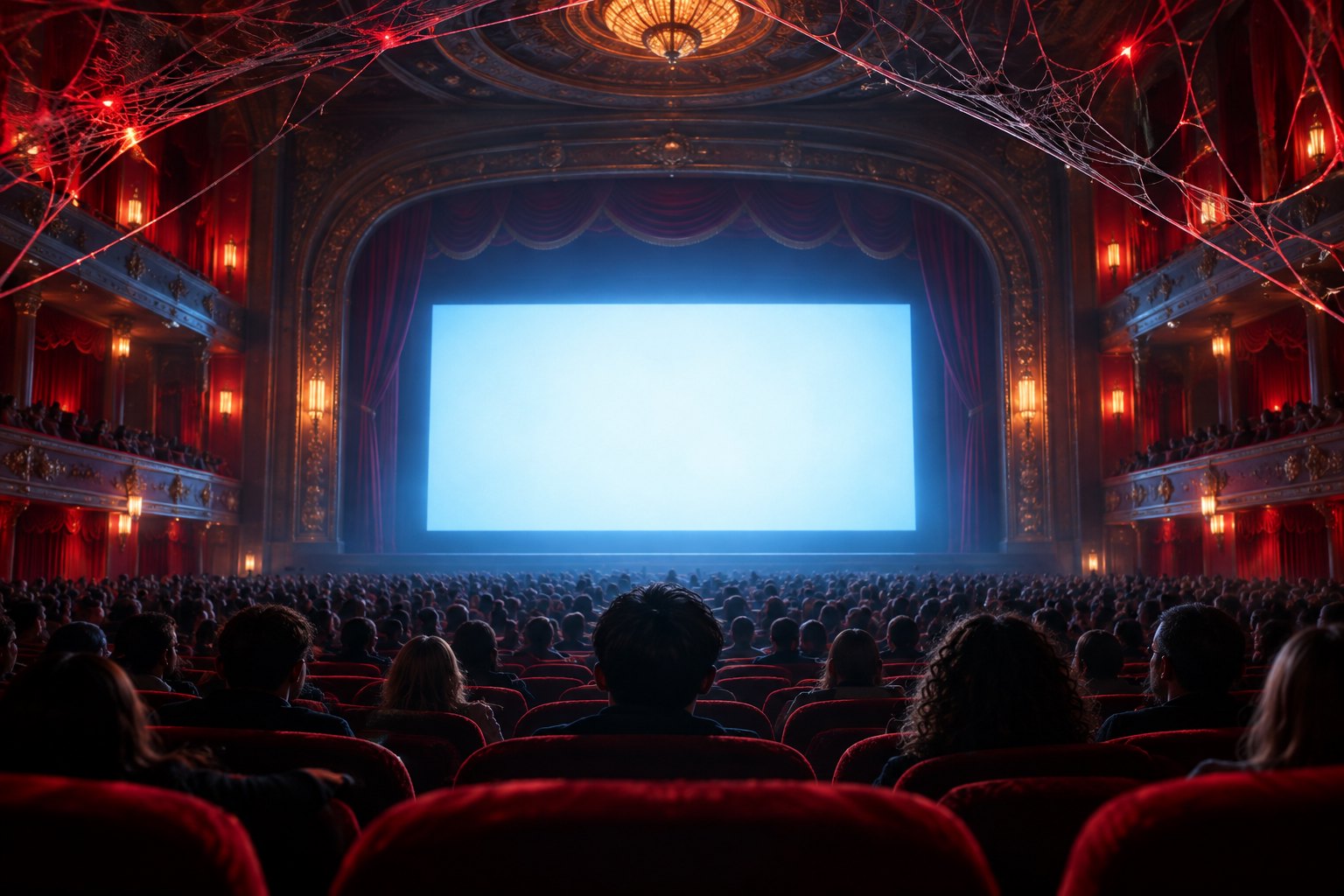
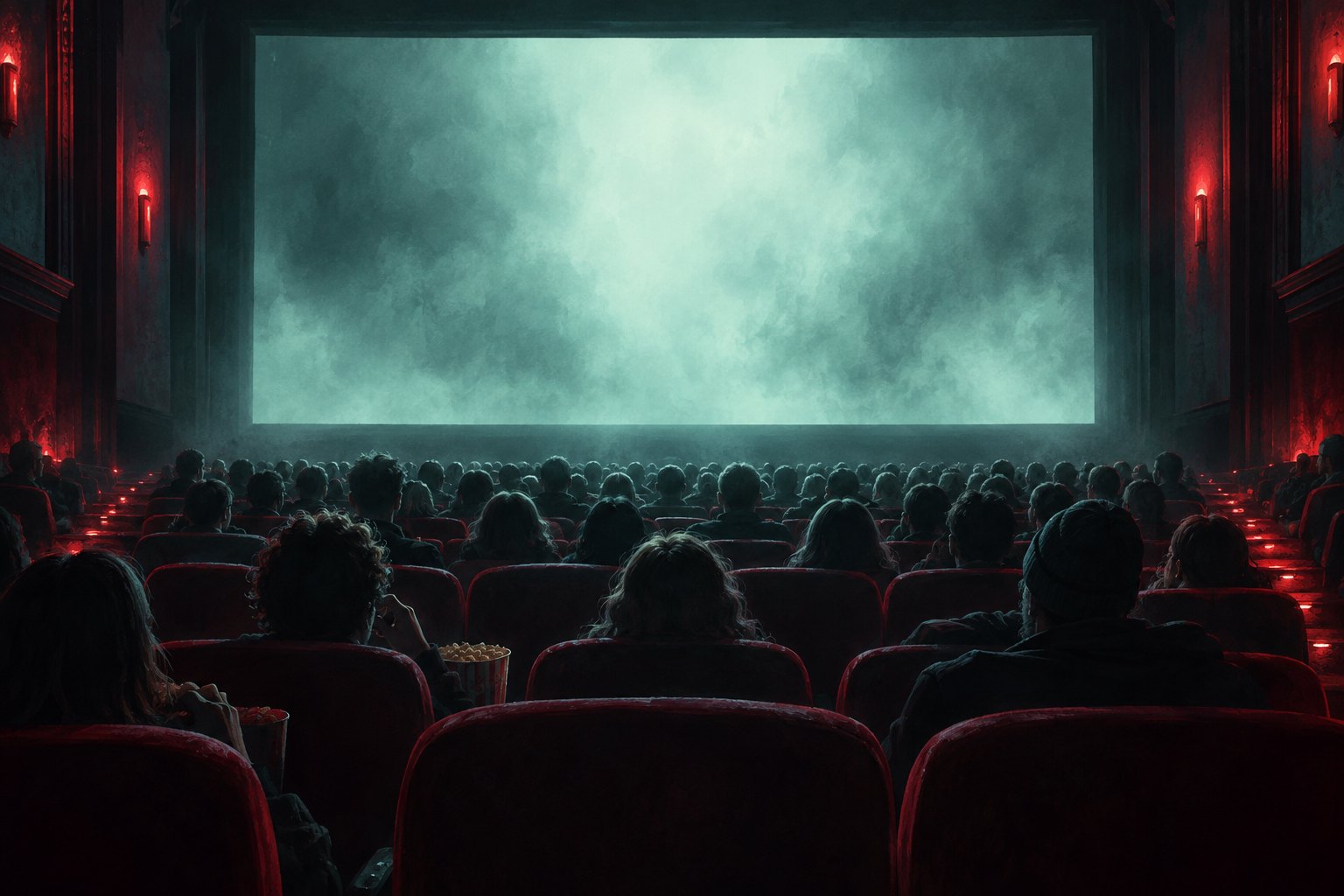
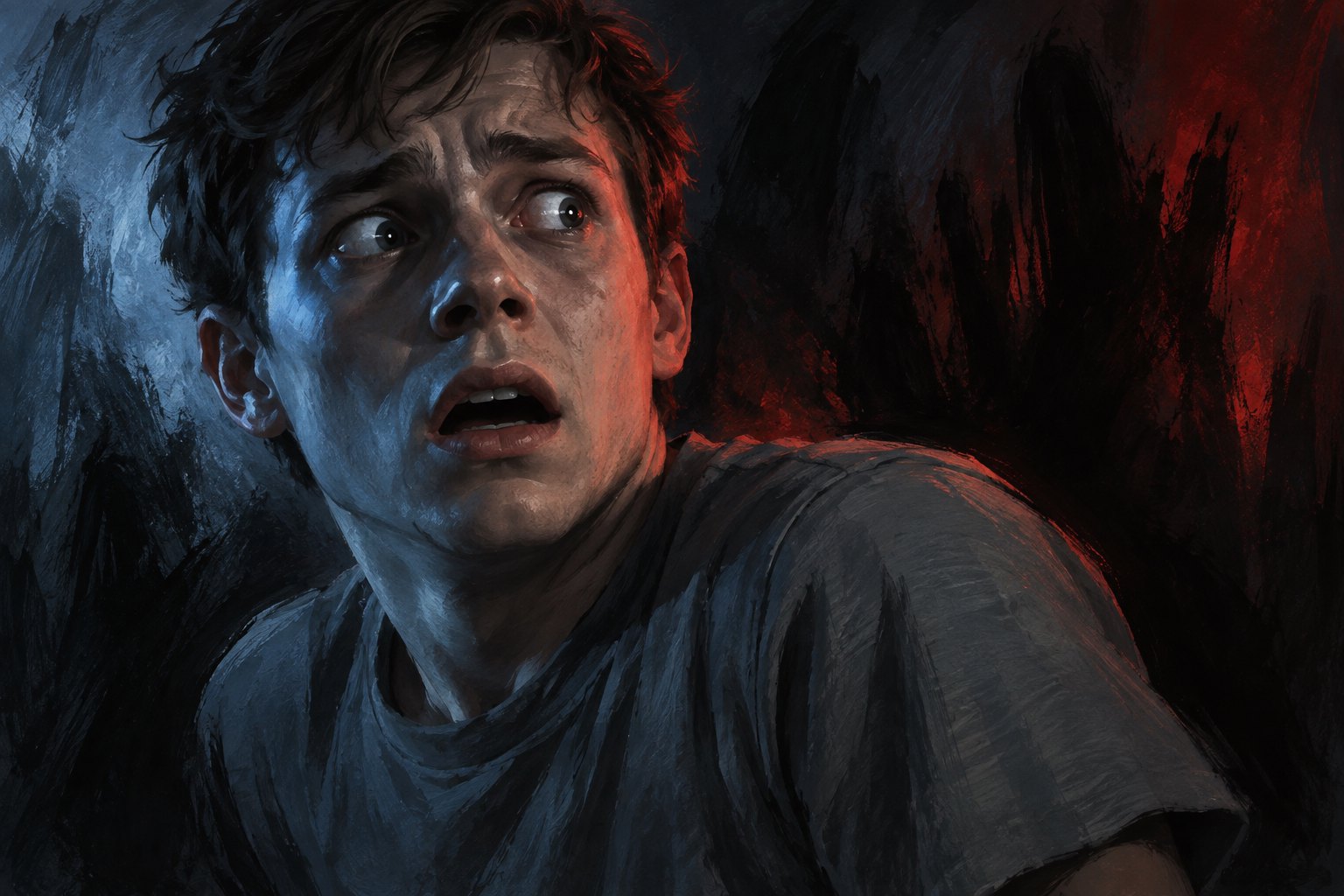
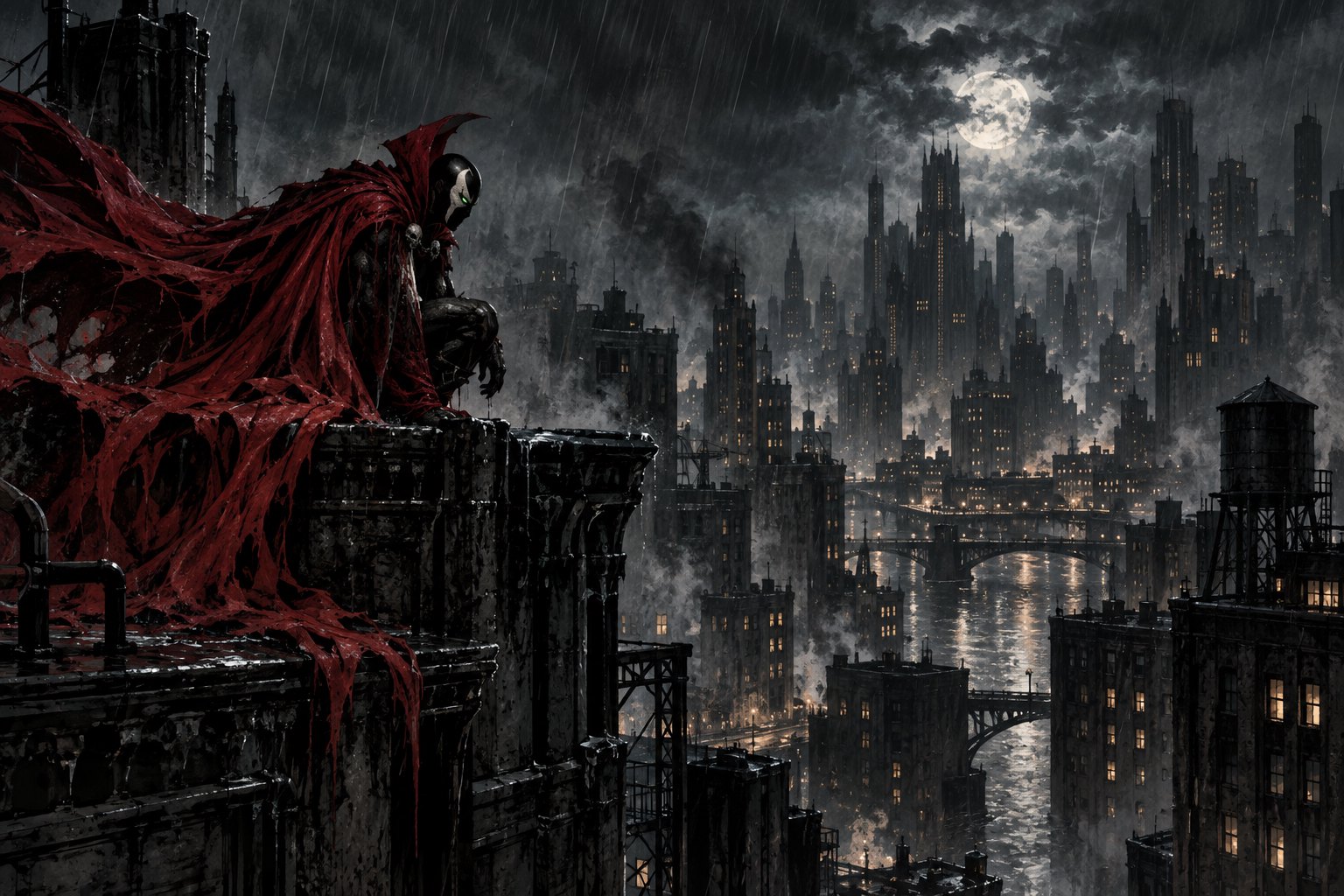
This is spoiler-free development commentary, not a review of a completed new film. No performance, scene, line of movie dialogue, or ending is being evaluated here. The illustrations are interpretive concepts rather than official production images.
What the update can—and cannot—tell us
In the interview, McFarlane describes continuing work on the screenplay, saying, “We’re just still trying to get the script right.” He also discusses a horror-oriented approach and his resistance to simply retracing the earliest material. These are reported creative intentions, not proof of how the eventual movie will play. The interview is the basis for those remarks: [Dread Central’s interview with Todd McFarlane](https://www.dreadcentral.com/exclusive/589042/todd-mcfarlane-shares-update-on-the-spawn-movie-exclusive/).
That leaves an important gap between a creator's ambitions and an audience's experience. A description of tone cannot establish whether a screenplay has compelling relationships. An argument for taking a different approach cannot show whether the changes will work. Readers should resist turning a statement of intent into either a victory announcement or a verdict of failure.
My interest lies in that unresolved creative problem. What would make a Spawn movie feel necessary beyond the pleasure of seeing a recognizable figure on a screen? The answer, I would argue, begins with perspective: whose fear organizes the story, whose choices move it forward, and whose losses receive attention.
Being frightening and experiencing fear are different stories
A film centered on an imposing supernatural figure has two useful possibilities. It can place the audience beside that figure, making power feel intimate and burdensome. Or it can hold the figure at a distance, letting ordinary people encounter something they cannot explain. Neither approach automatically produces a stronger movie. Each creates a different obligation.
If the new Spawn puts viewers close to its central character, the screenplay would need to make decisions legible without explaining every mystery. We should understand why an action matters to him, even when we do not understand everything he can do. Otherwise, mystery becomes emotional distance, and visual presence has to carry work that belongs to drama.
If the film primarily observes him through other characters, those people need lives beyond reacting to his arrival. Their curiosity, self-interest, and conflicting interpretations should shape the story. A witness who makes a dangerous choice is more compelling than a witness who merely supplies a convenient question.
The strongest version could move between those perspectives, but the transitions would need purpose. A frightening silhouette might become a vulnerable presence when the viewpoint changes. That shift would tell us something about both the person being watched and the person doing the watching.
Give the surrounding world something to lose
My preference would be for a Spawn adaptation that makes ordinary spaces emotionally specific. Horror becomes more persuasive when viewers can imagine what a place felt like before the disturbance. An apartment, workplace, or familiar stretch of street can carry more dramatic weight than an elaborate location introduced only to be destroyed.
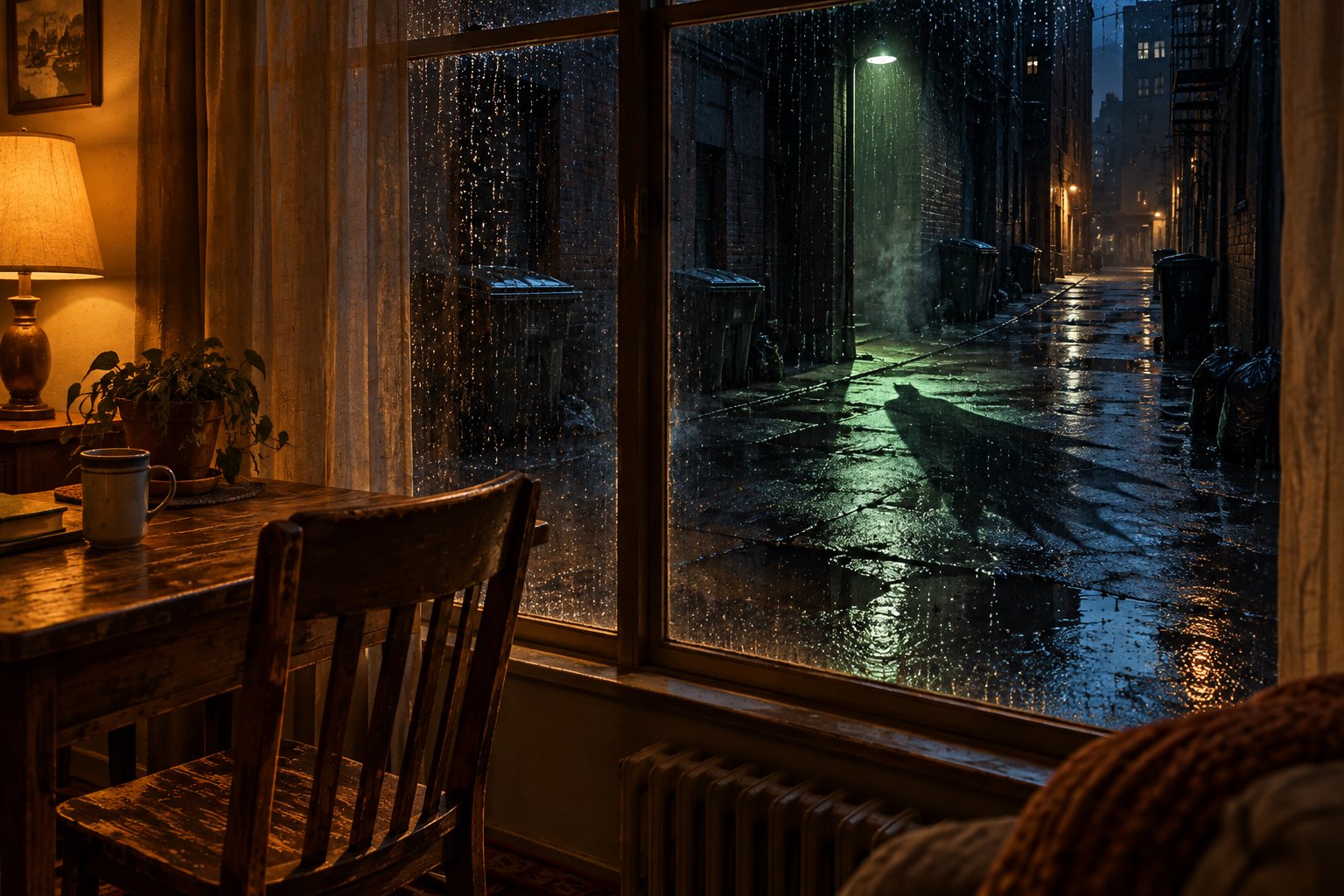
This is a proposal for how the movie could work, not a description of a reported sequence. Establishing routines would give its supernatural elements something concrete to interrupt. The audience would measure danger through changed behavior: someone avoiding a familiar route, refusing help, or reconsidering whom to trust.
Supporting characters would also need the freedom to misunderstand Spawn for credible reasons. Fear does not disappear simply because viewers recognize the title character. A film that respects that difference could make encounters tense without forcing anyone to behave foolishly.
That interest in lived experience connects with our discussion of why human vulnerability matters in horror performances. Whatever a creature or costume looks like, another person's response helps determine what its presence means.
Adaptation needs a dramatic center
The temptation with a recognizable property is to treat inclusion as achievement. A familiar design appears; an expected name is mentioned; a detail rewards longtime readers. Those pleasures are real, but they cannot decide where a scene begins, why it changes, or what a character risks by staying in it.
A useful test for any proposed Spawn sequence would be simple: what does someone want before it starts, and what becomes harder afterward? The answer need not involve a fight. A failed attempt at connection, a withheld truth, or a decision to offer protection could create momentum if the consequences persist.
This also gives creative departures a fairer standard. A change can be valuable when it sharpens a relationship or makes an internal conflict visible. Familiar material can be valuable for the same reasons. Neither novelty nor accuracy should receive automatic credit without examining its dramatic function.
Our commentary on adaptation beyond getting the lore right explores a related concern. For Spawn, the question would be whether recognition helps viewers understand the characters or simply pauses the story to solicit approval.
Darkness should change how people behave
A dark visual style can establish atmosphere quickly. Sustaining unease requires more. Lighting, framing, and sound need to organize attention: what a character notices, what remains beyond their sight, and how long the audience must wait before receiving an answer.
I would be more interested in a film that makes power morally uncomfortable than one that simply makes every image grim. If an act of protection frightens the person being protected, the story has a relationship to explore. If force solves an immediate problem while damaging trust, the next scene already has somewhere to go.
Restraint matters here too. Constant emphasis can flatten horror. Quiet intervals let the audience register consequences, and they give the next disruption a different emotional meaning. A movie needs enough variation for dread, grief, anger, and tenderness to remain distinguishable.
The deeper test: can power become responsibility?
McFarlane's update invites anticipation, but anticipation is most useful when it remains curious. The eventual film should be judged through what its characters do, what those actions cost, and whether its chosen perspective makes those costs intelligible.
For me, the richest possibility is a Spawn story in which formidable power cannot settle the central human problem. Strength might compel obedience without creating trust. It might stop an immediate threat without repairing a relationship. Those limits would give the character somewhere meaningful to struggle.
That is the adaptation I would want to see: one that lets its central figure occupy the frame with extraordinary force, then asks what he owes the people sharing it. A memorable screen identity would emerge from the answer.
Original content by this site's editorial team. Published: September 20, 2026 at 01:10:10 PDT (Los Angeles time)