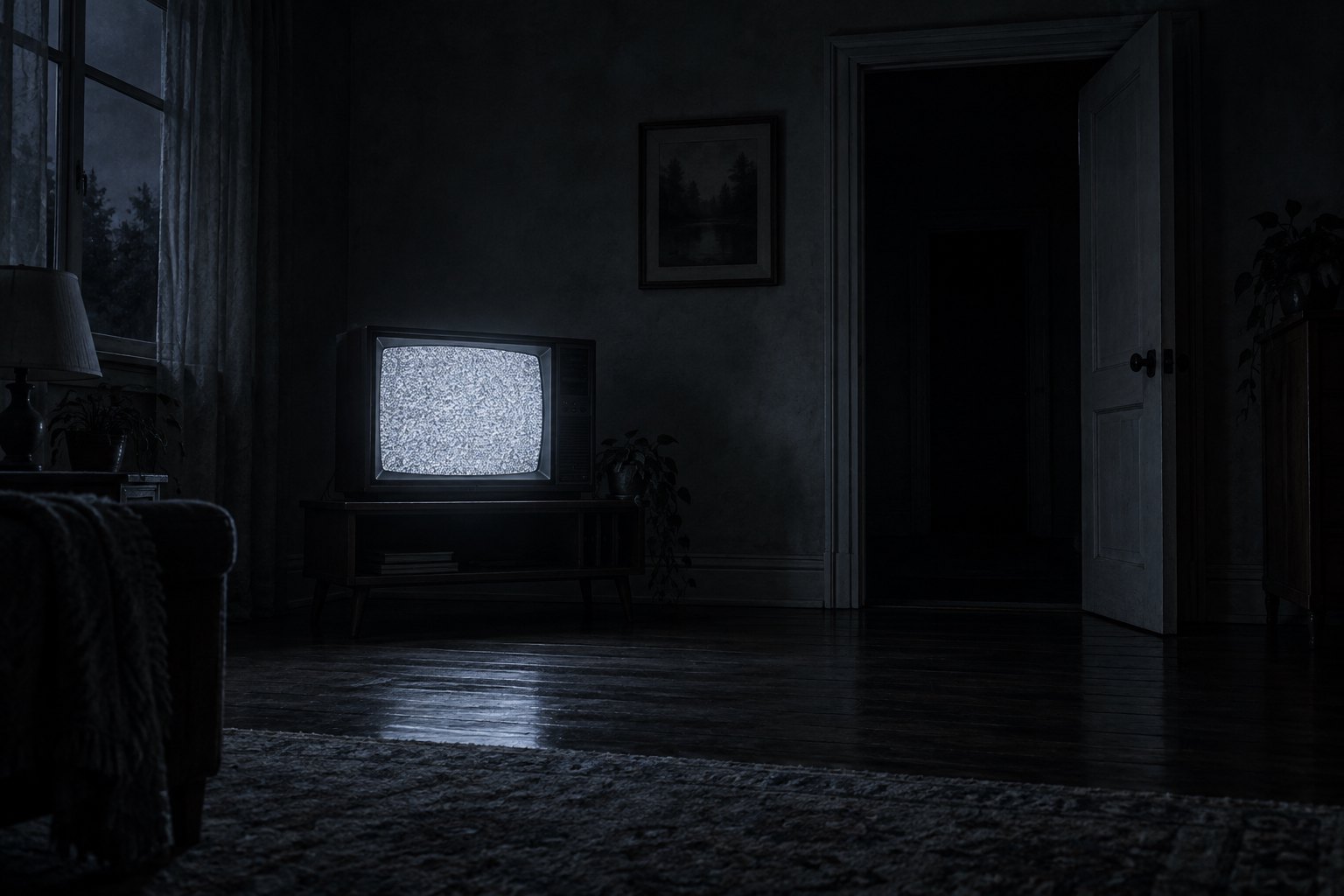
The Mandela Catalogue movie is headed toward a summer 2028 release, according to Deadline. For readers looking for the release window, that is the central news. It gives the project a place on the calendar, while leaving the more interesting question—what kind of viewing experience the finished movie will deliver—open.
A release announcement also creates an awkward moment for film criticism. There is something concrete to discuss, but there is no basis here for evaluating performances, reconstructing scenes, or explaining an ending. This is a spoiler-free preview and editorial assessment, with creative expectations distinguished from reporting. The strongest reason to follow the project now is to see how its eventual storytelling turns anticipation into something involving on screen.
What the summer 2028 announcement establishes
The useful takeaway is straightforward: Deadline reports a summer 2028 release for The Mandela Catalogue. That seasonal window is the scope of the release information presented here. Readers should avoid treating it as a complete guide to local screenings, international availability, or home viewing.
Those are separate practical questions. A release window alone does not tell a reader when tickets will become available in their area or when the movie will reach a subscription service. For now, summer 2028 belongs on a watchlist; specific viewing arrangements require their own announcements.
Nor does scheduling establish artistic quality. It cannot tell us whether the movie has a satisfying structure, whether its characters feel distinct, or whether its final act pays off its opening. Those judgments depend on the finished work. The announcement provides a reason to pay attention, rather than a reason to assign a rating.
The first creative question: whose experience will organize the film?
From a character-focused critical perspective, the most revealing future detail will be the movie’s point of view. Whose experience gives events their meaning? What does that person understand, and what remains beyond their reach? These questions are more useful than assembling a list of images we hope to recognize.
There are several possible approaches, none established here as the film’s actual structure. A story concentrated around one person can make uncertainty intimate: the audience has to interpret events with that character’s limited knowledge. An ensemble can produce a different tension, allowing viewers to notice conflicts between accounts. Each approach creates opportunities, but each also demands clear dramatic organization.
The test is whether perspective changes our understanding of behavior. An apparently foolish decision can become credible when we understand what the character knows, what they fear losing, and which alternatives seem available. Conversely, a screenplay loses force when it withholds obvious information solely to push someone toward danger.
That emphasis on people also informs our discussion of the human stakes facing the SCP Foundation movie. For The Mandela Catalogue, the corresponding question is specific: will the eventual film give viewers someone whose choices matter as much as its unsettling possibilities?
How framing can make uncertainty meaningful
One worthwhile criterion for the eventual movie is how it directs attention. A frame always selects: it shows part of a space and leaves the rest unseen. Suspense can develop from that boundary, especially when viewers understand why a character cannot simply obtain a clearer view.
Consider the difference between withholding information and withholding orientation. We may not need to know what caused a disturbing event, but we usually need enough spatial or emotional context to understand why someone responds to it. Mystery becomes engaging when we can follow the consequences, even while its cause remains uncertain.
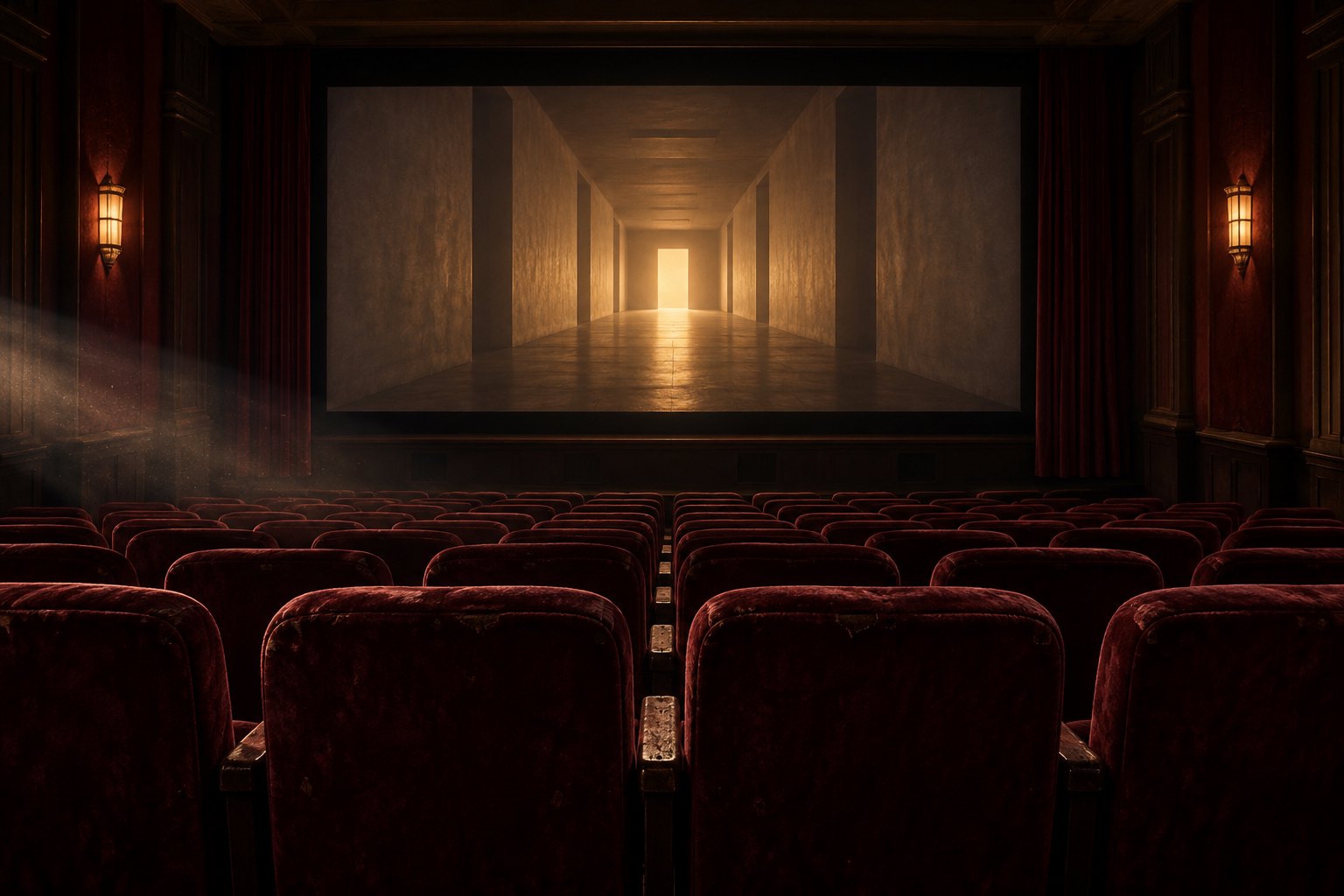
The illustrations accompanying this article are conceptual images, not scenes from the production. Their enclosed spaces suggest a critical question worth carrying into the film: does the image make us share a character’s uncertainty, or merely invite us to search the background?
Both effects can be enjoyable, but they serve different purposes. Background searching encourages anticipation. Shared uncertainty can deepen identification. My preference is for a movie that connects the two, so that noticing something changes how we understand the person watching it.
What future footage could help viewers assess
When evaluating any future promotional footage for The Mandela Catalogue, three questions would offer a useful starting point. They are criteria for interpretation, not claims about material already released.
- Can we identify an immediate human concern? Even a brief glimpse becomes more involving when someone appears to want, protect, or understand something.
- Does tension develop through a sequence? A striking isolated image can promise atmosphere. Connected actions can suggest how the film sustains it.
- Does explanation create consequences? New information becomes dramatically valuable when it changes a decision, a relationship, or a perception of danger.
Promotional editing would still place limits on those judgments. A trailer can compress dialogue, reorder moments, and emphasize a tone that occupies only part of the feature. It can suggest an approach without demonstrating that the whole movie works.
This distinction matters for adaptations more broadly. Our commentary on why Hawaii Five-O needs a story that earns the big screen considers a related challenge: recognition may attract attention, but dramatic construction must sustain it.
Why a plot review and memorable dialogue must wait
A close reading needs actual scenes. Without verified feature-film material to analyze, assigning character arcs, quoting supposed dialogue, or identifying hidden references would manufacture evidence. Familiarity with related material would not establish which elements appear in this movie or how they function there.
That distinction is especially important for memorable lines. Dialogue acquires meaning through performance, placement, and response. A sentence delivered before a revelation can mean something different afterward. Reproducing a familiar quotation without confirming its presence and context would offer recognition at the expense of criticism.
The deeper question behind the anticipation
The most promising critical question for The Mandela Catalogue is how the finished film might connect uncertainty with responsibility. When people cannot fully understand their circumstances, what still guides their choices? That is a lens for future interpretation, not a claim about the screenplay’s themes.
A compelling answer would emerge through behavior: what a character risks, whom they believe, and what happens after they decide. Summer 2028 supplies the reported release window. The eventual movie will have to supply those choices—and make their consequences worth following.
Original content by this site's editorial team. Published: September 11, 2026 at 15:31:22 PDT (Los Angeles time)