The Further Mis-Adventures of Cliff Booth takes Cliff into 1977 Los Angeles, and the date supplies its most interesting invitation: consider what happens when a memorable character has to keep living after the moment that made him memorable. Eight years separate this setting from the 1969 of Once Upon a Time… in Hollywood. That distance opens a question more substantial than whether the cars, clothes, and interiors look convincing. What does the passing of time mean to someone whose appeal depends on seeming remarkably untroubled?
Netflix’s account of the film identifies Brad Pitt’s returning Cliff as a man who works as a bartender and projectionist as well as handling other people’s problems. David Fincher directs from Quentin Tarantino’s screenplay. Those everyday occupations offer a particularly useful way into the period: they place Cliff inside the machinery of entertainment while keeping him outside its spotlight.
This is commentary on the confirmed premise and its character implications, rather than a firsthand review of the finished film. It discusses the setup without revealing an ending or attributing unverified dialogue to its characters.
Eight Years Is a Character Question
A sequel can make elapsed time feel strangely weightless. A familiar face returns, the audience recognizes a gesture, and the intervening years become little more than an updated wardrobe. Cliff’s move to 1977 creates an opportunity to give those years more consequence. Continuity becomes interesting when a person carries familiar habits into circumstances that no longer reward them in quite the same way.
From Cliff’s imagined perspective, the question would be practical before it became philosophical. Which skills still earn money? Which acquaintances still answer a call? Which routines remain comfortable because they work, and which remain comfortable because changing them would require an admission? These are interpretive questions raised by the premise, not claims about particular scenes.
The distinction matters because apparent ease can mean several things. It can express confidence, acceptance, indifference, or an unwillingness to think too far ahead. A character study earns its depth by letting those possibilities coexist long enough for behavior to distinguish them. Merely telling us that Cliff is older would reveal less than showing what he now considers worth his time.
The Projection Booth Offers a Different View of Hollywood
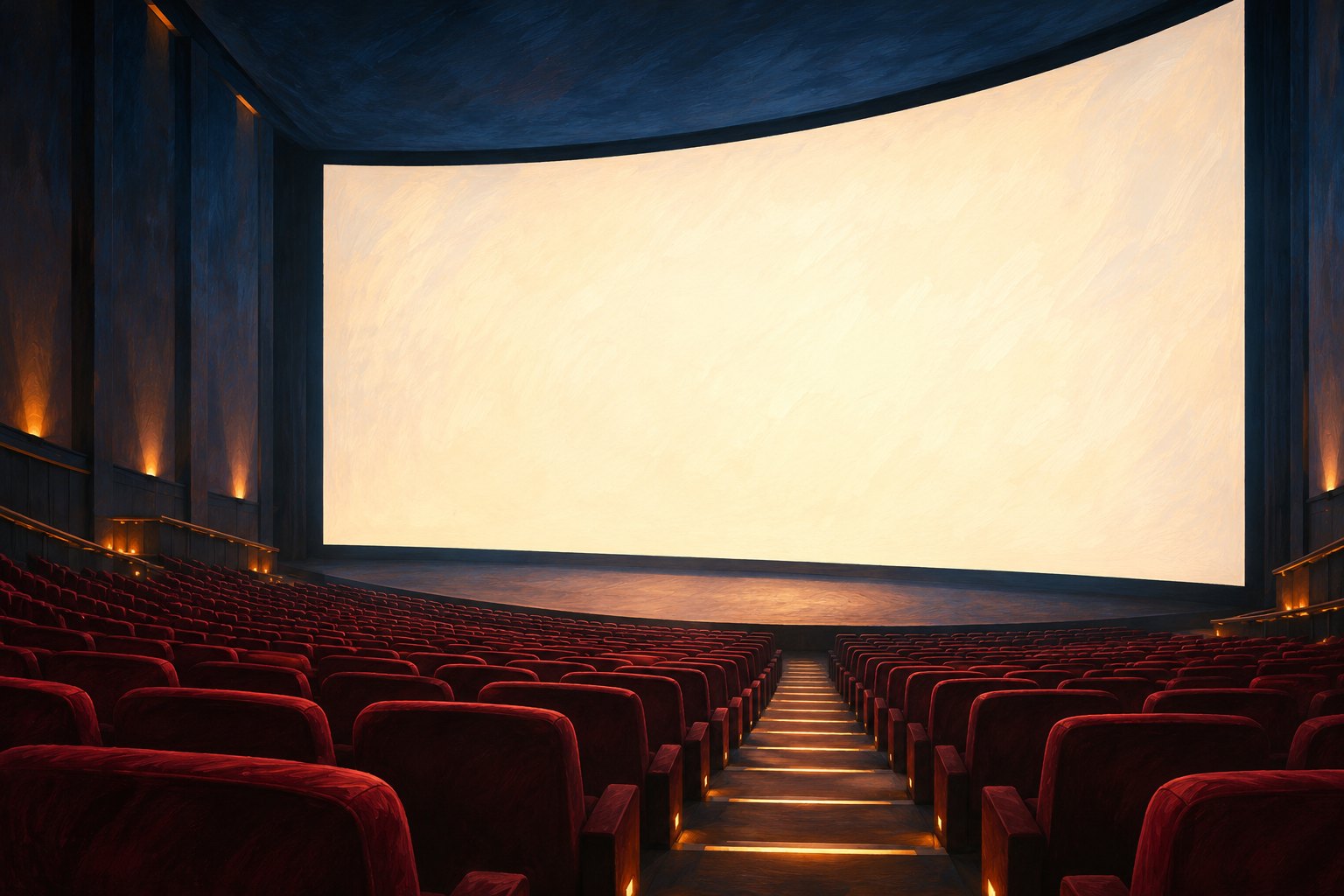
Of the occupations described in Netflix’s feature, projectionist is the most suggestive. The audience watches a luminous image; someone elsewhere performs the physical work that keeps it moving. As a metaphor for Cliff’s relationship to entertainment, that arrangement has real precision. He can be essential to the experience without becoming its visible subject.
This is an interpretation of the job, not a claim that the film explicitly turns a projector into a symbol. Nevertheless, the association gives viewers something concrete to consider. A projectionist’s work depends on attention, timing, and familiarity with equipment. Glamour reaches the auditorium because someone handles an unglamorous task correctly.

Bartending introduces a related distinction between proximity and belonging. Serving people offers access to their conversations without necessarily granting access to their lives. Read together, these jobs suggest an especially useful vantage point for a Los Angeles story: close enough to observe how people perform themselves, distant enough to notice the effort involved.
Our earlier discussion of Cliff Booth’s return and his role as a Hollywood fixer examines his professional usefulness. The quieter occupations invite a different emphasis here: the distinction between making a living around entertainment and being celebrated by it.
1977 Should Feel Like Somebody’s Present
The easiest way to enjoy a period setting is to browse it. A dashboard, a lamp, or the shape of a movie theater can become an attraction in itself. There is nothing inherently shallow about that pleasure. Objects carry associations, and a carefully imagined environment can make a fictional life feel inhabited.
Still, a character experiences an environment differently from a nostalgic spectator. For someone living in 1977, a familiar car is transportation before it is a collectible. A workplace is somewhere to finish a shift before it is an example of period design. The strongest dramatic use of the setting would preserve that everyday relationship between people and things.
That offers a useful viewing test: does a period detail affect what someone can do, wants to do, or chooses to avoid? If it does, the setting participates in the story. If its only purpose is recognition, it supplies atmosphere. Both functions have value, but they should not be mistaken for the same achievement.
Cliff is particularly well positioned to make that distinction meaningful. The premise gives him work, obligations, and reasons to move through the city. Those practical connections can turn Los Angeles into a place where someone lives, rather than a succession of handsome locations offered for our approval.
Who Gets to Look Effortless?
There is a productive tension between a compelling protagonist and the people whose lives surround him. Audiences naturally gravitate toward someone who appears capable. Competence is satisfying to watch because it reduces uncertainty: a person notices the problem, understands the situation, and acts.
But competence can also distort our judgment. Once we enjoy someone’s manner, we may become less interested in questioning his decisions. A character-centered reading should therefore consider two things separately: how effectively Cliff handles a situation, and what handling it accomplishes for everyone involved.
The ordinary jobs sharpen that distinction. Work can be performed expertly while serving an arrangement that deserves scrutiny. Being reliable does not automatically make someone fair; being relaxed does not automatically make someone free. These are useful questions to bring to Cliff’s return without prematurely assigning the film a moral conclusion.
A related concern appears in our analysis of age, practiced skill, and a changing city in The Only Living Pickpocket in New York. The thematic connection is the uncertainty surrounding an established ability: preserving what a person does well may also preserve the habits that limit him.
The Deeper Promise of Returning to Cliff
For me, the most compelling possibility in the 1977 setting is its resistance to the idea that a defining adventure settles a life. A person can survive something extraordinary and still need another paycheck, another routine, another explanation for where the years went. Continuing the story makes room for that less spectacular truth.
It also changes the meaning of familiarity. Recognizing Cliff should be the beginning of our attention. The more revealing question is whether we understand him differently once his life extends beyond the circumstances in which we first encountered him.
That is the standard this premise invites: whether time becomes visible through choices rather than decoration. The cars and cinemas can bring us into 1977. Cliff’s relationship to work, attention, and his own accumulated habits is what could make the year matter.
Original content by this site's editorial team. Published: November 25, 2026 at 05:12:07 PST (Los Angeles time)