James Bond should go to Virginia if the setting can make him work harder: read unfamiliar social cues, depend on someone else’s judgment, and discover that looking completely in control is different from understanding a situation. That is the strongest creative case for a Virginia-set adventure. The scenery would be a pleasure; the opportunity to unsettle 007 would be the real attraction.
This is a speculative assessment of a setting, not a review of a completed film or confirmation of a production location. Every proposed scene below is hypothetical. The question is what Virginia could contribute to Bond’s character and the audience’s experience, rather than how many recognizable places a screenplay could squeeze into two hours.
1. Bond could become an outsider in a deceptively familiar world
An English-speaking setting can create a useful illusion of familiarity. Bond could understand every word at a Virginia reception while misunderstanding who actually holds influence. A gracious host might have little authority; a seemingly peripheral guest might control the information he needs.
For the character, that would expose a limitation in his confidence. His clothes, manners, and practiced charm could secure an invitation without securing anyone’s trust. The audience would have the pleasure of watching a capable man revise his assumptions.
The familiar introduction, “Bond. James Bond,” would acquire an interesting edge in such a scene. He would be announcing an identity that matters enormously to viewers, then waiting to discover whether it means anything to the person opposite him. That small pause could supply both humor and vulnerability.
2. An American partner could set the terms of the mission
A Virginia story could give Bond an American counterpart whose local relationships are indispensable. Imagine an ally who refuses his preferred approach because a reckless intervention would expose a witness who must continue living there after the operation ends.
Neither character would need to be foolish or secretly corrupt. Bond could reasonably prioritize an immediate threat while his partner recognizes consequences he cannot see. Their disagreement would arise from different responsibilities.
That is more rewarding than giving 007 an assistant who explains the setting and then disappears during the climax. A consequential partner should be able to withhold cooperation, propose a better plan, and make a decision Bond must respect. The setting would then change the distribution of power inside the story, giving their eventual trust something concrete to overcome.
3. The landscape could make action easier to follow
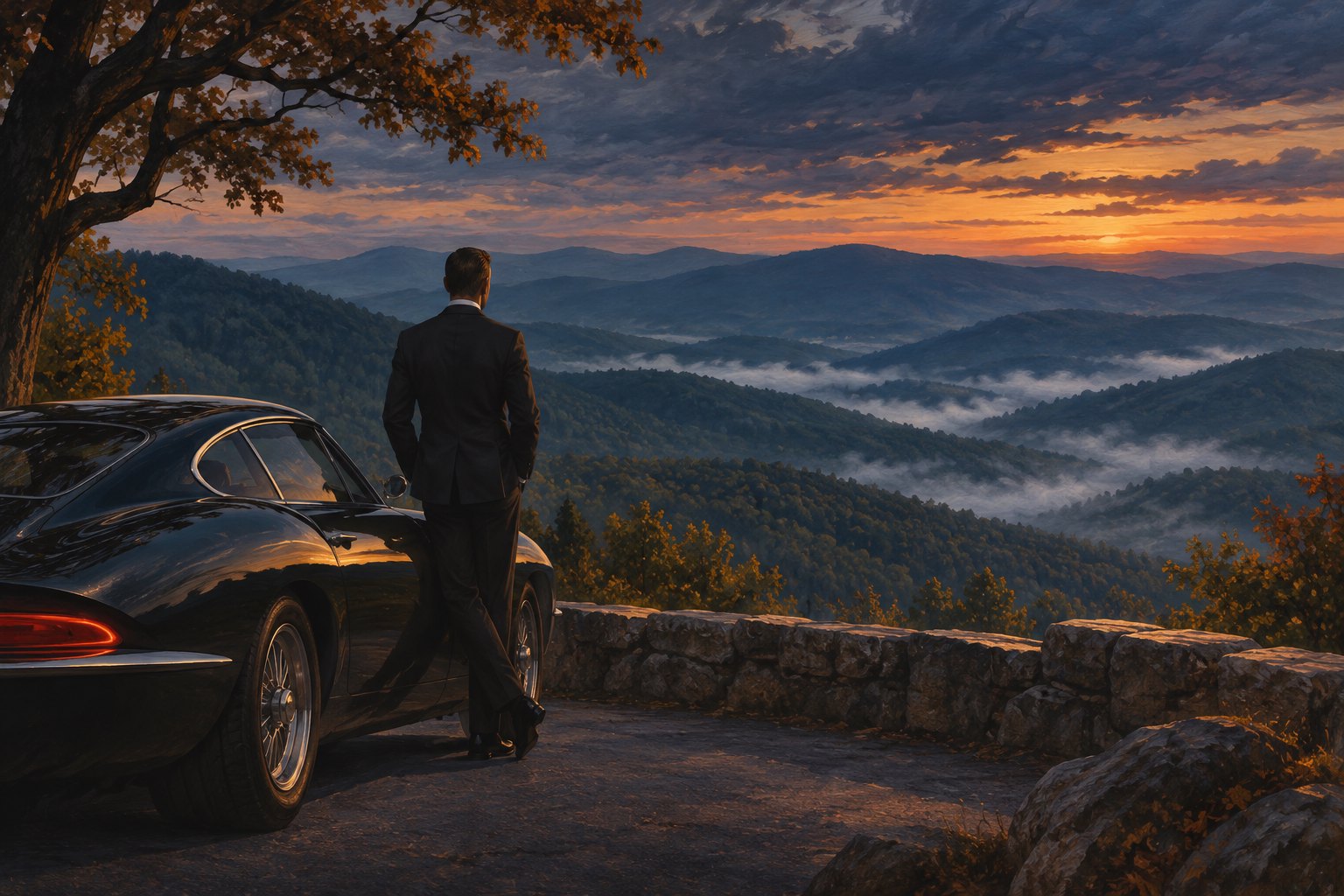
A Virginia mountain-road sequence would have an obvious visual appeal. Its dramatic value, however, would depend on whether the audience understood the problem: who is ahead, where the escape route leads, and what Bond risks by taking it.
Imagine a pursuit built around a single difficult choice. Bond can remain concealed and lose sight of his target, or move into the open and reveal that he is following. The landscape would force a decision instead of merely decorating speed.
My preference would be for patient wide shots before the rapid cutting begins. Establish the road, the vehicles, and the distance between them. Then let a change in that arrangement produce suspense. A beautiful location earns its place when viewers can explain how it affected the outcome.
The relationship between scenery and feeling also shapes our analysis of place and emotional memory in An Affair to Remember. Different genre, same useful question: what does being here allow the characters to experience?
4. Virginia could give Bond’s glamour a social purpose
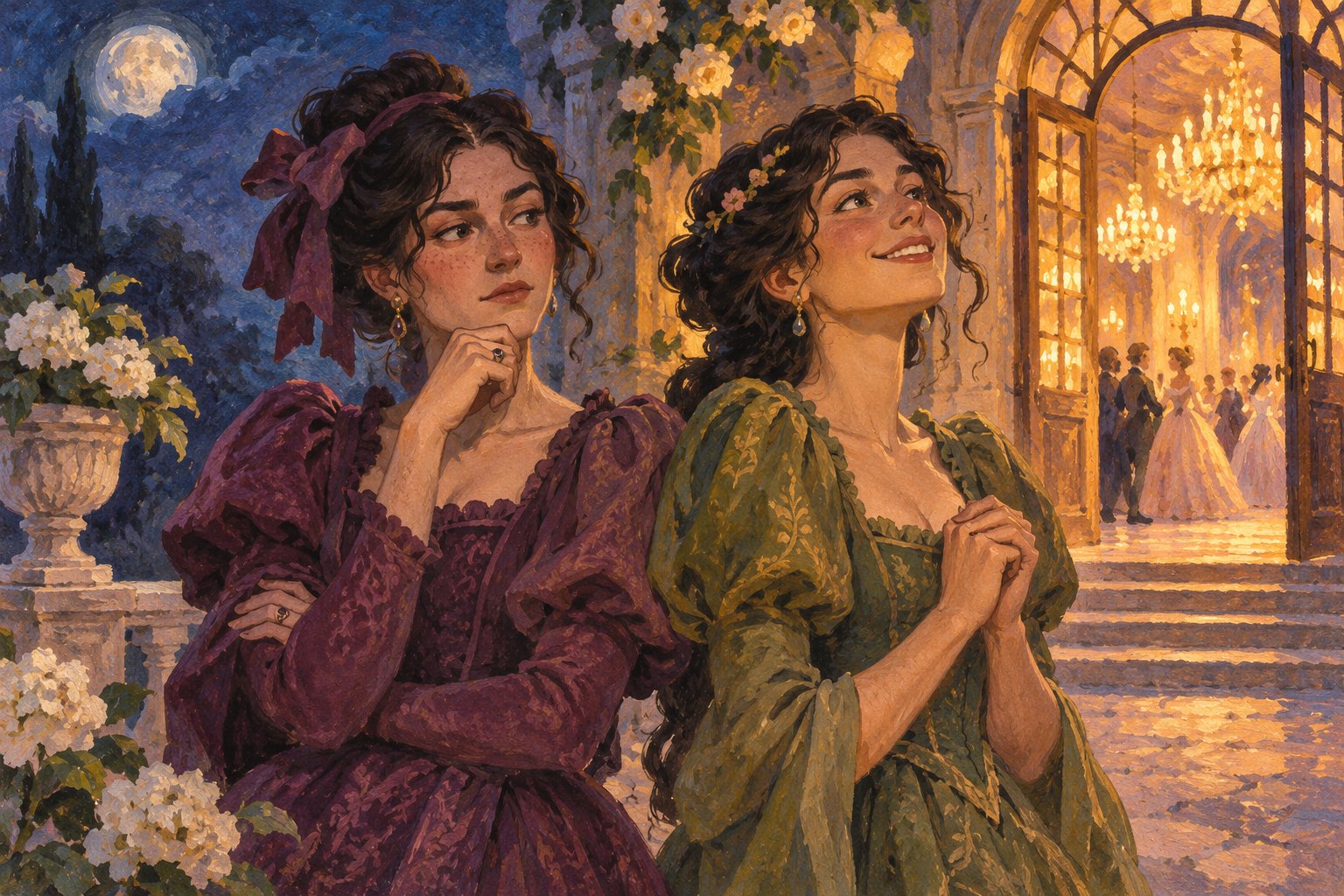
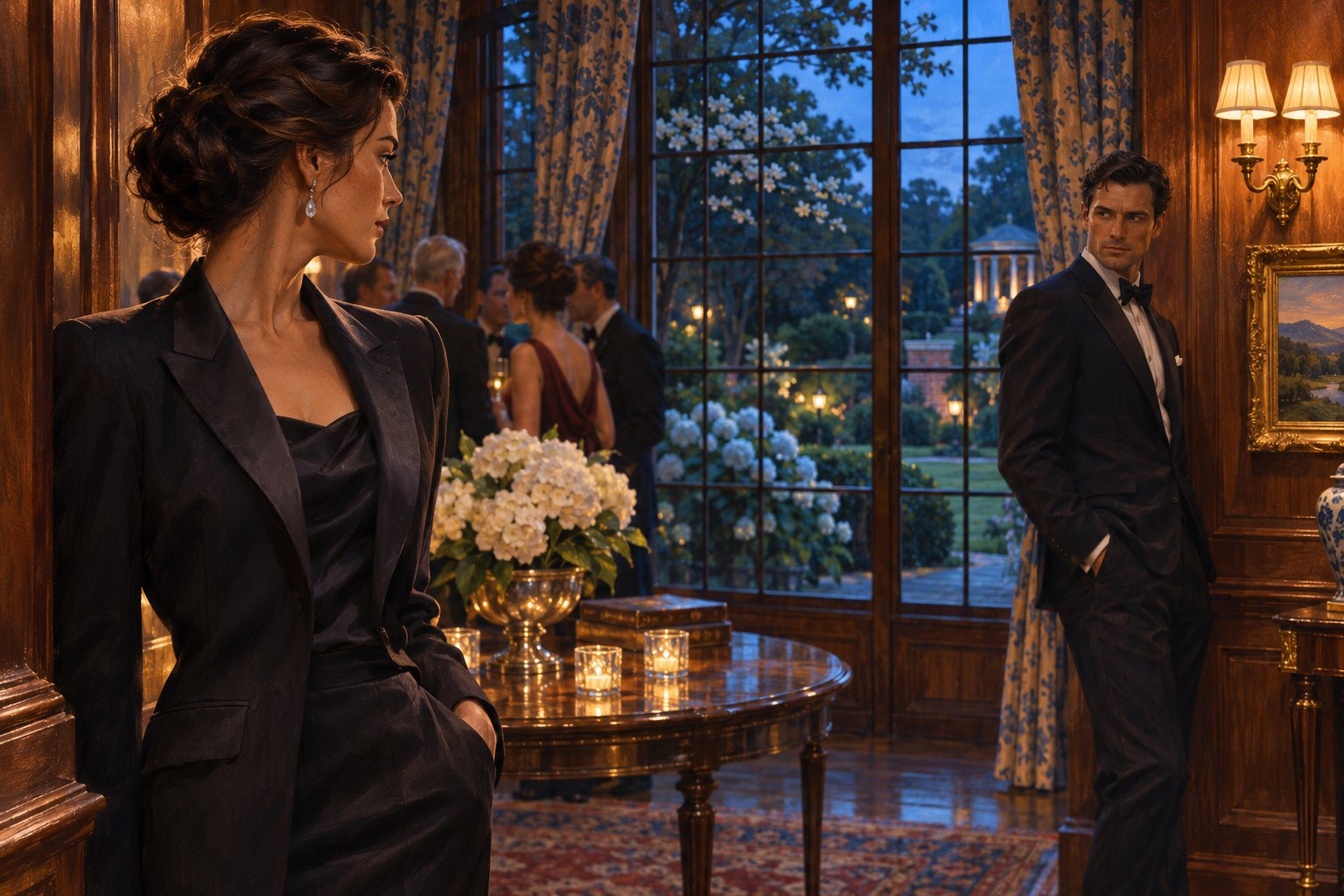
A fictional evening reception would offer everything a Bond film needs for elegant suspense: controlled entrances, competing conversations, and people carefully choosing what to reveal. The scene would become interesting when Bond had to interpret those details while maintaining his own performance.
His “shaken, not stirred” preference could function as a tiny assertion of control. But the screenplay should move past the familiar order quickly. Whom is he watching while the drink arrives? Who notices that he has stopped listening? What information does his apparent ease conceal?
Glamour works best when it creates obligations. Accepting an invitation might mean agreeing to remain visible. Leaving early might offend someone whose cooperation matters. A polished room could become a trap without anyone locking a door.
5. A local character could challenge his habit of leaving
Bond’s mobility is part of his appeal. For a character rooted in the place he visits, that freedom could look less romantic. He arrives with a mission and an exit plan; other people inherit the aftermath.
A Virginia-based investigator, engineer, or reluctant witness could bring that difference into focus. Their profession would matter less than their independent objective. They might want to protect a colleague, preserve evidence, or keep someone vulnerable out of an operation.
Any attraction between that character and Bond should complicate those commitments rather than erase them. A refusal to leave with him could express judgment and attachment to a community. It would also require Bond to recognize a form of courage that does not resemble his own. Staying can be a consequential choice, too.
6. Ordinary surroundings could sharpen the suspense
A Virginia adventure would not need to keep escalating toward ever larger structures and explosions. A quiet restaurant, a borrowed office, or an empty parking area could hold an effective sequence if the viewer understood what was at stake.
Consider a hypothetical meeting in which Bond realizes his contact is being watched. The challenge would be to warn that person without revealing his discovery. A glance, a changed seat, or an interrupted sentence could become the decisive action.
Such a scene would let an actor communicate thought before movement. It would also give the eventual burst of action a reason to exist. The spectacle would resolve pressure that had already accumulated, making even a brief struggle feel substantial. Virginia’s usefulness would lie partly in providing a believable everyday world for that pressure to disturb.
7. A sustained setting could give the story emotional continuity
The strongest version of this idea would stay in Virginia long enough for places to acquire meaning. A room introduced as welcoming could become threatening when Bond returns with new knowledge. A road first associated with escape could later lead him back toward someone he abandoned.
Repetition of that kind helps the audience measure change. The physical surroundings remain recognizable while the character’s understanding shifts. It also prevents the location from becoming a disposable stop between plot announcements.
As with our character-focused discussion of The Comeback King’s premise, the useful critical test is whether an attractive setup contains a conflict that can develop. Virginia would be a starting condition. Bond’s choices would have to make it a story.
The deeper appeal: making confidence answer to responsibility
The best argument for sending James Bond to Virginia is that it could expose the distance between personal competence and genuine understanding. He might win a confrontation while misreading an ally, complete an assignment while overlooking its local cost, or discover that accepting help requires more discipline than acting alone.
That would preserve the pleasure of watching Bond perform extraordinary feats while giving those feats a sharper emotional context. His confidence could remain seductive without becoming the film’s automatic answer to every problem.
A successful Virginia-set Bond film would leave viewers remembering a choice that could only have emerged from those people and that place. The mountains, evening clothes, and dangerous encounters would supply the invitation. What Bond learned to notice—and whom he finally chose to trust—would give the adventure its staying power.
Original content by this site's editorial team. Published: November 22, 2026 at 03:44:06 PST (Los Angeles time)