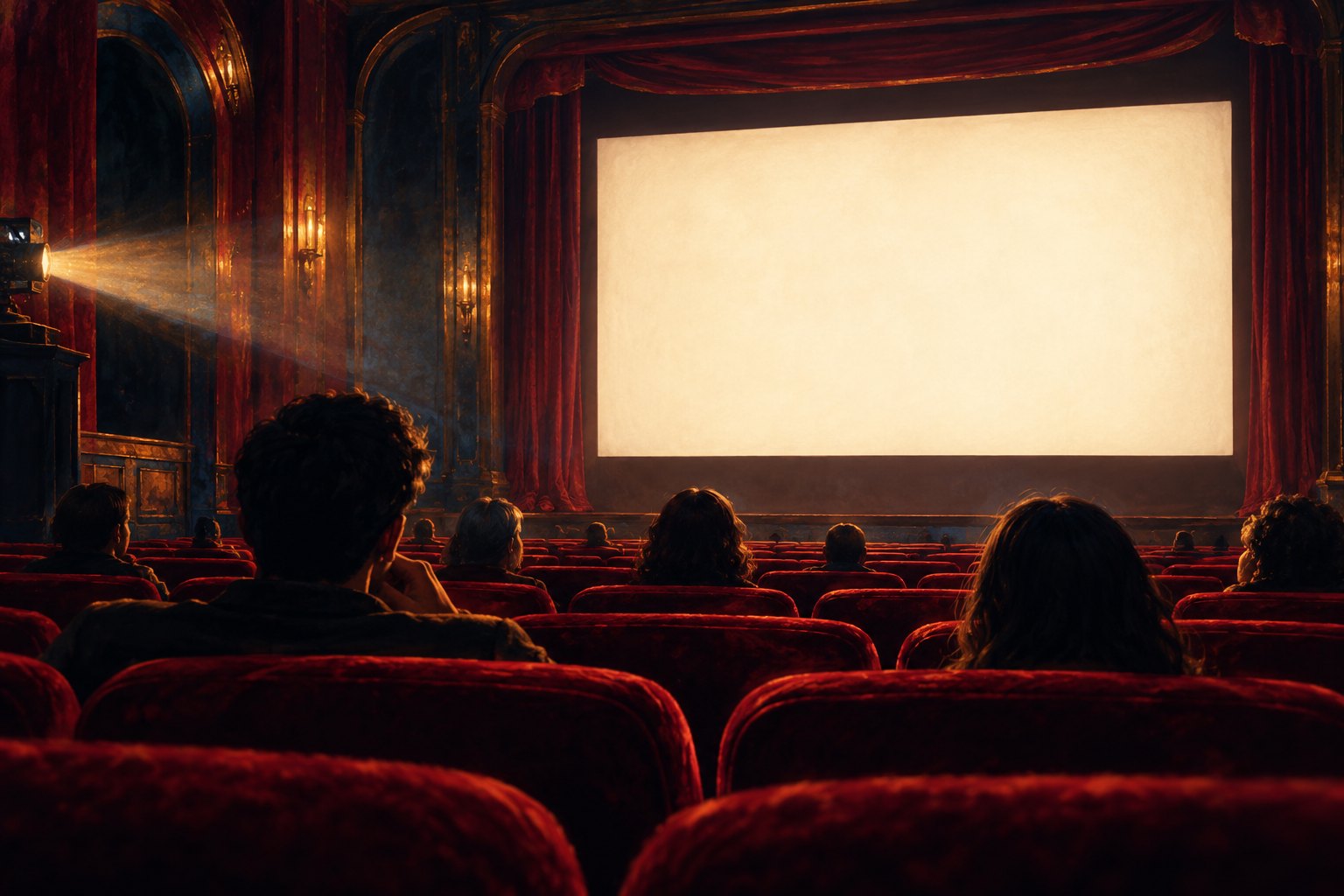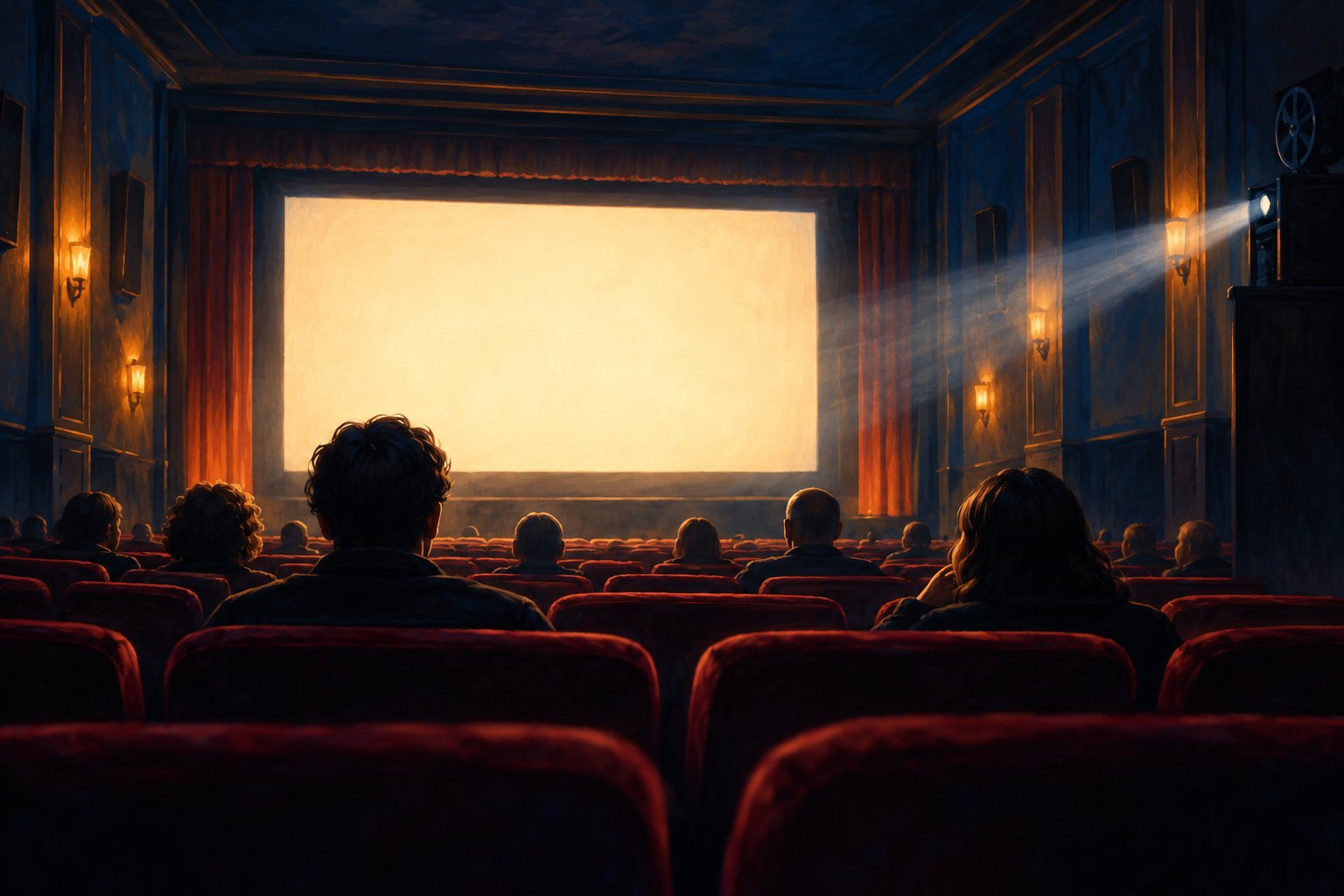
Anthony Bourdain’s Russian fixer remembering the late chef at a Moscow movie screening offers a compelling way to reconsider a familiar screen presence. NPR’s brief account places remembrance at the center of the occasion. Its significance for film audiences lies in the perspective involved: someone who helped a traveling storyteller work has a different relationship to that storyteller’s image than the people watching from their seats.
That distinction deserves attention. A viewer encounters a finished performance, shaped by selection, pacing, and sound. A collaborator encounters the work that makes such a performance possible. Bringing those perspectives together can deepen an appreciation of Bourdain without turning admiration into an assumption that the audience knew everything about him.
This is commentary on the screening’s remembrance theme, rather than a review of an identified film. The brief NPR account does not establish the screened title, its scenes, or the precise words spoken at the event.
Why the Fixer’s Perspective Changes the Story
In travel filmmaking, a fixer can help connect a visiting production with the people, places, and practical knowledge it needs. The term sounds functional, but the underlying work can have considerable storytelling consequences. Who gets introduced, which misunderstanding gets resolved, and whether a conversation feels possible all influence what a camera can capture.
It would be speculative to assign particular production decisions to Bourdain’s Russian fixer on the basis of this account. The broader critical point is that access has authors. When viewers credit every revealing encounter to the personality at the center of the screen, they can overlook the relationships that allowed the encounter to happen.
From that perspective, a remembrance by a fixer invites a useful shift in attention. Instead of asking only what made Bourdain compelling, we can also ask what collaboration made visible. The host’s ability to connect and the local collaborator’s ability to establish an opening belong in the same discussion.
My view is that this makes the Moscow occasion more interesting than a straightforward celebration of celebrity. It creates room to consider a public figure through a working relationship. That perspective can restore scale to a legend: a person making decisions alongside other people, with limited time, incomplete knowledge, and a camera waiting.
A Screening Holds Two Different Kinds of Memory
A recorded image and a personal recollection preserve different things. Film can retain a gesture with extraordinary precision. It can show where someone looked, how long they paused, or how their expression changed. Yet those details arrive inside an edited sequence. The viewer does not automatically know what happened before the camera started or after it stopped.
A collaborator’s memory supplies another kind of evidence, grounded in participation. It also has a point of view. Affection, elapsed time, and the circumstances of telling can affect which experiences come forward. Respecting that testimony means hearing it as a situated account, without demanding that one person explain an entire life.
The productive relationship between these forms of memory is one of conversation. A recollection can complicate an apparently simple screen moment; an image can preserve something that a speaker struggles to describe. Neither has to erase the other for the audience to learn more.
This is also a useful question in our discussion of how a screen portrait can look beyond a performer’s legend. A tribute becomes richer when the people around its subject contribute distinct perspectives rather than merely confirm the same flattering description.

Looking at the People Around the Central Figure
Character analysis in nonfiction requires particular care. The people on screen have lives beyond the dramatic function an edit assigns them. A guide may become the comic companion, an interviewee the voice of authority, or a friend the person who explains the central figure’s vulnerability. Those functions help a film move, but they can also narrow our understanding.
Bourdain’s fixer remembering him reverses the usual direction of attention. The person commonly understood in relation to the host becomes the person through whom the host is considered. That reversal is valuable because it raises a question about agency: whose understanding of an encounter is allowed to shape its meaning?
For viewers revisiting travel documentaries, a practical approach is to watch the exchanges as closely as the presenter. Notice whether another person finishes a thought. Consider whether a reaction shot clarifies a conversation or mainly supplies a punch line. Listen for the difference between a question that opens space and narration that closes it.
These are viewing criteria, not claims about the unidentified Moscow selection. They help distinguish a film that makes room for its participants from one that uses them chiefly to develop the star. In my judgment, a compelling portrait earns its emotional weight by allowing those surrounding people to remain complicated.
What a Memorial Screening Can—and Cannot—Tell Us
The Moscow setting gives this remembrance a specific place. It does not, by itself, establish what everyone in the audience thought or what the occasion meant politically. An individual’s relationship with Bourdain should not be treated as a statement on behalf of a whole country.
The screening context nevertheless matters. Watching a remembered person with others can create an experience different from watching alone. Laughter, silence, and attention become shared possibilities. Without a detailed account, however, none of those reactions should be attributed to this particular audience.
There is a related distinction between preserving a public presence and explaining a private life. Archival images can make someone feel immediately available again. That emotional force is real for the viewer, but the feeling of familiarity is not complete knowledge. Our commentary on archival footage and screen remembrance considers the same tension between a preserved appearance and the larger life beyond it.
The Deeper Meaning: A Legacy Made With Other People
The strongest interpretation of this occasion is that a screen legacy belongs partly to the relationships that sustained the work. Bourdain is the recognizable name, but a fixer’s recollection draws attention to the human structure around that recognition. It asks us to think about introductions, cooperation, and the accumulated experience of working together.
That is a demanding standard for any documentary about a beloved figure. Admiration alone can produce a smooth portrait in which every anecdote points toward greatness. A more revealing film allows differences in perspective, recognizes the limits of its evidence, and gives supporting voices something meaningful to contribute.
The Moscow remembrance offers a reason to carry that standard into our viewing. The question is not simply whether a film brings back the person audiences miss. It is whether the film helps us understand the people and relationships that made his presence on screen possible. Listening to the collaborator is a good place to begin.
Original content by this site's editorial team. Published: November 1, 2026 at 07:59:03 PST (Los Angeles time)