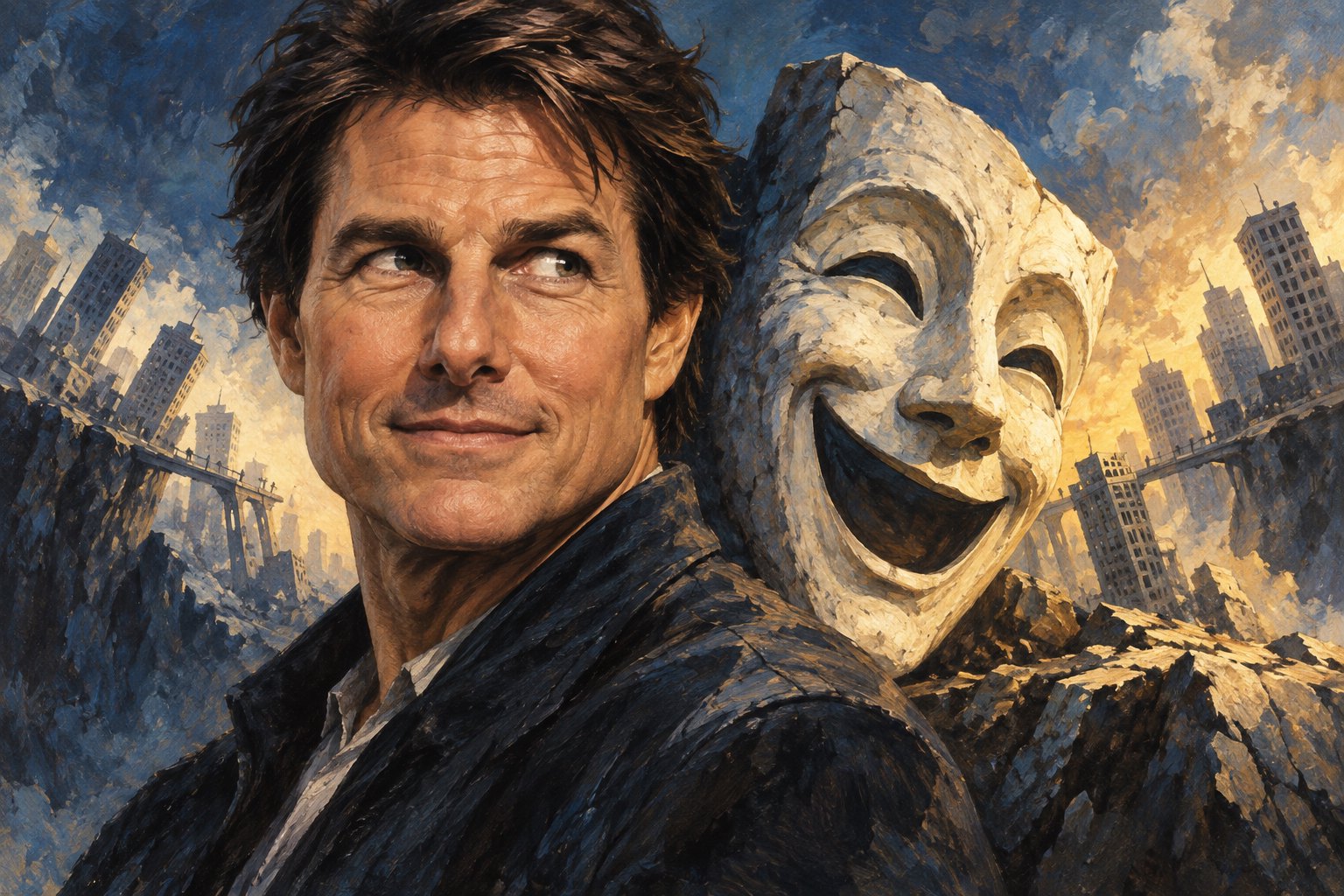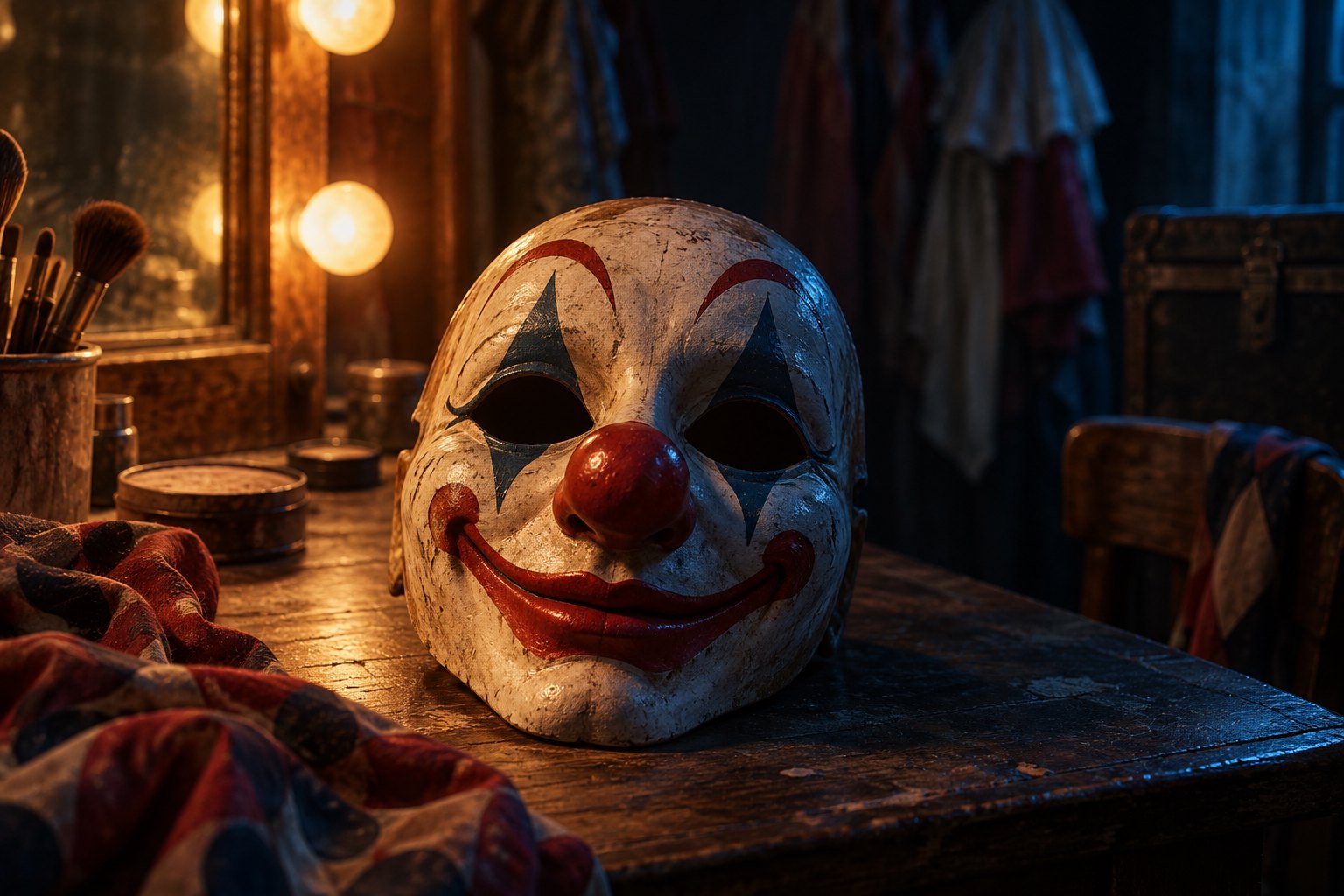
Afraid of Clowns, an original R.L. Stine horror movie, is set at Tubi, according to Variety. The announcement offers an immediately understandable attraction: a familiar figure associated with amusement becomes the focus of fear. The more interesting question is what that fear will reveal about the people experiencing it.
That is where this project’s dramatic potential lies. A sinister smile can make an effective promotional image. Sustaining a movie requires a reason to care about the person looking at it—and about what happens when that person decides to look again.
This is a spoiler-free announcement analysis, not a review of the finished film. No assessment of performances, specific scenes, dialogue, or the ending is implied. The title provides a useful starting point for criticism, but it cannot establish how the movie actually tells its story.
What the Afraid of Clowns announcement establishes
The central news is straightforward: the project is an original horror movie associated with R.L. Stine, titled Afraid of Clowns, and set at Tubi. Those details establish its identity and platform connection. They are enough to explain why readers interested in new horror releases might want to follow it.
They do not, by themselves, establish its intended age group, level of violence, storytelling style, or the precise nature of Stine’s creative involvement. An author’s name attached to a movie should not automatically be read as a screenplay credit. Likewise, a platform announcement is not an invitation to assume that a film is already available to watch.
The word original also needs proportion. It describes the project in the announcement; it does not guarantee an unfamiliar visual language or an unprecedented story. Originality as a viewing experience depends on the choices a movie makes with its material.
That distinction connects with the broader issue explored in our commentary on film demand and the stories that get made: another announced title creates an opportunity, while the finished work determines its value to audiences.
The title puts the frightened person first
Afraid of Clowns names an emotional condition before it identifies any particular monster. Its emphasis is on being afraid. That wording invites a character-centered approach: whose fear matters, how do they understand it, and what does it cost them to acknowledge it?
There is a useful distinction between a character being endangered and a character feeling endangered. A film can show viewers an obvious threat, making us impatient for someone to escape. It can also restrict our knowledge, letting us share a character’s uncertainty about whether an apparently harmless encounter deserves alarm. These approaches create different relationships between the audience and the protagonist.
For this project, the second possibility is especially intriguing as a critical lens, though it is not a description of confirmed scenes. A clown’s appearance can supply conflicting information: a painted smile communicates pleasure even when the person beneath it gives nothing away. The frightened observer must decide which signals deserve trust.
My preference would be for that uncertainty to produce consequential decisions. Fear becomes dramatically interesting when someone must act with incomplete information. Simply insisting that a clown looks disturbing would leave much of the title’s potential unused.
Being believed can matter as much as getting away
A character’s fear also has a social dimension. Expressing alarm can mean admitting vulnerability, interrupting an occasion, or challenging someone else’s confidence that everything is fine. Horror can make those ordinary pressures feel suddenly consequential.
This is a possibility the title opens, not a claim about the movie’s relationships. If a story places a frightened person among skeptics, the disagreement needs substance. Other characters should have understandable reasons for interpreting events differently. Otherwise, disbelief becomes a mechanical device that keeps help away until the plot needs it.
The fearful character needs complexity, too. Perceptiveness and anxiety can coexist. Someone may notice a real danger while misunderstanding part of it. Allowing that mixture gives a performance more room than dividing everyone into the person who is always right and the people who never listen.
The standard I would bring to Afraid of Clowns is whether its characters’ responses change their relationships. A scare should ideally leave something behind: damaged trust, a revised judgment, an uncomfortable obligation. That residue is what turns a succession of incidents into a story.
How perspective could make a familiar image unsettling
Clown imagery presents a practical filmmaking challenge: the costume can announce menace before the scene has developed any. Once every visual element signals danger, there is little ambiguity left for the viewer to explore.
Framing offers another route. A distant figure gives us time to inspect posture and movement. A close view can conceal the surrounding space. Holding a shot after an apparently ordinary action can make us question why the camera has stayed. None of these techniques requires a more elaborate monster; each changes our access to information.
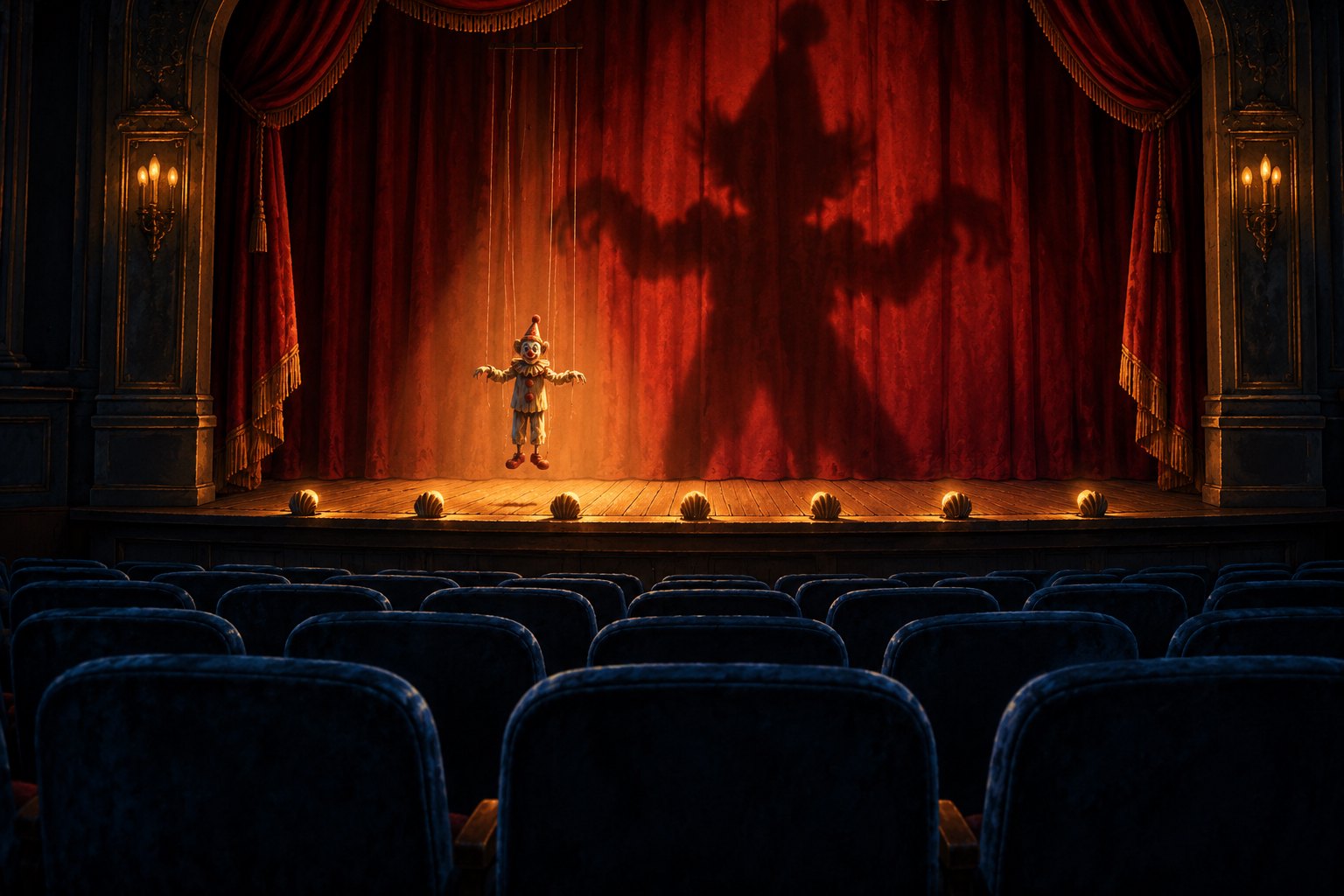
Sound offers similar choices. Laughter can feel welcoming, obligatory, or hostile depending on who participates and who remains silent. A pause can expose the distance between a performer’s expectation and an observer’s response. The critical question is whether such choices express a character’s experience or merely instruct the audience to brace for a noise.
Our preview of the horror project Portrait of God approaches a related issue: an evocative concept becomes dramatically meaningful through the perspective of the people confronting it. That is a useful measure here as well.
What would make the eventual film worth recommending?
For me, the strongest version of this premise would connect its frightening moments to a developing understanding of character. Who notices danger first matters less than what noticing forces them to do. Courage becomes compelling when it involves a choice with a cost, rather than a sudden disappearance of fear.
Tonal control will also matter. Humor can give characters warmth and establish what they stand to lose. It can also puncture tension prematurely. The productive balance would allow amusement and unease to coexist without treating every emotional investment as an excuse for a joke.
The title ultimately suggests a deeper question about appearances: what happens when a face associated with happiness makes someone feel unsafe? A painted smile cannot confirm kindness, any more than visible fear confirms weakness. That tension is the most promising interpretive possibility in Afraid of Clowns. Whether the movie develops it remains to be seen, but it gives this Tubi announcement an interest beyond the prospect of another frightening costume.
Original content by this site's editorial team. Published: October 1, 2026 at 19:44:27 PDT (Los Angeles time)