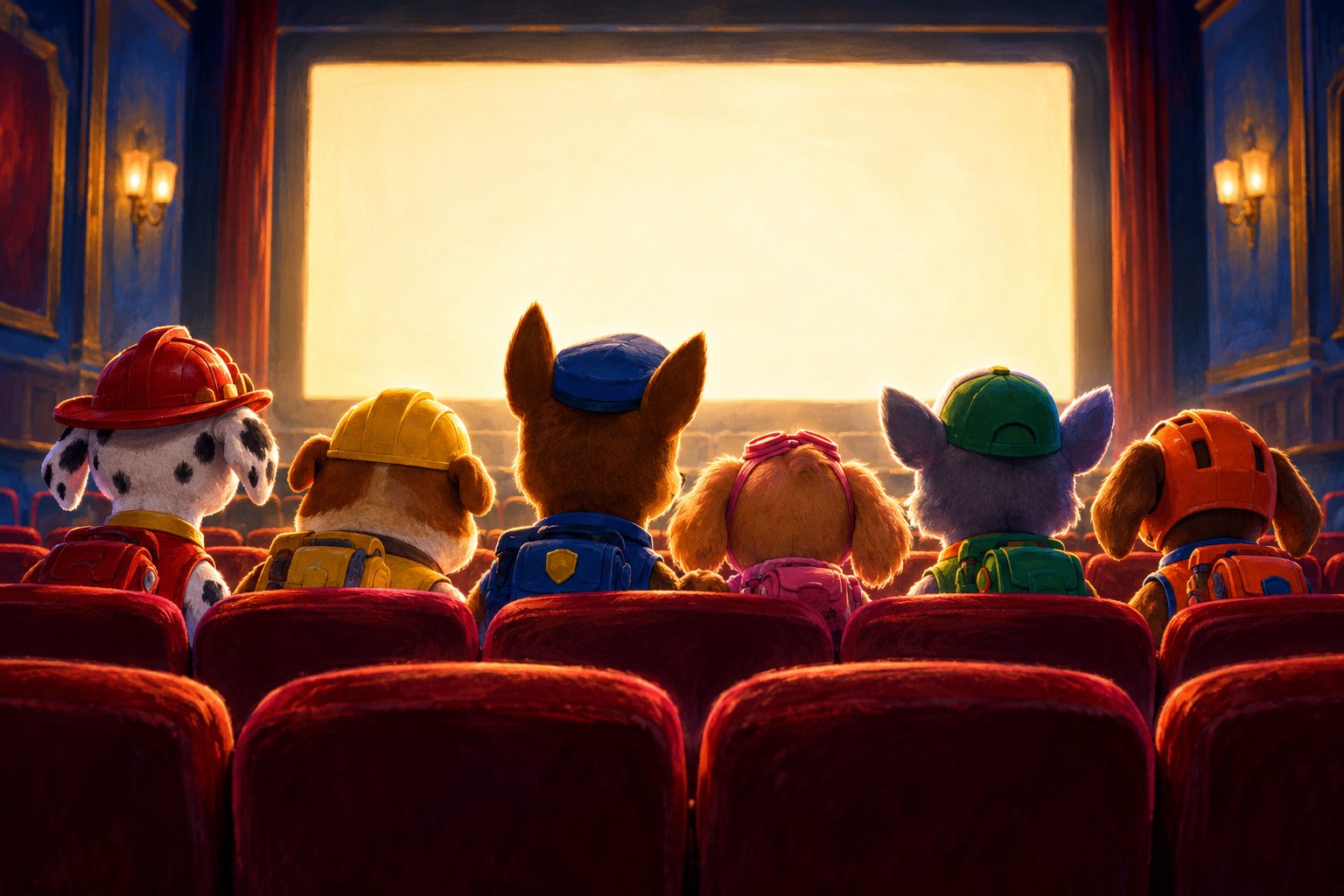
PAW Patrol 4 is in the works at Paramount Animation and Spin Master, according to Deadline. For families interested in another big-screen outing, that is the central news: another film is being developed. The creative question is more interesting than the number attached to it. What could a fourth movie reveal about these characters that makes another adventure feel necessary?
The announcement supports anticipation, but it does not provide enough verified story information for an honest film review. This is a spoiler-free development preview and critical assessment of the sequel’s opportunity. Any discussion of possible storytelling choices below expresses an editorial preference, not a description of the forthcoming movie.
What the PAW Patrol 4 news establishes
The report identifies a fourth PAW Patrol movie and connects the project with Paramount Animation and Spin Master. That establishes the direction of the franchise without settling the details that matter when choosing a family movie: its story, emotional intensity, running time, or eventual availability.
A release date, director, voice cast, detailed synopsis, and age rating are not established by the announcement discussed here. Nor should the shorthand PAW Patrol 4 be treated as proof of the final on-screen title. Development news introduces a project; it does not supply a complete viewing guide.
That distinction matters because a familiar property can make an early announcement feel more complete than it is. Recognition fills in the blanks almost automatically. Readers may picture returning favorites, a particular setting, or a bigger emergency, but those expectations should remain separate from confirmed details.
The same distinction between an industry milestone and a finished viewing experience informs our discussion of what a movie distribution announcement actually tells audiences. Here, the useful takeaway is straightforward: there is another project to follow, while a verdict on its quality must wait.
A fourth adventure needs an emotional reason to exist
My strongest hope for PAW Patrol 4 is that its central problem gives a character something meaningful to work through. Bigger environments and elaborate action can give animation theatrical scale. They become more involving when the audience understands why a particular challenge matters to the character facing it.
From a character’s perspective, an emergency has two dimensions. There is the practical task—understanding what needs to happen—and the personal difficulty of doing it. A story gains texture when those dimensions interact. Technical competence might be tested by uncertainty, while enthusiasm might need to make room for listening.
These are possible dramatic approaches, not proposed plot leaks. Their value is that they let action express personality. A rescue can reveal who notices a problem, who rushes ahead, who reassures someone else, and who changes course when the first plan fails. Those choices give viewers more to remember than the size of the obstacle.
For a fourth installment, that would be a persuasive reason to return. Familiarity creates an immediate connection; a new decision can deepen it. The most satisfying sequel would let young viewers recognize the heroes while discovering another dimension of how they think and care.
Teamwork should change the outcome
A team movie faces a deceptively difficult writing challenge: making several characters essential within one story. Distributing appearances is only part of the job. An ensemble becomes dramatically convincing when its members affect one another’s decisions.
For PAW Patrol 4, I would look for cooperation that has a visible cause and effect. Does one character notice what another overlooks? Does accepting help lead to a better solution? Does a setback prompt the group to rethink its approach? These questions offer a more useful standard than simply counting how many characters participate.
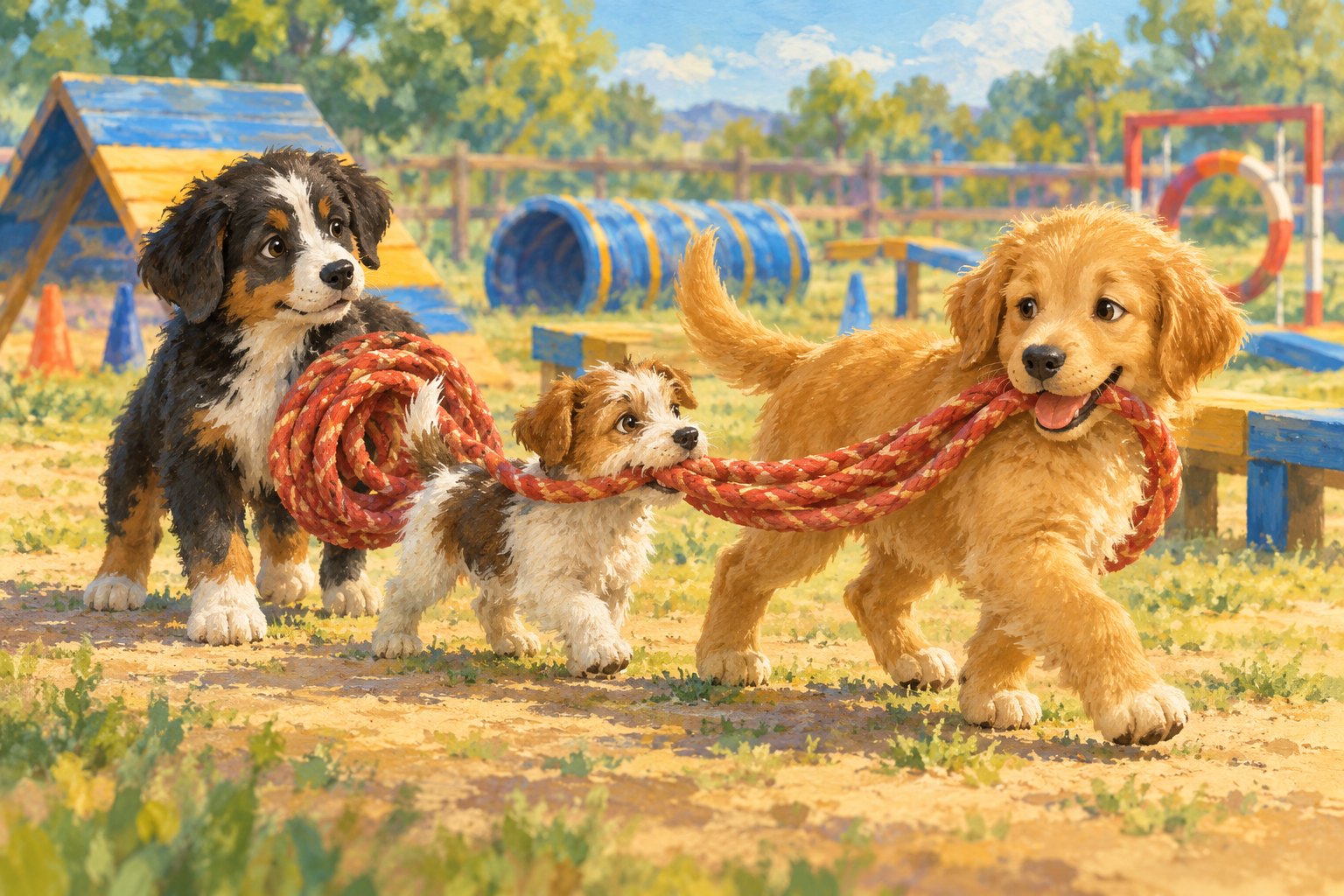
The illustration expresses that cooperative ideal; it does not depict a scene from the upcoming film. Shared effort is especially readable when each participant contributes differently. On screen, that principle can turn a straightforward rescue into a small, satisfying piece of character storytelling.
There is a related ensemble question in our analysis of the reunion behind Life 2.0: familiar faces attract interest, but relationships must sustain it. A children’s animated adventure and a science-fiction reunion have different audiences, yet both benefit when their ensemble becomes more than a collection of recognizable individuals.
Excitement works best when children can follow it
My preferred approach to a family rescue adventure would prioritize clear action. Viewers should be able to understand the goal, the obstacle, and the reason a solution succeeds. Rapid movement can be entertaining, but readable cause and effect allows children to participate mentally rather than merely watch events unfold.
That clarity does not require removing suspense. A well-staged sequence can make a delay feel significant through a character’s reaction, a change in distance, or a carefully chosen pause. The audience needs enough time to anticipate the problem and appreciate the response.
Quiet moments matter for the same reason. A brief exchange after an intense passage can show how the experience affected someone. Humor can release tension, while a moment of reassurance can restore the sense of security that makes another burst of excitement enjoyable.
None of this establishes how intense PAW Patrol 4 will be. Families should wait for reliable information about the finished movie rather than assume that brand recognition answers every suitability question.
What to look for as more details emerge
A substantive synopsis should clarify whose experience organizes the story and what makes this adventure distinct. Casting and creative credits will add context, while footage should eventually offer a better sense of pacing, visual storytelling, and the balance between comedy and peril.
For parents, an official rating and specific content guidance will be more useful than general promises of excitement. For viewers interested in film analysis, the crucial question will be whether the characters’ choices shape the action. Both perspectives can coexist: a movie can be accessible entertainment and still reward attention to how it tells its story.
There is no verified dialogue from the fourth film to assess here, so attributing memorable lines to it would be premature. An Easter-egg breakdown likewise needs actual material to examine. Those elements belong in a review once they can be discussed accurately.
The deeper opportunity: making help feel heroic
The most promising interpretation of a rescue-team story is that heroism depends on attention. Someone recognizes a need, takes it seriously, and works with others to respond. Spectacle can make that process exciting; character gives it meaning.
That is the standard I would bring to PAW Patrol 4. A fourth adventure could earn its place by making assistance feel specific and personal—by showing that listening, adapting, and trusting another team member are consequential actions. The development news opens the door to another movie. The eventual story will determine whether it gives audiences a new reason to care.
Original content by this site's editorial team. Published: October 28, 2026 at 14:57:13 PDT (Los Angeles time)