Milania Giudice, Teresa Giudice’s daughter, has written a birthday tribute to her sister Gabriella. Fox News places the gesture months after a 911 call and arrest. The immediate news is a sister’s birthday acknowledgment; the wider interest comes from seeing a family celebration alongside an earlier troubling event.
For readers encountering this story through pictures, there is another question: what does an image actually establish? A smiling portrait, a birthday-themed illustration, and a photograph connected to a past incident each invite different emotional responses. None can supply the missing history between two sisters.
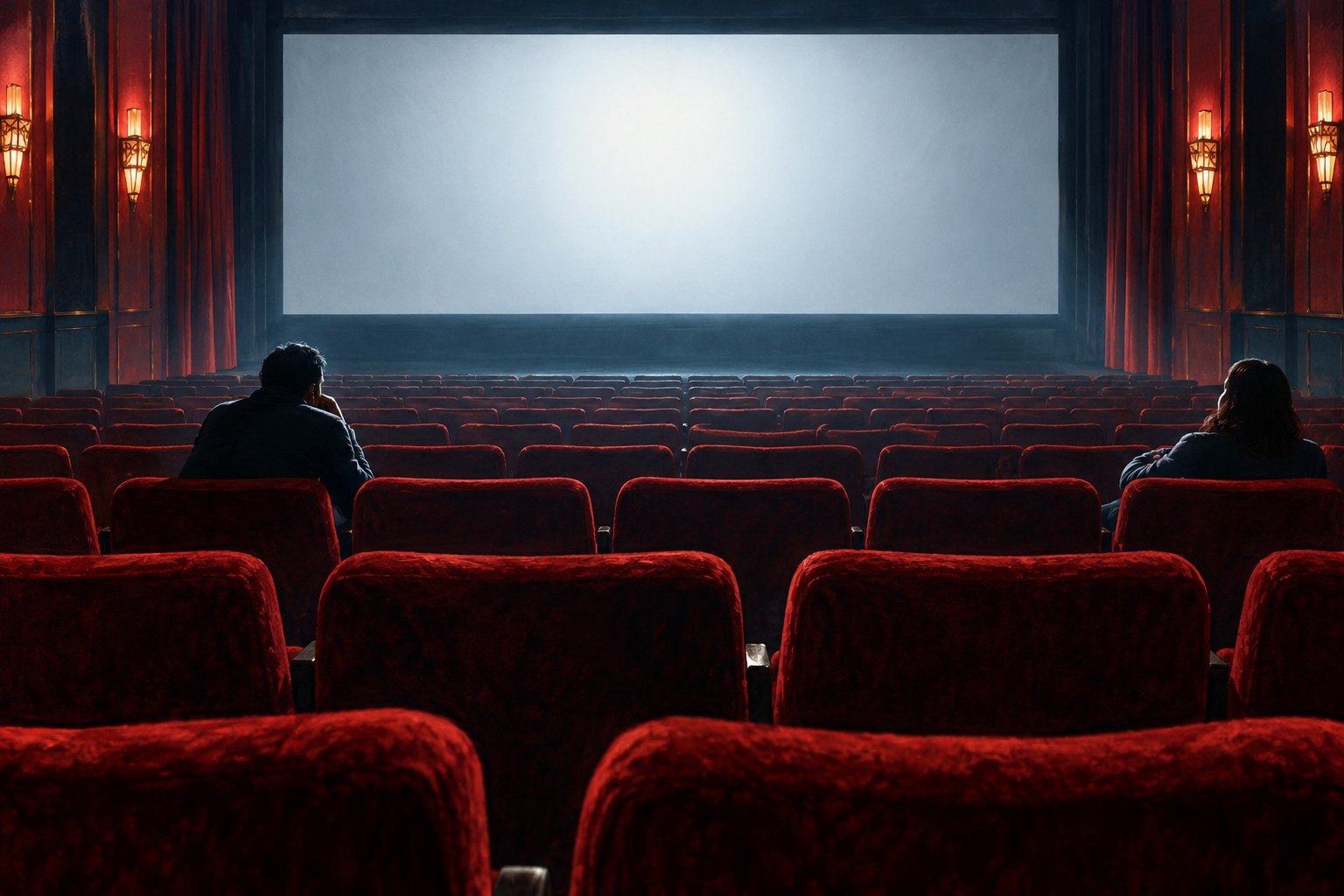
This is entertainment commentary about the visual presentation of the tribute, rather than a review of a film or television episode. The illustrations accompanying this article are conceptual and do not depict the Giudice family or an actual celebration.
A birthday tribute has a specific occasion
The occasion matters because it gives the gesture a clear purpose. Milania is acknowledging Gabriella’s birthday. That is enough to make the tribute understandable without assigning it an additional function as a family announcement, a response to controversy, or a declaration that every difficulty has passed.
A reader may reasonably find a birthday acknowledgment moving when difficult events form part of the surrounding coverage. That emotional response belongs to the reader. It does not establish what either sister intended beyond the act being reported.
Our earlier examination of what Milania’s birthday acknowledgment establishes addressed the limits of interpreting the gesture itself. Pictures introduce a separate problem: they can make an interpretation feel immediately convincing before anyone has considered its evidentiary basis.
A photograph records a moment, not an entire relationship
Consider how a family portrait functions when it accompanies a story like this. It can identify people and, with reliable context, document their presence together at a particular time. Readers may also perceive warmth, familiarity, or distance. Those impressions are interpretations of a visible instant.
A photograph cannot establish how often its subjects speak, what they have discussed privately, or how they understand an earlier disagreement. Even an unmistakably affectionate gesture records that gesture. It does not provide a complete measure of the relationship surrounding it.
This distinction becomes especially useful with older photographs. An archive image may be perfectly appropriate for identifying a person while having no direct connection to the new event. Its relevance depends on the caption. Without clear timing, a reader may mistakenly treat a familiar photograph as evidence of a recent gathering.
Applied to Milania and Gabriella’s story, the practical question is straightforward: does an accompanying image show the birthday tribute, identify the sisters, or merely suggest a mood? Those are different editorial functions, and understanding the difference changes how much weight the picture deserves.

Image pairings can imply a transformation
Film editing offers a useful comparison. Place two images next to each other and viewers look for a relationship between them. Sequence encourages interpretation: an earlier moment appears to explain a later one, even when the connection has not been demonstrated.
In celebrity coverage, pairing a celebratory image with an image associated with distress can create the impression of a complete emotional journey. The reader sees difficulty followed by happiness and may infer recovery, forgiveness, or reconciliation. The arrangement supplies a beginning and an ending; the intervening process remains unknown.
That is a powerful storytelling technique. In my view, it becomes misleading when the emotional completeness of the presentation exceeds the completeness of the reporting. A publication can accurately describe two separate events while its visual arrangement quietly suggests more than either event proves.
Milania’s tribute should therefore be assessed independently of any visual promise of resolution. Readers can recognize the birthday gesture and understand that earlier reporting exists without treating the space between those moments as a story they already know.
Captions should establish context before atmosphere
A useful caption answers concrete questions: who is pictured, when the image was made, and how it relates to the article. If the picture is illustrative, that should also be clear. These details help readers distinguish documentation from decoration.
Emotional descriptions require more care. Describing a visible smile is different from declaring that someone has moved on. Describing two people standing together is different from announcing that they have repaired their relationship. The second statement in each pair requires evidence outside the photograph.
The same discipline applies to a birthday tribute. A caption should not convert an image into a statement about forgiveness unless the people involved have actually made that statement. Nor should an unrelated serious expression be used to imply anger toward a particular family member.
These are practical distinctions for anyone sharing the story. Before reposting an image, check whether its caption explains its origin or simply tells you how to feel about it.
Illustrations should not impersonate evidence
A birthday cake can communicate the occasion without pretending to show Gabriella’s actual celebration. An album can suggest the relationship between memory and public presentation without claiming to reproduce the sisters’ private photographs. Clearly identified conceptual imagery gives readers an atmosphere while preserving that boundary.
By contrast, a realistic invented scene of recognizable people embracing would carry a factual implication: that the embrace happened. An invented emergency scene would introduce an even more consequential suggestion. Visual specificity can create apparent evidence where none exists.
That is why the pictures here remain symbolic. Their objects illustrate celebration and the viewing of personal memories. They make no claim about the location of the tribute, the appearance of a gathering, or the sisters’ behavior.
Let the tribute retain its own scale
Our commentary on whose perspective leads the birthday story considers how attention can shift away from the person being celebrated. Visual choices can cause that shift instantly: the largest photograph often establishes the emotional subject before the opening paragraph does.
The strongest presentation would keep Gabriella’s birthday and Milania’s acknowledgment legible as the current event. Earlier reporting can provide context, but it should not turn every celebratory image into a clue or every expression into a verdict.
My reading is that this tribute gains meaning when we allow it to remain a limited, human gesture. A birthday acknowledgment can matter without resolving a family history. Looking carefully means noticing what an image offers, checking what its caption establishes, and leaving room for everything that remains outside the frame.
Original content by this site's editorial team. Published: October 4, 2026 at 22:58:57 PDT (Los Angeles time)