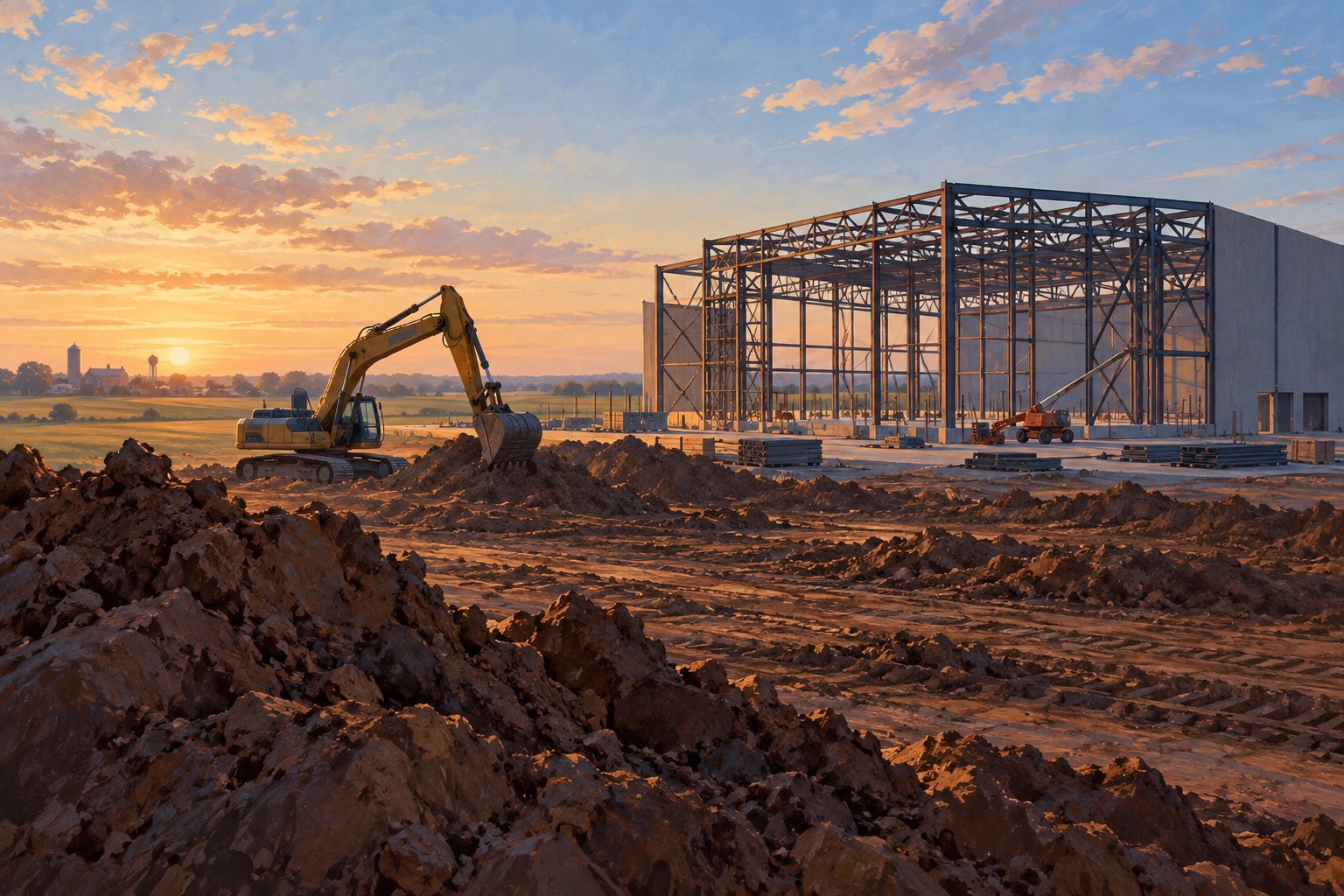
Developers are preparing to break ground on a new film studio in Metro East, according to FOX 2. For movie fans, the significance extends beyond a construction milestone: a new production space could influence where films get made and what resources filmmakers can bring to their stories. The immediate news, however, concerns a planned groundbreaking. It does not establish that the facility is operating or that a particular movie will shoot there.
Our view is cautiously optimistic. A studio can become valuable creative infrastructure, but its importance ultimately depends on the work it supports. The strongest case for this project will emerge through usable facilities, sustained production activity, and opportunities for the people who make scenes believable.
What the groundbreaking announcement establishes
The reported development is straightforward: developers intend to begin a new Metro East film studio project with a groundbreaking. That is a meaningful step to watch, while completion, opening, and production bookings remain separate milestones.
A film studio announcement also needs careful reading because the word studio can describe different things. A production facility provides working space; a company that finances or distributes films performs another function. News about a new building should not automatically be understood as news about a slate of movies headed to theaters.
For readers following this project, the next useful information will concern what becomes available, when filmmakers can use it, and which productions commit to working there. Those developments would help translate the construction story into a filmmaking story. Until then, claims about future hits, celebrity arrivals, or a transformed regional industry would get ahead of the evidence.
Why the space behind the camera matters
Viewers rarely judge a movie by the building where it was filmed. They notice whether a conversation feels tense, whether a room seems inhabited, and whether the camera makes the relationships between characters clear. Production space matters when it helps a filmmaking team achieve those effects.
Consider a hypothetical scene in which two siblings argue across a kitchen table. One wants to leave; the other keeps finding reasons to prolong the conversation. The scene needs more than good dialogue. The doorway, the distance between the chairs, and the space available for movement can all express the struggle before either performer raises their voice.
A purpose-built set can give filmmakers room to position equipment and adjust the environment around that action. Controlled lighting can help preserve the impression of a single evening across multiple takes. Suitable sound conditions can help capture a quiet delivery. These are general possibilities of studio filmmaking, rather than verified specifications for the Metro East project.
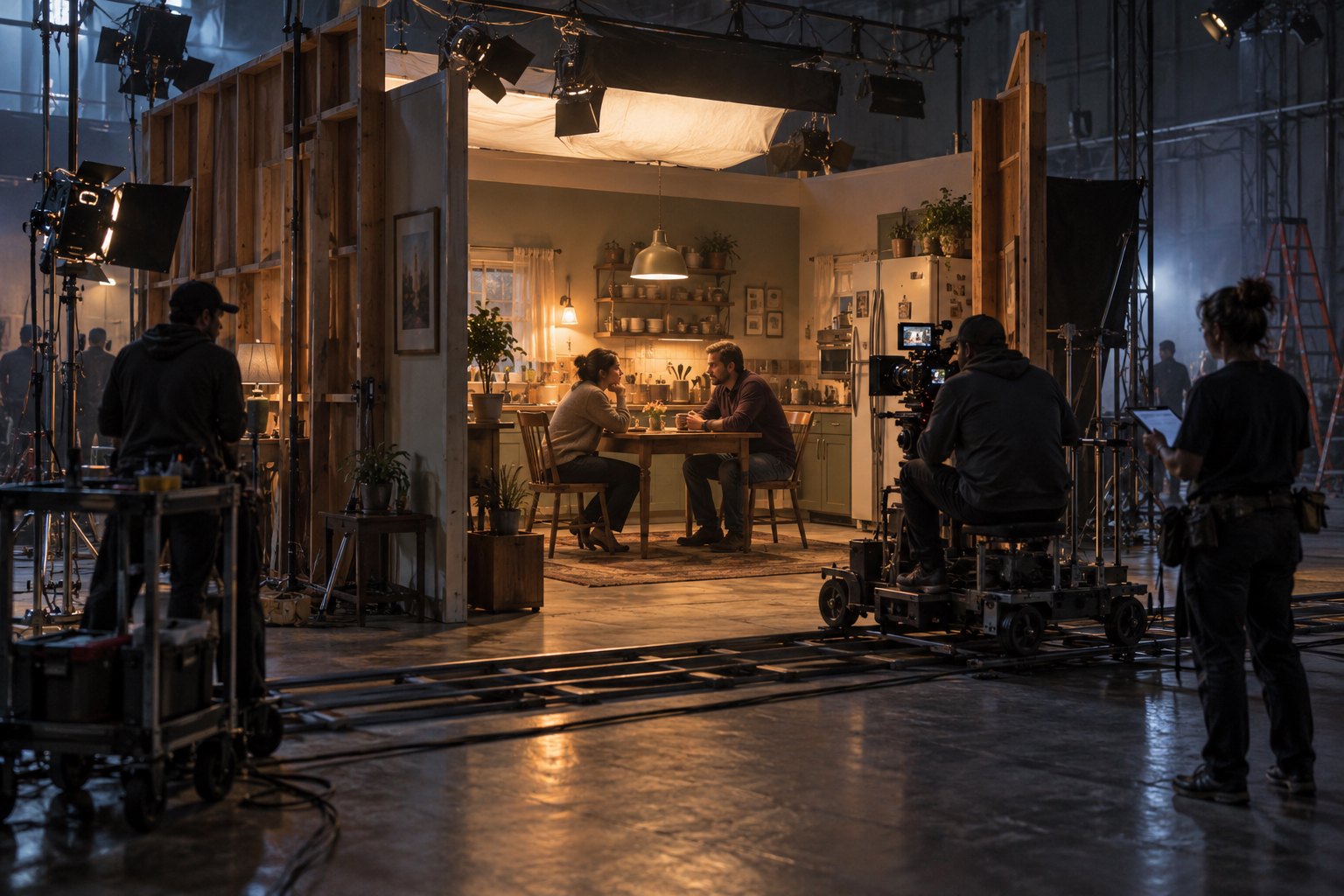
The creative benefit is flexibility. A director might hold both siblings in the same frame, letting their physical separation carry the argument. Another approach might isolate them in close-ups. A useful working environment gives the team options, although judgment still determines which option serves the characters.
A studio must work with the places around it
A production facility can also be considered in relation to nearby locations. Exterior streets, buildings, and landscapes may provide textures that filmmakers want to preserve, while constructed interiors can offer different practical advantages. The question is how convincingly the finished film connects those spaces.
Our commentary on the Miami Vice reboot’s challenge of making a borrowed location feel convincing examines that relationship between geography and storytelling. An audience does not need every interior and exterior to share a real address. It needs the screen world to feel coherent.
For the Metro East project, an interesting future measure would be whether productions find useful combinations of studio space and surrounding locations. That possibility should remain a question until actual projects demonstrate it. A new facility alone cannot tell us how a director will photograph the region, or whether the region will appear as itself.
The people inside the facility will determine its value
Buildings offer capacity. Working relationships turn that capacity into finished scenes. Camera, lighting, sound, construction, costumes, makeup, and other departments must solve connected problems, often under tight scheduling constraints.
A convincing character’s home, for example, depends on choices that viewers may barely register consciously. Wear on furniture, the placement of everyday objects, and the way a costume sits against the room’s colors can suggest habits and circumstances. Those details become meaningful when departments share a clear understanding of the story.
This is why future coverage of the Metro East studio should look beyond famous visitors. Recurring work, meaningful training, and opportunities for experienced local crew would offer stronger evidence of an enduring production community. These are standards by which to assess progress, not benefits that the groundbreaking announcement has already delivered.
Access also deserves attention. It would be useful to know whether smaller productions can realistically work there alongside larger projects. That depends on future operating arrangements, availability, and costs; the existence of a facility does not settle the question.
What to watch after the ceremonial milestone
Readers can assess subsequent developments by looking for several distinct kinds of evidence:
- Construction progress: Concrete updates about completed work help establish how the project is advancing.
- Operational readiness: Information about usable spaces and opening arrangements shows when filmmaking can begin.
- Confirmed productions: Named projects with clear commitments provide firmer evidence than general expressions of interest.
- Continuity of work: Repeat bookings would reveal more about long-term usefulness than a single high-profile visit.
- Local participation: Specific hiring and training opportunities would help explain who benefits from activity at the facility.
These measures answer different questions. A completed building demonstrates construction delivery. A returning production suggests that the space met practical needs. Neither, by itself, guarantees a compelling movie.
The eventual test is what reaches the screen
From a film criticism perspective, the most promising outcome would be a facility that expands filmmakers’ choices. More room to stage movement, preserve a set, or solve a difficult shot can matter when those resources support a clear dramatic purpose.
That principle also informs our analysis of why a Battlefield adaptation needs meaningful character choices within its spectacle. Production scale becomes interesting when it changes how we experience the people in the story. An impressive environment has limited emotional value if nothing consequential happens within it.
The Metro East announcement therefore invites measured interest. Its deeper promise lies in the possibility of making creative work more achievable: giving a crew a place to build, performers a believable environment to inhabit, and filmmakers practical room to pursue an idea. Whether that promise becomes reality will be visible in the work that follows the groundbreaking—and, eventually, in the scenes audiences remember.
Original content by this site's editorial team. Published: October 6, 2026 at 05:59:04 PDT (Los Angeles time)