The live-action Naruto movie has received an encouraging production update ahead of a reported 2027 shoot, according to IGN. For audiences waiting to see this story translated into live action, that offers a reason to pay attention. It does not establish a theatrical release date, guarantee that filming will begin on schedule, or tell us whether the adaptation will work.
The creative question is more interesting than the calendar: can the movie make viewers care about Naruto before asking them to marvel at his world? My strongest hope for this adaptation is a film that gives ambition an emotional cost and makes friendship something its characters earn through difficult choices.
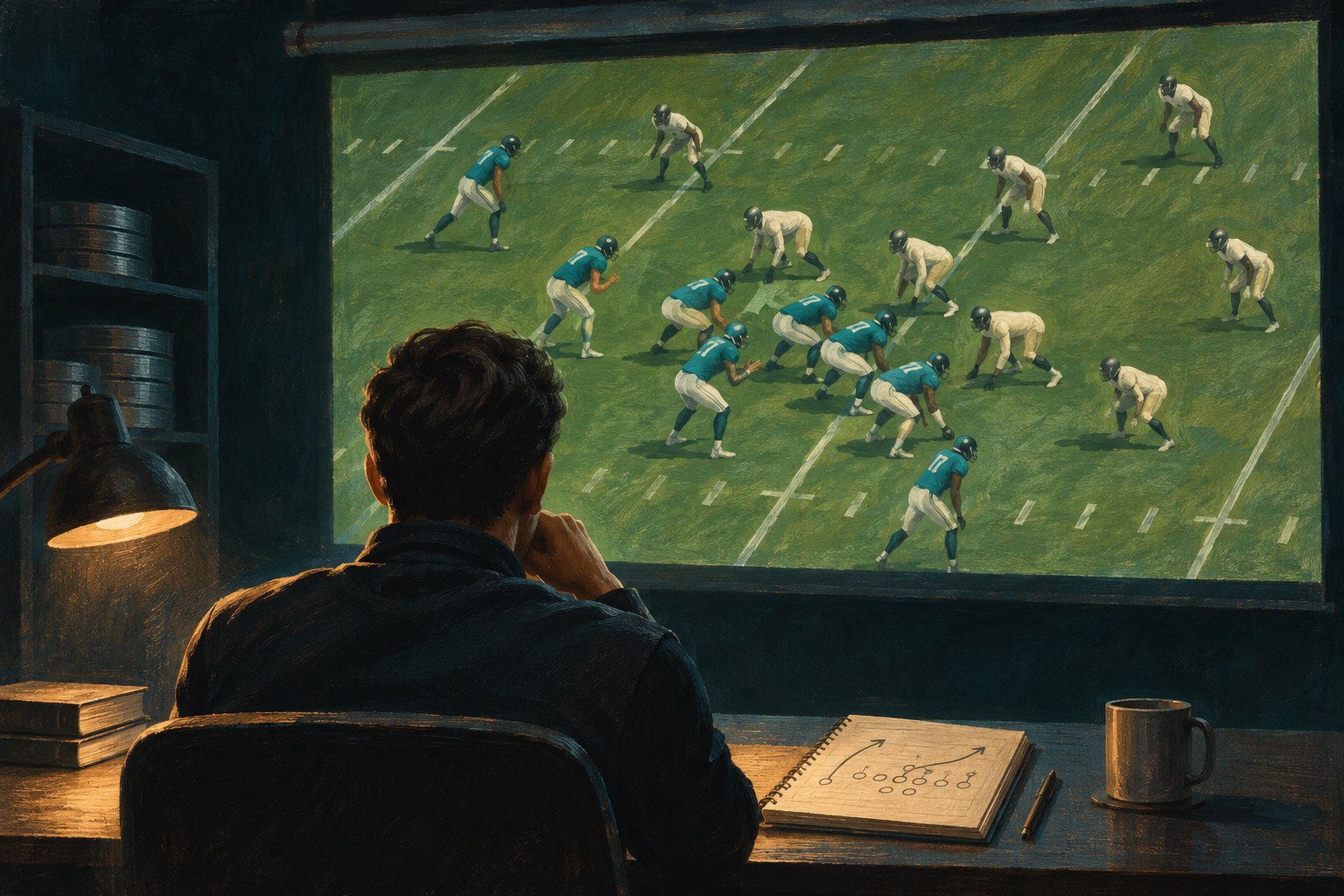
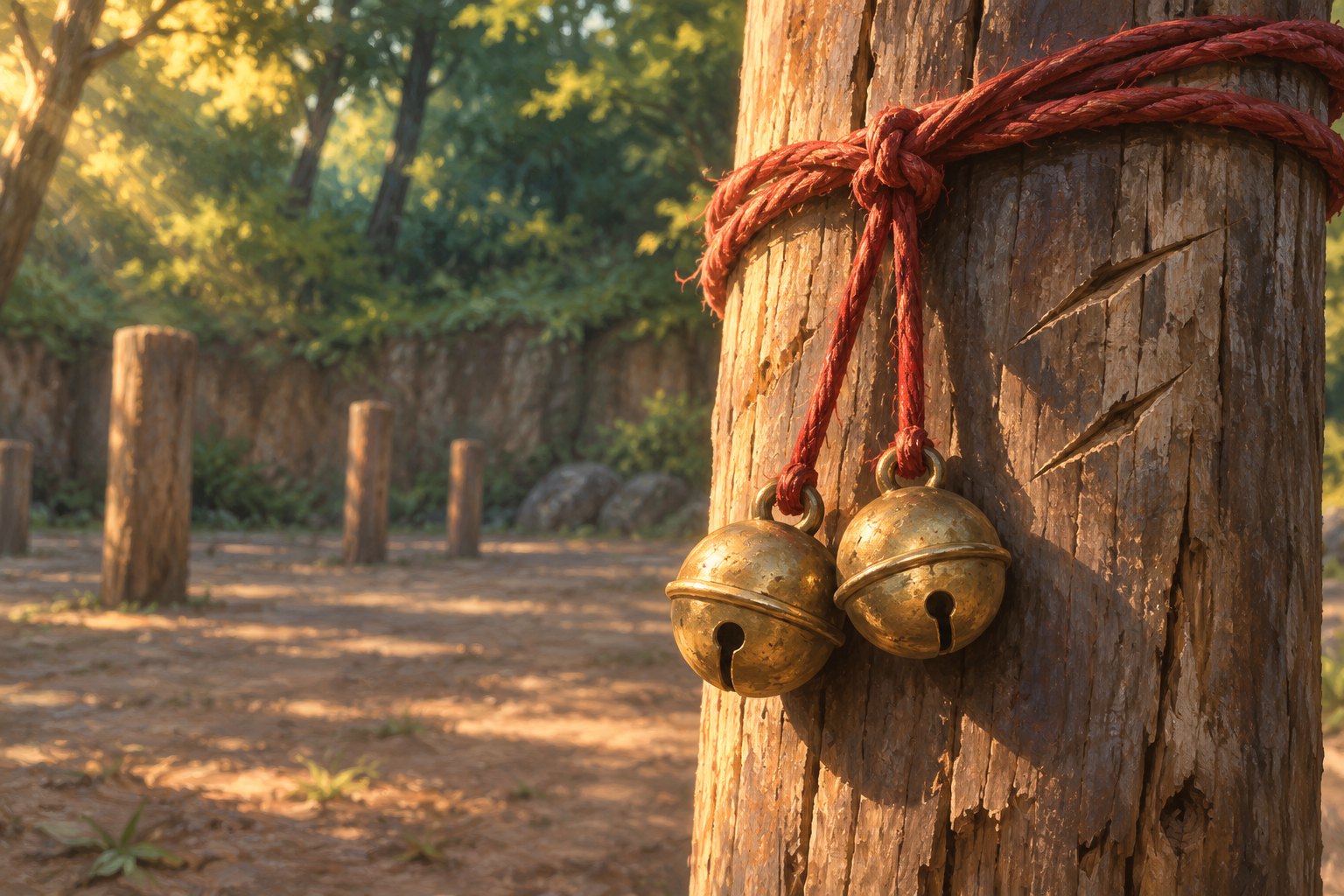
This is a critical preview, not a review of a completed movie. The discussion below describes editorial expectations, not confirmed screenplay details. The illustrations are interpretive artwork, not production stills.
What the reported 2027 shoot actually means
A filming target concerns production. A release date concerns when audiences can see the finished work. Those milestones are separated by editing, sound, visual effects, and other decisions whose timing cannot be calculated from a year in a headline.
The useful takeaway is therefore limited but meaningful: IGN describes a promising update in connection with a 2027 shoot. Readers should resist turning that into a claim that Naruto will arrive in theaters in 2027. Nor does the update alone establish a cast, a running time, which material the screenplay will adapt, or how much of the larger story it will cover.
That distinction matters particularly for an adaptation with an invested audience. Expectations can harden around imagined scenes long before footage exists. Our discussion of what an anime film announcement can establish explores a related problem: anticipation becomes more useful when it stays attached to evidence.
Naruto needs an emotional point of view
For my money, the strongest approach would organize the movie around the distance between wanting attention and wanting acceptance. Those desires can look similar from the outside. On screen, they should produce different reactions: a person can enjoy being watched and still feel that nobody understands him.
That gives a filmmaker something more precise to dramatize than generalized determination. A boast can function as a joke in one scene and an act of self-protection in another. An impulsive decision can win applause while damaging trust. The performance becomes interesting when confidence has a visible underside.
This is an adaptation principle, not a prediction about individual scenes. Whatever events the screenplay selects, I would look for moments that let the audience understand what Naruto thinks he is achieving and what the people around him actually experience. The gap between those perspectives can carry both comedy and hurt.
A movie that explains every feeling aloud would lose much of that possibility. Reaction shots, interrupted conversations, and the pause after an unsuccessful joke can establish emotional stakes without stopping the story for a biography. Live action has an opportunity to make small shifts in attention feel consequential.
Make the supporting characters more than witnesses
A character-centered Naruto adaptation also needs people whose lives do not revolve entirely around validating its lead. If every supporting figure exists to underestimate him, praise him, or explain his abilities, the movie risks making its relationships feel predetermined.
The more rewarding approach would give each major character an immediate objective. Who wants approval? Who wants control? Who would rather avoid an emotional obligation? Those competing motives can make the same encounter mean something different to everyone involved.
From Naruto’s perspective, a teammate’s hesitation might feel like rejection. From that teammate’s perspective, it could be a reasonable response to an unreliable plan. Allowing both readings would give a disagreement weight without requiring the film to appoint an obvious villain in every conversation.
This is also why ensemble storytelling depends on decisions rather than screen time alone. As our character-focused preview of The Take considers, a useful question is who gets to change the direction of a scene. Supporting characters become memorable when their choices alter what the protagonist can do next.
Action should reveal how trust develops
The most revealing action would make relationships visible through movement. A character who insists on doing everything alone should approach danger differently from someone willing to depend on another person. A team’s improvement should be legible before anyone announces it.
Spatial clarity matters here. Viewers need to understand where people are, what they can see, and which options remain available. When an action sequence establishes those conditions, an act of cooperation becomes a decision the audience can recognize. Without that clarity, even elaborate choreography can reduce teamwork to several people moving at once.
My preference would be for spectacle with a dramatic consequence. A successful maneuver might expose an unexpected strength, require someone to surrender control, or leave a relationship unsettled despite a physical victory. The important question after a fight should include what changed between the characters.
That does not require restrained action throughout. Exuberance can be part of the pleasure. It requires a connection between scale and feeling, so that a larger set piece develops something a smaller encounter already taught us to notice.
Faithfulness requires more than recognizable images
A familiar silhouette or location can create an immediate thrill. Sustaining a feature film requires rhythm: enough room for an encounter to develop, enough tension for a decision to matter, and enough quiet for its consequences to register.
Compression is therefore a central creative test. An adaptation may need to combine or omit material, but efficiency becomes damaging when it removes the experiences that make a relationship convincing. Two characters should not feel close merely because the screenplay has reached the point where closeness is required.
Dialogue presents a similar challenge. A memorable declaration works because of who says it, whom they address, and what speaking it costs. Dropping a recognizable line into a new context can preserve the words while losing their force. No dialogue from the forthcoming movie is evaluated or quoted here; that judgment belongs with verifiable footage or the finished film.
The deeper test: what does recognition mean?
The interpretation I would most like the movie to explore is that recognition carries responsibility. Being noticed is an immediate reward. Being trusted requires consistency, restraint, and concern for someone else’s needs—even when those needs interrupt your own ambitions.
That distinction could give a live-action Naruto film a satisfying emotional shape without demanding that it resolve an entire larger narrative. A meaningful ending could leave future adventures open while still demonstrating a changed understanding of what it means to matter to other people.
For now, the reported 2027 shoot is a reason for measured interest. The stronger reason to care will come when the movie shows how its characters listen, misjudge one another, and choose to act. A convincing Naruto adaptation should make the audience feel the value of belonging as vividly as the excitement of extraordinary power.
Original content by this site's editorial team. Published: November 4, 2026 at 00:06:31 PST (Los Angeles time)