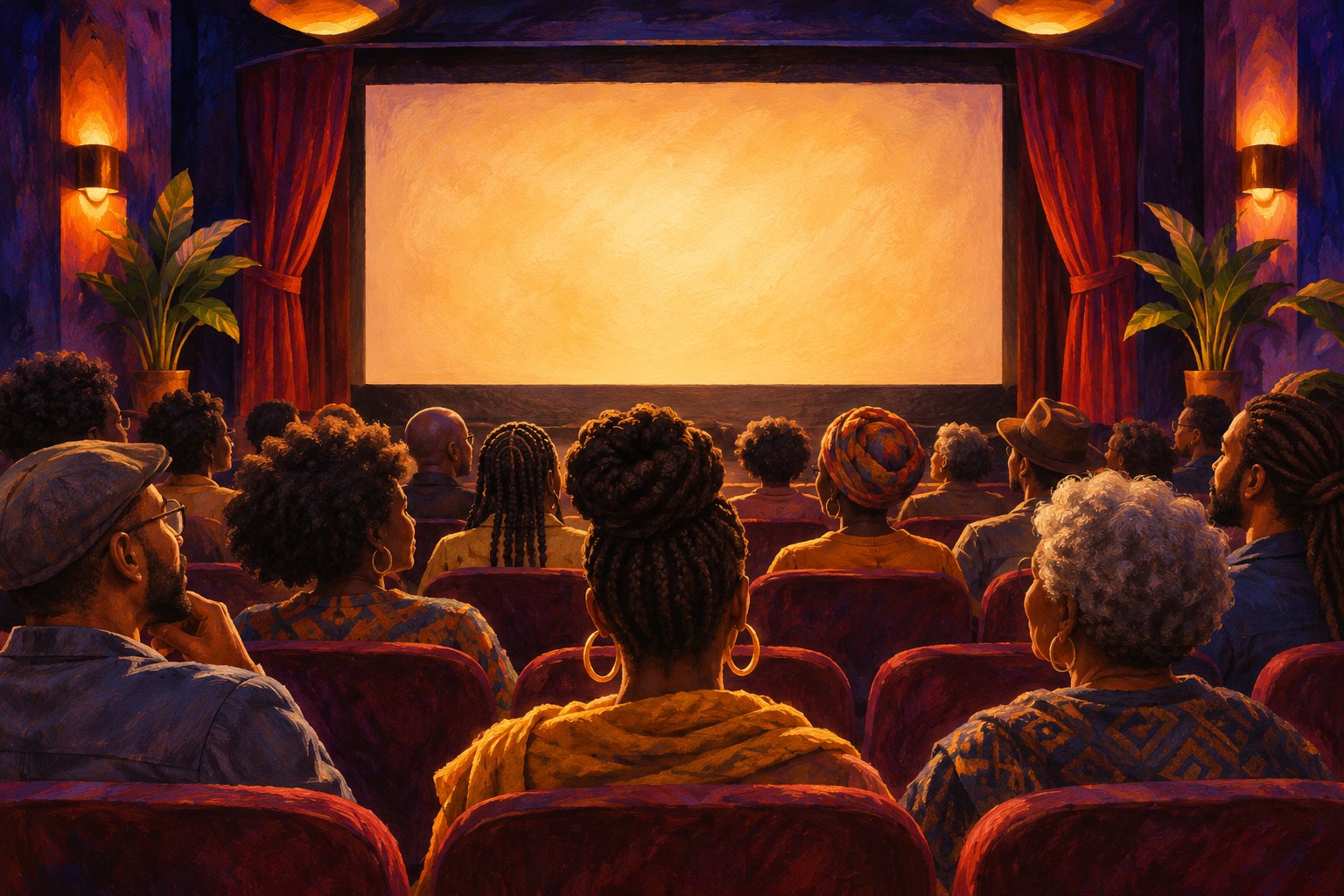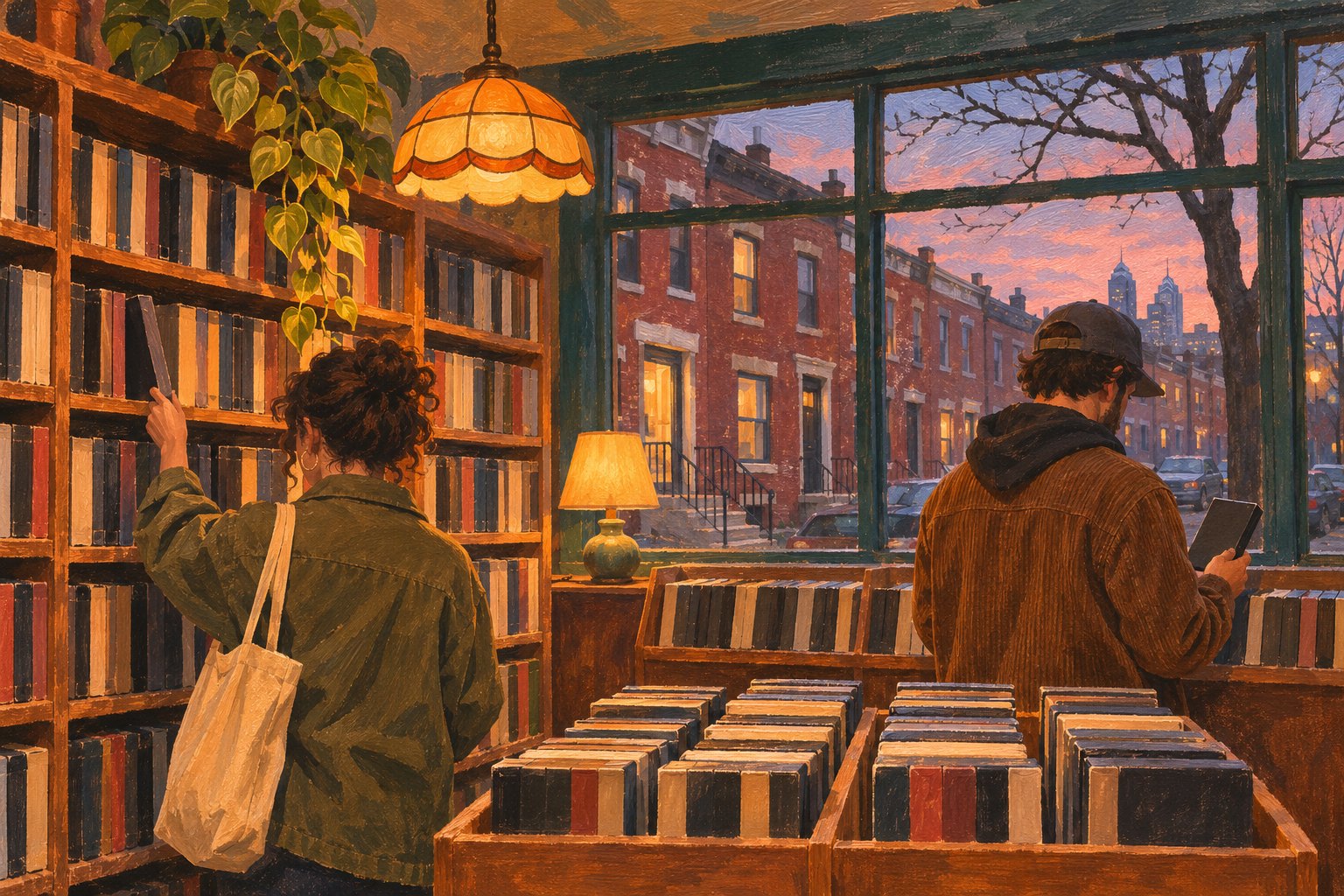
Little Movie Store is bringing analog nostalgia into the South Philadelphia movie conversation. The appeal is easy to recognize: choosing a movie can be an occasion of its own, with something to hold, consider, and discuss before the opening scene begins. For viewers who miss that experience, the store’s emergence offers a reason to think about what the old movie-store ritual actually gave us.
The local news premise is straightforward: 6abc Philadelphia has highlighted Little Movie Store in connection with the return of analog nostalgia to South Philadelphia. The larger question is a matter of criticism: can affection for an earlier way of watching movies help us become more curious viewers now?
My view is that it can, provided nostalgia leads somewhere beyond recognition. A familiar movie case might bring back a Friday night from childhood. Its greater value is the invitation to watch again and discover how much your understanding has changed.
Why the act of choosing matters
A movie night begins before anyone presses play. We arrive with expectations shaped by artwork, a remembered performance, a friend’s enthusiasm, or the promise of a particular mood. Those expectations influence which details we notice and how much patience we give a film.
Physical browsing makes that preparation tangible. Picking something up creates a small pause. You can turn it over, reconsider it, or show it to the person beside you. None of those actions guarantees a better choice, but each creates an opportunity to explain what you want from the evening.
That explanation can be surprisingly revealing. Someone asking for a comedy may want reassurance; someone choosing horror may want a shared jolt of fear. Two people can agree on a genre while hoping for entirely different experiences. Talking through the choice gives those differences room to surface.
This is the most interesting cultural possibility behind Little Movie Store’s nostalgia appeal. The ritual gives movie selection a social dimension. A film becomes something people negotiate and anticipate together, with the conversation starting well before the credits.
Nostalgia is an invitation, not a verdict
Affection can also make us careless critics. A movie associated with a happy period of life may feel better than its storytelling warrants. A worn case can carry emotional weight that belongs to the viewer’s history rather than the film itself.
There is nothing embarrassing about that attachment. Personal history is part of how art works on us. The useful distinction is between loving the memory of watching something and responding to what it does onscreen today.
A return visit can expose that difference. The protagonist who once seemed admirably rebellious may now appear thoughtless. A parent who felt like an obstacle may become the most understandable person in the story. A scene remembered as triumphant may contain hesitation you previously overlooked.
Our character-focused reading of The Graduate’s uncertain escape explores the kind of ambiguity that makes revisiting a familiar film worthwhile. Recognition gets us through the door; attention gives us a reason to stay.
Turn a familiar movie into a fresh character study
For readers drawn to Little Movie Store because they miss choosing physical movies, the most rewarding next step is simple: give the selection a viewing question. You do not need to turn your evening into homework. One clear question can sharpen your attention without interrupting the pleasure.

Watch the person outside the center of the story
On a repeat viewing, follow a supporting character whenever the film allows it. Notice what that person knows, what they misunderstand, and what the protagonist asks them to tolerate. A story that feels inevitable from its hero’s perspective may look much less reasonable from the edge of the frame.
Keep the interpretation grounded in evidence. A glance, a refusal, or an interrupted sentence can support a reading. An imagined backstory cannot substitute for something the film actually establishes.
Listen for the gap between words and behavior
Memorable dialogue becomes richer when we remember its circumstances. Instead of treating a famous line as a standalone statement, consider who hears it and what the speaker wants to achieve. A declaration may function as reassurance, manipulation, self-defense, or a desperate attempt to believe something.
If you discuss the line afterward, replay it before quoting it. Then look at what happens around it: the pause before the response, the other actor’s expression, the action that follows. The meaning often lives in that surrounding behavior.
Revisit your first impression after the ending
Ask whether the final scene changes your understanding of the opening. Did the character achieve the stated goal? Did getting it solve the underlying problem? Does the film present a changed person, or someone repeating an old pattern with greater confidence?
These questions keep nostalgia active. You can retain your affection for a movie while allowing its characters to become more complicated.
A good recommendation gives you something specific to notice
The neighborhood movie-store ideal depends partly on the quality of the exchange. Enthusiasm helps, but a useful recommendation goes beyond declaring something essential. It connects a film to another person’s interests without making unfamiliarity feel like a failure.
For a viewer who likes tense character drama, a recommendation might explain that a film builds pressure through conflicting loyalties. For someone interested in comedy, it might point toward awkward timing or a performer’s physical restraint. These descriptions provide an entry point while leaving discoveries intact.
The same principle informs our guide to finding unfamiliar movies through film festival programs: begin with curiosity specific enough to guide a choice, then leave room for surprise.
Applied to Little Movie Store’s cultural promise, the standard should be welcoming rather than competitive. A newcomer’s affection for a popular movie is a perfectly good beginning to a conversation. Nobody needs an obscure favorite to earn a place in movie culture.
Keep the ritual; judge the experience honestly
There is a practical limit to romanticizing older media. The pleasure of handling a movie does not automatically establish the quality of the viewing experience. Before committing to an unfamiliar physical edition, check whether you can play it and whether its presentation suits your needs. Packaging should help you make a choice, not distract you from what you will actually watch.
Likewise, a neighborhood store’s cultural value cannot be measured by atmosphere alone. The meaningful questions concern whether people feel welcome asking questions, encounter films they might otherwise miss, and return with something to say about what they watched. Those are standards to bring to the idea, rather than claims about experiences every customer will have.
The deeper appeal is making room for attention
Little Movie Store’s South Philadelphia story resonates because analog nostalgia carries a wish for a more deliberate relationship with movies. That wish deserves to be taken seriously without assuming the past was perfect.
The strongest version of the revival would connect the pleasures of browsing with the pleasures of interpretation. Choose something because its case catches your eye. Watch it because someone makes a thoughtful recommendation. Return to it because a character’s decision still bothers you.
A movie store can give that process a place to begin. What makes it matter is the attention viewers bring home: enough to notice a performance changing beneath familiar dialogue, reconsider an old favorite, or give an unfamiliar film a fair chance.
Original content by this site's editorial team. Published: November 2, 2026 at 15:28:18 PST (Los Angeles time)