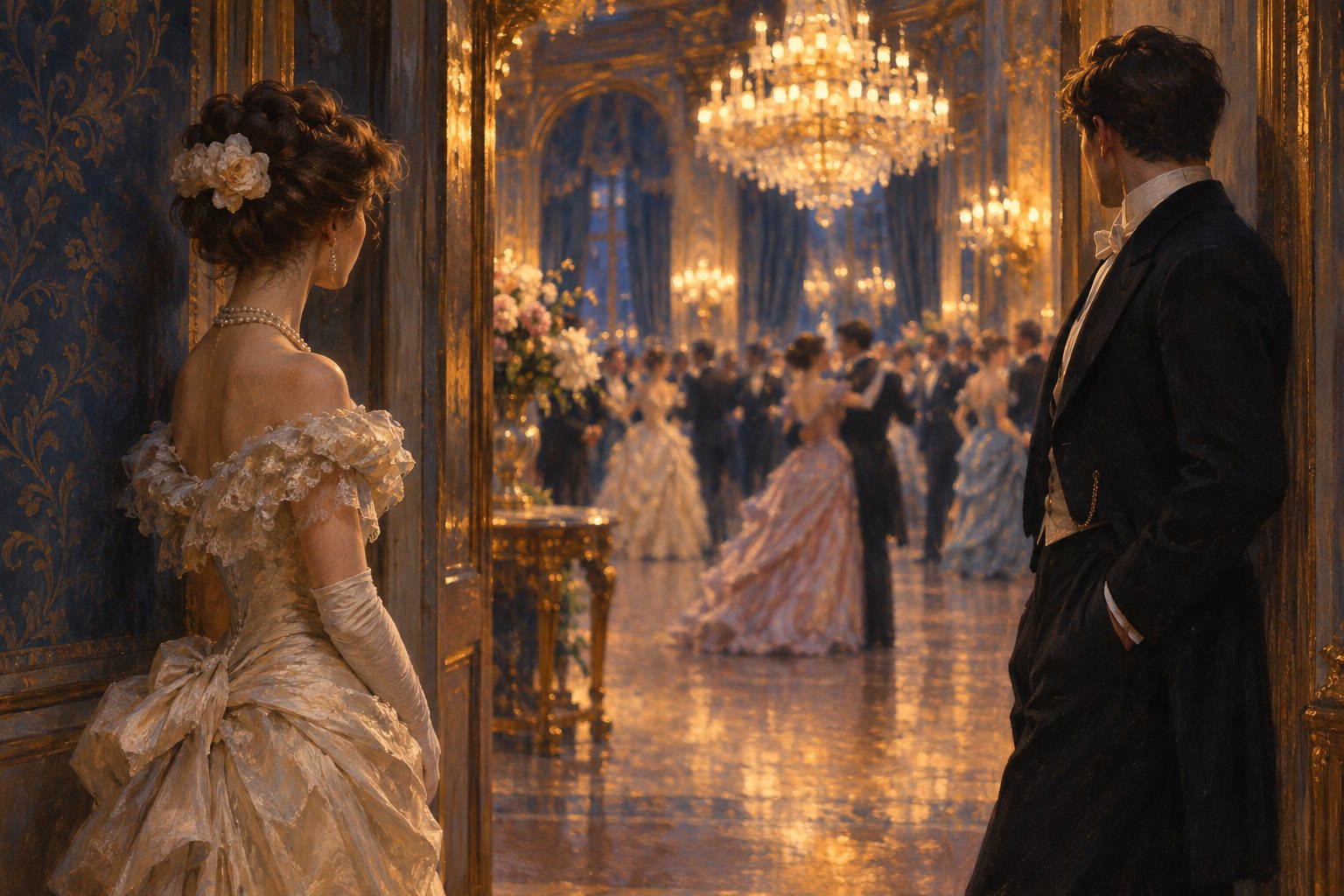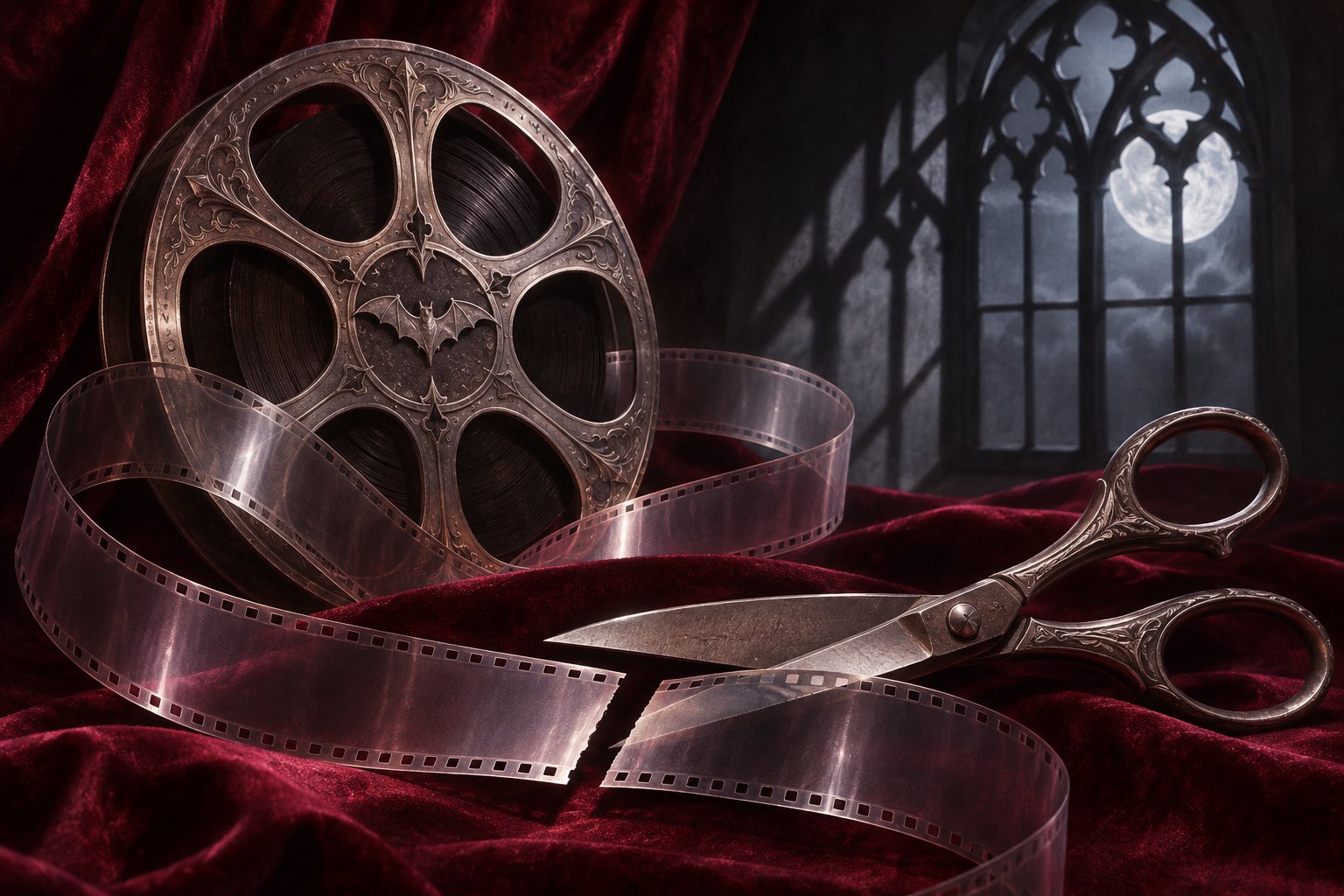
A vampire film starring Isabelle Huppert was cut against its director’s wishes, according to Variety. That report raises an immediate question for audiences: how much can a film’s identity change when its director objects to the editing? The answer reaches beyond missing footage. An edit determines how long we inhabit a character’s uncertainty, whose reaction we notice, and whether an encounter feels threatening, ridiculous, or strangely intimate.
The distinction matters before any verdict on the film itself. A reported disagreement establishes a concern about creative control; it does not, by itself, demonstrate which scenes changed or whether another version plays better. This is spoiler-free critical commentary on the editing dispute, rather than a review claiming firsthand knowledge of competing cuts.
What the Report Establishes—and What It Leaves Open
The central reported fact is that the director’s wishes and the film’s editing diverged. That warrants attention because viewers usually encounter a finished movie without knowing which decisions its filmmaker endorsed. We readily attribute an awkward transition, a prolonged silence, or an abrupt ending to directorial intention. An editing dispute makes that assumption less secure.
It would nevertheless be premature to identify a villain behind the scenes, assign a commercial motive, or describe particular losses without evidence. An unwanted edit is not automatically censorship. Nor does the existence of a disagreement tell us whether the contested material involved dialogue, transitions, atmosphere, or entire sequences. Those differences would be essential to evaluating the artistic consequences.
For readers looking for a simple answer to whether the film was damaged, the responsible answer remains open. The director’s objection is relevant evidence about authorship. A judgment about the resulting work requires examining the work.
Why Editing Is Part of Huppert’s Performance
Putting Huppert’s name at the center of the story naturally directs attention toward acting. Yet a screen performance is more than what an actor does before the camera. It also depends on the selected take, the duration of a shot, the surrounding sound, and the moment the film moves to another face.
Consider a hypothetical exchange in a vampire story: someone makes an unsettling remark, and the camera stays with the listener. A sustained look might suggest fascination, resistance, or the effort to hide fear. Cutting away earlier could make the same exchange register primarily as a threat. Neither possibility requires changing the spoken words.
This is a general illustration, not a description of footage removed from Huppert’s film. It explains why an editing dispute can matter even when an actor’s major scenes remain. Performance lives in relationships between images. A character may seem colder because we lose the moment of hesitation, or more sympathetic because the consequences of an action receive less attention.
My view is that discussions of shortened films too often reduce acting to preserved dialogue. The pause after a sentence may carry the contradiction that makes a character interesting. Keeping the sentence while changing that pause can preserve information and alter meaning.
A Vampire Story Depends on Who Gets Our Attention
Vampire cinema makes this especially interesting because its central relationships frequently involve unequal power. Attraction and danger can occupy the same encounter. The viewer’s position depends partly on whether the film invites us to share the vampire’s appetite, observe it from a distance, or experience its effect on another person.
Those are possibilities within the genre, not verified claims about this film’s plot. They offer a useful framework for understanding what could be at stake. A character-centered assessment should ask who gets time to register an experience and who exists mainly as the object of someone else’s attention.
A reaction shot can give a supporting character an interior life. A transition can establish that an apparent surrender follows calculation. Removing either might leave the sequence perfectly understandable while making its relationships less complex. Narrative clarity and emotional clarity are related, but they are not identical.
That concern connects with our discussion of how cinematic perspective gives women meaningful lives on screen. Being visible is only the beginning. A film’s distribution of attention helps determine whose experience counts.
Faster Does Not Necessarily Mean More Involving
There is a reasonable case for compression in filmmaking. Repeated information can weaken suspense, and a scene can continue after its dramatic purpose has been fulfilled. A shorter cut may sharpen an intention rather than betray it. The director’s preferred version still deserves the same scrutiny as any other.
But rhythm cannot be measured by the number of events per minute. Waiting can create pressure. Repetition can turn an initially amusing gesture into something oppressive. A lingering image can make viewers reconsider an attraction they accepted too easily. Removing these intervals may accelerate the story while reducing its force.
The useful question is therefore specific: what does a passage accomplish over time? If it merely repeats an established point, trimming may help. If it changes our relationship to a character, its apparent inactivity may be its purpose. Without comparing the relevant material, neither defense should become a verdict on Huppert’s film.
How to Judge a Film With a Disputed Edit
Viewers do not need to solve a production disagreement before engaging with a movie. They can, however, make their judgments more precise:
- Identify the version when possible. A screening’s runtime and edition can help establish what was actually seen, although runtime alone cannot explain the differences.
- Describe the effect before assigning its cause. An abrupt emotional shift is something a viewer can observe. Blaming a disputed cut requires additional evidence.
- Separate preference from authorization. Enjoying an edit does not establish that its director approved it; disliking it does not prove interference caused every weakness.
- Look for meaningful comparisons. The strongest discussion explains how an altered sequence changes character, tone, or structure rather than merely counting restored minutes.
The broader question of who can shape a finished film also echoes our coverage of creative freedom and access to filmmaking. Decisions about authorship affect the work audiences eventually encounter, even when the negotiations remain outside the frame.
The Deeper Issue Is Who Controls the Viewer’s Experience
The most compelling implication of this dispute is that editing governs our access to people on screen. It decides when we understand them, when we mistrust them, and how long we must sit with an unresolved feeling. In a vampire film, where fascination may coexist with revulsion, those decisions can shape the story’s moral texture.
That is why the reported objection deserves serious consideration without turning an unseen alternative into an imagined masterpiece. The worthwhile critical task is to connect creative control to observable consequences. What changed in a character’s presence? Which relationship became simpler? Did the rhythm gain urgency or lose tension?
Huppert’s vampire film should ultimately be judged through those concrete questions. Respect for a filmmaker’s intentions and independent judgment can coexist. Both depend on treating cinematic time as expressive material—and on resisting the temptation to invent what the missing moments must have contained.
Original content by this site's editorial team. Published: November 2, 2026 at 00:42:59 PST (Los Angeles time)