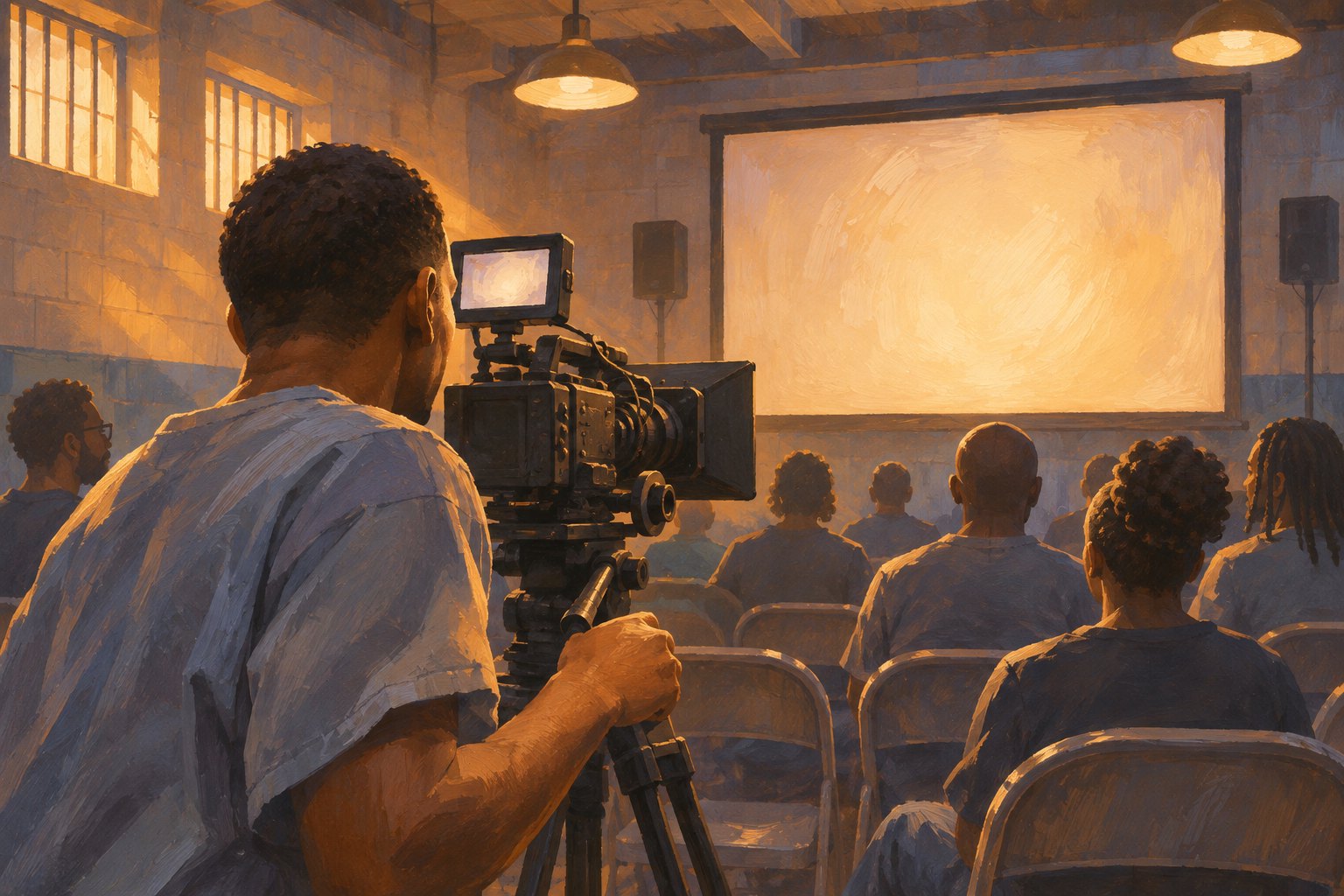
Incarcerated filmmakers are sharing stories at SQ Film Festival, according to the California Department of Corrections and Rehabilitation. That central fact deserves attention from anyone interested in film: people frequently described by institutions and outside observers are participating in the work of storytelling themselves.
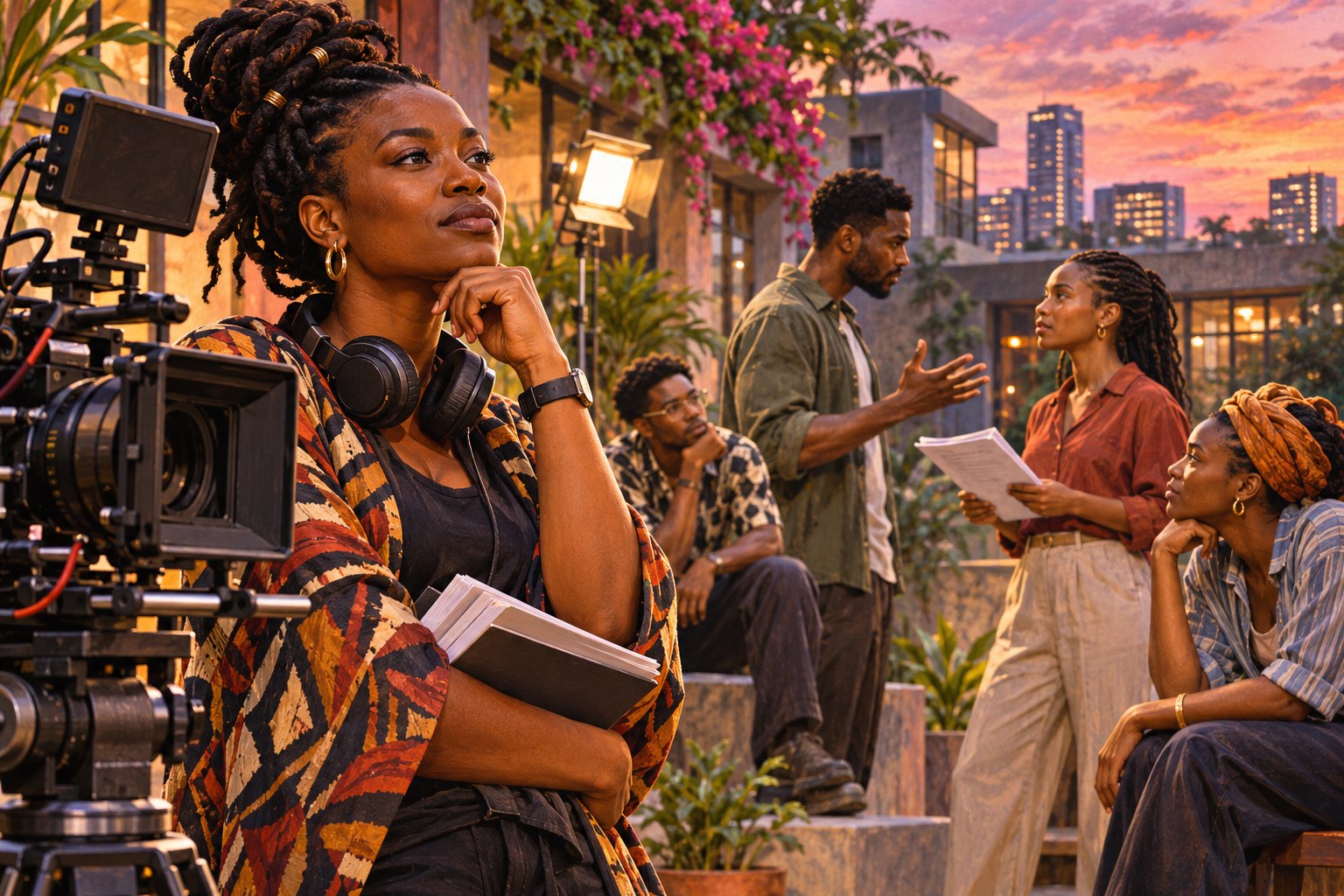
The critical opportunity begins with taking the word filmmakers seriously. A director chooses where to place the camera. An editor decides how long a hesitation lasts. A writer gives one person an explanation and leaves another struggling to speak. Those decisions shape our understanding of a life, and they deserve scrutiny alongside the circumstances under which the work was made.
This is commentary on the festival’s significance, rather than a review of individual selections. It makes no claims about scenes, performances, or dialogue in films not examined here. The question is how to approach these stories with curiosity, attention, and a willingness to judge what actually reaches the screen.
What changes when the person being described becomes the storyteller?
A film about an incarcerated person and a film made by an incarcerated person can explore similar subjects while organizing our attention differently. Authorship affects which experiences need explanation, which details seem ordinary, and whose questions drive the narrative.
Consider the difference between introducing someone through an official description and introducing them through a task they are trying to complete. The first establishes a category; the second establishes an immediate intention. Neither approach automatically produces a better film, but each gives the viewer a different starting point. This is a general distinction in film language, not a description of any SQ selection.
That distinction matters because a person’s identity can become background information before the audience has encountered their personality. A character emerges more fully through choices, habits, conflicts, and relationships. Filmmakers can decide how those elements enter the frame and how much weight each receives.
Our commentary on who gets to tell a community’s stories explores a related concern. Representation involves decisions about perspective as well as visibility. For SQ Film Festival, that makes authorship a productive starting point for criticism, without making it a guarantee of artistic success.
Follow the person’s perspective without surrendering your judgment
Character-focused viewing starts with a practical question: what does this person want at this particular moment? Recognition, privacy, reconciliation, and independence are different desires. A useful reading follows the film’s evidence instead of assuming that incarceration supplies a complete explanation for every action.
The next question is what stands in the way. A conflict might involve another person, an institution, an unresolved memory, or competing commitments. Those possibilities should remain possibilities until a film establishes them. Importing a familiar redemption story can obscure the more particular story a filmmaker has chosen to tell.
Perspective also has limits. A narrator can be sincere and incomplete. An interview can communicate vulnerability while leaving important questions unanswered. Sympathy is a response worth examining, but it does not resolve every factual or moral issue a film raises.
My view is that attentive criticism should preserve this tension. A viewer can recognize someone’s humanity, question their account, and remain alert to other people affected by the events being discussed. These responses can coexist. A film becomes more interesting when its contradictions receive attention instead of being hurried toward a reassuring conclusion.
Look closely at the choices that make a story persuasive
The festival’s subject invites discussion of access and voice, but the finished work also requires attention to craft. Saying that a film is moving tells readers little unless the critic explains how it creates that response.

Three aspects of filmmaking provide especially useful entry points:
- Framing: Notice what surrounds a speaker and what remains outside the image. Physical distance can suggest intimacy, observation, or separation, although its meaning depends on the scene.
- Editing: Watch how the film connects statements and reactions. A cut can establish a relationship, suggest a cause, or encourage a conclusion that deserves closer examination.
- Sound: Listen for the relationship between speech, ambient noise, music, and silence. Ask whether the soundtrack opens space for thought or strongly directs an emotional response.
These are questions for viewing, not findings about the festival’s films. Their value is that they bring the discussion back to observable decisions. They also allow a reviewer to distinguish a powerful subject from a powerfully constructed sequence.
The same care applies to memorable lines. Before treating a sentence as the key to an entire film, establish who says it, what prompts it, and whether later events complicate it. A quotation can acquire a very different meaning when separated from its scene. Without verified dialogue, inventing a representative line would misrepresent the filmmaker’s work.
Give the work room to exceed an inspirational reading
A festival involving incarcerated filmmakers can invite an encouraging response before an audience has seen a frame. The opportunity to make and share a film has significance. Evaluating the resulting film requires additional attention.
Automatic praise can flatten artists into examples of perseverance. It leaves little room to discuss uneven pacing, an unexpected joke, an unresolved relationship, or an ambitious formal choice. Those are the details through which filmmakers develop recognizable creative identities.
Equally, a critic should avoid treating difficult production circumstances as a complete explanation for a film’s style. An extended shot might reflect an aesthetic preference, a practical constraint, or both. Without evidence, assigning a reason turns interpretation into speculation.
Our coverage of student and local filmmakers finding a festival audience raises a related issue: discovering an artist is the beginning of critical attention. A useful response eventually needs to describe what distinguishes that artist’s work.
The deeper significance is the right to be specific
The strongest reason to pay attention to incarcerated storytellers at SQ Film Festival is the possibility of encountering perspectives that resist a single convenient description. No individual filmmaker should be expected to represent everyone who shares the condition of incarceration.
Nor should every story have to function as testimony, a lesson, or proof of transformation. The range of questions an audience brings can either make room for a filmmaker’s intentions or crowd them out before the film begins.
For me, the festival’s central critical challenge is to hold context and specificity together. Understand why the opportunity matters, then attend to the work closely enough to identify its particular achievements and limitations. The most meaningful response to someone sharing a story is to notice how they chose to tell it—and what those choices allow us to understand.
Original content by this site's editorial team. Published: November 18, 2026 at 06:44:32 PST (Los Angeles time)