Holiday Ever After: A Disney World Wish Come True brings Disney princess inspiration into its wardrobe through recognizable details rather than an uninterrupted parade of ball gowns. In PEOPLE’s exclusive costume feature, designer Alyson Hancey describes a visual approach built around nostalgic references and contemporary clothes. The interesting critical question is what those references let us understand about the person wearing them.
Costume commentary with mild wardrobe and premise spoilers. This is an interpretation of the reported design choices, rather than a scene-by-scene review or a verdict on the complete film.
A Fairy Tale Worn With a Denim Jacket
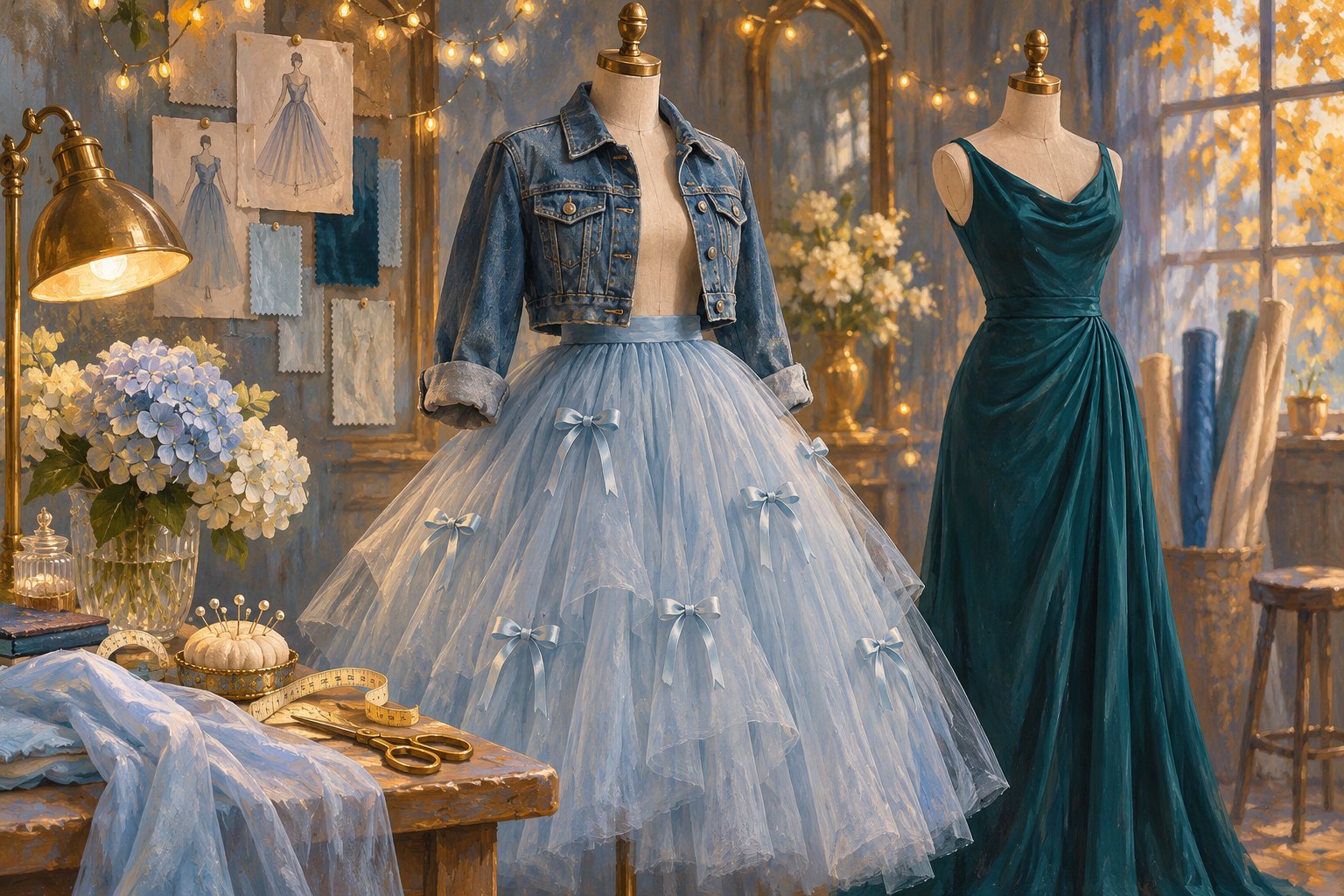
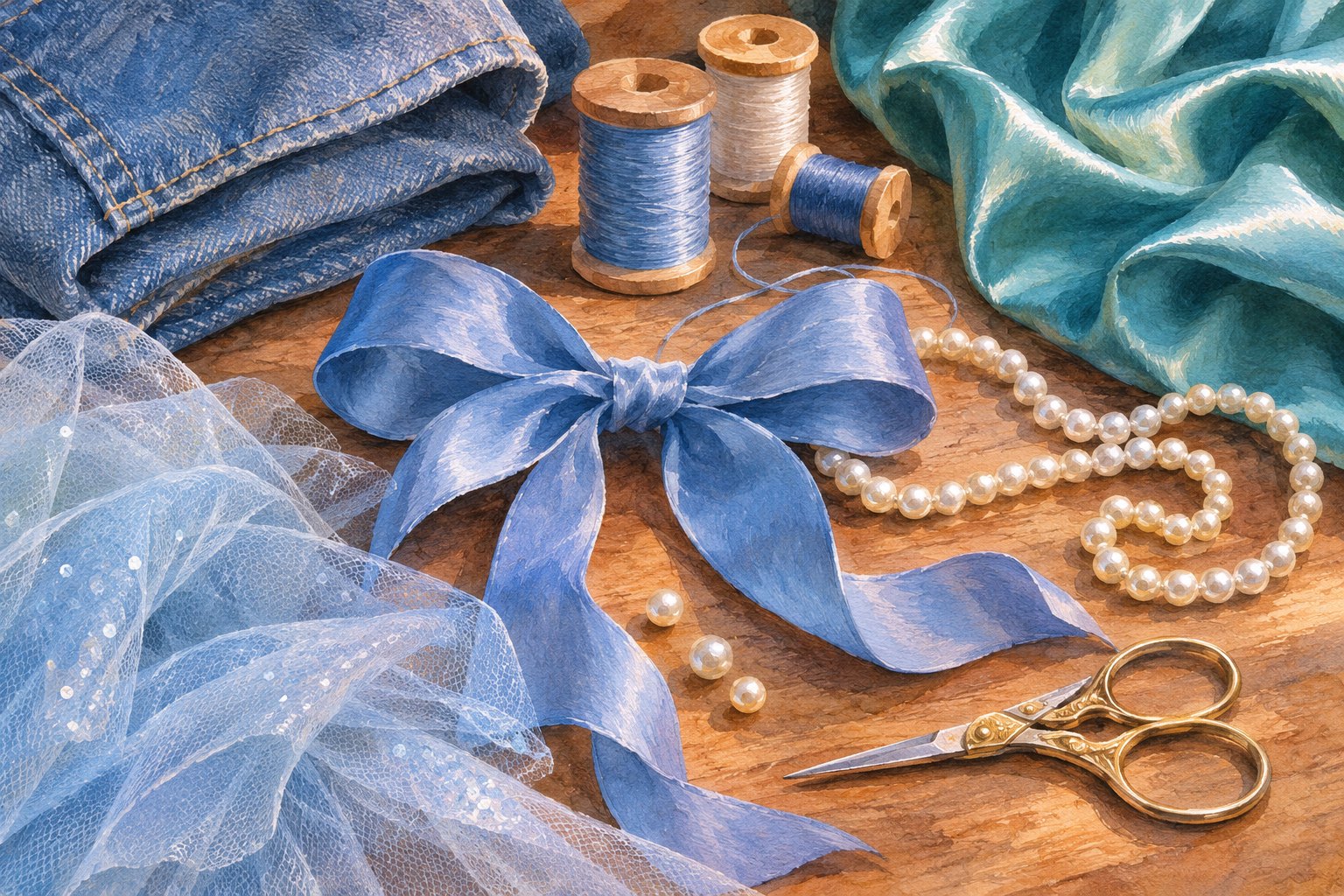
Lacey Chabert plays Lindsey, whose family vacation brings her back into contact with Philip, played by Travis Van Winkle, after an unsuccessful first date. Hancey’s reported designs include a Cinderella-inspired blue tulle skirt with bows and a denim jacket, plus a deep teal dress drawing on Princess Jasmine. A bow motif also recurs in smaller accessories and clothing details.
Of those combinations, tulle and denim offers the richest starting point for character analysis. The fabrics suggest different ways of presenting yourself. Tulle invites attention to movement, lightness, and occasion; denim carries associations with familiarity and everyday use. Together, they make fantasy look like something a person can incorporate into an existing life.
My reading is that this balance suits a romantic premise built around reconsidering someone. An unsuccessful date gives Lindsey a reason to distrust the prospect of another encounter. A wardrobe that permits playfulness without abandoning recognizable everyday clothing creates an appealing visual parallel: openness does not have to require a completely new identity.
That is a possibility offered by the costume concept, not proof of what Lindsey thinks in any particular shot. Clothes can establish an emotional register. Performance and the surrounding scene still have to tell us whether a character feels comfortable, exposed, hopeful, or unconvinced.
Why a Repeated Bow Can Matter More Than a Spectacular Dress
Hancey tells PEOPLE, “I wanted to find something that I could subtly pull throughout all of her moments.” Her explanation of the recurring bow suggests an interest in continuity as well as individual outfits.
A striking dress is easy to remember because it announces an occasion. A small shape repeated across different looks can do quieter work. It lets the wardrobe retain a recognizable personality even when the character moves between social situations. Viewers may register the connection without consciously identifying its source.
For a romantic lead, that continuity matters. A familiar weakness of transformation stories is the suggestion that the ordinary version of a woman must disappear before the glamorous version can be loved. A recurring detail offers another possibility: the person in the special outfit remains connected to the person who arrived earlier.
Whether the movie fully realizes that possibility requires attention to the scenes themselves. The useful viewing habit is to notice when a detail returns and what has changed around it. Is the character more relaxed? Is she making a choice? Does the costume echo an earlier look while her behavior moves forward? Those questions produce a more revealing reading than simply counting bows.
Princess References Carry Expectations Into the Romance
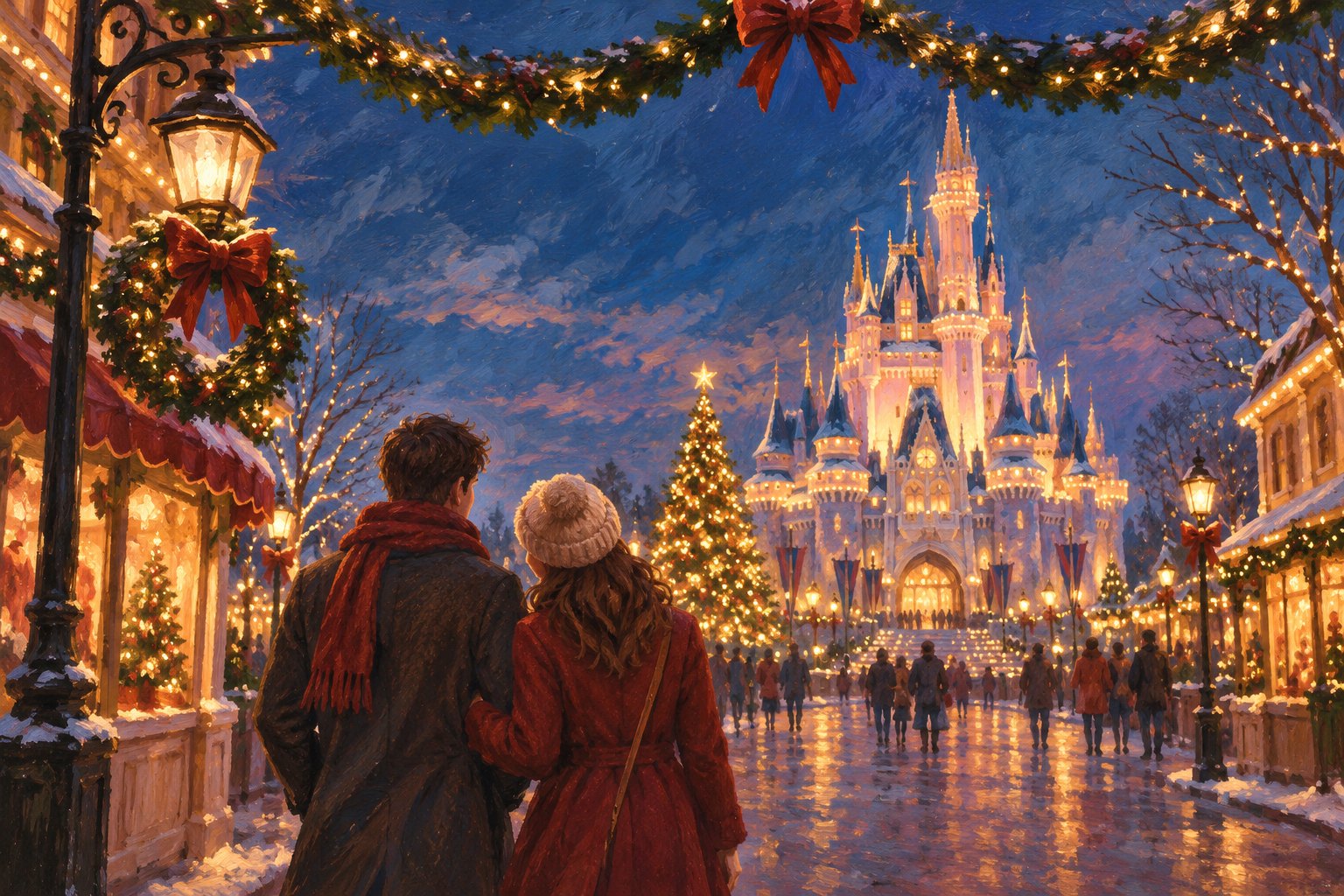
A princess reference arrives with emotional baggage. It can summon memories of transformation, recognition, adventure, or an anticipated happy ending. That makes it an efficient design resource, but also a demanding one. The viewer may begin supplying a familiar story before the current character has finished telling hers.
For Lindsey, the central interpretive risk is that an attractive fairy-tale association could make romantic reconsideration seem inevitable. A costume can encourage us to welcome a romantic possibility; it cannot establish that another person has earned her trust. That distinction is especially useful in a story whose premise includes a disappointing first encounter.
My preference is for romantic costume design that supports a woman’s pleasure in her own appearance. The outfit should allow for delight, humor, and self-expression regardless of whether a prospective partner approves. Read that way, princess inspiration becomes a resource a character enjoys, rather than a set of instructions she must obey.
This question belongs to a broader discussion of how comforting romances handle complicated choices. Our analysis of the competing attractions and tensions in You’ve Got Mail approaches that issue through a different romantic framework. Familiar pleasures become more interesting when criticism leaves room to examine what they ask us to accept.
Color Suggests a Mood; It Does Not Explain a Person
The temptation with recognizable princess palettes is to turn every shade into a personality diagnosis. Blue must mean innocence; teal must mean independence; a change of dress must signal newfound confidence. Such readings can sound precise while overlooking what the actor is actually doing.
A more reliable approach begins with the complete image. Consider the garment’s shape, its relationship to other clothes, the lighting, and the wearer’s movement. A formal outfit can make someone look assured, but it can also make discomfort more visible. The same color may feel intimate in one setting and conspicuous in another.
For Holiday Ever After, the reported inspirations establish that the princess connections are deliberate. They do not establish a separate psychological meaning for every design choice. The distinction protects both the designer’s work and the character: neither has to be reduced to a decoding exercise.
The Most Useful Way to Watch the Wardrobe
On a first viewing, let the clothing contribute to the scene without pausing to identify every reference. Notice which looks feel natural to the wearer and which create a sense of occasion. On a second pass, follow a small recurring element and see whether its context changes.
It also helps to separate three judgments. An outfit can be attractive on its own, successful as a recognizable reference, and useful to the drama. Those qualities overlap, but they are not interchangeable. The most satisfying costume accomplishes all three without making the actor compete with it.
Our separate discussion of Holiday Ever After’s dialogue and Disney callbacks explores another route into its nostalgic appeal. Here, the more revealing emphasis is on what can be communicated before a character speaks.
The Deeper Appeal: Keeping Wonder Within Reach
The strongest idea in this princess-inspired approach is the possibility of carrying childhood pleasures into adult life without surrendering adult judgment. A familiar shape or fabric can reconnect someone with delight. It need not dictate whom she loves or how her story ends.
That is why the everyday component deserves as much attention as the fairy-tale flourish. In my reading, the denim jacket gives the fantasy somewhere to live. The combination proposes that wonder can belong to an ordinary person’s wardrobe, alongside clothes associated with errands, travel, and familiar routines.
The Cinderella and Jasmine connections are useful visual references to recognize, but their value ultimately depends on the character they help express. The most rewarding question is not simply which princess an outfit recalls. It is whether the clothes make Lindsey feel more specific, more continuous across changing circumstances, and more entitled to enjoy her own story.
Original content by this site's editorial team. Published: November 28, 2026 at 23:48:37 PST (Los Angeles time)