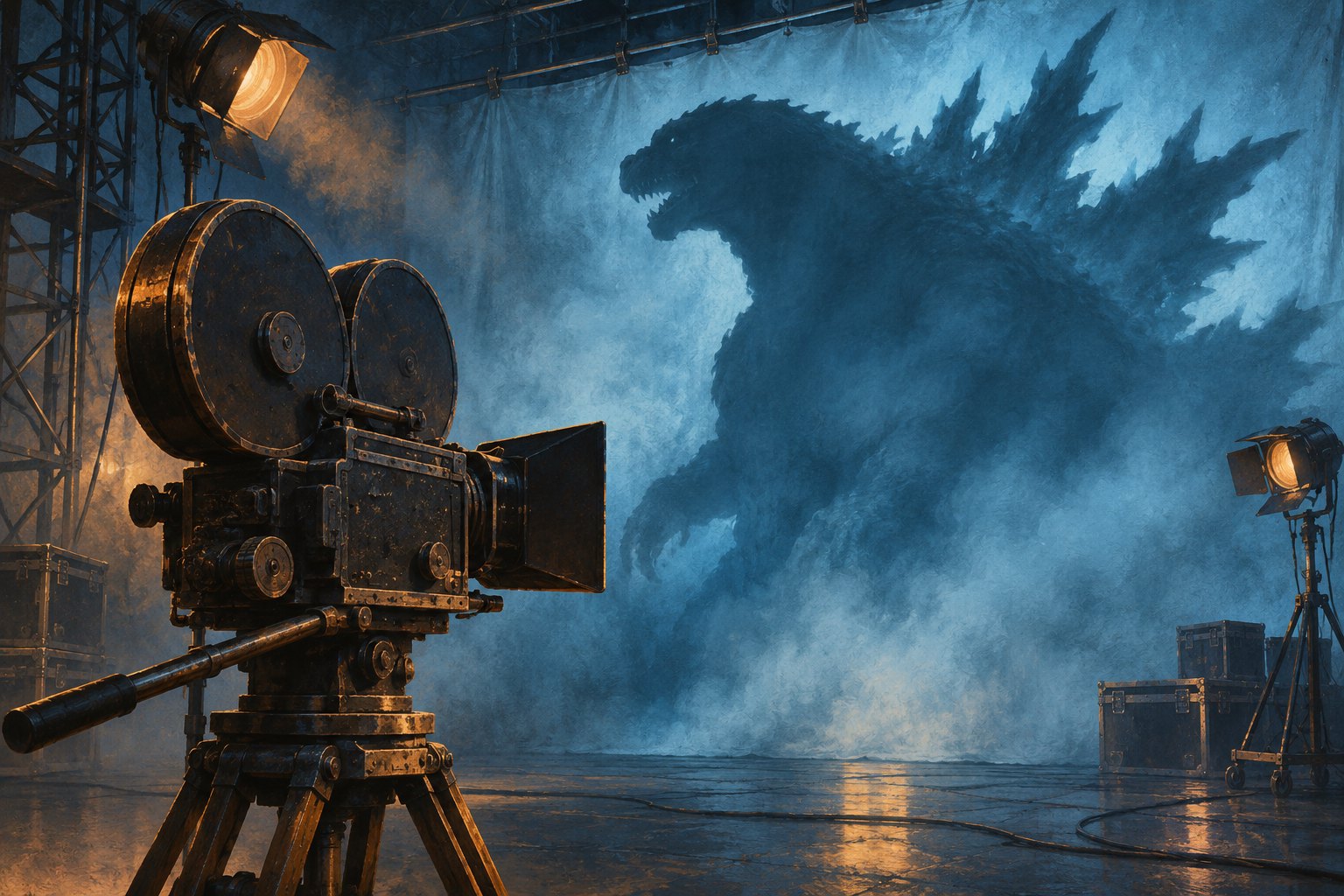
Hideaki Anno has a confirmed cameo in Godzilla Minus Zero, according to Crunchyroll’s reporting. That answers the central question behind the announcement: his appearance is being reported as confirmed, rather than merely proposed or rumored. What it does not establish by itself is how much dramatic weight that appearance carries.
For viewers, the interesting question extends beyond spotting him. A cameo creates two possible experiences of the same moment: one for someone who recognizes the performer, another for someone who sees only a character. My critical preference is for an appearance that works for both audiences. Recognition can add pleasure, but the scene should retain its purpose without it.
Spoiler note: This article discusses the confirmed appearance and its implications for viewing. It does not reveal a scene location, character identity, dialogue, or plot outcome. It is critical commentary on the announcement, rather than a review claiming firsthand assessment of the complete film.
What the cameo confirmation actually tells us
The firm point is narrow: Anno appears in Godzilla Minus Zero in a cameo capacity. That is useful casting information. It should not automatically become a claim about the story’s direction, the importance of his character, or his involvement in creative decisions behind the camera.
Those distinctions matter because a recognizable name can make a small announcement seem much larger. An appearance is a performance credit; an authorial contribution is a different kind of claim. Neither should be inferred from the other. Similarly, the word “cameo” does not supply a reliable running time, explain whether the performer speaks, or establish that the moment changes the plot.
The announcement also cannot support a verdict on the film’s pacing, emotional force, or visual storytelling. A cameo can be appealing news while remaining a tiny part of the eventual critical assessment. Viewers looking for an answer about Anno’s presence have one; viewers looking for a complete evaluation of the movie need evidence from the movie itself.
Reading the appearance from inside the story
A character-centered approach begins by setting celebrity recognition aside for a moment. Within a fictional world, a person matters through what other characters can perceive: their behavior, position, relationships, and decisions. The audience’s knowledge of the performer exists outside that world unless the film explicitly brings it inside.
Applied to Anno’s appearance, the useful question is what a viewer unfamiliar with him would understand. Does the scene communicate its immediate action clearly? Is attention directed toward the people whose choices matter? Does the appearance contribute to the setting, a reaction, or an interaction? These are criteria for examining the finished moment, not claims about what his scene contains.
That distinction protects the human scale of a monster movie. The size of a threat becomes emotionally meaningful through individual experience. A face can register uncertainty, concentration, or concern without requiring a backstory. But assigning any particular emotion to Anno’s character before establishing what is actually on screen would turn interpretation into invention.
Our discussion of casting and character credibility in Naruto considers a related issue: the interest generated by a performer’s name and the work accomplished by a performance are separate things. The same distinction applies here, even when the role is small.
How recognition changes a viewing experience
Recognizing someone can briefly redirect attention. Instead of following the action, a viewer may begin searching memory, checking a face, or wondering whether a resemblance is intentional. That interruption can be enjoyable. It can also compete with the emotional rhythm of a scene.
Framing and editing help determine the result. A conspicuous close-up invites scrutiny; a face embedded in a wider composition may remain optional information. A pause can create room for recognition, while continuous action can absorb the appearance into the scene. Without a verified account of Anno’s shot, it would be premature to say which approach Godzilla Minus Zero takes.
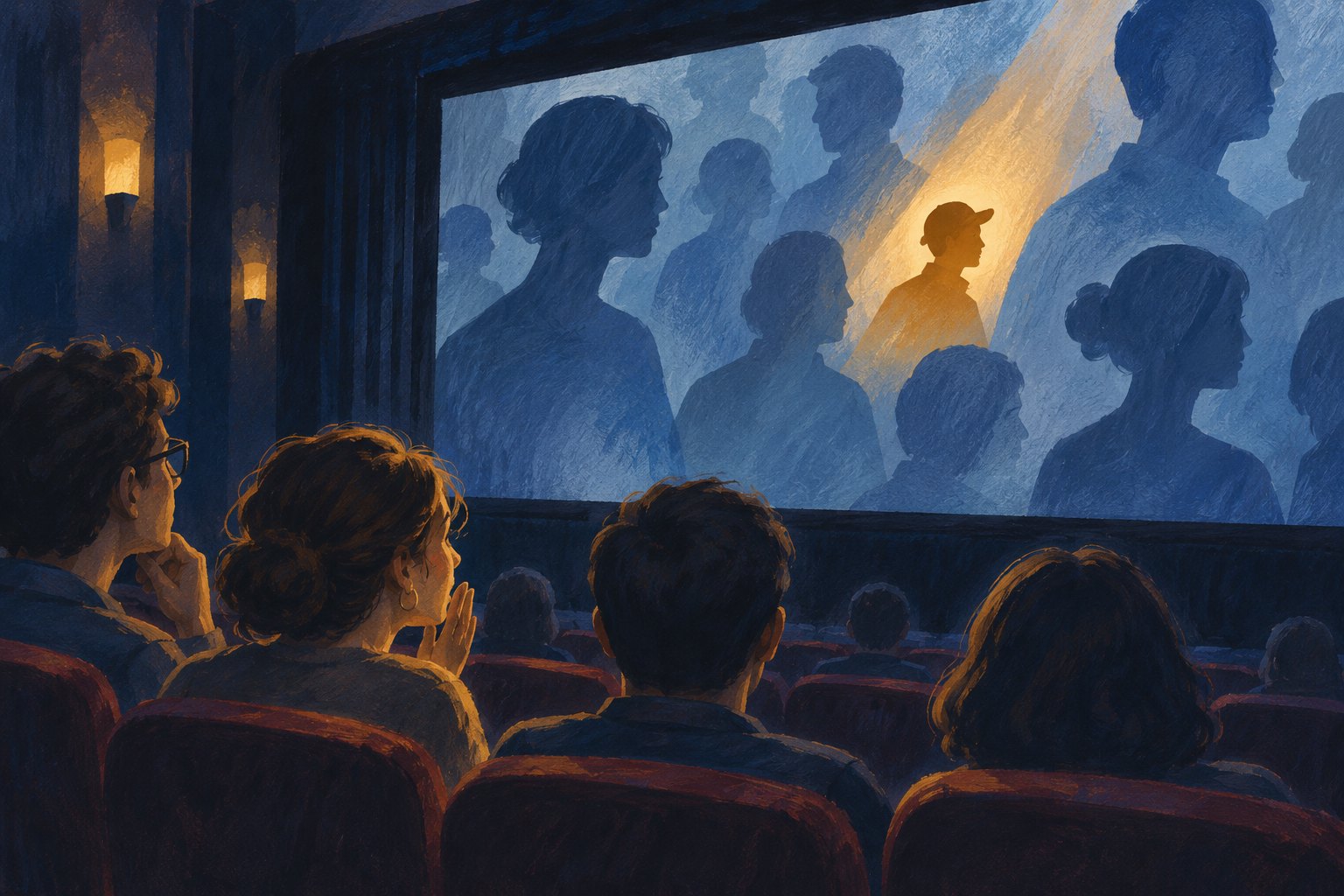
My preferred cameo has an ordinary dramatic function and an additional reward for recognition. Someone unfamiliar with the performer should still receive a complete scene. Someone who recognizes them gets another association to consider. This allows the film to welcome knowledgeable viewers without making everyone else feel that an explanation is missing.
There is also no obligation to spot Anno immediately. Watching a film should not become an attention test. If the central relationships and action hold a viewer’s interest strongly enough that a cameo passes unnoticed, that can be a perfectly satisfying first viewing.
A familiar face does not explain a production
Another temptation is to treat a cameo as proof of artistic agreement, friendship, mentorship, or a symbolic transfer of responsibility. Those are attractive stories because they connect a visible moment to an invisible creative process. They still require evidence.
An on-screen appearance alone cannot explain why someone participated or how the invitation developed. It also cannot reveal whether their presence influenced the surrounding scene. A restrained reading leaves those questions open while acknowledging the simple pleasure of an unexpected participant.
This is where understanding film work through specific contributions becomes useful. A movie emerges from many kinds of labor. The most recognizable person in a conversation about it is not necessarily the person whose contribution explains a particular creative choice.
How to approach the cameo without losing the movie
For a first viewing, follow the scene’s immediate stakes. Notice whose perspective organizes the action, what changes between the beginning and end of the sequence, and whether an appearance alters that change. Recognition can remain a secondary pleasure.
On a later viewing, the more revealing exercise is to examine construction. Consider how the shot introduces a face, how long attention stays there, and what the next cut asks the audience to notice. This turns a spotting exercise into an examination of filmmaking. It also provides a stronger basis for judging whether the cameo feels integrated or distracting.
No dialogue is quoted here because the confirmation alone does not establish any lines spoken by Anno or the surrounding characters. Memorable dialogue belongs in a review when its wording and context can be checked; attaching an invented line to a real performance would undermine the analysis.
The deeper question: who gets to belong in the frame?
Anno’s confirmed appearance invites a broader interpretive question about spectatorship. A familiar face reminds some viewers that a movie is a made object, populated by people with lives and creative identities beyond the roles they occupy. At the same time, convincing storytelling asks those viewers to accept the person as part of its fictional world.
That tension can be productive. Recognition briefly opens a door between the film and the audience’s memories, then the scene can carry attention forward again. Whether this particular cameo achieves that balance requires close examination of the actual sequence.
For now, the meaningful conclusion is modest: Anno’s presence adds a reason to look closely at Godzilla Minus Zero. Its artistic value will depend on how naturally that presence belongs to the moment—and whether the people inside the story remain more compelling than the act of recognizing someone outside it.
Original content by this site's editorial team. Published: November 23, 2026 at 18:01:17 PST (Los Angeles time)