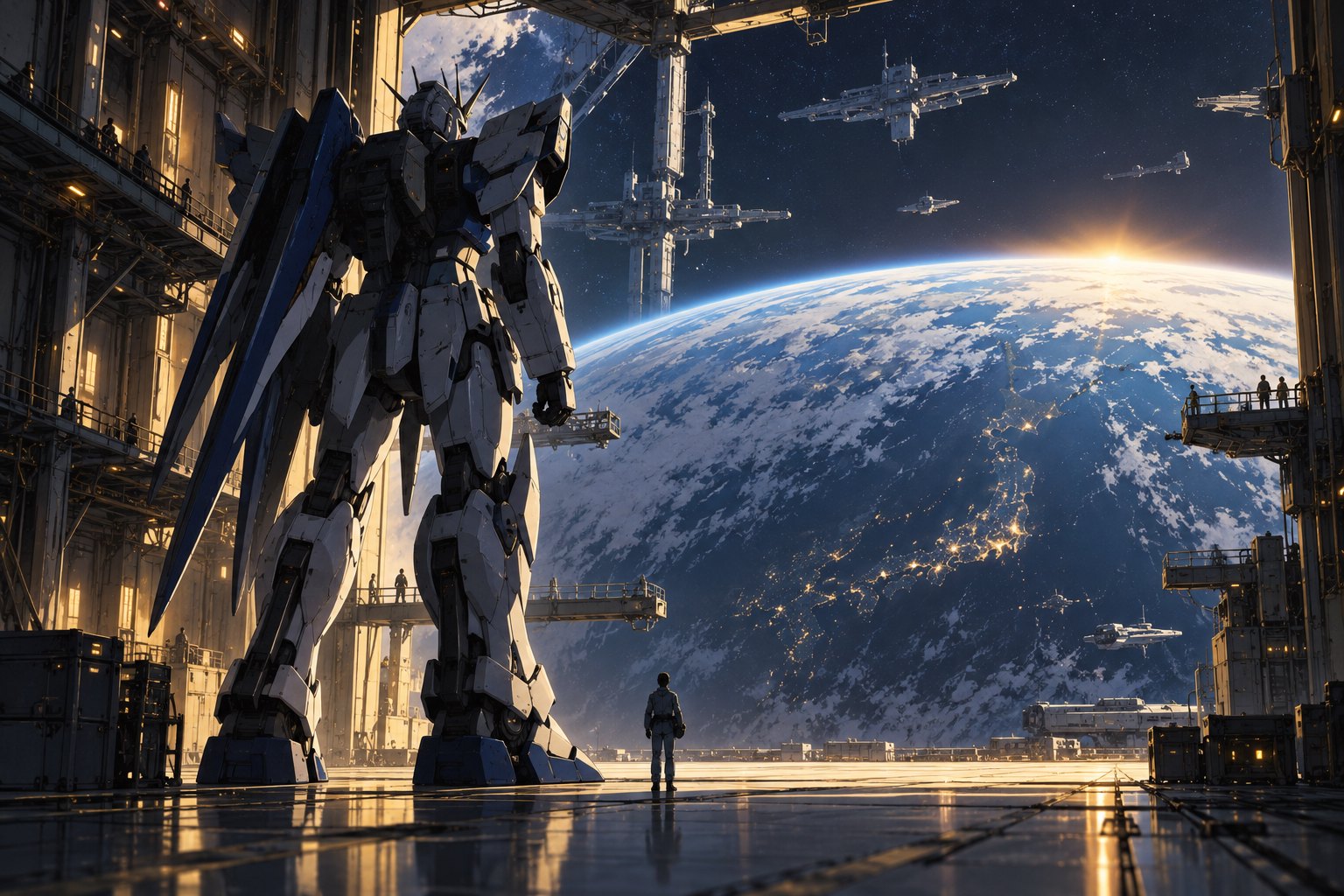
Mobile Suit Gundam SEED FREEDOM ZERO is scheduled to premiere in Japan on January 15, 2027, according to Crunchyroll’s release report. For viewers looking for the essential news, that is the date and territory to remember. It is a Japanese theatrical announcement, so American audiences should avoid treating it as a local opening date.
The announcement gives anticipation a destination. Assessing the film itself requires something more: seeing how its scenes work, whose perspective organizes the story, and whether its emotional conflicts survive the transition from conversation to combat. Those are the questions that will determine its value as a movie.
This is a spoiler-free editorial preview, not a review of the finished film. No scene descriptions, dialogue quotations, or judgments about its ending are presented here. The release news establishes an occasion to look forward to; the critical discussion below sets out what would make that occasion meaningful.
What the January 15 Release Date Actually Tells Viewers
A release date answers a practical question: when a particular audience is scheduled to encounter a film. It does not answer every distribution question surrounding it. A Japanese premiere should not be used to infer American ticket availability, language options, streaming access, or a simultaneous international rollout.
For readers deciding what to put on their calendars, the useful distinction is between following the film and planning a screening. January 15 is the date to track for its Japanese debut. Making a local theater plan requires a listing that identifies your territory, venue, screening time, and presentation language.
That distinction also matters editorially. Calling an announcement a review creates expectations that release coverage cannot fulfill. Readers looking for an assessment of pacing, animation, performances, or narrative payoff deserve observations grounded in the completed work. Excitement is a reasonable response to this news, but it is not evidence of quality.
The Character Question Behind the Machinery
My central interest in SEED FREEDOM ZERO is whether its dramatic perspective will make the machinery feel consequential. A large-scale action image can communicate power instantly. Understanding what that power means to the person using it takes patient storytelling.
A useful character-focused review begins with three questions: What does this person want? What do they believe their actions will accomplish? What are they unable, or unwilling, to recognize? Those questions distinguish a character making a decision from a figure being moved into position for the next set piece.
Applied to this forthcoming film, that is a standard to watch for rather than a description of its plot. An eventual battle could be technically impressive while leaving a character emotionally untouched. Conversely, a brief hesitation could become the most revealing moment in a sequence if the film has established what acting immediately would cost.
This is also the distinction explored in our commentary on why a science-fiction adaptation needs a human point of view. A fictional world becomes dramatically legible when viewers understand how someone experiences it. Scale draws the eye; perspective gives that scale meaning.
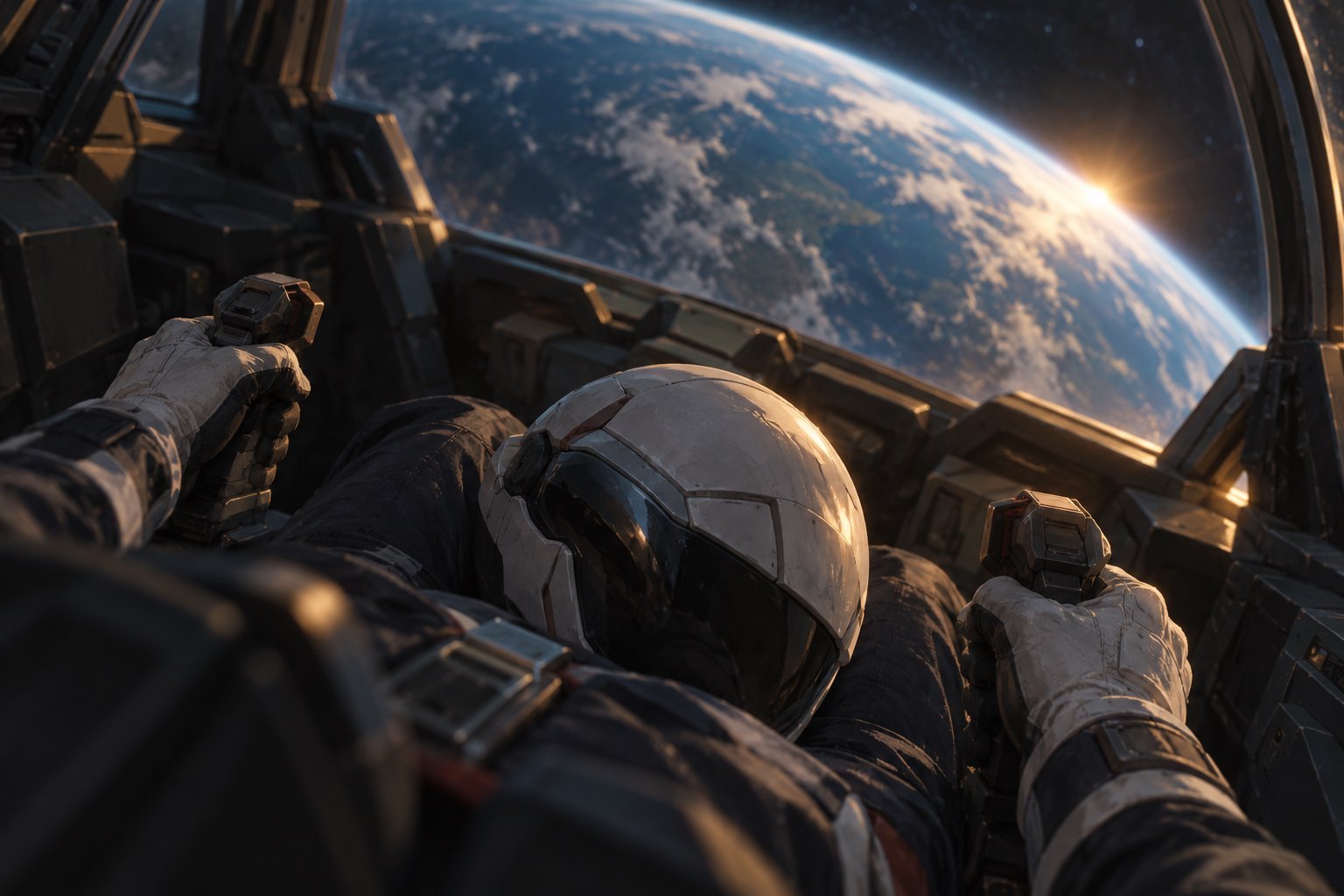
Action Should Change More Than the Battlefield
For me, the strongest action storytelling produces a change in relationships as well as circumstances. A successful maneuver might establish trust. An apparently sensible order might expose a disagreement that the characters have avoided discussing. A victory might leave someone less certain about the people beside them.
These are possibilities, not predictions about SEED FREEDOM ZERO. Their value as critical criteria is that they direct attention toward consequences. If an action scene can disappear without changing our understanding of anyone, its narrative contribution deserves scrutiny, however elaborate its animation may be.
Clarity matters, too. Viewers need enough spatial information to understand an immediate danger and enough emotional information to understand why a response matters. Confusion is not automatically complexity. A film can withhold a character’s motives deliberately while still making the immediate situation understandable.
The eventual review should therefore look closely at transitions: the conversation before a deployment, the first response to an unexpected choice, and the silence after a confrontation. Those moments often reveal whether spectacle and characterization belong to the same dramatic structure.
How to Follow the Film Without Turning Expectations Into Spoilers
The title itself may encourage speculation. In particular, a word such as “Zero” can invite assumptions about beginnings, chronology, or a return to foundational ideas. A title alone cannot settle any of those questions. It is an invitation to interpretation, not a substitute for a verified synopsis.
Readers can keep their preparation useful with a few straightforward habits:
- Keep territory attached to the date. Record January 15, 2027, as the announced Japan premiere.
- Read the label on coverage. An announcement, a trailer analysis, and a completed-film review offer different kinds of evidence.
- Check viewing guidance before committing to a marathon. A confident-sounding watch order should explain its reasoning and distinguish essential context from optional background.
- Choose a spoiler boundary. Release logistics can be useful even when you prefer to avoid promotional scene breakdowns.
There is no obligation to approach a new film as a homework assignment. For experienced viewers, revisiting earlier material can sharpen memories of relationships and unresolved feelings. For newcomers, clear guidance should reduce uncertainty rather than suggest that encyclopedic recall is the price of admission.
Familiarity Must Still Become Drama
A recognizable title brings an audience’s memories into the theater. That can give a look, a gesture, or a musical transition unusual emotional force. It can also tempt a film to rely on recognition where a scene needs development.
My preference is for franchise filmmaking that rewards familiarity while making the immediate emotional situation readable. A returning viewer may understand an additional layer of significance, but the scene should still communicate a desire, an obstacle, or a change. Recognition works best when it deepens an event that already matters.
Our discussion of Zelda’s challenge beyond brand recognition approaches a related problem: audience affection can open the door, but character choices must sustain the experience. That principle provides a useful lens for approaching SEED FREEDOM ZERO without prejudging it.
What Would Make SEED FREEDOM ZERO Worth Revisiting?
The deeper opportunity is to make power understandable at the level of personal responsibility. A machine can extend someone’s reach; compelling drama asks whether their judgment, self-knowledge, and willingness to accept consequences extend with it. That is the interpretive question I would bring to the screening, not a claim about the film’s message.
A memorable line would matter because a character has earned it through action, contradiction, or change. An apparent visual callback would matter because of what it adds to the present scene. Neither quotations nor Easter eggs can be responsibly assessed in advance of verified material.
For now, Mobile Suit Gundam SEED FREEDOM ZERO has a Japanese premiere to anticipate. The most interesting question waiting beyond January 15, 2027, is whether its characters will give viewers something to reconsider after the spectacle has ended.
Original content by this site's editorial team. Published: October 10, 2026 at 04:02:48 PDT (Los Angeles time)