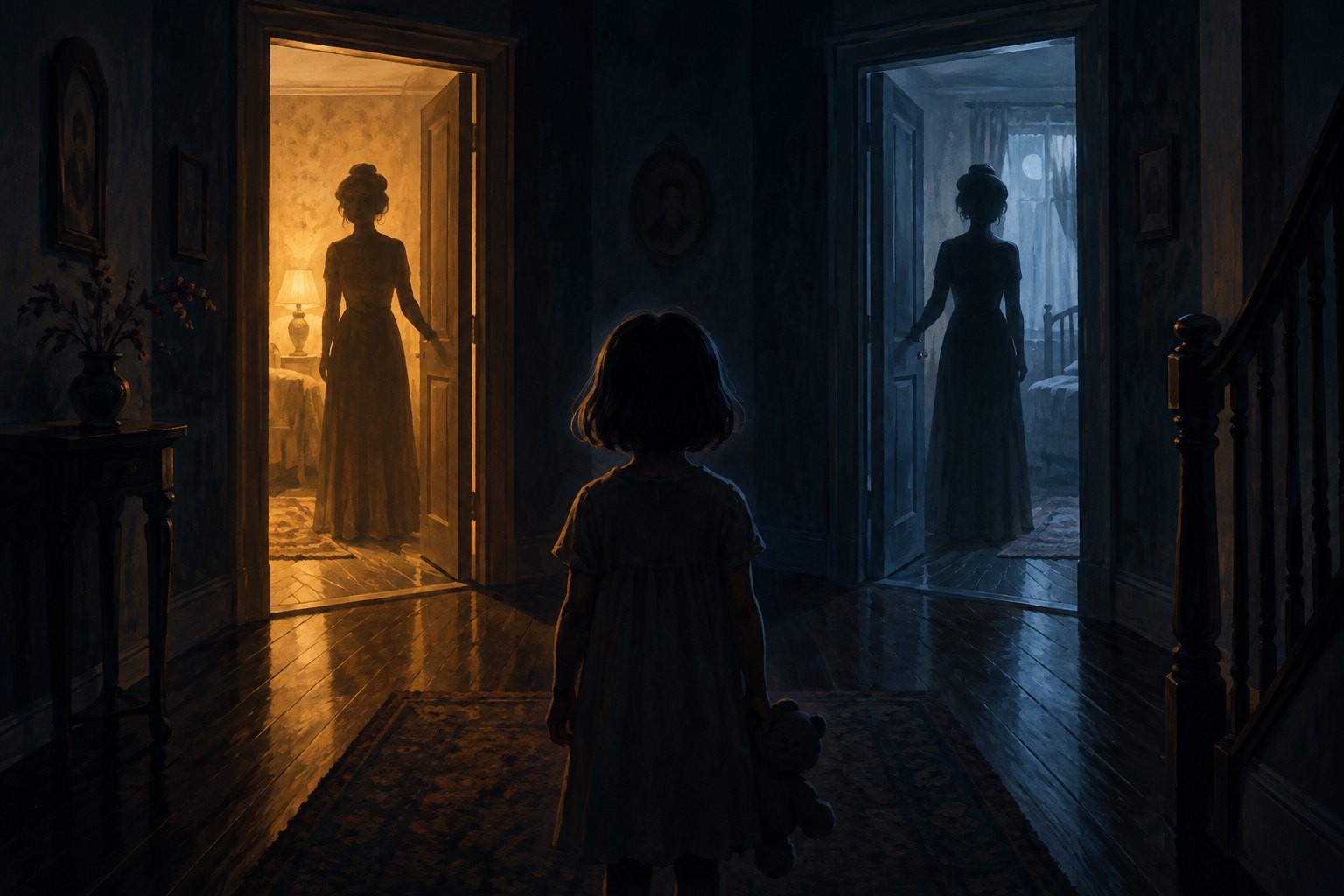
Greta Gerwig’s Narnia film is facing backlash ahead of release, as covered by the National Catholic Register. The controversy raises a legitimate question about adaptation: what must survive when a beloved story becomes someone else’s movie? Criticism can identify something precious that readers fear losing. It cannot, by itself, establish what the finished film achieves.
For Narnia, my answer begins with relationships. Aslan must mean something to the frightened child standing before him. Courage must cost something. Temptation must offer something a decent person desperately wants. Those are demanding standards, and they provide a more useful foundation for criticism than treating anticipation as a completed review.
This is pre-release commentary, not a review of Gerwig’s finished film. Major spoilers follow for C.S. Lewis’s novel The Magician’s Nephew. The literary scenes and quotations discussed below are not presented as confirmed scenes or dialogue from the upcoming movie.
What the backlash can—and cannot—tell us
The immediate fact is that objections have emerged before release. That establishes a dispute over expectations; it does not establish the scale of audience rejection, a consensus among Narnia readers, or the quality of the film. Those distinctions matter because the word backlash can make a collection of strongly expressed reactions sound like a settled verdict.
Readers are entitled to care about the convictions embedded in a book. For many, adapting Narnia involves a responsibility to its Christian understanding of goodness, temptation, and grace. Those concerns deserve engagement through specific artistic choices. Equally, conclusions about a filmmaker’s intentions require evidence beyond the fact that a proposed interpretation feels unfamiliar.
My critical standard would be whether the adaptation makes the story’s moral choices intelligible and emotionally convincing. A recognizable costume or familiar landscape can help establish continuity, but neither can compensate for a character whose decisions no longer make sense.
Digory: grief gives the adventure its stakes
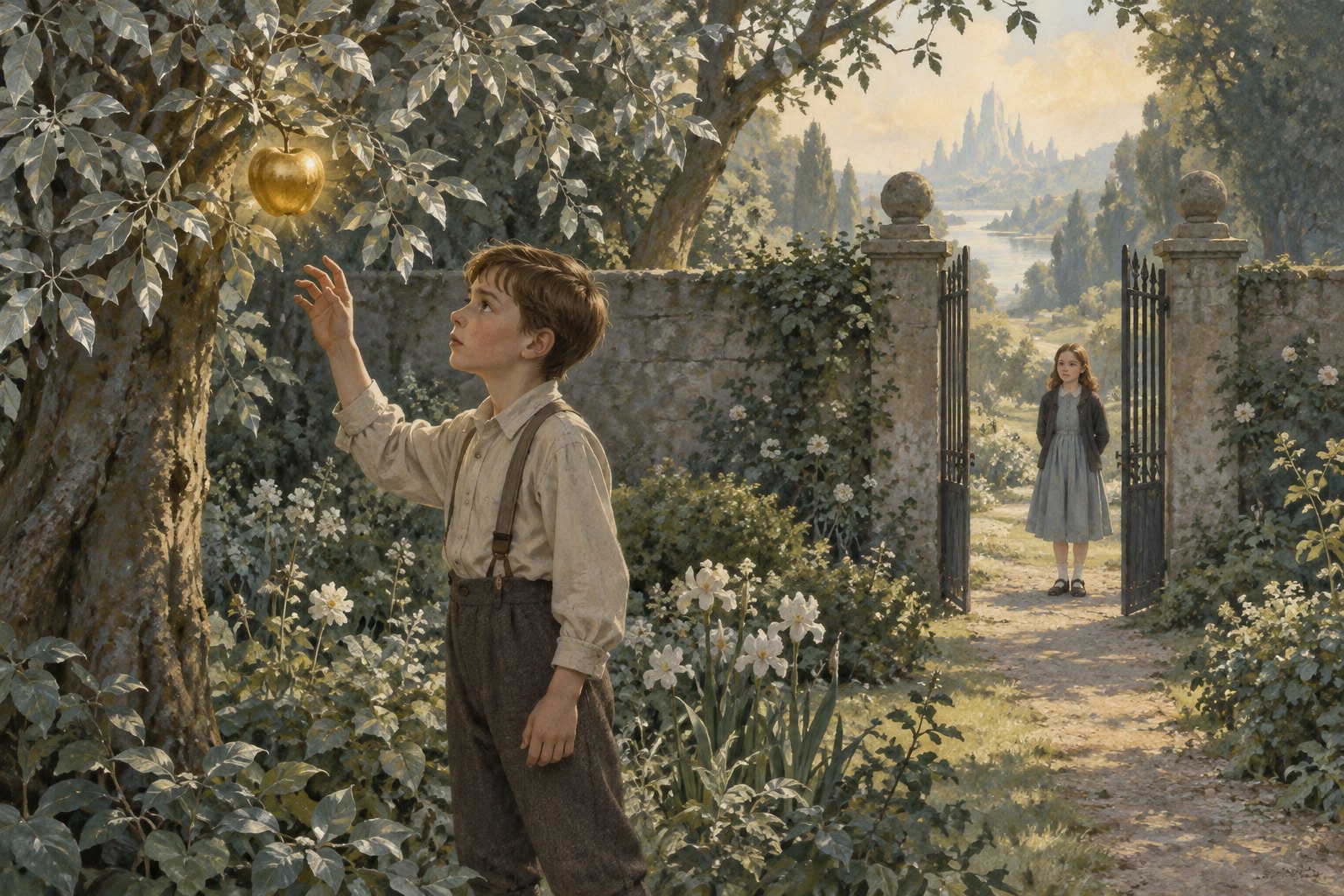
In Lewis’s novel, Digory’s mother is seriously ill. His longing to save her becomes central to the temptation he faces: Jadis urges him to take a magical apple for her instead of fulfilling his promise to Aslan. The predicament joins an extraordinary fantasy object to an ordinary, devastating fear.
That is a powerful foundation for cinema because the audience does not need an explanation of magical geography to understand the desire. A child wants his mother to live. The difficult part is making that desire strong enough that doing the right thing does not look easy.
An adaptation could preserve every major destination in an adventure and still weaken it by hurrying through hesitation. A pause before an answer, a glance toward the route home, or the effort required to speak can carry the weight that exposition cannot. These are possibilities for evaluating a performance, not claims about Gerwig’s staging.
The same concern underlies our examination of why character perspective matters when adapting Carrie: a famous story retains its force when viewers understand the person inside its most recognizable events.
Aslan: compassion has to accompany authority
When Digory confronts Aslan with his grief, the lion responds, “My son, my son.” He acknowledges, “Grief is great.” These are words from the novel, and their simplicity explains why the encounter deserves attention in any discussion of what makes Narnia distinctive.
For me, a convincing screen Aslan would need emotional responsiveness as well as majesty. Grandeur is relatively straightforward to signal: scale, lighting, music, and the reactions of surrounding characters can all announce importance. Compassion requires something more precise. The exchange must suggest that the child has been heard.
A voice performance would therefore need to work within a relationship. Does a response leave room for the other character’s distress? Does authority feel attentive? Does the scene allow uncertainty without making the vulnerable person look foolish? Those questions would remain relevant whatever visual or vocal approach an adaptation adopted.
The novel’s invitation, “Let us be good to one another,” also offers a useful measure of tone. I would be disappointed by an adaptation that treated tenderness as an interruption of the spectacle. Tenderness can be the moment that gives spectacle a purpose.
Polly: friendship needs the freedom to disagree
Polly challenges Digory’s judgment rather than simply following him. Later, Jadis’s suggestion that he abandon her helps expose the cruelty beneath the temptation. Friendship becomes part of his ability to recognize a lie.
That offers a practical test for adaptation: does the companion have an independent perspective? A character can have plenty of dialogue and still exist mainly to explain the protagonist’s feelings. What matters is whether disagreement changes how the audience understands a choice.
I would want Polly’s objections to retain their friction. Turning every disagreement into a charming exchange could make the friendship easier to watch while making it less consequential. Children can be loyal, perceptive, impatient, and unfair within the same conversation. Allowing those qualities to coexist gives a fantasy adventure human texture.
Our discussion of the human stakes behind familiar movie worlds approaches a related issue: audiences need reasons to care about the people moving through an extraordinary setting.
What a fair review should look for
When the film can be assessed as a complete work, the useful questions will be concrete. Do its performances communicate conflicting desires? Does the editing give difficult decisions enough time? Does the music deepen an emotion or insist on one the scene has not earned? Do changes to the story strengthen its relationships or make them harder to understand?
Faithfulness should be examined at that level. Readers can reasonably object when an adaptation changes a story’s moral meaning. Critics should be able to explain the change through scenes, consequences, and characterization. Similarly, praise for a bold interpretation needs to show what the boldness accomplishes.
That approach leaves room for both disappointment and discovery. It asks the film to justify its choices through the experience it creates, while taking the original seriously enough to identify what is at stake.
Narnia’s deeper promise is power exercised with care
My reading of The Magician’s Nephew is that its emotional power comes from a difficult distinction: wanting something good does not make every means of obtaining it good. That idea becomes compelling when the desire is sympathetic. It becomes moving when moral authority recognizes the pain involved.
This is the challenge I would place at the center of Gerwig’s Narnia. Can an immense fantasy world remain attentive to a child’s fear? Can friendship matter as much as wonder? Can goodness feel both demanding and compassionate? The backlash establishes that expectations are charged. The eventual film will have to answer through its characters.
Original content by this site's editorial team. Published: October 10, 2026 at 19:49:43 PDT (Los Angeles time)