Gods Don’t Give Gifts is approaching audiences with three connected announcements: a first trailer, a planned December theatrical run, and an intended Oscar bid for Best Animated Feature, according to Variety. Together, they position the AI film for a discussion that extends beyond its production technology. A theater release asks people to commit their attention to a feature; an awards campaign invites comparison with other animated filmmaking.
The distinction between those ambitions and their eventual results matters. A planned theatrical run does not establish how widely a movie will play, and an Oscar bid does not establish eligibility or a nomination. For viewers deciding whether to follow this release, the useful question is what the film will offer once the announcement gives way to sustained storytelling.
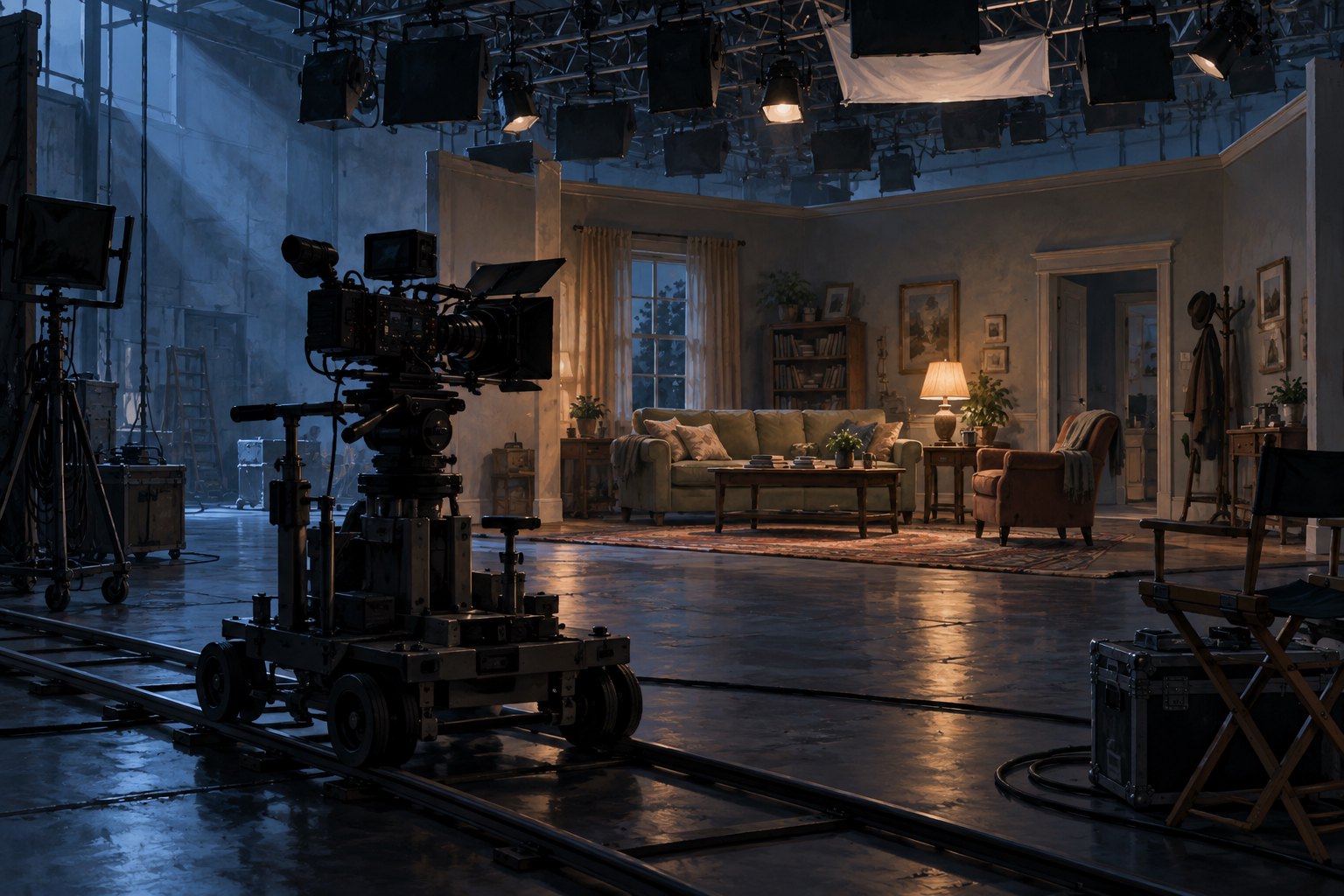
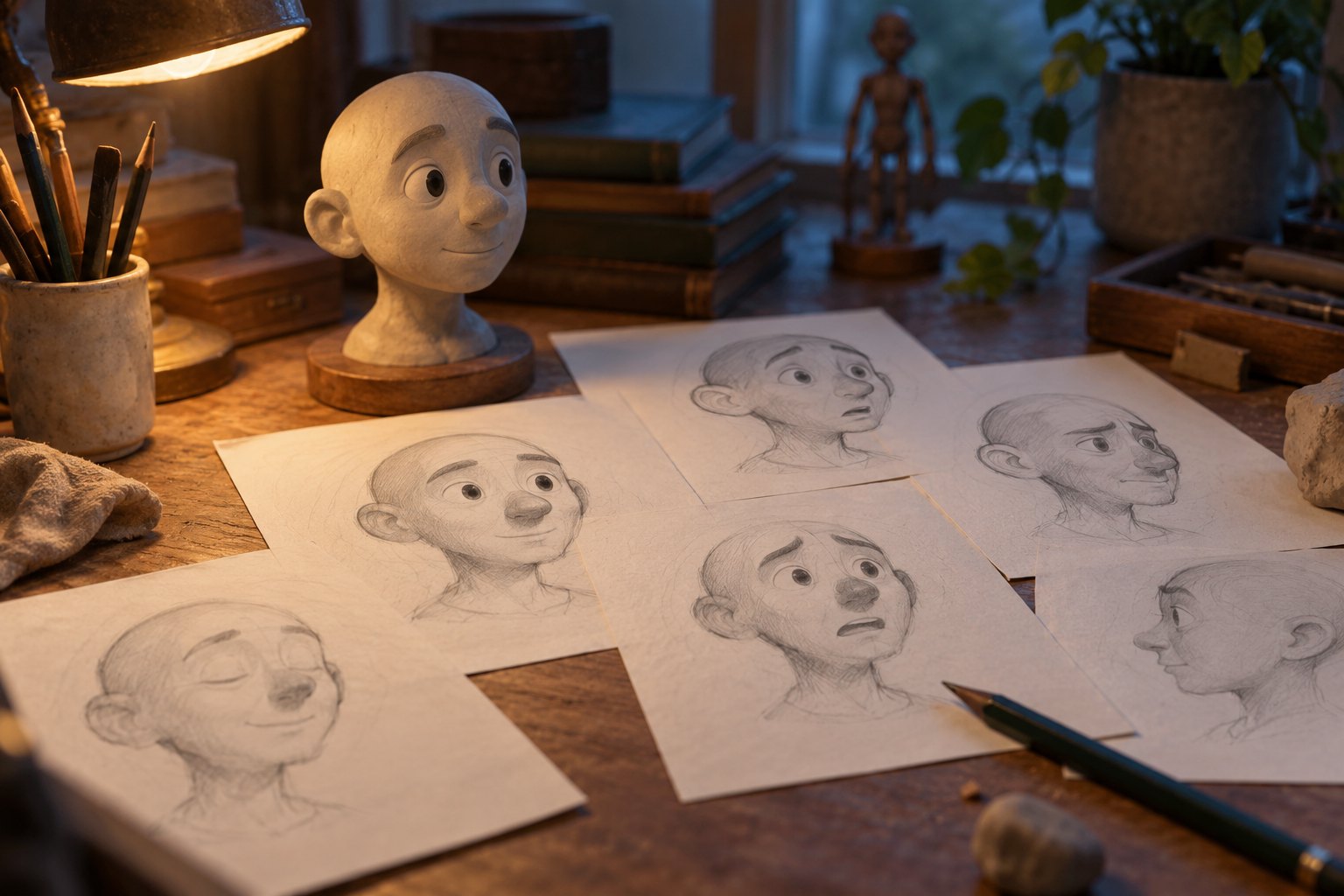
This is a spoiler-free preview and critical commentary, not a review of the completed film. No assessment of its plot, dialogue, ending, or individual performances is implied here. The accompanying artwork is conceptual illustration, not imagery from the production.
What the announcement establishes
The reported December plan gives Gods Don’t Give Gifts a release window, while the first-trailer announcement offers a starting point for its public presentation. Neither should be stretched into a claim about nationwide availability, a specific local engagement, or guaranteed ticket access. Readers planning a visit will still need a confirmed theater listing.
The awards ambition is similarly specific in one respect and unresolved in another: Best Animated Feature is the intended category, but intending to compete is a different event from receiving Academy recognition. Calling the movie an Oscar nominee, or treating the campaign as institutional approval of its methods, would get ahead of the announcement.
There is nevertheless an editorially significant choice here. By identifying an animation category, the campaign invites viewers to consider movement, staging, design, and performance alongside the attention surrounding AI. Those are demanding artistic criteria. A striking production method can attract interest without answering any of them.
A trailer can introduce a world; a feature must sustain a viewpoint
The first trailer will be an important encounter for many prospective viewers. Its most useful contribution should be clarity: a sense of tone, a reason to follow the characters, and an indication of how images connect. Spectacle can establish scale quickly. Emotional investment usually needs more specific information.
A productive way to watch is to track whose experience organizes the material. Does the preview make a character’s desire understandable? Can we identify an obstacle and recognize why it matters to that person? These questions do not demand a conventional hero or a neatly explained premise. They ask whether the imagery gives us a meaningful position from which to experience the story.
Trailers also compress time. A reaction placed after an alarming image can suggest a relationship that the full scene handles differently. Music can lend urgency to fragments whose dramatic context remains unknown. That makes a preview useful evidence of how a film is being presented, while leaving its long-form construction open to judgment.
For Gods Don’t Give Gifts, the strongest first impression would therefore be an identifiable dramatic interest that survives after the novelty of the technique fades. Until the material supports a closer reading, assigning motives, quoting supposed dialogue, or explaining an ending would manufacture the very substance a review should examine.
Character performance is the test worth watching
My critical priority for this release is performance: whether a character appears to think, listen, and change within a scene. In animation, those effects emerge through coordinated decisions about timing, posture, framing, sound, and movement. A face can be beautifully rendered while revealing little about the person it represents.
Consider the general difference between displaying sadness and dramatizing its arrival. A held glance, an interrupted gesture, or a delayed reply can show someone absorbing information. The audience experiences a transition rather than simply being shown an expression. These are examples of what to look for, not descriptions of scenes confirmed in this film.
Continuity matters at an emotional level, too. A character’s behavior should carry the consequences of earlier encounters, even when the visual style embraces distortion or surprise. Deliberate instability can express fear or uncertainty. Without a readable relationship to the character’s experience, however, instability risks becoming distraction.
That concern connects with the broader discussion in Actors Without a Set: The Creative Test Facing AI-Hybrid Films. For this particular release, the eventual review must return to observable choices in the finished movie. Neither enthusiasm for AI nor hostility toward it can substitute for describing what a scene actually achieves.
Why the theatrical plan raises the stakes
A cinema presentation makes scale and duration central to the encounter. Composition must direct attention across a large image. Sound must establish space and emphasis. Sequences have to develop a rhythm that holds viewers beyond an isolated impressive shot.
That is why the December plan is more interesting as an invitation to sustained viewing than as a claim of technological arrival. If the release proceeds, audiences will have an opportunity to judge whether the film’s visual approach supports a complete dramatic experience. The announcement itself cannot settle that question.
The same separation between public milestones and artistic achievement underlies our discussion of what it means for a movie to endure beyond opening weekend. Distribution and attention shape a film’s opportunities. Its scenes determine what viewers carry away.
An Oscar campaign also invites questions about authorship
The Best Animated Feature ambition makes creative responsibility especially relevant. The description “AI film” does not, by itself, explain who developed the story, directed performances, shaped movement, revised images, or assembled the final sequences. Those are distinct contributions, and the label should not be treated as a complete production account.
Clear credits and specific explanations of the filmmaking process would help audiences understand those contributions. They would also make the debate more concrete. It is possible to evaluate a film’s dramatic success while separately examining how its images and performances were produced; neither inquiry needs to erase the other.
My view is that the campaign will be most persuasive if the finished work gives people scenes worth discussing in detail. Awards language creates expectations, but a memorable interaction or a precisely staged moment offers something firmer: evidence of an artistic choice and its effect.
The promise that remains to be earned
At this stage, Gods Don’t Give Gifts presents an intriguing release proposition rather than an established artistic verdict. Its December theatrical plans and animation awards ambition warrant attention, with the practical details and competitive outcome still to be established.
The deeper issue raised by this announcement is how a film earns recognition when its method arrives before its characters in the public conversation. Technology may explain why viewers first notice the title. The eventual measure will be whether its images become experiences: whether someone’s choice feels consequential, whether a relationship develops, and whether the ending changes our understanding of what came before. Those judgments belong to the movie itself, once it can be assessed in full.
Original content by this site's editorial team. Published: October 6, 2026 at 13:52:56 PDT (Los Angeles time)