Elon Musk has attacked the filmmaker behind a documentary about him, according to The Guardian. For viewers, the immediate question is what that confrontation tells us about the film. The answer is limited: a subject’s hostility establishes a disagreement, but it does not establish whether a documentary is accurate, fair, or artistically successful.
The dispute nevertheless reaches a central problem of documentary filmmaking. A person lives a life; a filmmaker selects pieces of it and gives them an order. Between those two acts lies the possibility of insight, distortion, or both. When the subject is Musk, the temptation to treat the resulting film as a referendum on the man can make the filmmaking itself disappear from view.
This is spoiler-free commentary on the dispute and the standards a documentary portrait should meet, rather than a review based on a full screening. No unverified scenes, dialogue, or personal motivations are attributed to the film or its participants.
What Musk’s reaction can—and cannot—tell viewers
The distinction between an objection and a rebuttal matters. An objection may express anger at a film’s existence, its emphasis, or its conclusions. A rebuttal identifies a claim and explains why it is wrong. Viewers need that specificity before deciding whether a public confrontation exposes a documentary’s weakness.
There is an equal danger in the opposite direction. A filmmaker cannot reasonably treat a subject’s displeasure as confirmation that every editorial decision was justified. People can object to accurate reporting, but they can also object to misleading selection. The reaction alone cannot distinguish those possibilities.
My critical position is that a dispute becomes useful when it moves toward something an audience can examine: an interview in context, a chronology, a document, or an identifiable omission. Until then, taking sides may feel decisive while leaving the important questions unanswered.
Musk as a documentary subject, not a fictional character
A character-centered reading needs particular care here. In fiction, viewers can interpret a pause or a glance within a world deliberately constructed by writers and performers. In a documentary, a similar impression may depend on footage recorded in another context, an interviewer’s question, or a cut between moments that occurred far apart.
For a portrait of Musk, the useful question is how the film connects his observable choices to its interpretation of him. Does the evidence support the explanation? Could the same material sustain another reading? A convincing documentary can argue strongly while allowing those questions to remain visible.
From the subject’s perspective, the essential tension is between being represented and having authority over that representation. A documentary subject may recognize the individual incidents yet reject the story built from them. That rejection deserves consideration, but it cannot give the subject an automatic veto over independent interpretation.
The filmmaker faces a corresponding obligation. A coherent portrait should not require treating every action as evidence of one fixed personality trait. Contradiction can deepen a biography. If a film explains every favorable moment away and accepts every unfavorable moment immediately, its apparent consistency may be an editorial limitation.
The filmmaker’s most consequential choices happen in the edit
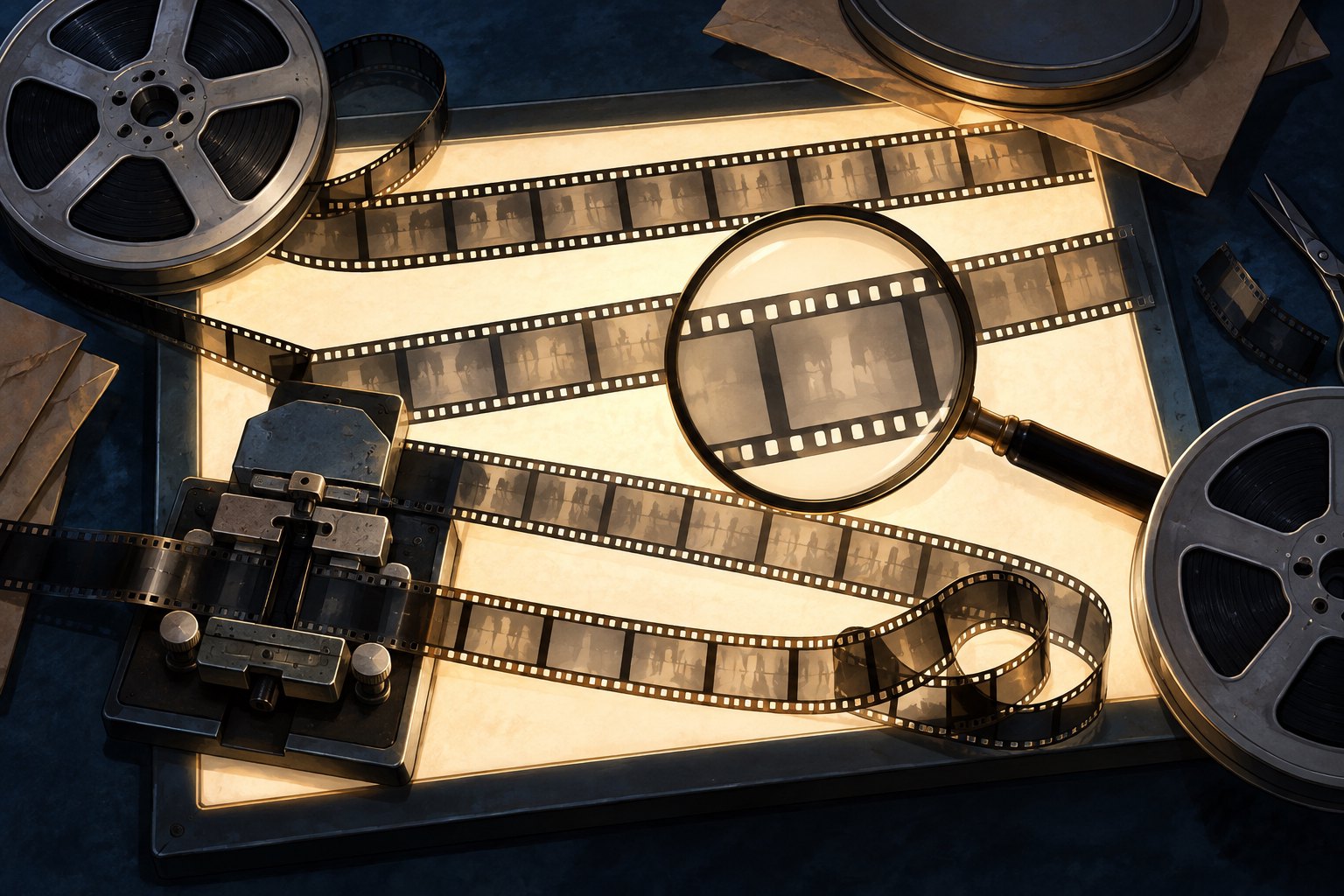
Documentaries create meaning through selection. Who receives time to explain? Which statements are supported by records? Where does music enter? Does an image illustrate an argument, or quietly appear to prove it? These are practical questions about the viewer’s experience, not abstract objections to having a point of view.
Consider an editing technique in general: placing a confident public statement immediately before an account of failure creates an impression of contradiction. That juxtaposition may be illuminating. Its fairness depends on dates, circumstances, and whether the two pieces of material actually address the same issue. An effective transition is not automatically a sound inference.
This is where a film about Musk should earn the audience’s trust. The stronger its conclusions, the more clearly viewers should be able to trace the route from evidence to interpretation. That does not require stopping the film for an explanation of every cut. It requires enough context that dramatic momentum does not carry an unsupported claim past scrutiny.
Our discussion of human responsibility in documentary storytelling approaches a different subject, but raises a related viewing question: how does a film connect individual testimony to a broader argument? Here, that connection is crucial to assessing a portrait challenged by its own subject.
Fairness involves more than counting supporters and critics
An interviewee’s relationship with Musk would be relevant to evaluating their testimony, but it would not settle its truth. Personal proximity can provide knowledge and create blind spots. Distance can permit independence and limit understanding. Viewers need to know what a speaker directly witnessed and what they are interpreting.
A fair documentary therefore does not need an equal number of favorable and unfavorable voices. It needs to weigh relevant evidence honestly. A detailed firsthand account and a general expression of admiration do not answer the same question. Nor should a serious factual challenge disappear merely because it complicates the film’s preferred narrative.
The opportunity to respond also matters. An audience benefits from knowing whether a subject was approached about consequential claims and how any substantive answers were handled. Without verified information about that process here, it would be premature to judge either the filmmaker’s procedure or Musk’s cooperation.
How to watch beyond the confrontation
The most useful preparation is to separate questions that publicity tends to collapse together. Whether you find Musk sympathetic is different from whether an allegation is supported. Whether a film is compelling is different from whether its argument survives examination.
- Identify the central claim. Decide what the documentary actually asks you to believe about Musk, beyond a favorable or unfavorable overall impression.
- Follow the evidence. Notice which conclusions rest on direct records, firsthand testimony, or commentary.
- Track the chronology. Ask whether the order of presentation clarifies events or creates connections that require further support.
- Examine objections specifically. A correction to one claim may be significant without resolving the entire portrait.
- Keep craft and credibility in view. Powerful pacing can strengthen an argument’s delivery without strengthening its factual basis.
The same independence underlies our examination of judging films beyond festival recognition. External reactions shape expectations; the work still has to justify them.
The deeper issue: a life becomes someone else’s argument
Musk’s confrontation with the filmmaker brings the struggle over biographical authority into focus. The subject has lived knowledge that an outsider cannot fully possess. The filmmaker has the freedom to identify patterns the subject may dispute. Neither position makes its holder automatically reliable.
For me, the strongest documentary portrait makes that tension productive. It offers an interpretation while preserving the evidence and complexity needed to question it. It treats its central figure as a person whose actions require examination, rather than a symbol whose meaning has already been decided.
That is the standard worth applying to the documentary about Musk. His attack should prompt closer attention to the film’s argument, its evidence, and the substance of any response. It should not decide the verdict before the viewing begins.
Original content by this site's editorial team. Published: September 13, 2026 at 03:51:39 PDT (Los Angeles time)