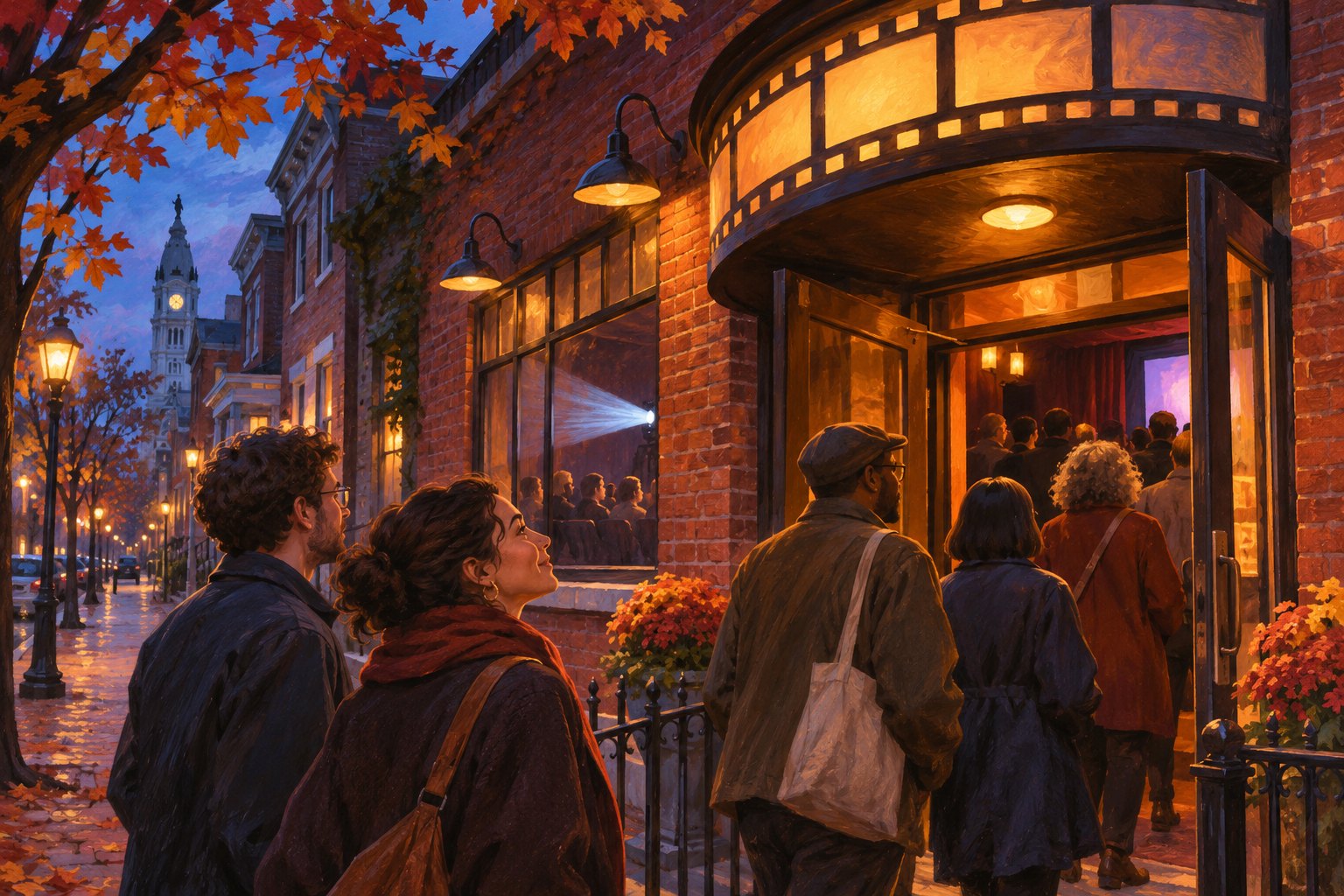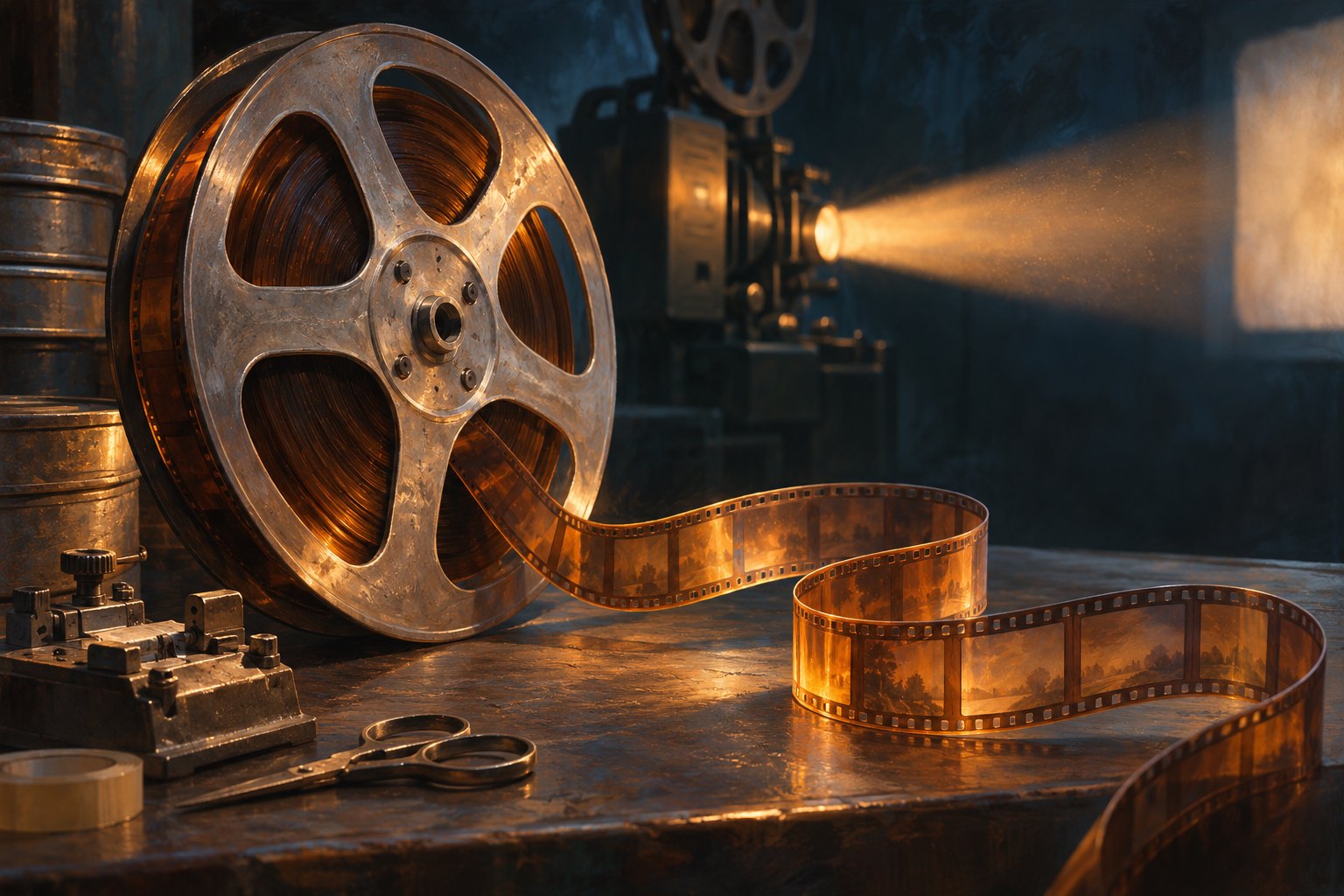
“Film is not dead” is a declaration of attachment: to physical images, to the work of making them, and to the possibility that a medium can remain useful after something newer arrives. Its strongest implication for movie lovers is that the materials of cinema deserve attention. A weaker interpretation would make those materials a shortcut to judging the finished work.
The phrase behind “Hashtag Film Is Not Dead” invites a worthwhile critical question: what, exactly, are we defending when we defend film? My answer begins with expressive choice. An image matters when its appearance helps us understand a person, a place, or an experience. Admiring its texture can be part of that encounter, but the texture should give us somewhere to go.
This is spoiler-free commentary on the idea of film’s continuing relevance, rather than a review of a particular movie.
What the Hashtag Can—and Cannot—Tell Us
As a slogan, “film is not dead” compresses a complicated argument into an appealing refusal. It suggests that usefulness does not expire on a technological schedule. That is a persuasive starting point for discussing art: an older tool can still produce a new perception.
Yet the word “film” itself carries several meanings. It can refer to photographic material, a motion picture, or cinema as an art form. A claim about one meaning does not automatically establish anything about the others. Enthusiasm for physical negatives cannot, by itself, tell us whether an individual movie has interesting characters or a satisfying ending.
For readers approaching the phrase through movie reviews, that distinction is essential. A defense of a medium is an argument about possibilities. A review must consider what a particular work actually does with them. The distance between those two questions is where useful criticism begins.
Texture Needs a Dramatic Purpose
There is pleasure in looking at an image that feels tactile. Variations in tone, delicate transitions around light, and an impression of surface can encourage the eye to linger. But describing an image as warm, rough, or nostalgic only identifies a response. It does not yet explain the storytelling.
A more revealing question is whether the image’s qualities connect us to the person inside it. Consider a hypothetical scene in which someone returns to a childhood home. A soft, welcoming appearance might support their longing. The same appearance might become unsettling if their behavior suggests that the home was never safe. The emotional meaning emerges from the relationship between image and action.
That example is an interpretive exercise, not a scene attributed to any movie. Its point is that a visual quality has no fixed moral or emotional value. Softness can comfort, conceal, or deceive. Harshness can alienate us or make a moment feel painfully clear. Character and context give those qualities their force.
Start With the Person Inside the Frame
For character-centered film analysis, I would begin with access: what does the image allow us to know about someone? Can we read a hesitation? Are we close enough to notice a change of expression? Does the space around the person help explain what they want or what they fear?
Then consider whose experience organizes the scene. A room shown as welcoming to one character might feel oppressive to another. Camera position, lighting, duration, and performance can guide that difference. The useful critical task is to describe the effect precisely before assigning credit to the recording medium.
This also keeps admiration honest. If a beautifully rendered face tells us little because the scene has given the performer nothing meaningful to play, beauty cannot supply the missing dramatic stakes. Conversely, a visually spare encounter can become absorbing when every pause changes the balance between two people.
That attention to perspective also informs our discussion of watching festival films beyond their labels. A category can help us approach a work; the individual work still needs room to surprise us.
Keeping Film Alive Means Caring for Images
The most productive interpretation of the slogan extends beyond admiration toward responsibility. If physical images matter, so should the knowledge, care, and opportunities that allow people to make and encounter them. A reel displayed as a beautiful object offers one kind of pleasure. Images that remain available for viewing offer another, more demanding kind.
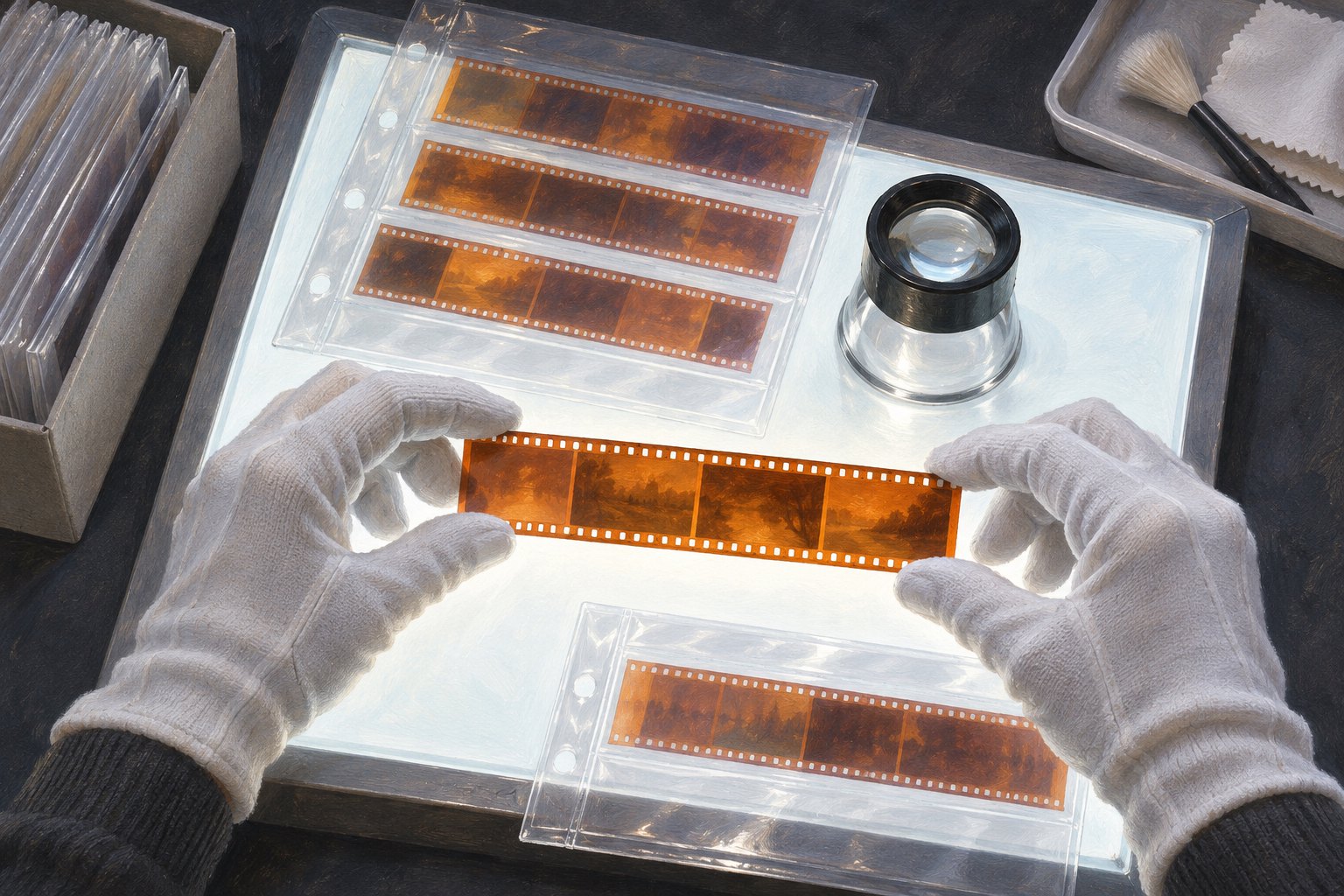
For me, this is where nostalgia becomes useful: when affection encourages stewardship. The important questions become practical. Who can learn the craft? Who can maintain the materials? Who can see the resulting work? These questions turn a declaration of survival into a standard by which that survival might be judged.
They also belong in conversations about education. As our commentary on what meaningful film education should deliver argues, the value of training becomes clearer when we examine the storytelling it enables. Knowing how to handle a tool and knowing why a scene needs it are connected achievements.
A Better Way to Discuss the Look of a Movie
You do not need specialist vocabulary to make a useful observation about an image. Specificity matters more. Instead of stopping at “it looks cinematic,” identify where your attention went, what you felt, and which visible choice seems responsible.
- Describe the moment. Name the expression, movement, object, or spatial relationship that caught your eye.
- Connect appearance to perspective. Explain how the image affected your understanding of a character’s experience.
- Separate reaction from production fact. A nostalgic appearance is something you can describe; how it was achieved requires confirmation.
- Follow the effect across the scene. Ask whether the visual approach develops the emotion or merely establishes an attractive surface.
This method leaves room for disagreement. One viewer may find a textured image intimate; another may feel that its beauty distances them from the character’s distress. Both responses become more useful when tied to identifiable choices rather than a general allegiance to a format.
The Deeper Value of “Not Dead”
My reading of the phrase is ultimately about keeping artistic possibilities open. Calling a medium alive should mean that it can still be used with curiosity, including for work that does not resemble our favorite examples from the past. Survival becomes creatively meaningful when it allows discovery.
That gives film lovers a more demanding position than simple nostalgia. We can appreciate the object, learn about the process, and still ask whether the finished image expresses anything distinctive. We can enjoy beauty while expecting it to participate in the drama.
“Film is not dead” works best as an invitation to look more closely. The decisive question comes after the slogan: what does this image reveal that we might otherwise have missed? When the answer deepens our understanding of someone on screen, the defense of the medium has become a defense of the art.
Original content by this site's editorial team. Published: November 4, 2026 at 20:19:20 PST (Los Angeles time)