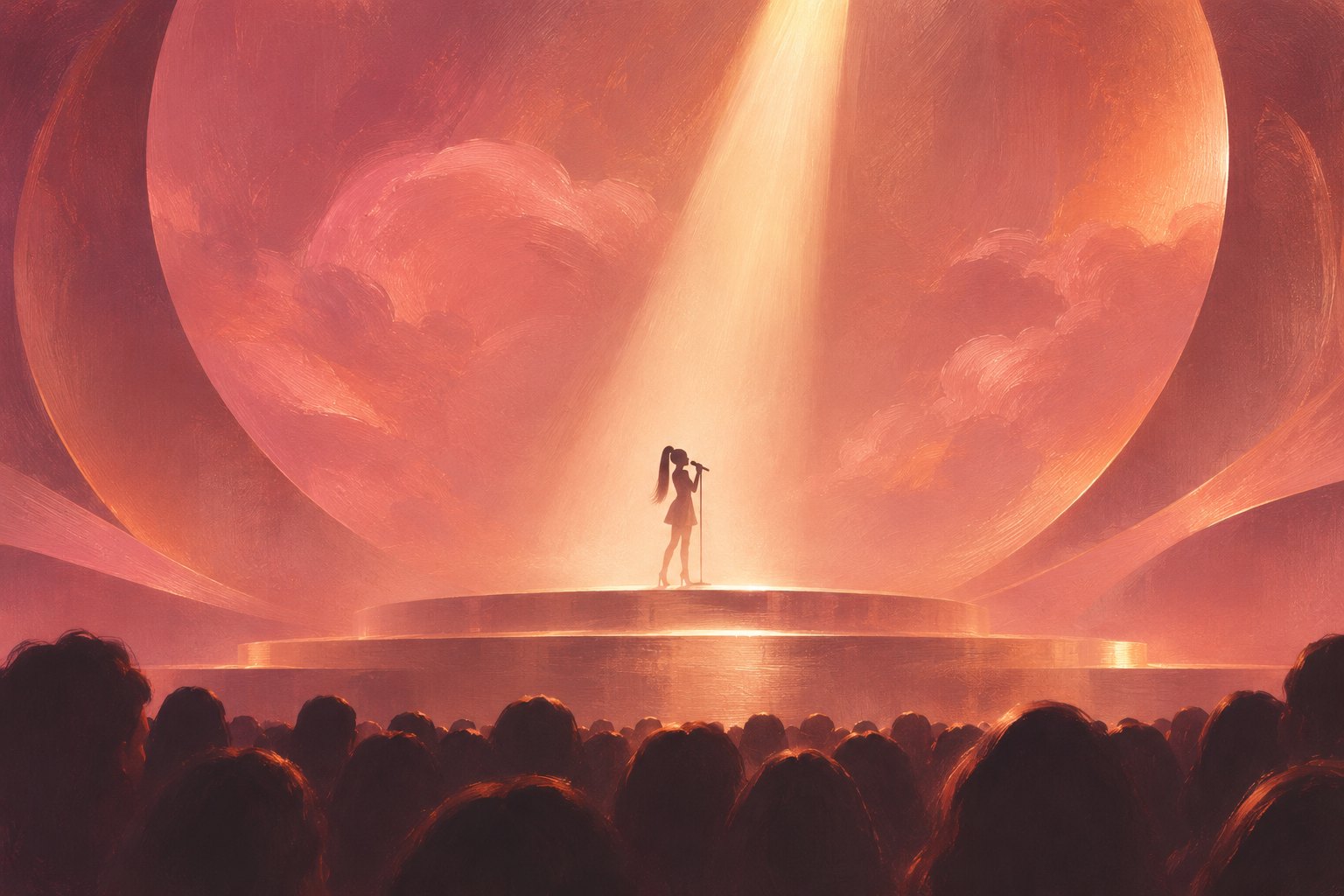
Ariana Grande has teased an Eternal Sunshine Tour concert film, with Billboard reporting the promise “Coming Soon.” For fans wondering whether the tour is getting a screen counterpart, that is the essential news. For moviegoers, it raises another question: what will the film allow us to see and hear that the live experience could not?
Those two words invite anticipation without providing a calendar. They also cannot establish the finished film’s structure, its completeness as a concert record, or its artistic success. This is a critical preview, not a review of the completed movie. There is no basis here for assigning a rating, describing unseen sequences, or presenting imagined dialogue as something Grande says onscreen.
The prospect is nevertheless worth examining. A concert film can bring a distant performer into intimate focus, preserve the interaction between musicians and an audience, and build an emotional progression through choices of duration and perspective. For Grande’s film, the most interesting possibility is a portrait constructed through performance itself.
What “Coming Soon” Actually Tells Viewers
The reported tease connects Grande, the Eternal Sunshine Tour, and a forthcoming concert film. It is an invitation to watch for the project. The phrase alone does not establish a specific release date, running time, director, complete song list, or viewing arrangement. Readers should distinguish those practical details from the excitement surrounding the announcement.
There is a similar distinction between a tour film and an intimate documentary. A movie built around performances might contain interviews or backstage material, but the label does not promise either. Nor does it guarantee that the audience will see an entire concert in its original order. Those choices matter because they determine whether the film primarily preserves an event, interprets it, or combines the two.
Expectations should therefore remain specific and provisional. The useful question is what shape this particular film takes once it becomes available—not how closely it matches a version that viewers have already assembled in their imaginations.
Grande as the Film’s Center of Attention
In a fictional drama, character analysis follows what someone wants, the obstacles they encounter, and the decisions they make. A concert film requires a different kind of attention. Grande is a real performer, and a camera cannot grant unrestricted access to her thoughts. What it can document is the work of communicating: phrasing, timing, movement, concentration, and responses to the room.
That distinction should guide any eventual interpretation. A pause might create dramatic tension without proving private distress. A smile might express pleasure without explaining its cause. Reading the performance closely means noticing what happens and how the film presents it, while resisting the temptation to turn every expression into a biographical revelation.
My preference would be for a film that trusts Grande’s performance to sustain attention. A held shot can make a vocal phrase feel like an action with a beginning, a risk, and a resolution. Cutting away too quickly can interrupt that progression, even when the replacement image is attractive.
Respect for the person inside the performance also matters. Our commentary on Gabriel Iglesias and the limits of interpreting an onstage moment addresses that boundary in a different context. Here, too, observation becomes more useful when it does not pretend to be mind-reading.
The Camera Must Choose Where We Look
At a concert, viewers can choose to watch the singer, examine the surrounding production, or turn toward the crowd. A film makes those decisions for them. That makes framing an argument about what deserves attention.
A wide shot can establish the relationship between a performer and the space around her. A medium shot can preserve gesture and movement. A close-up can make a small adjustment in expression legible. None is inherently more truthful or cinematic; each reveals something while excluding something else.
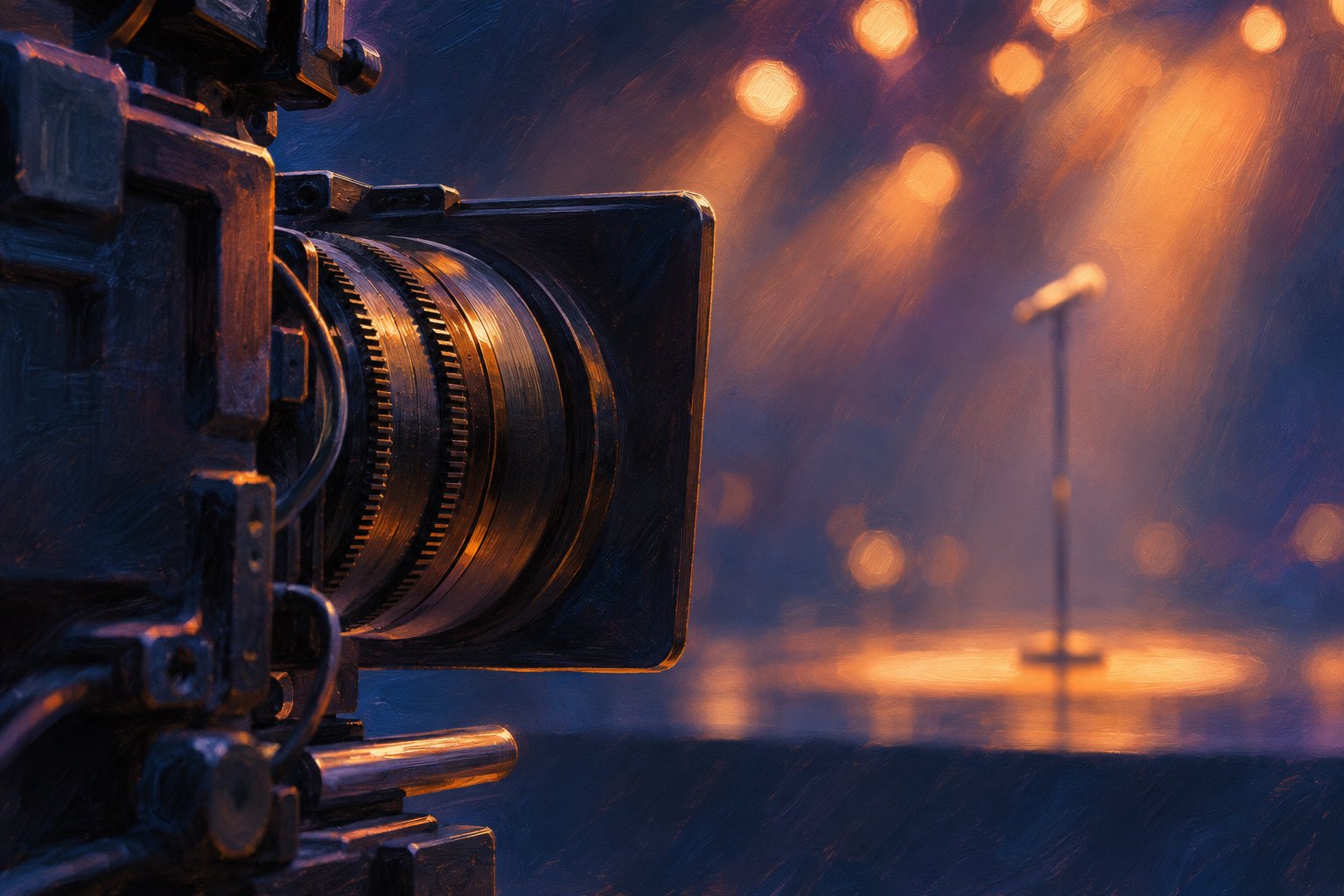
For the Eternal Sunshine Tour film, a useful standard will be whether those changes in scale follow the performance. If the music becomes quieter, does the image invite closer attention? When movement matters, does the framing let us understand it? Constant visual activity can flatten these differences, making a restrained passage feel much like a climactic one.
This is where the movie will need to earn its identity. As our preview of Spielberg and Paul Thomas Anderson’s Heart of Winter collaboration considers, recognizable names create interest, but the decisive evidence lies in creative choices. Grande’s presence gives this project its subject; filmmaking will determine how we experience that presence.
Sound Should Preserve a Sense of the Room
Images may dominate the promotion of a concert movie, but sound establishes the viewer’s relationship to the performance. The balance between voice, accompaniment, and audience can make a recording feel spacious, immediate, distant, or unusually controlled.
There is no single correct amount of crowd noise. Applause can convey the scale of a response, while quieter audience sound can preserve the sense that people are listening together. Too much emphasis on cheering may obscure musical detail. Too little can remove the exchange that makes a concert different from a studio performance.
The same applies to transitions. A breath, a pause, or the decay of a final note can help a viewer register what has just happened. An edit that moves immediately to the next highlight may increase momentum while sacrificing the emotional aftereffect. I would value a mix and an editing rhythm that allow both excitement and stillness to register.
What to Watch for When the Film Arrives
A useful review will need to move beyond whether favorite songs appear. These questions offer a more revealing way to assess the finished film:
- Does it establish a perspective? Notice whether you feel positioned as an audience member, a close observer, or a visitor moving between different kinds of access.
- Do shots last long enough to reveal performance choices? Watch whether gestures and musical phrases develop within a frame or are repeatedly interrupted.
- Does the sequence create an emotional progression? Consider how one passage changes your response to the next, rather than treating every number as an isolated attraction.
- Does additional material deepen what happens onstage? If interviews or backstage scenes appear, ask what they help you understand about the performance.
A Concert Film as an Act of Interpretation
The deeper promise of Grande’s Eternal Sunshine Tour film is the possibility of sustained attention. A live event moves forward irreversibly. A film gives viewers a shaped version they can revisit, discovering a gesture, musical decision, or relationship between moments that escaped them before.
That preservation always involves interpretation. Selecting an angle, retaining a pause, and deciding when to show the audience all influence what the concert will mean onscreen. The film could become a record of spectacle, an attentive study of performance, or a productive combination of both. Its achievement will depend on how those choices work together.
“Coming Soon” is enough to establish anticipation. The more substantial promise remains for the movie to fulfill: making Grande’s performance rewarding to watch closely, even after the excitement of the announcement has passed.
Original content by this site's editorial team. Published: November 24, 2026 at 04:05:35 PST (Los Angeles time)