The best horror movie endings make the entire film feel different once the credits arrive. The Thing leaves trust unresolved. The Sixth Sense turns fear into compassion. The Mist makes survival almost unbearable. These 20 selections earn their place through what their conclusions do to the characters, not simply how effectively they surprise us.
Major spoilers follow for every film discussed. This is a subjective selection, grouped by dramatic effect rather than presented as an objective ranking.
Revelations that change the whole story
1. The Sixth Sense (1999)
“I see dead people” describes Malcolm’s situation as plainly as Cole’s. Discovering that Malcolm died from his opening-scene gunshot wound transforms apparent marital estrangement into mourning. The ending works because his relationship with Cole remains meaningful: helping the boy also prepares Malcolm to acknowledge his death and let his wife go.
2. The Others (2001)
Grace discovers that she killed her children and herself; the supposed intruders are living people. Her household rules become the architecture of denial. What makes the revelation devastating is her continued attachment to the children. Understanding what happened cannot undo it, but it finally breaks her certainty that danger always comes from outside.
3. Psycho (1960)
The explanation of Norman’s crimes is less unsettling than the stillness that follows it. His final close-up gives the Mother persona the last psychological word. After so much frantic concealment, apparent innocence becomes another performance. The film leaves us watching a face whose gentle expression has become impossible to trust.
4. Saw (2004)
The supposed corpse rising from the bathroom floor converts background scenery into the controlling intelligence. For Adam, the revelation offers no useful knowledge: he understands the trap only when escape is disappearing. “Game over” is chilling because it exposes how completely someone else has controlled the terms of his survival.
A reveal gains force when it changes a relationship, a principle also explored in our analysis of betrayal and Anna’s choices in Frozen. Surprise lasts seconds; damaged trust lasts longer.
Endings that refuse to make survival reassuring
5. The Thing (1982)
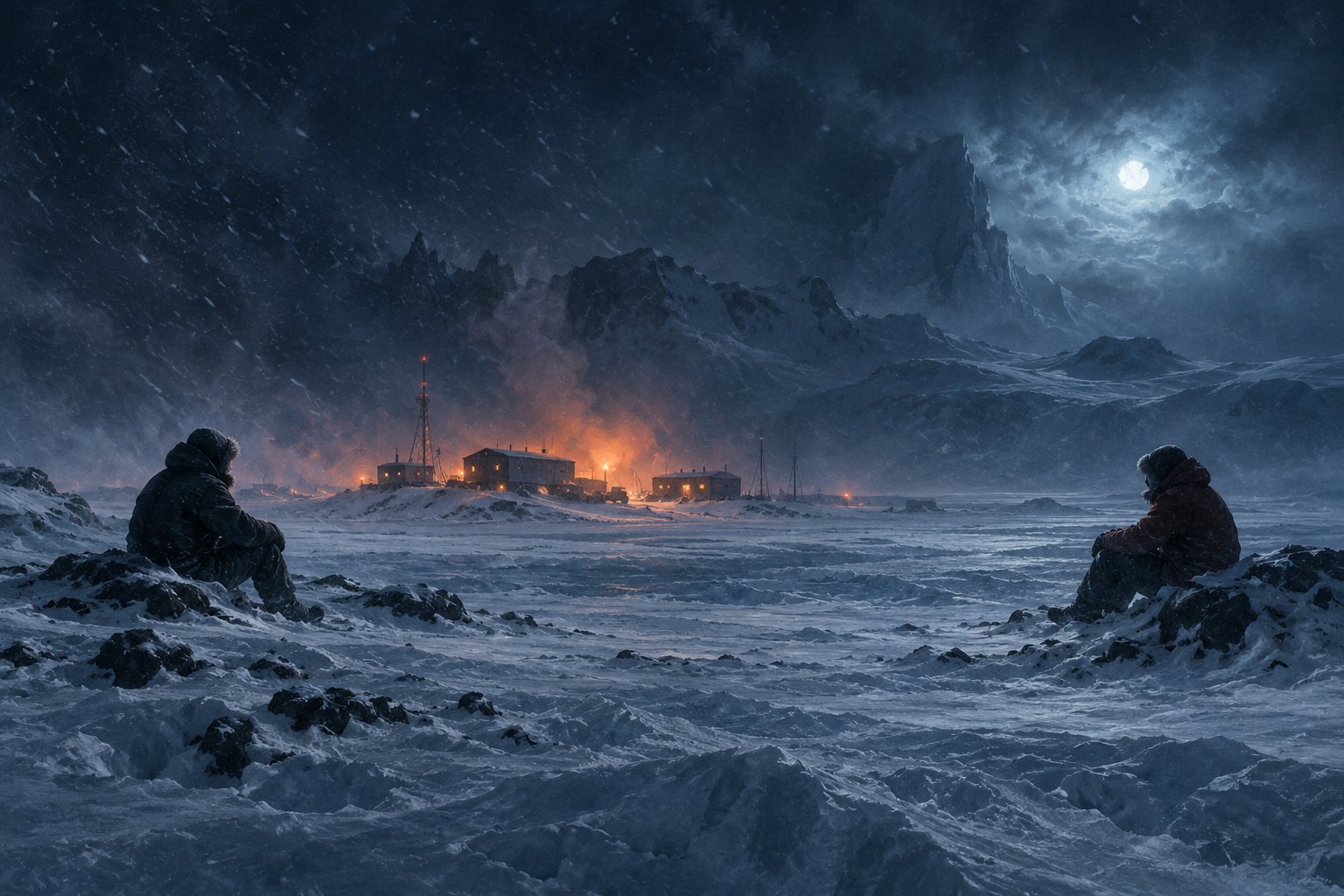
MacReady and Childs sit beside their burning station, with neither able to establish whether the other is human. The film does not conclusively identify either man as infected. That uncertainty is the ending’s achievement.
Throughout the story, MacReady tries to turn suspicion into procedure: isolate people, test blood, destroy threats. By the final scene, the equipment, shelter, and practical options are gone. His remaining companion is also a possible enemy. Their exhausted pause feels almost companionable, but accepting company now means accepting uncertainty. The creature has made human solidarity dangerous even if both men are human.
6. Halloween (1978)
Loomis shoots Michael, who falls from a balcony and then disappears. Laurie survives the immediate attack, but the empty spaces and audible breathing deny her a secure boundary around it. The ending expands her private nightmare into an environment: any ordinary doorway might conceal the same danger tomorrow.
7. The Blair Witch Project (1999)
Heather finds Mike facing a basement corner before her camera falls. His posture recalls the earlier account of children forced to face a wall during murders. Recognition arrives without explanation. Heather’s camera, once her instrument of authority, can record the last moments but cannot make them comprehensible or keep her safe.
8. Carrie (1976)
Sue’s dream of visiting the ruined house erupts into a hand reaching from the ground. The nightmare does not establish Carrie’s literal resurrection. It places the final terror inside a survivor. Sue’s attempt at kindness cannot protect her from guilt, grief, or the psychological afterlife of the prom massacre.
9. Invasion of the Body Snatchers (1978)
Nancy approaches Matthew as someone she can trust, only for his pointing gesture and inhuman shriek to expose his transformation. Her relief becomes the mechanism of her discovery. The ending’s cruelty lies in familiarity: the face that should promise companionship has become an alarm announcing that she does not belong.
For more on how horror trains—and betrays—audience expectations, our horror trivia feature and Scream analysis examines the limits of knowing the rules.
When protection becomes a trap
10. Rosemary’s Baby (1968)
Rosemary finds her baby alive within the conspiracy that violated her. Her movement toward the cradle is more disturbing than a straightforward surrender or escape. Maternal concern survives the betrayal, giving the conspirators something they can exploit. The ending leaves tenderness entangled with an intolerable situation.
11. The Wicker Man (1973)
Howie learns that his investigation has delivered the intended sacrifice: himself. His commitment to rescuing a child has been anticipated and manipulated. The islanders’ cheerful collective certainty makes his death especially appalling. Their confidence does not establish that the sacrifice will work; it establishes how little doubt they permit.
12. Don’t Look Now (1973)
John follows a small figure in red and encounters a killer, while the images he has misunderstood resolve into a premonition of his own funeral. Grief has shaped his attention without giving him understanding. The ending makes looking itself tragic: he notices the signs but cannot correctly read them.
13. Night of the Living Dead (1968)
Ben survives the night, then is shot by a member of the armed posse outside. The efficient disposal of his body strips away the individuality the film has taught us to value. Read through its racial imagery, the conclusion makes restored social order look terrifyingly compatible with dehumanization.
14. The Mist (2007)
Believing rescue impossible, David kills his companions, including his son, with the remaining bullets. Military help arrives afterward. The timing is brutally engineered, but the emotional wound is precise: his determination to protect becomes inseparable from irreversible harm. Survival leaves him with knowledge he desperately needed minutes earlier.
15. The Ring (2002)
Rachel discovers that recovering Samara’s body has not ended the curse. Copying the tape and showing it to someone else explains her survival. Protecting her son now means perpetuating the danger. The conclusion converts a mystery about helping a dead child into a moral problem involving the living.
Escape, sacrifice, and the cost of another chance
16. Alien (1979)
Destroying the Nostromo fails to secure Ripley’s escape because the creature is aboard the shuttle. Her final victory requires controlled action while terrified. The second confrontation earns its place by making competence tangible: Ripley uses the available machinery and space to survive, then finally allows herself to rest.
17. The Exorcist (1973)
Karras draws the demon into himself and jumps from the window, saving Regan. His struggle with faith finds an answer through action rather than argument. The sacrifice matters because he cannot repair every loss haunting him, yet he can still protect someone vulnerable in front of him.
18. Get Out (2017)
Flashing lights initially suggest another threat to Chris, before Rod emerges to rescue him. The reversal acknowledges the audience’s fear without making that fear the final verdict. After a relationship built on predatory deception, Chris escapes through a friendship whose concern proves practical, persistent, and real.
19. The Witch (2015)
“Wouldst thou like to live deliciously?” offers Thomasin pleasures her family’s world has denied her. Joining the coven brings visible exhilaration, but the bargain follows her family’s destruction. Her ascent holds liberation and exploitation together. Calling it simply triumphant overlooks the terrible conditions under which she chooses.
20. The Babadook (2014)
Amelia keeps the creature in the basement and feeds it while rebuilding life with Samuel. The ending gives recovery a daily practice rather than a miraculous cure. Reading the monster as grief, her achievement is learning to acknowledge and contain it without allowing it to govern her relationship with her son.
Why these endings survive repeat viewings
The deepest connection among these finales is the collapse of control. Investigation cannot save Howie; expertise cannot reassure MacReady; protective love cannot make David’s judgment infallible. Their endings force us to separate good intentions from good outcomes.
The more hopeful films make a narrower promise. Ripley can act effectively while afraid. Chris can accept help. Amelia can care for her son without erasing grief. That is why these conclusions remain powerful after their surprises are familiar: they leave the characters facing truths that another viewing cannot make easier.
Original content by this site's editorial team. Published: October 17, 2026 at 21:03:40 PDT (Los Angeles time)