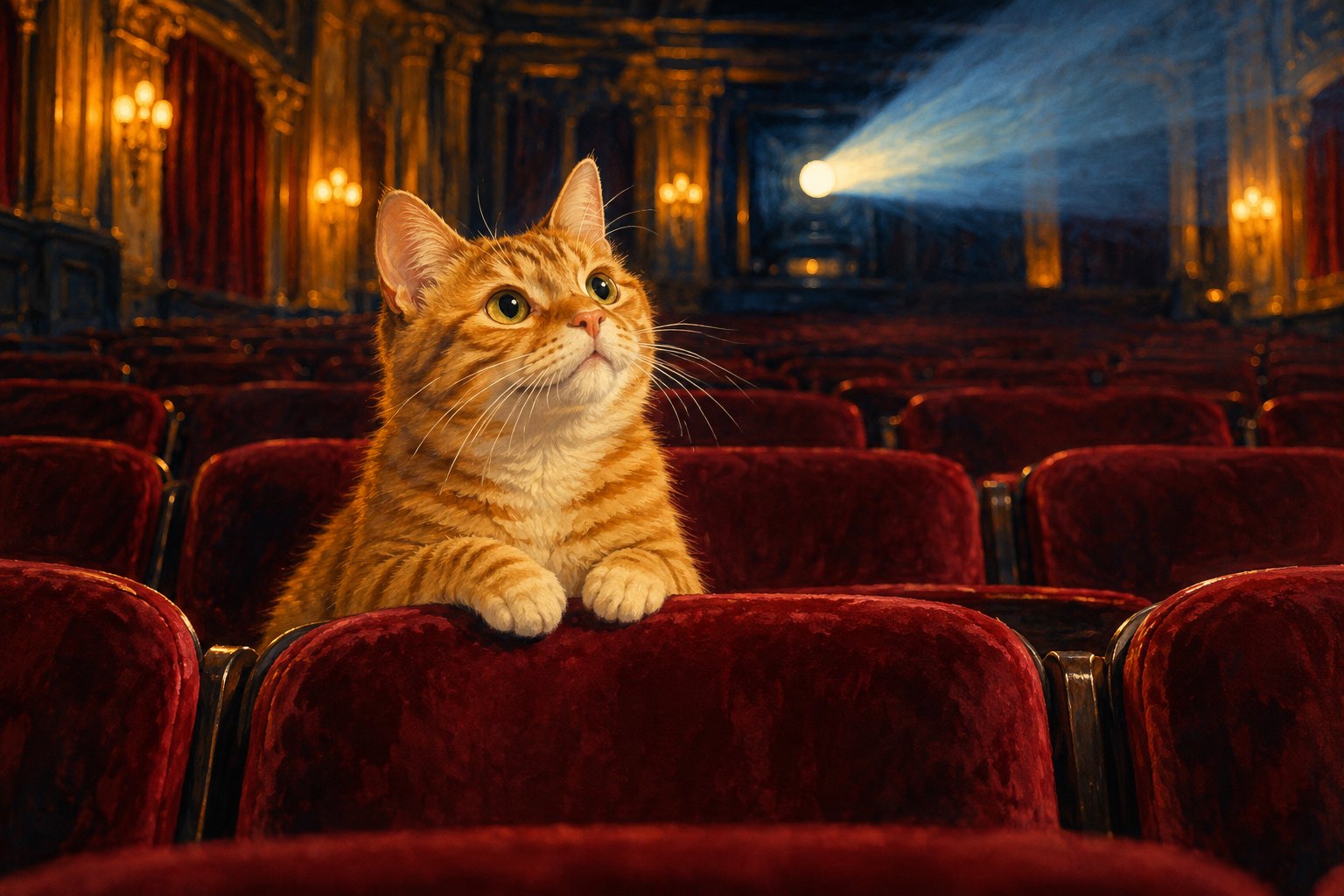
A good Halloween movie night starts with choosing the right kind of unease. For playful seasonal atmosphere, start with Hocus Pocus. For beautiful monsters and complicated feelings, choose Edward Scissorhands or The Nightmare Before Christmas. For an adult evening built around apprehension, consider Longlegs.
The 14 Disney+ and Hulu selections below range from familiar fantasies to violent horror. Platform labels follow Disney’s Halloween viewing guide; check the title in your own account before planning the evening, since access depends on location and subscription. Hulu selections should not be assumed to come with every Disney+ plan.
Spoiler note: The quick selections discuss premises. The closer readings afterward reveal character developments and the ending of Edward Scissorhands.
Choose Your Halloween Mood: All 14 Picks
Witches, Ghosts, and Seasonal Comfort
- Hocus Pocus — Disney+. Resurrected witches turn Salem upside down. My choice for a lively group watch.
- Hocus Pocus 2 — Disney+. Another generation confronts the Sanderson sisters. Pair it with the original.
- The Haunted Mansion (2003) — Disney+. A family encounters a haunted estate. Choose it for comic supernatural adventure.
- Haunted Mansion (2023) — Disney+. A mother and son need paranormal help. This is a separate adaptation, not the earlier film’s sequel.
Outsiders and Unsettling Fairy Tales
- Edward Scissorhands — Disney+. An unfinished creation enters suburbia. Best for melancholy romance.
- Frankenweenie (2012) — Disney+. A boy revives his dog. Expect tenderness alongside macabre imagery.
- The Nightmare Before Christmas — Disney+. Jack Skellington takes an interest in Christmas. Choose musical fantasy.
- Werewolf by Night — Disney+. A deadly gathering of monster hunters. This selection is a television special.
Adult Horror and Suspense
- Ready or Not 2: Here I Come — Hulu. Grace and her sister face a lethal game.
- SOULM8TE — Hulu. Artificial companionship becomes dangerous.
- The Hand That Rocks the Cradle (2025) — Hulu. A nanny’s hidden identity threatens domestic security.
- Longlegs — Hulu. A murder investigation encounters occult horror.
- The Man in My Basement — Hulu. An unusual rental arrangement invites psychological unease.
- The Monkey — Hulu. A sinister toy connects family conflict with gruesome deaths.
For the final group, choose your tolerance as carefully as your premise. Domestic suspicion, sustained dread, and splatter comedy produce very different evenings. Read the individual content advisories, particularly when watching with teenagers or anyone sensitive to violence. A Halloween label tells you little about intensity.
Edward Scissorhands: The Neighborhood Is the Real Test
My strongest recommendation for viewers who want something to discuss afterward is Edward Scissorhands. Tim Burton’s fairy tale makes an apparently simple question—can this strange young man belong?—progressively harder to answer. Edward’s creator dies before completing him, leaving blades where human hands should be. When Peg brings him into her suburban home, kindness opens a door that the wider community cannot keep open.
From Edward’s perspective, useful work offers a route toward acceptance. His unusual hands can create beauty, and the neighbors initially enjoy what he can do for them. Yet that arrangement contains a painful condition: he is welcome while his difference is entertaining or convenient. Admiration gives him visibility without necessarily giving him protection.
That distinction makes the film sharper than a general plea to be nice to outsiders. Edward cannot simply acquire the correct manners and solve his problem. Other people repeatedly decide what his body means. The same blades can signify talent, novelty, or danger, depending on what the neighborhood wants to believe.

The exchange between Kim and Edward reduces this conflict to four words. She asks, “Hold me.” He answers, “I can’t.” His hesitation is not emotional indifference. He wants closeness and fears causing harm. Their subsequent embrace matters because intimacy requires adjustment and trust, rather than a magical removal of everything that makes him different.
For me, the film is most effective in these quiet physical negotiations. Its suburban caricatures can be broad, but Edward’s uncertainty gives the exaggeration an emotional center. Watch how much effort a seemingly ordinary interaction requires from him. Everyday life becomes suspenseful without needing a lurking supernatural attacker.
The ending refuses an easy victory. Edward returns to isolation, while Kim carries his story into old age. The falling snow connects the town to the ice sculptures he continues making. I read that image as both generosity and accusation: the community receives beauty from someone it could not accommodate. Remembering him lovingly does not undo his exclusion.
His hands also demonstrate how a film object can carry an entire character argument. Our exploration of what movie memorabilia reveals about character considers that relationship between recognizable objects and the emotional lives behind them.
The Nightmare Before Christmas: Listen to Sally
Henry Selick’s The Nightmare Before Christmas offers an illuminating companion piece. Edward wants an invitation into ordinary life; Jack Skellington already occupies the center of his community. His dissatisfaction comes from repetition. Being excellent at Halloween no longer feels sufficient.
Christmas gives Jack an unfamiliar experience, and his excitement is appealing. The trouble begins when discovery becomes management. He tries to reproduce a holiday through the habits and imagination of Halloween Town. His intentions may be generous, but good intentions do not guarantee that he understands the people receiving his gifts.
Sally provides the essential counterpoint. She recognizes danger in Jack’s plan while still caring about him. Watching through her perspective changes the film’s rhythm: the audience can enjoy his enthusiasm while noticing how little room it leaves for an unwelcome warning.
My favorite aspect of the film is that its visual inventiveness serves this misunderstanding. Halloween Town’s creations can be wonderfully imaginative and completely unsuitable for their intended recipients. The comedy comes from that mismatch; the character criticism comes from Jack’s confidence that enthusiasm can bridge it.
For a double feature, put this after Edward Scissorhands. The pairing creates a useful conversation about belonging: one protagonist struggles to be admitted, while the other struggles to appreciate the place he already has. Neither problem is solved merely by being admired.
Hocus Pocus and Frankenweenie: Two Different Kinds of Attachment
Hocus Pocus works especially well when the room wants shared recognition and theatrical energy. Sarah’s repeated “Amok, amok, amok!” captures the pleasure of the witches’ performance: even their menace keeps tipping into unruly play. The comedy invites viewers to enjoy the villains without forgetting that the children must escape them.
Binx adds a more sorrowful register beneath that exuberance. A talking cat can be funny, useful, and emotionally consequential within the same story. That versatility connects with our discussion of how movie cats shape character and suspense.
Frankenweenie places attachment at its center more directly. Victor’s experiment begins with the loss of Sparky. The resurrection premise feels different when viewed through a bereaved child’s priorities: scientific impossibility matters less to him than getting his friend back. I find that emotional simplicity more affecting than the familiar laboratory imagery alone. Viewers sensitive to pet loss should take the premise seriously, despite the animation.
What Makes These Halloween Stories Last?
The most rewarding thread through these selections is the difference between wanting someone and understanding them. Edward’s neighbors enjoy his gifts. Jack loves his idea of Christmas. Victor wants Sparky back. Each desire raises a further question about responsibility toward another life.
That is why a Halloween watchlist can offer more than a ladder of increasing scares. Start with the experience your audience wants, then notice whose fear the movie asks you to share. Sometimes the frightening figure needs protection. Sometimes the friendly household deserves suspicion. The films that linger make us reconsider where we placed our sympathy.
Original content by this site's editorial team. Published: October 31, 2026 at 03:07:23 PDT (Los Angeles time)