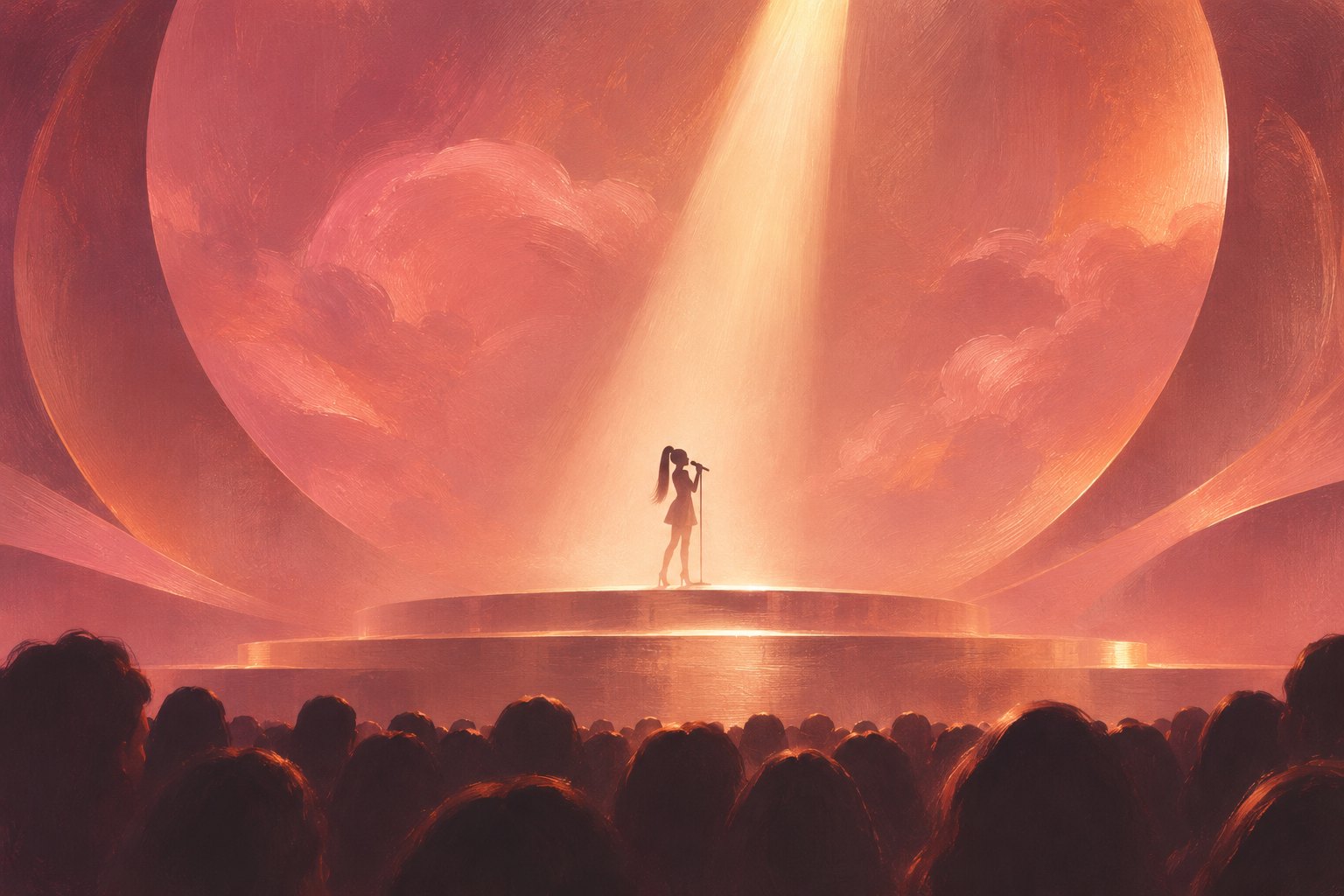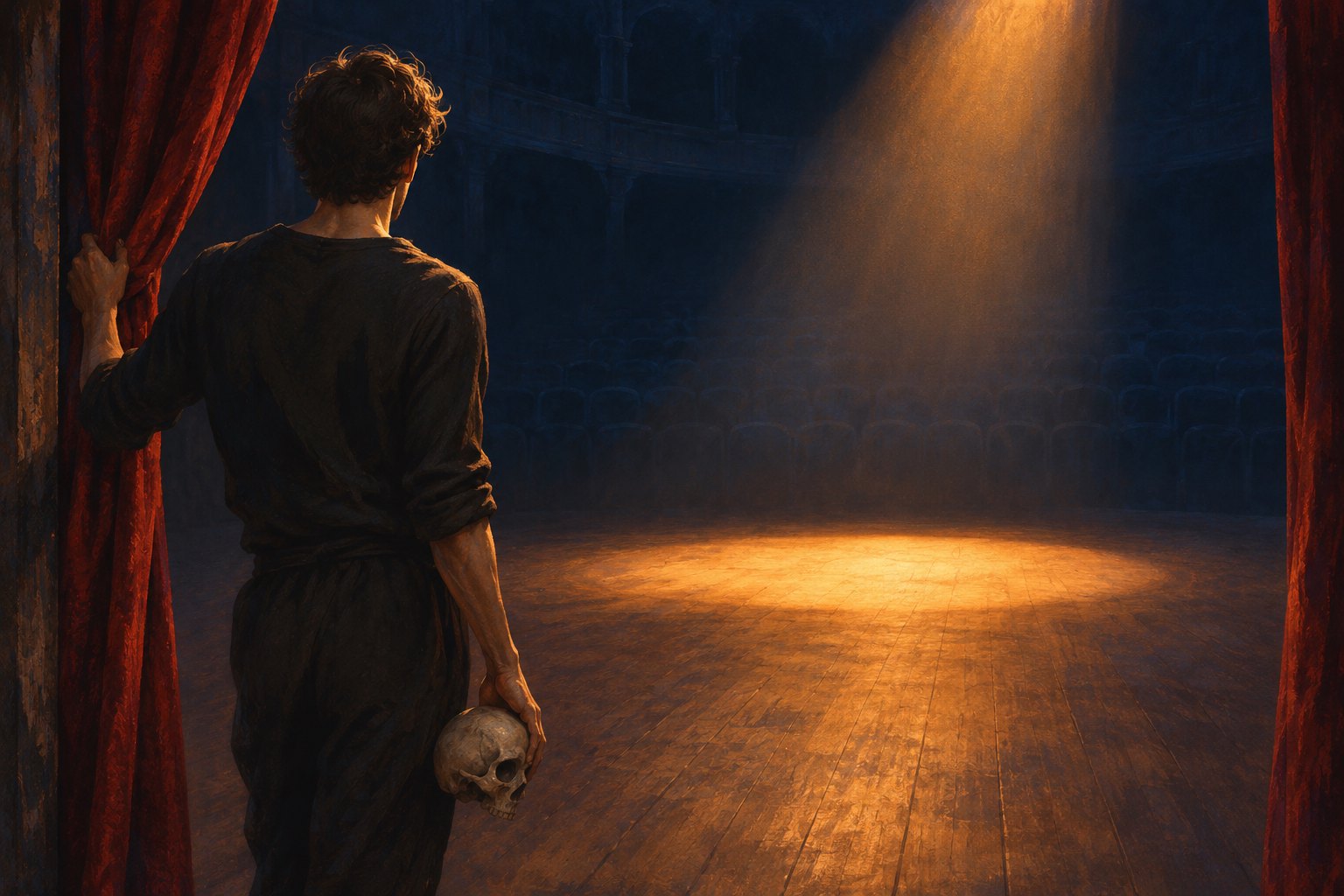
Armored Trooper VOTOMS: Die Graue Hexe’s second anime film is set to premiere in 2027, with a new visual accompanying the announcement. For viewers following the project, the immediate significance is straightforward: the next installment has an announced release year. The more interesting critical question is what that continuation will do with the audience’s investment once anticipation gives way to an actual movie.
A release announcement can establish a destination on the calendar. It cannot establish the quality of the journey. This is a spoiler-free critical preview of the second film’s announcement, rather than a review of its finished story. Its performances, dialogue, dramatic turns, and ending remain outside the scope of a responsible verdict here.
What the 2027 announcement establishes
The reported update contains three concrete pieces of information: the project is Armored Trooper VOTOMS: Die Graue Hexe, the announcement concerns its second anime film, and that film has a 2027 premiere window. A new promotional visual accompanies the news. Together, these give followers a clear next milestone without supplying a complete release plan.
A premiere year is not an exact opening date. The announcement as described does not establish a month or day, a North American theatrical schedule, or a streaming launch. Those distinctions matter for American viewers deciding when and how they might watch. Treating every release milestone as a worldwide availability announcement can turn a useful update into an unreliable viewing guide.
The sensible takeaway is to keep 2027 in mind while waiting for details that identify territory, format, and access. There is no need to fill those gaps with predictions. The confirmed window already answers the central question behind the news: when the second film is expected to arrive.
A new visual starts a conversation; it does not finish one
Promotional artwork has a particular advantage over a movie: it can concentrate attention without explaining transitions. A single composition can suggest scale, isolation, conflict, or intimacy. Cinema has to sustain those impressions through movement, duration, sound, and the changing relationship between one shot and the next.
That difference is especially useful when approaching a new visual for a sequel. An image can invite viewers to imagine how the story will develop, but an imagined development is still an interpretation. Character placement does not establish an alliance. A threatening atmosphere does not prove a tragic outcome. A visual resemblance does not, by itself, confirm a narrative connection.
For Die Graue Hexe, the new artwork’s immediate reporting value is its association with the announced continuation. Its eventual artistic significance will depend on the film around it. A striking promotional image becomes more rewarding when a completed movie gives its composition emotional meaning—when something that initially looked impressive becomes something the audience understands.
The character test for a second film
My central criterion for the continuation would be whether its characters make decisions that change the meaning of what came before. A second installment can enlarge a conflict relatively easily. Developing a person within that conflict requires more precision: a choice must arise from an intelligible motive, encounter resistance, and leave consequences.
This is a standard for evaluating the coming film, not a description of unverified events in it. The questions are practical. What does a character believe is possible? What information does that person lack? What would make an apparently sensible decision disastrous, or a frightening decision necessary? Those questions connect spectacle to experience.
The distinction also matters when discussing character development. A character does not become more complex merely because the audience receives additional background information. Complexity emerges when new knowledge changes how we understand behavior. A continuation earns its place when earlier actions acquire greater emotional or ethical weight.
Our discussion of why Haymitch’s story needs more than a faithful adaptation considers a related critical problem: preserving recognizable material means little unless the film preserves the pressure that makes its characters’ choices matter.
Why the viewpoint inside the machine matters
In evaluating armored combat on screen, I find the relationship between exterior scale and interior experience particularly revealing. An exterior shot can make a machine look powerful. An interior perspective can make the person operating it seem exposed. The tension between those impressions gives filmmakers a way to make action emotionally legible.
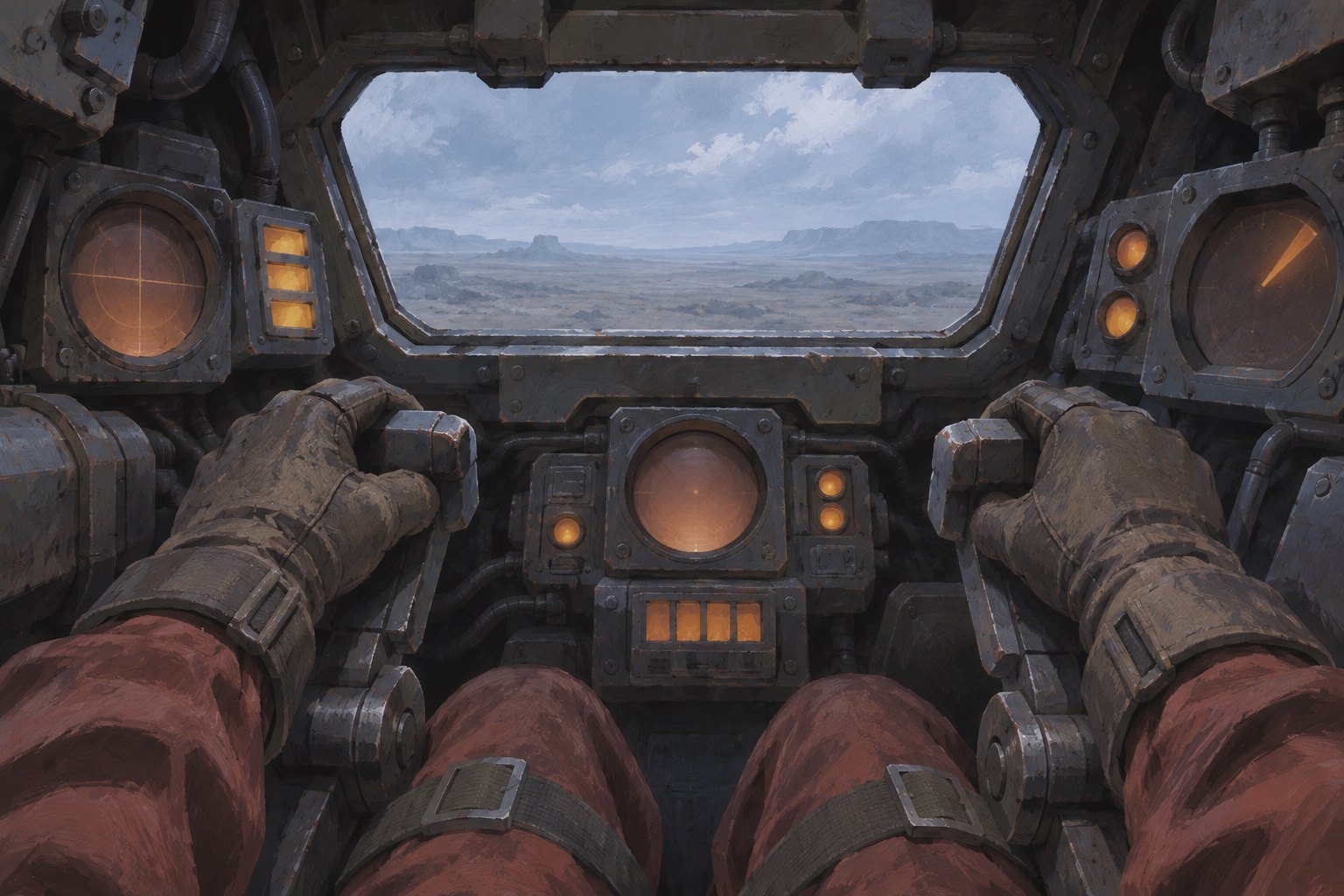
This conceptual illustration is not a scene from Die Graue Hexe. It illustrates the viewing question: how much can the person inside a machine actually perceive? Restricted visibility, delayed information, and physical confinement can make an action sequence tense without requiring the audience to memorize technical specifications.
That provides a useful lens for the second film when it arrives. Does the editing let viewers understand a decision before showing its result? Does sound communicate distance and uncertainty? Does a pause register as hesitation, calculation, exhaustion, or nothing in particular? These are matters of execution that promotional material cannot settle.
The broader connection between physical space and dramatic meaning also informs our examination of how landscape can reveal character in The Heart in Winter. Different genres present different environments, but both invite the same question: what does the setting allow us to understand about the person experiencing it?
What to watch for in the next announcement
The most useful next information would clarify the release itself and the second film’s dramatic scope. An exact date would make the window actionable. Territory-specific distribution news would establish access. An official synopsis or substantial footage could support more focused discussion of the story without requiring viewers to mistake speculation for reporting.
Dialogue deserves the same care. Memorable lines belong in a review when their wording and context can be verified; inventing a plausible quotation would only create a false impression of familiarity. Likewise, an Easter egg needs an identifiable reference and evidence, rather than a resemblance promoted into certainty.
The promise worth holding the film to
The deeper critical opportunity in a continuation is consequence. A first encounter with a fictional world may draw attention to its surfaces and possibilities. Returning to it can expose the lasting cost of inhabiting that world. The strongest sequels make the audience reconsider what power, safety, or survival means to the people on screen.
That is the standard I would bring to Die Graue Hexe’s second film in 2027. The new visual gives anticipation a focal point; the finished movie must give that anticipation substance. Its most persuasive achievement would be to make viewers remember a person’s decision as clearly as they remember an impressive image.
Original content by this site's editorial team. Published: November 23, 2026 at 16:10:32 PST (Los Angeles time)